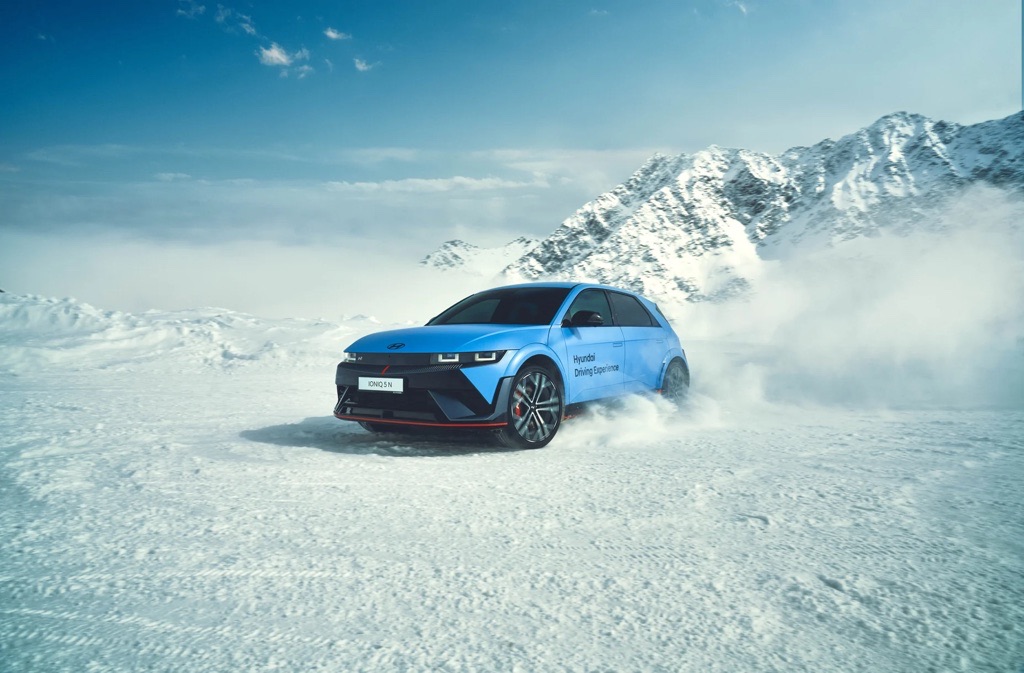
Snow states have a special personality. One morning the roads are glazed like sugar glass, and the next they’re plowed into wrinkled ribbons of slush. So here’s a playful question to kick things off: when your driveway turns into an ice rink, does your car feel like a confident guide—or a hopeful passenger? The challenge is that winter demands more than horsepower. It requires traction intelligence, battery-minded efficiency, and drivetrain behavior that stays predictable when temperatures drop and visibility turns theatrical. That’s exactly where the best 2025 AWD plug-in hybrids come in: they blend electrified calm with the traction confidence of all-wheel drive.
Below is an extensive guide to the best 2025 AWD plug-in hybrids designed for snow-heavy regions, with an emphasis on how they behave in real winter conditions—cold mornings, slippery commutes, and the occasional detour you didn’t plan.
Why AWD Plug‑In Hybrids Make Sense in the Snow States
In snowy climates, traction is everything. AWD helps distribute torque across available grip, reducing wheel slip and improving stability during acceleration. But plug-in hybrids add another layer: the ability to drive short distances on electricity. That matters because many winter commutes include repetitive trips—school drop-offs, grocery runs, and short errands—where an electric-only start can keep things smooth and quiet.
Here’s the twist: winter can erode EV range because cold weather strains the battery and increases cabin heating demand. Still, AWD plug-in hybrids tend to perform well because they can switch seamlessly between electric drive and hybrid power. If the battery dwindles or conditions become treacherous, the engine can step in to preserve momentum—without demanding you change your driving habits too drastically.
Even better, the plug-in part can help reduce reliance on the engine during the most frequent segments of your day. In snow states, that’s not a small advantage. It’s a rhythm.
Traction Engineering: What to Look for in Snow‑State AWD
Not all AWD systems behave the same under winter stress. The “best” systems don’t just push power to wheels—they manage torque dynamically, reacting to slip and maintaining a stable yaw profile. Look for features that indicate active control, such as:
• Intelligent torque distribution that can re-route power when one axle loses grip.
• Stability and traction calibration tuned for low-friction surfaces.
• Predictable throttle mapping so acceleration feels controlled rather than abrupt.
• Regenerative braking management that avoids sudden deceleration when the surface is icy.
In plowed snow, grip varies from corner to corner. In slush, it can change every second. So the goal is to have a drivetrain that feels “composed.” Not merely capable—composed.
Cold‑Weather EV Reality: Charging, Battery Behavior, and Range
Let’s address the potential challenge up front: you might plug in at night, but winter still tries to steal your electric range. Battery chemistry, temperature, and energy used for heating all play roles. The good news is that many 2025 AWD plug-in hybrids now support better cold-weather strategies—preconditioning, optimized thermal management, and more intelligent energy routing.
To maximize electric driving:
• Precondition while plugged in, if available. It often helps preserve battery performance.
• Use scheduling in your vehicle’s settings so it aligns with your departure time.
• Plan charging around your routine rather than chasing it day-by-day.
It’s not just about “getting range.” It’s about keeping the car’s performance temperament steady. Winter rewards consistency.
Comfort and Control: Heat, Visibility, and Winter Ergonomics
Snow driving is partially about mechanics—and partially about mood. Heated seats, heated steering, defog performance, and strong windscreen visibility change how you navigate. A plug-in hybrid that runs the engine just to warm the cabin can still be a workable choice, but the best experiences come from systems that manage cabin comfort efficiently.
Look for these practical capabilities:
• Quick cabin heat so the first ten minutes aren’t a cold negotiation.
• Robust defrost/defog performance for ice-mist conditions.
• Heated side mirrors to keep lane visibility intact.
• Driver assist calibration that remains confident at lower speeds on slick pavement.
When visibility improves, decisions improve. That’s the hidden advantage: clear sightlines reduce stress, which reduces errors.
Top Picks: Best 2025 AWD Plug‑In Hybrids for Snow States
Choosing the “best” depends on your driving patterns, charging habits, and tolerance for complexity. Below are strong contenders that tend to resonate with winter commuters—especially those who want both traction confidence and electrified efficiency.
Honda AWD, 4×4, & FWD Tips for Colorado Roads—Fisher Honda Dealership often highlights how all-wheel configurations behave on graded, icy roads. If you prioritize predictable control in mountainous regions, the Honda lineup’s approach typically emphasizes composure and practical winter drivability. Pairing an electrified system with AWD gives you flexibility when temperatures swing and road texture shifts from ice to packed snow.
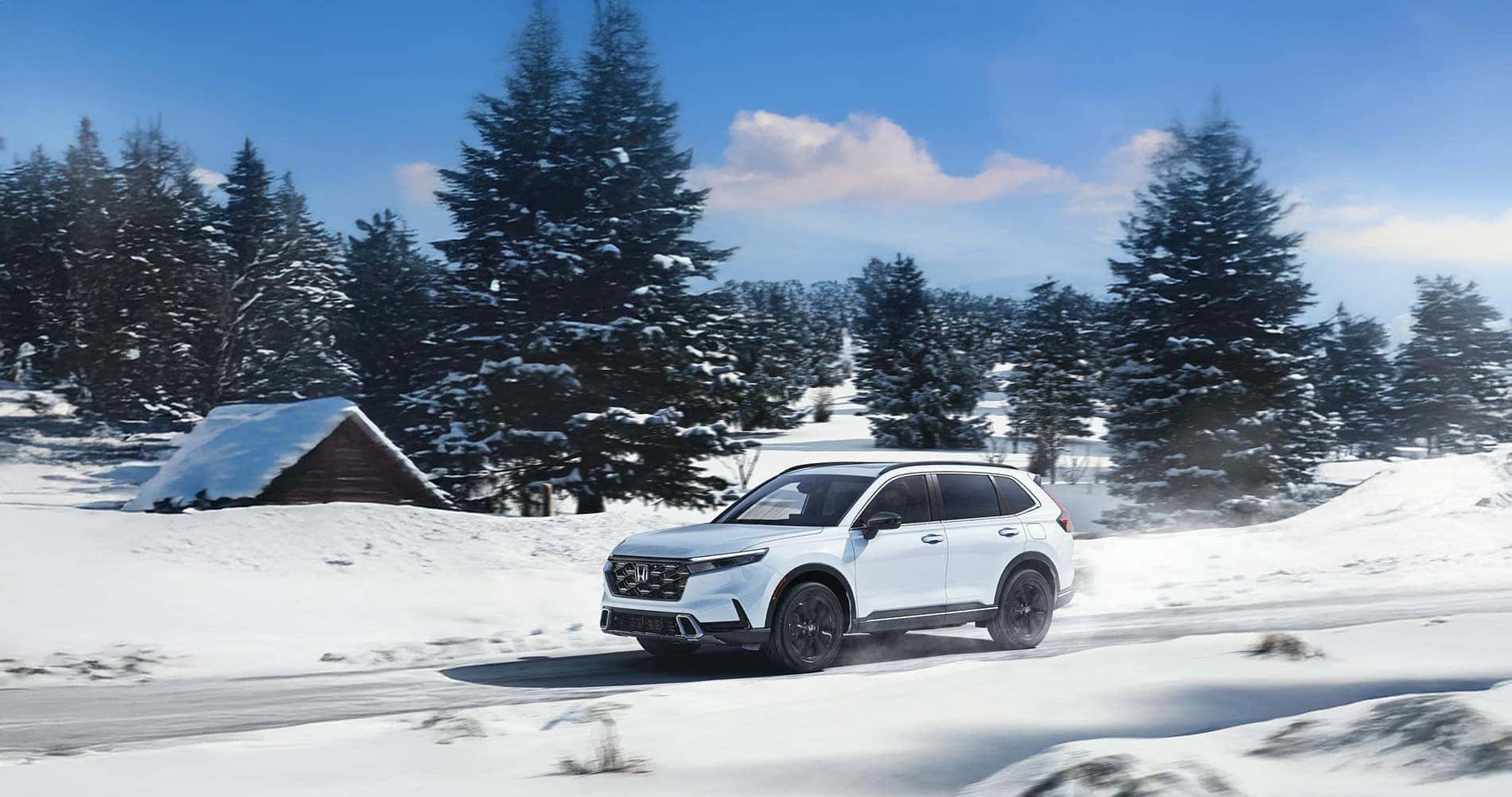
Mitsubishi Outlander is frequently celebrated in discussions about accessible AWD plug-in performance. In snow states, the appeal lies in its balance of utility and traction. For households that need room for gear, winter sports, and emergency supplies, an Outlander-style platform can feel like a dependable winter appliance—solid and not overly precious.

While exact trims and equipment vary by region, the general winter advantage remains consistent: AWD plus electrification improves your ability to manage slip, maintain momentum, and soften the feel of short commutes. In winter, that matters more than flashy specs.
How to Pick the Right One for Your Snow Routine
Before committing, ask a few targeted questions—some are practical, others oddly revealing.
• What’s your daily distance? If you regularly drive within a typical electric-capable window, you’ll enjoy smoother starts and less engine wear.
• Do you have reliable home charging? Without it, the plug-in advantage shrinks. You can still benefit from hybrid logic, but the “electric-first” experience becomes inconsistent.
• Are your routes hilly or flat? Hills test drivetrain management. Look for stable torque control during climbs on snow-packed grades.
• Do you park outside? Battery and thermal comfort matter more when the car spends hours exposed to freezing air.
Here’s the honest challenge: you can’t out-trick winter. But you can out-plan it.
Winter Setup: Tires, Driving Habits, and Emergency Preparedness
Even the best AWD plug-in hybrid can’t substitute for proper tires. If you’re serious about snow states, consider:
• Dedicated winter tires for predictable braking and traction.
• Proper tire pressure checks, since cold weather shifts pressure.
• Smooth inputs—gentle acceleration and early braking reduce traction drama.
Also, create a personal “winter kit” habit. A basic set—ice scraper, brush, warm blanket, flashlight, and traction aids—turns a surprise situation into a manageable one. When the unexpected arrives, calm is the real performance feature.
Conclusion: Drive Confidently When the World Turns Icy
Snow states don’t ask politely. They test traction, patience, and consistency. The best 2025 AWD plug‑in hybrids meet that challenge by pairing all-wheel confidence with electrified everyday comfort—especially for repeat commutes and short winter trips. Still, the winning experience depends on fit: your charging routine, your route texture, and your willingness to set up your car for winter reality.
So, can your car be a dependable winter navigator? With the right AWD plug-in hybrid—and the right winter preparation—it can. And that’s the kind of confidence worth plugging into.