The question arrives the way most great questions do: indirectly. You’re not asking whether a 2025 plug-in hybrid can work. You’re asking whether it can work in the way your life actually runs—without the tidy geometry of a private garage. Somewhere between “I can manage” and “I’ll regret it,” a quiet anxiety takes root. And then the deeper fascination appears: the 2025 PHEV isn’t merely an appliance on wheels. It’s a system you can live with, provided the charging reality matches your routine.
So, can you live with a 2025 PHEV without a garage? Yes—many drivers do. But “yes” comes with conditions, and those conditions are more interesting than the obvious ones. The obstacle isn’t just where the cable goes. It’s how you choreograph mornings, weather, and energy expectations. It’s also how you feel about uncertainty: the small administrative tasks that keep the power flowing.
First, define “without a garage”
Before you decide, sketch your charging topology. Ask: Where would the car rest most nights? Is there a stable outlet within reach? How often do you need to rely on fast charging versus overnight charging? If you can charge at home even intermittently, you’ll likely find the PHEV’s advantages more profound. If you must depend on public chargers, the learning curve becomes less about electricity and more about logistics.
The most common observation: “I can just plug it in”
People tend to say this confidently. The sentence sounds clean, but it hides assumptions. “Just” implies proximity and convenience. With no garage, distance matters. Cable length matters. Exposure to rain and cold matters. Even the height of an outlet cover or the routing path between the house and the car can turn a casual plan into a daily ritual.
Here’s the practical truth: a 2025 PHEV thrives when charging is boring. Boring is good. It means the battery’s state of charge returns to a predictable target after your workday ends. That predictability supports the PHEV’s central promise—using electricity where possible, then seamlessly falling back when needed.
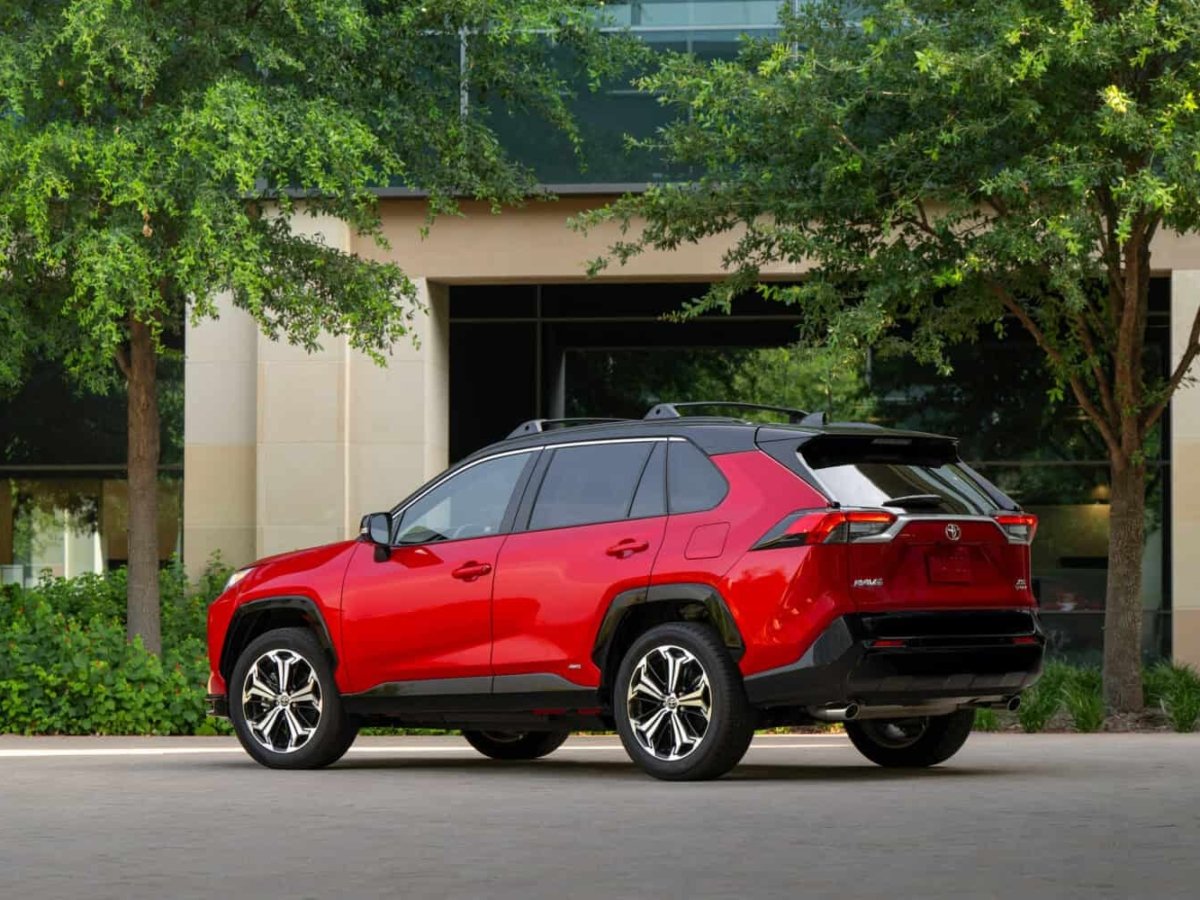
Outdoor charging: the real bottleneck is weather management
Cold weather changes everything, not dramatically, but enough to shift your habits. Battery performance can be influenced by temperature. Charging may take longer on certain days. Snow can alter cable routing. Heat can increase the time you spend planning around direct sun exposure. You aren’t just charging—you’re coordinating a small choreography between climate and chemistry.
If your parking spot is exposed, consider how you’ll keep connections safe. Use a properly rated outdoor-rated charging setup. Ensure the plug pathway avoids standing water. If you live where ice forms on driveways, leaving a cable in a puddle isn’t a style decision—it’s a risk decision. The PHEV can be elegant, but electricity punishes negligence.
In other words, the fascination with PHEVs isn’t only about reduced fuel use. It’s also about the way technology invites you to become a slightly more attentive steward of your environment.
Extension cords and “good enough” solutions: proceed with caution
The temptation is universal: “I’ll just use an extension cord.” This is where reality becomes less forgiving. Many extension cords are not designed for the sustained power draw associated with EV charging. Even if a cord “works,” it can degrade faster, overheat, or become unreliable after repeated outdoor exposure.
If you’re charging outside without a garage, it’s usually smarter to install a dedicated outdoor charging solution—often with weather-rated components and a proper circuit. The up-front cost can feel like a gate, but it’s also an investment in consistency. Consistency protects your routine. And your routine is where PHEVs win.
Electrical upgrades: the hidden lever behind “can I live with it?”
Some households already have the electrical capacity. Others do not. If your home panel is fully utilized or your wiring is older, a charging installation can require upgrades. This isn’t a deal-breaker, but it’s part of the narrative you must accept. Think of it as a quiet negotiation with your property.
A common deeper reason people hesitate is not the cost itself—it’s the sense of uncertainty. Will the install be easy? Will the electrician find something unexpected? Will local permits slow things down? For many drivers, the answer determines whether the PHEV feels like a seamless enhancement or an administrative burden.
If you’re open to a timeline adjustment—planning the installation before you need it—you’ll usually feel the anxiety dissipate. The best PHEV ownership is the kind where your charging plan doesn’t compete with your schedule.
Charging strategy without a garage: build a routine, not a hope
When you don’t have a garage, you can’t rely on “I’ll do it later” in the same way. Rain and temperature can become decision-makers. Morning busyness can interrupt charging sessions. So the routine matters more.
Consider a three-step approach:
- Daily baseline: Charge every night when possible, even if you don’t need a full battery. Consistency reduces range anxiety.
- Weather-aware timing: If cold snaps hit, schedule charging when electricity is most efficient and temperatures are less extreme.
- Trip calibration: Learn how far you typically drive and what portion is electric-only. Your PHEV becomes predictable once your patterns become measurable.
This is where the deeper fascination emerges. PHEVs invite personalization. Not in the marketing sense—in the lived sense. You stop “owning a car” and start managing a resource.
Public charging as a backup: helpful, but not always romantic
If home charging is limited or unavailable, public charging becomes your safety net. It can work, but it changes the ownership tone. Queue times, charger availability, payment apps, and station reliability introduce friction. That friction doesn’t make the PHEV wrong. It just means the car’s advantage is conditional.
Many drivers still love the experience. They enjoy planning around charging locations the way people plan around grocery stores. That said, public charging is rarely as “effortless” as home charging, especially when you’re juggling weather and time.

Security and cable management: the underestimated daily friction
When a car sits outside, security concerns become more prominent. A charger cable is a visible object. It can be tempting to leave it connected and vulnerable, particularly overnight. Some drivers solve this with a thoughtful mounting solution or a dedicated outdoor charging setup that minimizes exposure.
Even if your area is low-crime, your mindset matters. The PHEV should create comfort, not vigilance. The goal is to reduce mental load. If charging turns into a daily anxiety loop—checking weather, worrying about access, managing hardware—you’ll feel the difference quickly.
Who should buy a 2025 PHEV without a garage?
A 2025 PHEV without a garage is an excellent fit if you have:
- Reliable access to an outdoor outlet or a feasible path for a proper installation.
- A consistent parking location close enough to make cable logistics simple.
- The willingness to adopt a routine and respect weather considerations.
It may be less ideal if your situation is purely street parking with no dependable charging access. Not because the PHEV can’t function there. It can. But the experience tends to become more dependent on external infrastructure, which dilutes the “plug-in lifestyle” appeal.
Bottom line: you can live with it—if you design the setup
Living with a 2025 PHEV without a garage is absolutely possible. The real question isn’t whether the vehicle can be charged. It’s whether your charging environment supports an uncomplicated routine. When the setup is safe, weather-ready, and predictable, the PHEV becomes quietly gratifying. You get the smoothness of electric driving for daily errands, the assurance of hybrid flexibility for longer routes, and the satisfying sense of operating with intention.
The deeper lesson is this: PHEVs are less about convenience theater and more about personal infrastructure. When you align your home, weather, and habits, the “no garage” situation turns from a limitation into a manageable reality. And once it’s manageable, it’s strangely compelling—the kind of ownership that feels less like a compromise and more like a new rhythm.