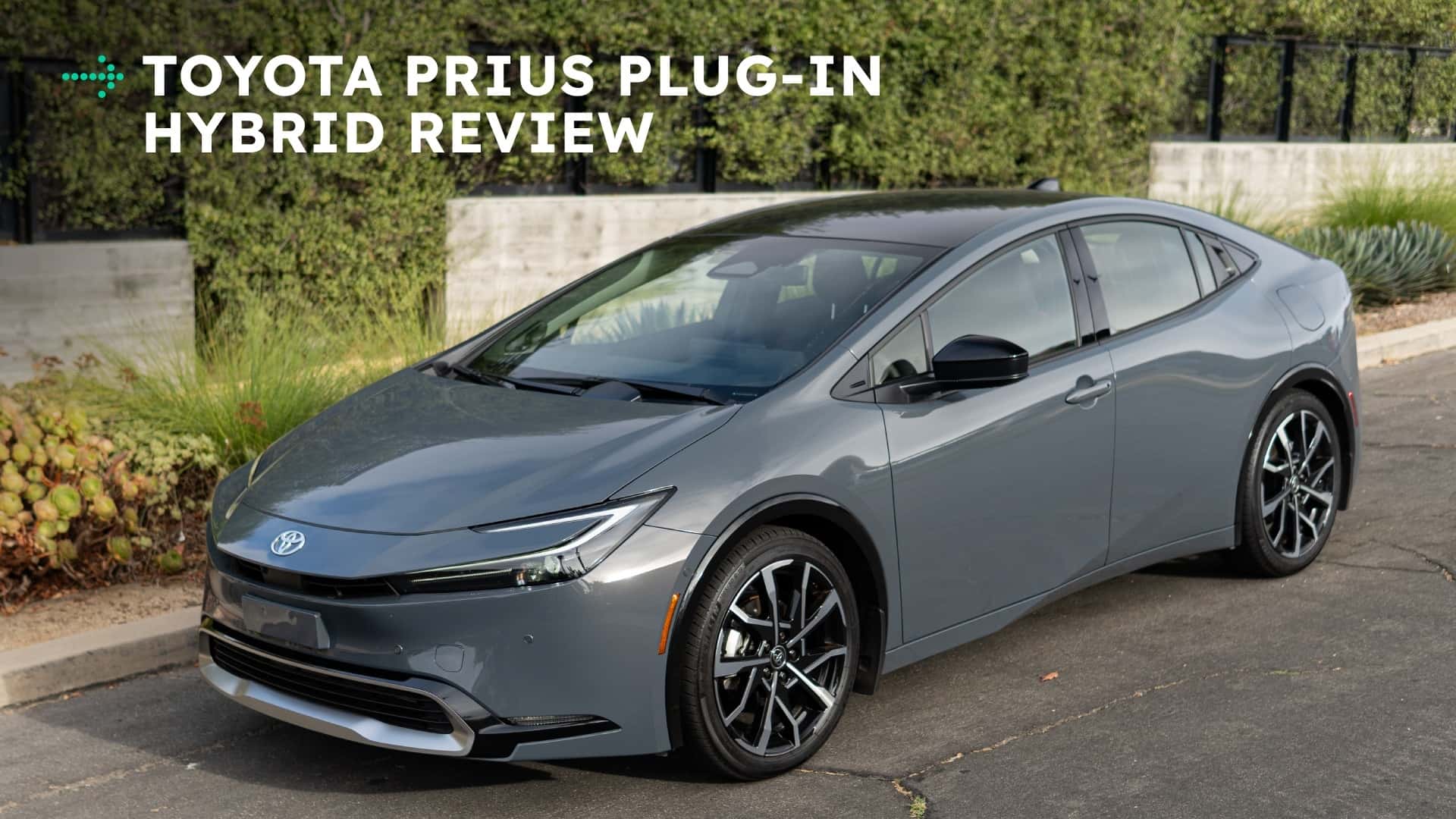
You’re standing at the showroom threshold with a fresh-in-the-mind question: Could a plug-in hybrid be the perfect “in-between” step? After all, it promises the best of two worlds—electric city motoring without the anxiety of relying solely on charging infrastructure. But then comes the mischievous twist. What if “best” turns out to mean different things depending on your routine, your expectations, and your tolerance for planning?
A first-time PHEV purchase can feel like choosing a new culinary style: exciting, slightly unfamiliar, and full of potential—until you realize you need the right ingredients. In this guide, you’ll find a thoughtful, end-to-end approach to picking the best 2025 plug-in hybrid for first-time buyers, along with the practical hurdles that can surprise even enthusiastic drivers. One car might suit your life perfectly. Another might look stellar on paper and still feel oddly out of sync.
Let’s make the choice feel less like a leap and more like a well-rehearsed plan—complete with the occasional plot twist.
Why a 2025 PHEV Can Be a Smart First Step (and Why It’s Not Always Simple)
Plug-in hybrids are designed for people who want electric driving for everyday trips, while keeping a gasoline engine as a safety net. For many buyers, that’s the real magic: you can commute on electricity, then switch to hybrid mode for longer journeys without searching for a charger like a detective in a noir film.
However, “simple” is where the challenge creeps in. A PHEV isn’t merely a car—it’s a habit. If you consistently plug it in, it can feel effortlessly efficient. If you forget, delay, or rely on “I’ll charge later,” the fuel-economy story can shrink faster than a roadside puddle in summer.
So the best first-time pick depends on one key factor: will charging become second nature?
Pose the Right Question: What Does Your Week Actually Look Like?
Before comparing models, map your typical week. Think in patterns, not fantasies. What’s your daily distance? How often do you do errands within a small radius? Do you have predictable routes or spontaneous detours?
Here’s the playful challenge: try estimating your average driving as if you were watching it from the outside. Then ask whether your “electric-ready” days match the car’s strengths. Many PHEVs are most impressive when you charge regularly and drive short-to-medium distances between charges.
If your routine is mostly urban, stop-start friendly, and ripe for low-speed efficiency, a PHEV can feel like a quiet superpower. If your week is dominated by long motorway stretches with few chances to charge, you may be happier with a different category—or at least with a PHEV that has strong hybrid efficiency when the battery is depleted.
Choosing the “Best” 2025 Plug‑In Hybrid: The Criteria That Matter
Let’s translate “best” into measurable qualities. For first-time PHEV buyers, these categories are worth prioritizing:
1) Real-world electric range: Not the brochure number—your likely range based on weather, speed, and driving style. Cold mornings and high-speed driving can whittle available electric miles.
2) Charging practicality: Do you have access to home charging, or will you depend on public chargers? Battery sizes vary, but your ability to keep the charge topped up is often the difference between “great” and “fine.”
3) Powertrain behavior: Smoothness matters. A PHEV should transition between electric and hybrid modes with minimal drama. If it feels busy—revving unexpectedly or hunting between modes—you may tire of it.
4) Usability and controls: A good interface helps you plan. Look for intuitive energy screens, clear charging targets, and driver settings that prevent accidental inefficiency.
5) Comfort and visibility: A plug-in hybrid isn’t just about efficiency. If it’s uncomfortable or awkward to live with, you’ll notice every day.
Where First‑Time Buyers Get Tripped Up: The “Charge-Plan Gap”
This is the hidden villain of PHEV ownership. People often assume that plugging in is a minor step. In reality, it’s the hinge on which the whole story swings.
If you charge at home, the habit can be almost automatic. If you rely on public charging, you’ll need a strategy: where you charge, how long you wait, and how reliable the network is where you live.
Practical challenge: decide what happens when you’re running late. Will you still plug in? Will you use a nearby charger next day? A PHEV can be forgiving, but it won’t be magically efficient if it’s never charged.
Consider setting a “default charging routine,” even if it’s simply parking at the same spot and plugging in as part of your routine. It sounds mundane. It works.
Best-Fit Types: Which PHEV Suits You—Calm Commuter or Long‑Haul Strategist?
Some PHEVs shine when their batteries are frequently replenished. Others are more tolerant when they aren’t. First-time buyers should choose based on temperament.
Calm commuter fit: If your typical trips are short and urban-heavy, look for a model with a strong electric-only experience and dependable charge-ready features. The electric motor can make daily driving feel smoother, quieter, and surprisingly “light on its feet.”
Long-haul strategist fit: If you often drive longer distances, prioritize overall efficiency when battery charge is depleted. Also pay attention to whether the gasoline engine and hybrid system feel well-matched on highways.
Either way, the “best” option is the one that matches your real behavior—not your best intentions.
Charging 101 for 2025: Home, Public, and the Reality of Daily Life
Let’s make charging feel less like a mystery and more like an everyday task. Home charging is usually the most convenient. It allows you to wake up with a full or ready-to-go battery, turning the PHEV into an electric car for many of your start-of-day miles.
Public charging can work too, but it introduces variability: congestion, broken stations, and time constraints. If public charging is your primary method, consider how often you’ll actually be able to plug in.
Image idea:

Even without a perfect charger scenario, you can reduce frustration by choosing a car with good energy management features and a user interface that clearly communicates charge status.
What to Look For in Reviews and Test Drives: Feel, Not Just Figures
Numbers matter, but a test drive reveals the subtleties. Pay attention to throttle response in electric mode. Listen for how the engine sounds when it starts. Notice whether the vehicle feels composed while it switches power sources.
Also test the “transition moments.” A PHEV shouldn’t feel like it’s thinking too hard. It should adapt gracefully as your speed changes and as battery levels shift.
Practical checklist for a test drive:
1) Take a short route that includes stop-start traffic.
2) Drive a segment at steady speed to see how it behaves under mild load.
3) Try any “battery hold” or “charge management” mode if available—understand what it does and why.
Short sentences, long impressions: the car you like is often the one you’ll keep efficient without constant effort.
How to Avoid the “Paper Winner” Trap
Sometimes a model looks unbeatable on performance charts or headline range. Yet real ownership depends on compatibility between vehicle capability and buyer behavior.
If you rarely plug in, the advantage of an electric-first setup diminishes. If your driving is consistently high-speed, electric range may evaporate quickly. And if charging is uncertain, the emotional confidence that comes from a reliable electric routine can vanish.
Challenge reframed: Don’t ask, “Which PHEV is best?” Ask, “Which PHEV can stay best in my world?”
Making the Ownership Experience Effortless: Habits That Pay Off
Efficiency doesn’t require obsession, but it does require a few intelligent habits:
Use planned charging: If the car supports it, schedule charging to match your needs and avoid unnecessary delays.
Precondition smartly: In cold weather, preconditioning can help preserve electric performance.
Know your mode preferences: If the system offers “EV priority” or “hybrid priority,” choose what aligns with your usual route.
Think of your car as a partner that responds best to communication. The more you align your routine with its design, the more it rewards you.
Conclusion: The Best 2025 PHEV Is the One That Fits Your Lifestyle
Buying a plug-in hybrid for the first time is exciting—and yes, it can come with a few playful hurdles. The true challenge isn’t understanding the technology. It’s syncing the car’s strengths with your charging habits and driving reality.
Choose the best 2025 PHEV by prioritizing practical electric range, intuitive charging support, smooth powertrain transitions, and comfortable everyday livability. Then, set yourself up for success with a simple routine that makes plugging in feel natural.
When the fit is right, you’ll stop thinking about the “in-between” aspect entirely. The PHEV becomes just your car—quietly efficient, pleasantly flexible, and ready for whatever your week decides to throw at you.