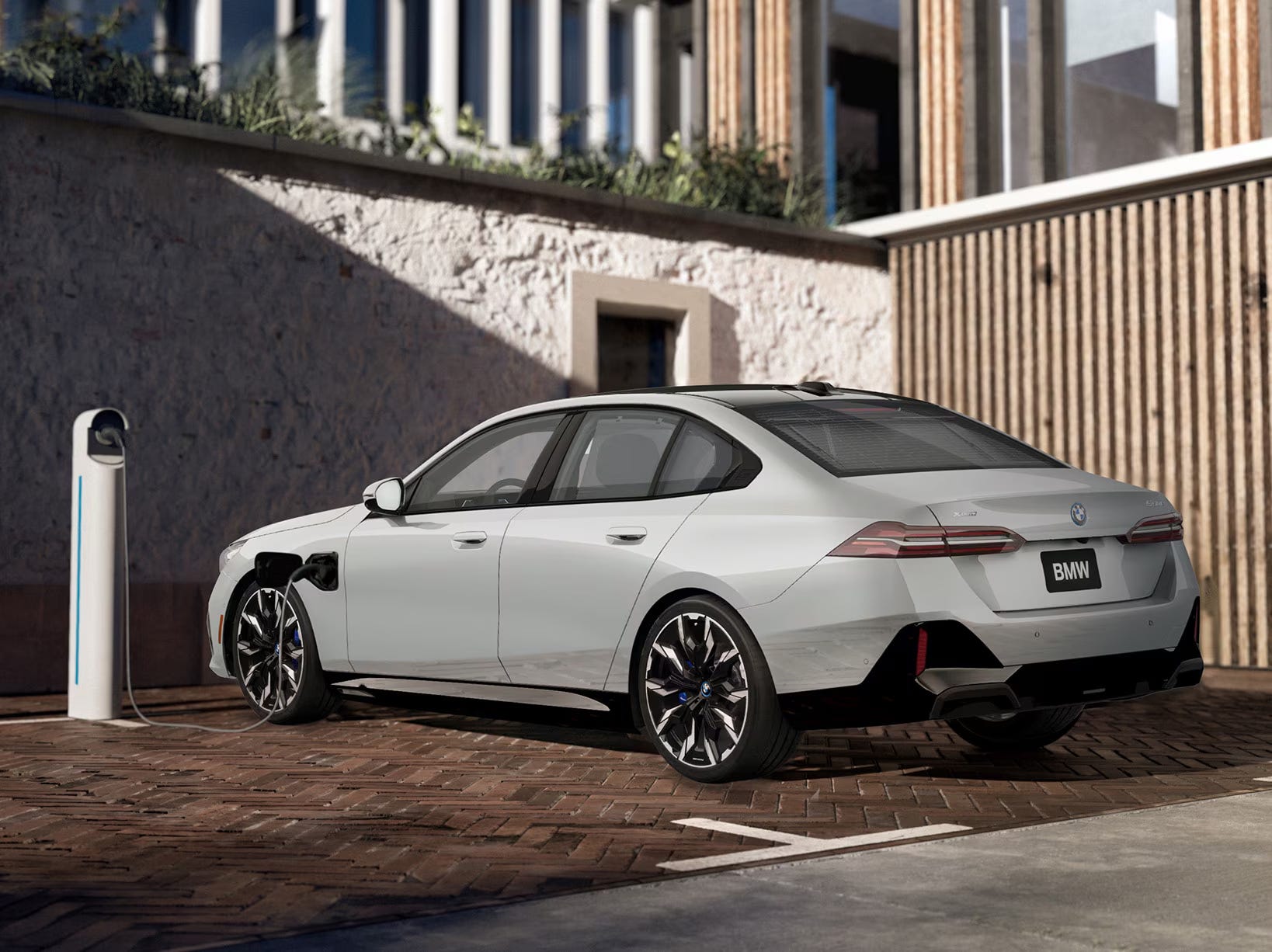
Plug-in hybrids have a peculiar superpower: they make the future feel negotiable. One day you glide through town on electrons so quiet they almost feel like an urban secret; the next, you switch to gasoline without drama and still keep moving. That duality is exactly why the fascination sticks. People notice the seamlessness first, then they start asking a deeper question—why does this particular blend of powertrain talent feel so cleverly human? The answer lives in the way you budget, the way you drive, and the way technology is now calibrated to reward everyday behavior.
In 2025, the category is richer than ever, yet it’s easy to fall into one common observation: “Plug-in hybrids are all basically the same.” They are not. Battery capacity, charging convenience, electric-only range, efficiency under real traffic conditions, and even how the car manages engine/generator transitions—these details determine whether your ownership story becomes a calm routine or a perpetual compromise. Below is a guided tour of the best 2025 plug-in hybrids organized by budget, with the nuance that turns buying from a checklist into a long-term relationship.
Why the budget conversation is really a charging conversation
A number can look decisive on paper, but the lived experience often hinges on whether you can charge consistently. A plug-in hybrid can be engineered for greatness and still disappoint if your routine makes charging inconvenient. The deeper fascination lies in how the car “learns” your patterns—sometimes through onboard software logic, sometimes through your habits, and often through a subtle dance between both.
For many drivers, the true “budget” is not just the sticker price; it is the monthly cost of energy, the ease of home charging, and the patience required during the first few weeks of adaptation. When those elements align, plug-in hybrids become remarkably forgiving. Short commutes feel like electric mornings. Weekend errands become low-friction. Longer journeys remain possible without anxiety.
Entry-level excellence: the practical plug-in hybrid sweet spot
If your budget is on the conservative side, your best strategy is to prioritize usability rather than chasing headline performance. Look for a model with an efficient powertrain, a realistic electric-only range for daily trips, and a charging setup that won’t make you feel like you’re negotiating with your own driveway.
In this tier, the most satisfying cars are the ones that keep electric driving accessible even when temperatures swing. Some plug-in hybrids handle cold starts and cabin warming with better energy stewardship, which matters more than many expect. The result is fewer “forced engine” moments and a more consistent electric rhythm.
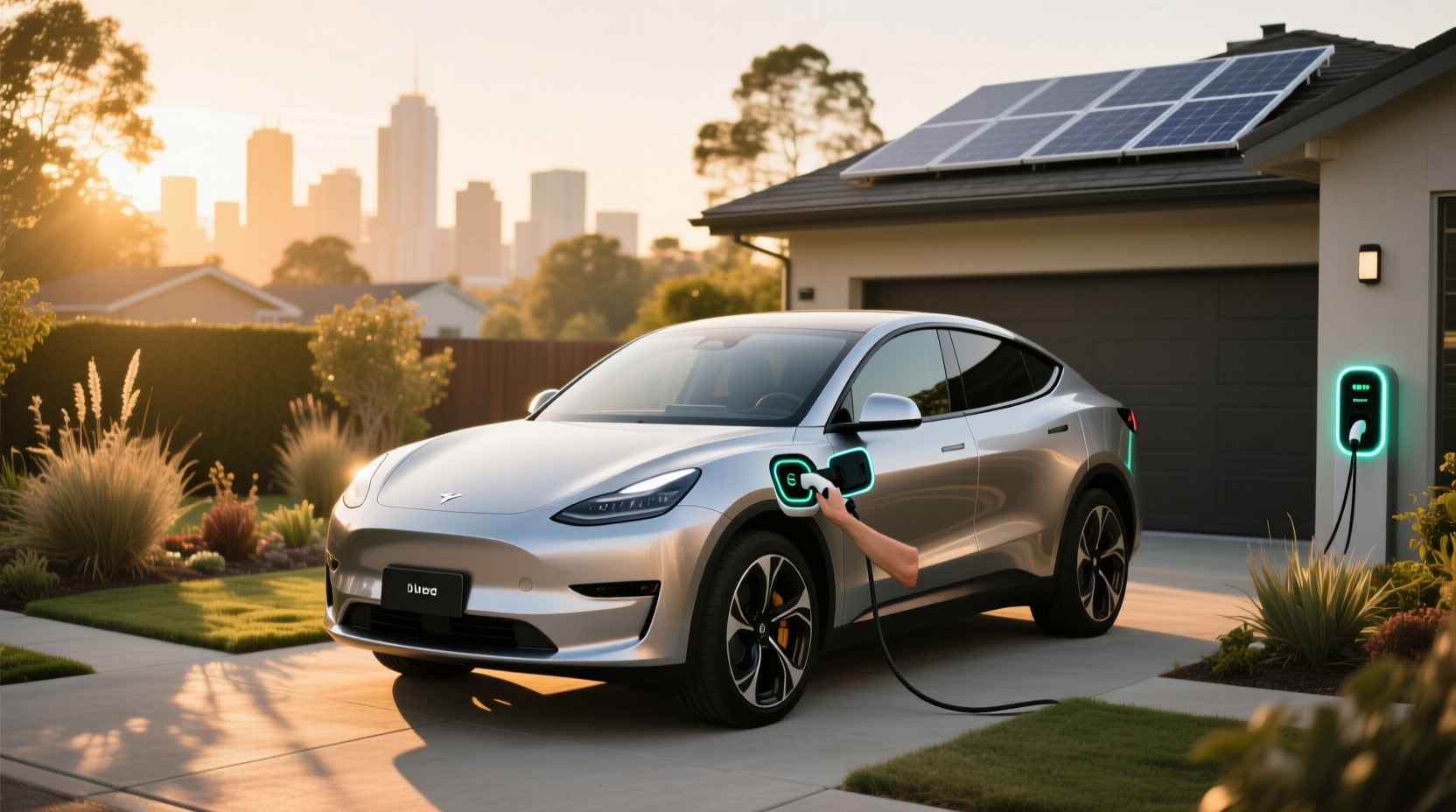
What to check before you commit:
1) Whether the manufacturer supports convenient charging schedules and clear status readouts.
2) How the vehicle behaves when the battery is low but still above zero—some systems preserve efficiency better than others.
3) The size and usefulness of the trunk area, since plug-in packaging can vary dramatically.
Mid-range value: when refinement becomes the real upgrade
Move up a notch and refinement starts to matter as much as pure capability. Here, plug-in hybrids often offer improved thermal management, more intuitive drive-mode logic, and better integration between the motor and engine. That integration is where the magic becomes noticeable—not as a gimmick, but as a kind of mechanical choreography.
At this budget level, many buyers start caring about how the car responds at moderate speeds. In real life, most of your driving is neither racing nor idling. It’s rolling traffic, stop-and-go, and short accelerations. A well-tuned plug-in hybrid can make those moments feel smooth, with fewer jerks and less “gear hunting” behavior. The car’s transition strategy—how it decides when to run the engine, when to regenerate, and how it balances power—becomes a quiet comfort feature.
Deeper reasons to love this tier: Mid-range cars tend to make electric driving feel normal rather than occasional. They also tend to pair better infotainment clarity with energy displays, so you can understand what the car is doing instead of guessing.
High-end ambitions: performance, comfort, and the confidence of power blending
At the upper end, plug-in hybrids transform from efficient commuters into capable all-rounders. The appeal is partly emotional—clean acceleration, quieter cruising, and a more planted feel. But it’s also functional. Premium plug-in systems often use stronger traction control strategies, more sophisticated power distribution, and improved suspension tuning for the combined torque profile.
Charging sophistication can also improve. Some models in this range are better at maximizing charge acceptance at convenient times, minimizing energy waste and helping you arrive with a fuller buffer. That buffer is what turns long trips into relaxed drives rather than “range planning” exercises.

Consider these high-end buying cues:
• Electric launch feel: not just speed, but how steadily power ramps.
• Regenerative braking calibration: smoother regen can reduce driver fatigue.
• Cabin efficiency: premium insulation and heat management can protect your electric range in colder months.
One size rarely fits: choosing the right electric range for your actual life
Electric range isn’t a trophy; it’s a compatibility puzzle. People often shop by a single number, but the more important question is whether the range matches your calendar. If your daily drive is short and you can charge at home, you’ll experience frequent electric commutes. If your routine is mixed and charging is less predictable, you’ll benefit from a plug-in hybrid that still achieves excellent efficiency even when the battery is depleted.
That’s why two cars with similar stated range can feel wildly different. Real-world range depends on weather, speed, tire choice, passenger load, and even your driving style. The deeper fascination is that the car can become a mirror of your routine—its energy flow patterns reveal your habits.
Reliability and longevity: what “best” really means over time
When buyers talk about the “best” plug-in hybrid, they often mean performance. Yet long-term owners care about steadiness: how consistently the vehicle starts, how predictably it manages charging, and how gracefully it ages. Since plug-in hybrids involve both an electric system and an internal combustion engine, the goal is harmonious durability across both.
To evaluate reliability, consider factors such as battery warranty terms, service accessibility, and documented ownership experiences. Also pay attention to software update policies. Modern plug-in hybrids can improve through refinement updates—adjusting energy management, charging behavior, and efficiency logic.
There’s a reason people keep gravitating back to plug-in hybrids after a first purchase. They tend to become familiar faster than expected. The transition between electricity and fuel can feel almost invisible, and that invisibility is often the hallmark of a system designed to last.
Charging strategies: how to squeeze value from every kilowatt
Home charging can turn a plug-in hybrid into a low-cost daily driver. But even without home charging, you can still make the math work. Plan charging like a daily ritual: top up when convenient, avoid deep discharge, and use scheduled charging to benefit from off-peak rates where available.
Also consider cable management, charging station reliability, and how the car’s interface communicates progress. A clear energy app can help you avoid the frustrating guesswork that turns ownership into administrative labor.
Making the right choice: a budget-to-fit checklist
Choose based on how you live, not how you dream. Start with your most common driving scenario: short commutes, mixed errands, or longer highway days. Then align that with charging opportunities.
Quick checklist:
• Commuting distance: will you usually drive on electricity?
• Charging availability: can you reliably plug in?
• Preferences: do you want comfort-first refinement, or more performance-led responsiveness?
• Total value: consider maintenance expectations and efficiency trends, not just purchase price.
Outro: the quiet thrill of driving with options
The best 2025 plug-in hybrids share a single trait: they make choices feel effortless. That is the fascination. In a world where costs, climate, and convenience constantly negotiate with one another, plug-in hybrids offer a practical truce—electric driving when it’s convenient, fuel confidence when it matters. Whether your budget is modest or ambitious, the right model can turn every drive into a small, satisfying experiment in balance.
When you match the vehicle to your charging reality and your driving patterns, the decision stops feeling like compromise. It becomes something rarer: momentum with manners.