Some vehicles feel like machines. Others feel like declarations. The Kia EV9 and the Tesla Model X belong to that second category—three-row electric SUVs that don’t merely carry passengers; they carry expectations. In this corner, the EV9 arrives with an air of grounded confidence, like a well-built lodge in the hills—warm, deliberate, and ready for long evenings. In the other corner, the Model X glides in with the aura of a tech pavilion—sleek, futuristic, and humming with possibility.
Both are electric, both are family-capable, and both chase the same dream: space without compromise. Yet they approach that dream with different metaphors. One designs for togetherness. The other designs for acceleration of the imagination. To understand the contrast, it helps to look at what each vehicle treats as the real treasure—cargo room, passenger comfort, driving character, and the everyday rituals of ownership.
Three Rows, Two Philosophies
A three-row SUV is often sold as “space.” But space is only the stage; the show is comfort and accessibility. The Kia EV9 approaches its cabin like a welcoming interior landscape. The Tesla Model X treats its cabin like a high-tech sanctuary where convenience is engineered into the choreography.
In practice, both can accommodate families and groups. Still, they differ in how they invite people in and how they support the rhythm of daily life—morning drop-offs, weekend road trips, and the in-between moments where the third row either becomes an ally or a forgotten backup plan.

Space That Feels Like a Room, Not Just a Measurement
Dimensions matter, but the most important measurement is how the cabin behaves. The EV9 and Model X present their own interpretations of roomy practicality. The EV9’s interior architecture favors an organized, walk-in feel—more like stepping into a modern living space with seats that adjust the layout rather than just filling volume.
The Model X, meanwhile, leans into an experience where tech and design shape the perception of space. Even when the numbers are close to peers, the sense of openness can differ depending on visibility, door design, and how the seating positions encourage movement through the vehicle.
Think of it this way: the EV9 often reads as “a house with good circulation.” The Model X often reads as “a sleek studio with gravity-defying details.” Either can host your family. The question is which environment your passengers will enjoy inhabiting day after day.
Entry, Exit, and the Human Choreography
For a three-row SUV, doors are not a footnote. Doors are choreography. They determine whether getting kids in and out feels like a quick sequence or a slow negotiation with the universe.
The EV9 emphasizes straightforward access and intuitive positioning. Its proportions and interior flow aim to reduce friction—especially for passengers entering the second and third rows. Families often feel this immediately: less time wrestling with space, more time settling in with snacks, chargers, and the gentle sound of tires on pavement.
The Model X, in contrast, carries a reputation for dramatic functionality, including doors that can dramatically change how passengers experience entry. That spectacle isn’t only visual. It can also simplify access and make loading feel more effortless, particularly in tight parking situations—though it depends on environment and usage patterns.
In both cases, the real question isn’t whether the features exist. It’s whether the layout and door behavior match the way your household moves—quick runs, school schedules, and the frequent “just one more stop.”
Comfort Across the Rows
Three-row comfort is a balancing act: the second-row should feel like a throne, the third row should feel like a compromise that doesn’t punish, and the overall cabin should stay calm under pressure.
The EV9’s comfort philosophy leans toward supportive seating and a family-friendly atmosphere. It’s designed to keep the cabin feeling cohesive even when filled. The second row tends to feel like the center of gravity, while the third row aims to be usable—an essential trait for families who don’t want occasional spectatorship from back-seat passengers.
The Model X offers a different flavor. It tends to feel premium and airy, with a tech-forward ambiance that can make long journeys feel less like “travel” and more like “time well spent.” When the third row is used regularly, the experience is often judged by headroom, legroom, seat shape, and the ease of finding comfortable seating angles. The Model X’s reputation suggests it tries hard to deliver that experience with modern design language.
Ultimately, comfort isn’t only cushioning. It’s noise levels, climate feel, visibility, and the way lighting and materials reduce fatigue over hours.
Electric Performance: Power With Different Personalities
Electric SUVs are often compared on numbers—range ratings, horsepower, acceleration. Yet the sensation behind those numbers tells a more meaningful story.
The EV9 generally feels like a confident SUV that prioritizes stability and drivability. It’s built for the kind of power that helps you merge confidently, tow with assurance (where applicable), and cruise without constantly thinking about the throttle. Its personality is more “steady expedition.”
The Model X often feels like a technology platform that happens to move. Acceleration and responsiveness can feel immediate, almost conversational. It’s less about slow confidence and more about thrilling momentum—the sensation that your vehicle is ready to participate in whatever the road demands next. Its personality is more “electric theatre.”
Neither approach is inherently better. One suits families who want effortless calm. The other suits families who want excitement embedded in daily driving.
Infotainment and the Cabin’s Mental Landscape
Every electric vehicle comes with a digital layer, but the experience varies. The EV9 tends to emphasize a more traditional, driver-centric interface with modern conveniences. The result can feel less overwhelming—like a cockpit you learn quickly, where technology supports rather than distracts.
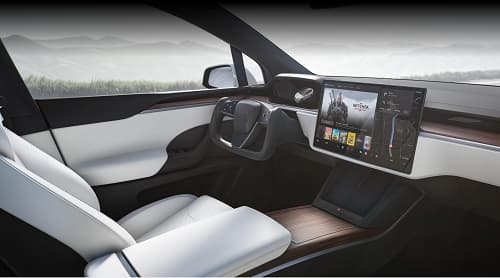
The Model X leans into a minimalist, tablet-like approach where the cabin becomes an extension of your digital life. This can be intoxicating for tech enthusiasts. It can also change the way passengers perceive time inside the vehicle—less “driving household,” more “connected lounge.”
For families, the practical concern is what happens during real life: navigating, charging plans, media access for rear passengers, and the ease of controlling climate zones. The best infotainment is the one that stays out of the way until you need it.
Range, Charging, and the Psychology of Planning
Range isn’t just an engineering target. It’s a mental model. When you own an EV, you’re constantly negotiating distance versus energy. The EV9 and Model X both offer electric convenience, yet their ownership experiences can feel different depending on charging habits.
The EV9 often appeals to those who want predictable family trips and a straightforward approach to planning—charging as routine, not ritual. The Model X appeals to those who enjoy integrating charging into a broader ecosystem of connected convenience. The deciding factor becomes where you charge most: home, workplace, or on-road fast charging.
If your life is mostly local, home charging can make either vehicle feel effortless. If your calendar includes long weekends and frequent road travel, you’ll likely evaluate fast-charging performance, route planning, and the practicality of charging stops with the same seriousness you’d give to restroom planning on a long drive.
Design Appeal: Rugged Warmth vs. Futuristic Elegance
The EV9’s visual presence is substantial but inviting. It feels like a well-composed SUV with an architectural stance—broad shoulders, confident surfaces, and a sense of permanence. It’s the kind of design that looks good parked outside a grocery store and even better at a trailhead.
The Model X draws attention the moment it appears. Its design language is sharper, more dramatic, and deeply entwined with the idea of advanced technology. It often looks like it’s arriving from tomorrow, even when it’s parked right next to ordinary cars.
Choose the one whose aesthetic matches your life. A family that values steady comfort may prefer the EV9’s grounded elegance. A family that loves the wow factor may find the Model X’s futurism hard to ignore.
Which One Fits Your Family Story?
So how do you decide between a three-row electric SUV that feels like an expedition vehicle and one that feels like a rolling tech statement?
If your priority is an approachable, family-first cabin with intuitive usability, the EV9’s design philosophy can feel like a comfortable handshake. It’s a vehicle that invites routine without resentment. If your priority is a premium, futuristic experience with a tech-forward identity—and you enjoy the thrill of electric performance and distinctive features—the Model X may feel like a match lit in bright neon.
Think of it as choosing the tone of your family’s soundtrack. The EV9 might be your steady, warm playlist—the songs you reach for automatically. The Model X might be your high-energy playlist—tracks that make you grin before you even press play.
Final Thoughts: Two Roads, One Destination—Family Ease
The Kia EV9 and Tesla Model X are both three-row electric SUVs built for families who want modern capability without sacrificing togetherness. Yet they differ in emotional temperature. The EV9 brings a sense of welcoming structure. The Model X brings a sense of futuristic wonder.
Ultimately, the best choice is the one that fits your daily rituals and your future travel plans. When you consider space, access, comfort, driving feel, and the charging routine that will become your new normal, the answer stops being abstract. It becomes personal.
Whether you choose the EV9’s grounded charm or the Model X’s electrified charisma, you’re not just buying a vehicle. You’re selecting the kind of journey your family will step into—again and again.