For years, the phrase “charging compatibility” sounded like a technical footnote—something you only worried about on day one. Then, quietly, the landscape shifted. A connector that once felt like a choice is now becoming an ecosystem. The question is no longer merely which plug, but which network. In 2025, that distinction is where curiosity turns into conviction. CCS and NACS are both credible standards, yet their real-world meaning diverges when you zoom in on Tesla Supercharger access.
What follows is not a checklist. It’s a guided change of perspective—an attempt to see EV charging as infrastructure, not hardware. Because when chargers become destinations, the connector becomes the map.
CCS vs NACS: Two standards, two philosophies
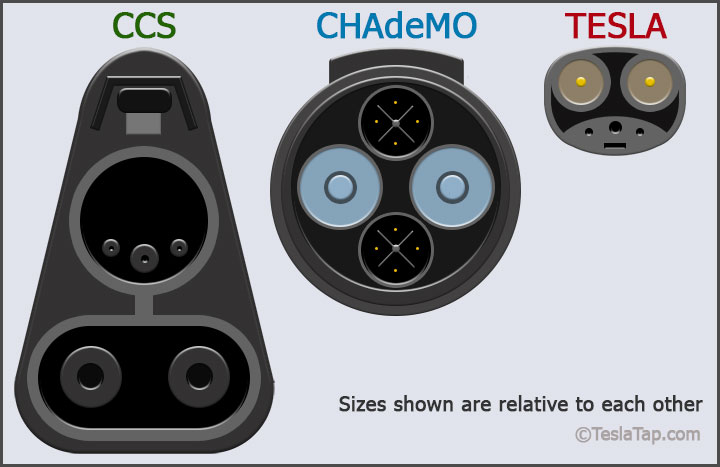
CCS (Combined Charging System) and NACS (North American Charging Standard) share a common goal—delivering fast DC power to EVs. But they carry different design assumptions and, more importantly, different network relationships. CCS has long been the widely recognized convention across much of the U.S. and Europe. NACS, associated with Tesla, gained momentum by pairing a streamlined connector with an aggressive rollout of charging sites.
Here’s the subtle part: the connector is only the surface. The real story is about how effortlessly an EV can plug into a place where charging is predictable, dense, and—this is the term that matters—operationally legible. Tesla Superchargers have built a reputation for clarity: location visibility, reliability expectations, and a charging experience that feels almost routine.
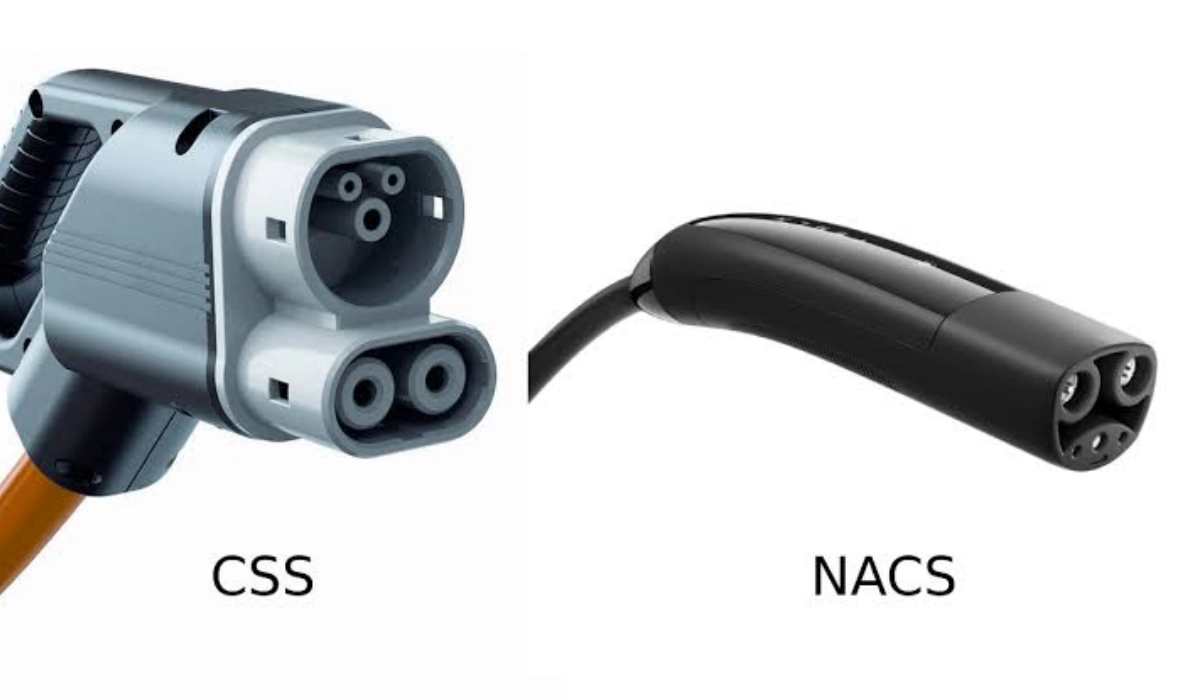
So, the comparison in 2025 is less about which standard is “better” in isolation. It’s about which standard offers the shortest psychological distance between arriving and leaving.
Why Supercharger access changes the EV buying calculus in 2025
Most EV shoppers first learn charging through math: miles of range, charging speed, and cost per kWh. Those numbers matter, but Supercharger access introduces another layer—expectation management. When a network is broad and behaviorally consistent, drivers stop treating charging like a contingency and start treating it like scheduling.
In 2025, this is where NACS begins to cast a long shadow. Tesla’s network is not just a pile of chargers; it’s a choreography of site planning, uptime discipline, and user experience. That choreography influences trip planning and reduces the mental overhead of “Will I be able to charge quickly enough?”
CCS owners, meanwhile, may enjoy excellent charging elsewhere. Yet they may also feel the occasional friction of fragmentation—different ports, different app ecosystems, different roaming experiences. That friction isn’t always dramatic. But over thousands of miles, small interruptions become noticeable.
What “Tesla Supercharger access” actually means
Supercharger access can sound like a single switch, but it can be more nuanced in practice. Access might involve direct compatibility (an EV with NACS), or it might involve an adapter pathway (an EV with CCS that uses an approved method to connect). The difference between these pathways affects convenience and, occasionally, the smoothness of day-to-day charging.
In 2025, the conversation is increasingly about assurance. Drivers want to know that when they pull into a Supercharger bay, the process will behave predictably. That’s why the presence of NACS ports on certain 2025 EVs is more than an engineering detail—it’s a signal that the network integration is designed to be low-friction.
NACS in 2025: Which EVs are positioned to feel “native” at Superchargers?
The most compelling story for NACS in 2025 is not simply that more cars are adopting it. It’s that adoption is clustering around a practical outcome: a more direct path to Tesla’s charging infrastructure.
When an EV is built around NACS, the charging workflow tends to be simpler. Fewer moving parts. Less dependence on workaround layers. Fewer moments where a driver wonders if the ecosystem glue is fully engaged. This is where curiosity becomes clarity: even people who don’t consider themselves early adopters begin to notice the benefits of integration.
2025’s NACS trajectory suggests a widening set of brands will align with Tesla’s connector ecosystem, aiming for Supercharger access that feels less like improvisation and more like routine logistics. Some models may arrive with straightforward native compatibility, while others may bridge the gap through standardized adapter methods—still functional, but with a different emotional texture.
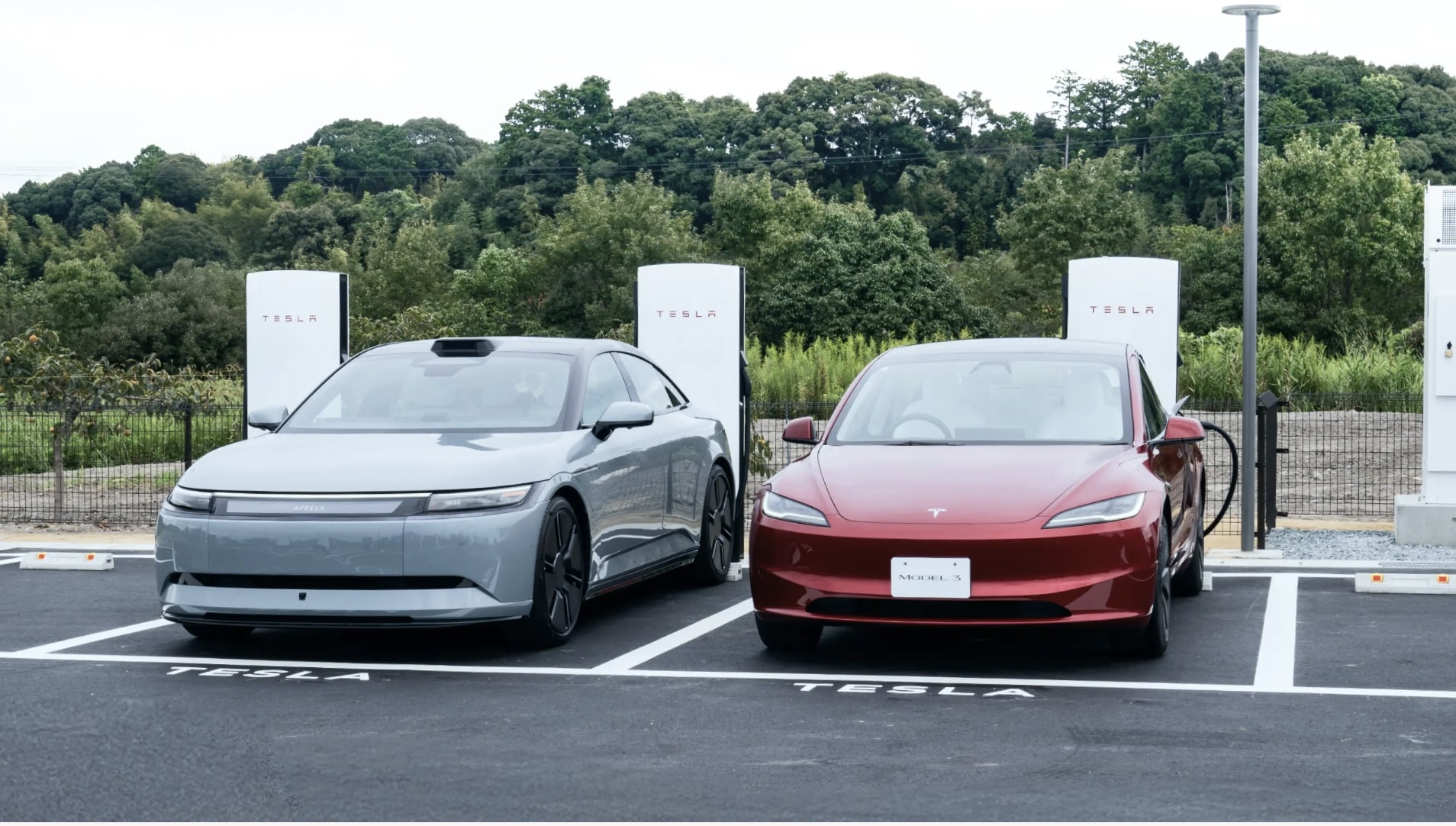
The key shift is mindset: instead of viewing charging as a fragmented collection of networks, drivers begin to see it as a unified map of options—with Tesla’s Supercharger network acting as a major north star.
CCS in 2025: Do CCS EVs still get meaningful Supercharger access?
CCS is not disappearing. It remains entrenched in the current fleet, and many 2025 vehicles still rely on it. For those owners, Supercharger access can still be meaningful, but the experience can depend on adapters, compatibility updates, and the specific implementation supported by each vehicle.
This is where perspective matters. CCS cars may not always deliver the same immediacy as NACS-equipped models, yet they can still tap into Supercharger availability through approved pathways. The practical question is not whether CCS can reach the Supercharger network, but how smoothly that connection is integrated into everyday driving.
Look for signals such as official support notes from manufacturers, region-specific compatibility documentation, and consistent guidance for how adapters should be used. When those details are clear, CCS owners can treat Supercharger access as a reliable option rather than a “sometimes it works” gamble.
Network gravity: Why one ecosystem tends to pull the others forward
Infrastructure is magnetic. When a charging network becomes widely used, it encourages standardization and interoperability. Drivers notice it first; automakers follow. The connector debate is often framed as a tug-of-war between standards, but the deeper truth is that networks behave like gravitational fields—shaping decisions around where people actually travel.
Tesla’s Superchargers have accumulated visibility and operational reputation. That reputation influences how quickly other platforms align. In 2025, the industry’s most practical focus is not theoretical compatibility. It’s the reduction of impedance between a car and a charger.
As more EVs adopt NACS—or at least support Supercharger access mechanisms—the “CCS vs NACS” debate becomes a less binary question. Instead, it becomes a spectrum of convenience, supported by an evolving set of integration tools.
What drivers should evaluate before choosing a connector path
Instead of asking, “Which standard wins?” a sharper approach is to ask, “Which workflow matches your life?” Some drivers live near fast chargers and can rotate providers comfortably. Others are road-trip regulars, where reliability beats variety.
In 2025, buyers should consider:
1) Intended routes: Frequent highways tend to benefit from denser networks.
2) Charging habits: Fast, repeatable sessions change how often you worry.
3) Integration friction: Native NACS can feel effortless; adapter pathways may add minor steps.
4) Firmware and support clarity: Clear manufacturer guidance reduces uncertainty.
5) Regional availability: Some regions will reward one approach more than another.
Short sentence, long meaning: the best connector is the one that makes your charging routine boring—in the best way.
The most interesting promise: A shift from “adapter anxiety” to “network confidence”
There’s a reason the industry rhetoric has begun to evolve. The promise isn’t just faster charging. It’s confidence. It’s the end of that uneasy moment when you consider whether a plug will fit, a session will start, or the experience will align with expectations.
When more 2025 EVs gain access to Tesla Superchargers—especially through NACS-native designs—the story changes from compatibility management to journey management. Drivers stop thinking like technicians and start thinking like travelers.
And that’s where curiosity becomes compelling. Because once charging feels dependable, the EV stops being a lifestyle gamble. It becomes a practical appliance—one that belongs in daily life, not just in testing lab scenarios.
Outro: CCS vs NACS is less a debate now—and more a roadmap
CCS and NACS represent more than connectors. They represent access, integration, and the quality of confidence you carry on the road. In 2025, Tesla Supercharger access becomes the centerpiece of this comparison, revealing an infrastructure-driven future where the “best” choice depends on how naturally an EV fits into an established network.
If NACS-equipped models offer a more native, low-friction connection, CCS vehicles can still matter—especially when supported by clear, approved interoperability paths. Either way, the direction is unmistakable: EV charging is converging toward fewer uncertainties and more predictable outcomes.
So the question for 2025 isn’t simply which plug you prefer. It’s which ecosystem you’re willing to live inside—and how quickly you want charging to stop feeling like a question mark.