The automotive world has long treated powertrains like destiny. Yet with the Volvo EX90, that old script feels increasingly optional. This is a 3-row electric flagship SUV that doesn’t merely ask for attention—it invites a reconsideration of what a vehicle is supposed to be. Not just transportation. Not just a status object. Instead, something more quietly radical: a mobile living space engineered around safety, comfort, and a deliberate shift in perspective.
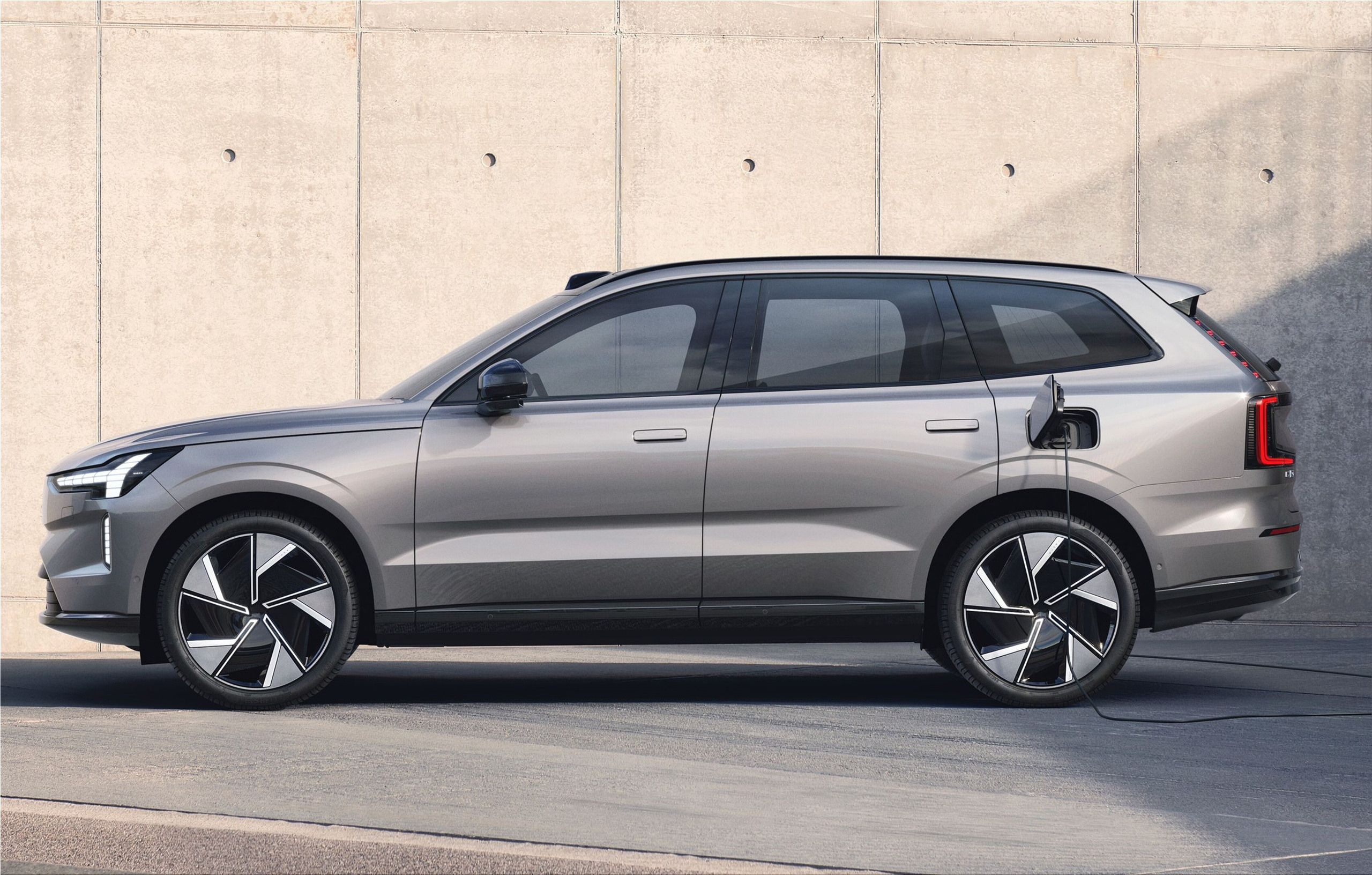
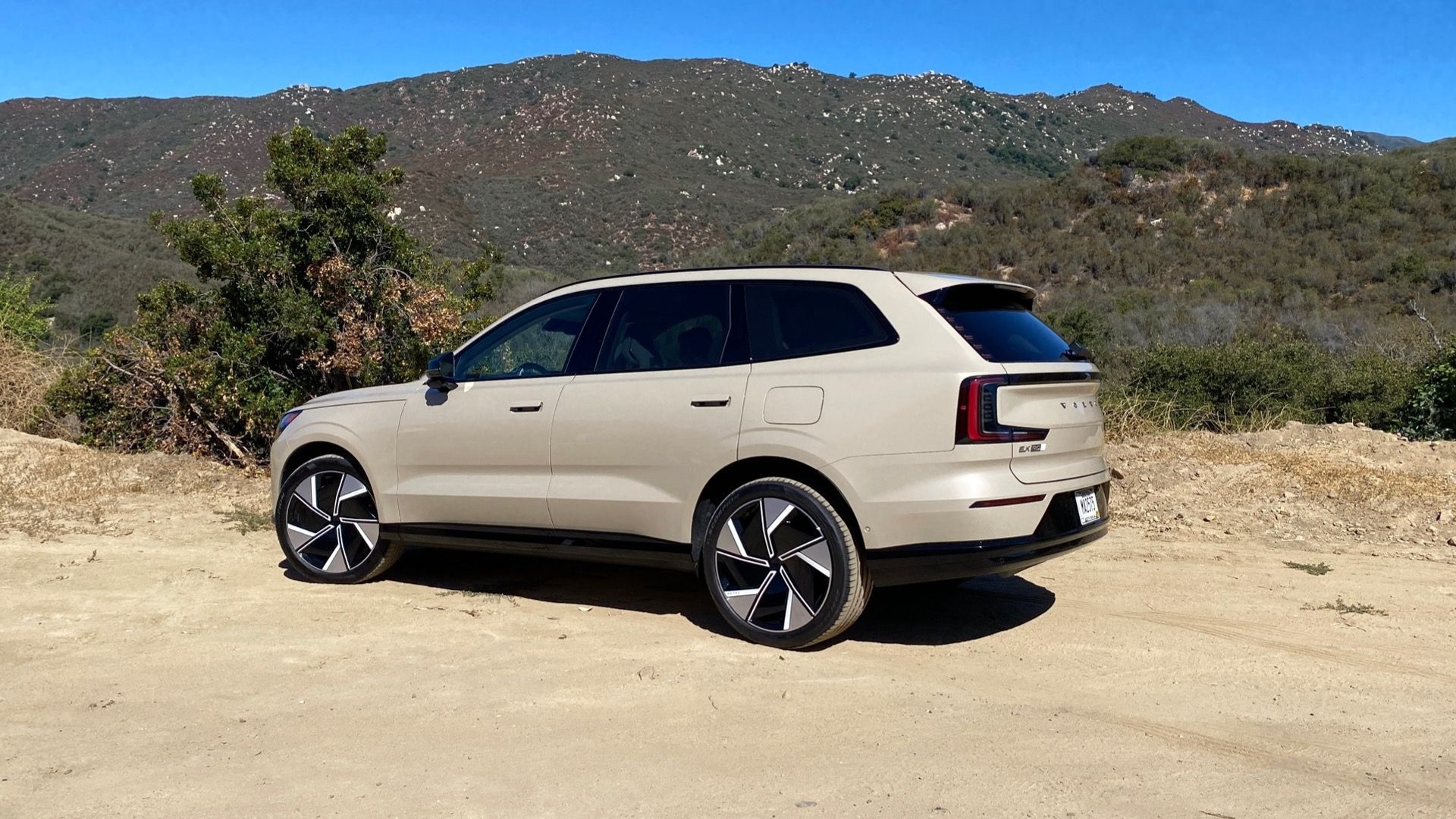
From the first glance, the EX90 reads as confident and composed. The stance is purposeful, the proportions are unmistakably modern, and the exterior design carries a kind of intentional restraint. It’s the sort of design that suggests the future isn’t loud—it’s well-mannered, methodical, and built to withstand time. But the real intrigue starts when you look past the surface. What does an electric flagship actually promise when it’s designed with families, relationships, and everyday life in mind?
And why does a “3-row” vehicle matter so much right now? Because space is not just measurement; it’s opportunity. It’s the ability to bring everyone along—quietly, comfortably—without compromising performance or peace of mind. The EX90 positions itself as a vehicle for the long arc of life: road trips, school runs, weekend detours, and those moments when everyone piles in at once.
A New Kind of Flagship: Built for More Than the Driver
Flagship SUVs often lean heavily toward the driver’s experience, like a stage designed for one performer. The EX90 takes a different route. Its 3-row layout changes the temperature of the whole narrative. Seats in the back aren’t an afterthought; they’re part of the design philosophy. The cabin is arranged to feel cohesive, not sectional. Even the way light moves through the interior seems considered, as if the vehicle is trying to be a calm container for daily motion.
Long sentences of comfort matter here. Think of the small, practical questions buyers usually ask: Will the third row feel usable? Can adults sit back there without it turning into an endurance test? Does the vehicle still feel spacious when fully occupied? The EX90’s approach aims to reassure—starting with packaging and continuing into the feel of the space itself. This is where “flagship” becomes more than a badge. It becomes a commitment to real-world usefulness.
Electric Confidence Without the Usual Anxiety
There’s a particular kind of skepticism that surrounds electric vehicles—especially those that aim for the family segment. Range anxiety. Charging logistics. The fear of leaving a trip unfinished. The EX90 addresses this atmosphere of doubt not with bravado, but with structure. Electric propulsion changes the cadence of driving, and the EX90 is tuned to make that difference feel natural rather than inconvenient.
Electric power brings its own personality: smoother transitions, quick response, and a quietness that can feel almost disarming. In an SUV, that quiet can reshape how you experience motion. Conversations become easier. The cabin becomes a sanctuary rather than a compartment full of mechanical noise. And when the road is familiar—or when it isn’t—quiet competence matters.
Still, the most interesting element is the emotional promise. This SUV’s electric identity aims to reduce friction. Not just “how far can you go,” but “how comfortably can you plan your life around it.” In other words: less foreboding, more flow.
Safety as a Philosophy, Not a Checkbox
Volvo has always carried a safety legacy. Yet the EX90 reframes safety as an active system of awareness—an attentiveness that extends beyond the driver’s immediate perception. The vehicle’s intelligence is designed to watch the world in more dimensions than the human eye alone. That’s not merely about preventing accidents. It’s about creating driving conditions where the need for heroics is diminished.
Safety in the EX90 reads as layered. There’s the traditional expectation of crash protection. But there’s also a more dynamic kind of safety: sensors and predictive systems, tuned for the unpredictable nature of real roads. The aim is to help the SUV anticipate situations before they become problems.
And because this is a 3-row vehicle, the stakes are different. The goal is to protect everyone aboard—front occupants, passengers in the middle, and those in the third row who often feel like they’re living in a compromise zone. The EX90’s design perspective suggests that compromise should not be part of the family equation.
A Cabin That Feels Intentionally Calm
Step inside and you can feel a shift in tone. This cabin isn’t trying to impress with chaos or gadgetry. It leans toward clarity—materials and layouts that encourage ease. The seats, the spacing, and the overall ergonomics work together like a well-rehearsed symphony. Short trips feel effortless. Long drives feel less like endurance and more like time well-spent.
Comfort is where curiosity becomes personal. You might start by considering practicality—legroom, storage, ingress and egress. Then something subtler takes over: the sensation that the cabin is designed for mood. Quietness can be a feature. Lighting can change atmosphere. The way controls are arranged can reduce cognitive load. These aren’t minor tweaks. They influence how you feel behind the wheel, and how passengers feel when they settle in for the ride.
For a 3-row flagship, this matters even more. When more people are involved, the vehicle becomes a social environment. The EX90 appears to respect that reality.
Design Language: Modern, Purposeful, Unhurried
Volvo’s design language has always balanced Scandinavian restraint with bold presence. The EX90 continues that evolution, but with a sharper, more future-facing silhouette. It doesn’t chase trends. It shapes them around its own logic—clean lines, cohesive surfaces, and a front-end profile that looks both aerodynamic and composed.
Uncommon detail often lives in the transitions: where surfaces meet, how the body lines guide the eye, and how the proportions avoid the common SUV habit of looking bulky for bulk’s sake. The EX90’s exterior conveys an unhurried intelligence. It suggests a vehicle confident enough to let the road speak.

Technology That Supports the Human, Not the Other Way Around
Modern vehicles can overwhelm with screens, settings, and options. The EX90’s promise leans toward usability—technology as an assistant rather than a distraction. The objective is to keep the experience intuitive even as the system grows smarter. That means interfaces that reduce unnecessary friction and driver assistance that aims to be helpful instead of intrusive.
In a family SUV, technology must do more than impress tech enthusiasts. It must serve daily life: navigation that feels dependable, connectivity that supports routines, and intuitive control of comfort systems so everyone gets what they need. The EX90’s approach feels geared toward practicality with a premium finish—quietly sophisticated, not theatrically complicated.
The 3-Row Advantage: Flexibility for Real Schedules
Every household has its own calendar. Practices, errands, birthdays, and spontaneous invitations. The EX90’s 3-row structure makes it adaptable. It isn’t designed only for the “everyone is here” moments. It’s also intended for the in-between realities: the weekend trip with extra luggage, the family visit with an extra passenger, the occasional road adventure when you’d rather pack more than compromise.
When a third row is actually usable, the vehicle becomes more than a car—it becomes a dependable partner in logistics. The EX90 seems built to treat capacity as a feature that changes how often you choose the SUV over something smaller. That shift in behavior is one of the most telling indicators of success.
Why the Volvo EX90 Feels Like a Perspective Change
The most compelling aspect of the EX90 is not a single specification or headline claim. It’s the posture of the whole project. This electric flagship SUV invites a new way of thinking about the relationship between technology and trust. It suggests that electric driving can be calm, family-first, and safety-led. It implies that the future can be engineered for people—not just for performance metrics.
When you combine a thoughtful 3-row layout, a safety-forward philosophy, and an electric experience tuned for everyday ease, you get something rare: a vehicle that doesn’t demand excitement to earn belief. It earns belief through consistency. It turns curiosity into confidence, one quiet mile at a time.
Final Thoughts: The Future Arrives, But It’s Meant to Belong
The Volvo EX90 doesn’t just move transportation into the electric era. It moves the mindset behind the wheel into a more considerate future—one where space has meaning, safety has depth, and technology supports the rhythm of life. It’s a 3-row electric flagship SUV that feels like it’s built for the moments you can’t predict, and the routines you do.
And perhaps that’s the most intriguing promise of all: the feeling that the future isn’t something you adopt reluctantly. It’s something you welcome—because it fits.