The Hyundai Ioniq 5 has always been more than a stylish EV with a futuristic silhouette. It’s a practical experiment in how battery technology, charging engineering, and daily usability can converge into something that feels almost effortless. With the latest iteration of the Ioniq 5 experience—anchored by a renewed focus on battery behavior and charging strategy—the story becomes even more compelling: not just how fast you can charge, but how consistently you can do it, how well the car manages heat, and how clearly it communicates what’s happening beneath the surface.
Before getting lost in spec sheets, it helps to understand the Ioniq 5’s temperament. It’s calm when traffic crawls. It’s composed when the route turns into highway ribbon. And when the charging session begins, it aims to translate “complex electrochemistry” into a simple ritual: plug in, wait for the display to settle, and let the system do the heavy lifting.
Design that Signals Efficiency (Not Just Aesthetics)
The Ioniq 5’s design looks like it belongs on a concept stage, yet it carries a purpose. Aerodynamics, packaging, and airflow management all influence real-world energy use. That matters because the charging experience is tightly linked to how much energy the car needs to replenish after your drive.
The distinctive body and lighting signature also create an immediate sense of orientation. In a charging lot—where time is precious and choices multiply—clarity becomes a feature. You can recognize the car from a distance and approach it confidently.

Battery Foundations: What “New” Really Means for Daily Life
When people say “new battery,” they often mean a different chemistry, different pack configuration, or revised thermal strategy. In practice, what you feel is how the battery behaves under varied conditions—cold mornings, summer stops, and repeat charging events that would fatigue lesser systems.
One of the most important improvements is consistency. A well-managed pack doesn’t merely accept charge; it does so predictably. That predictability reduces stress for the driver. Instead of wondering whether charging will slow unexpectedly, you get a rhythm that resembles a well-designed routine.
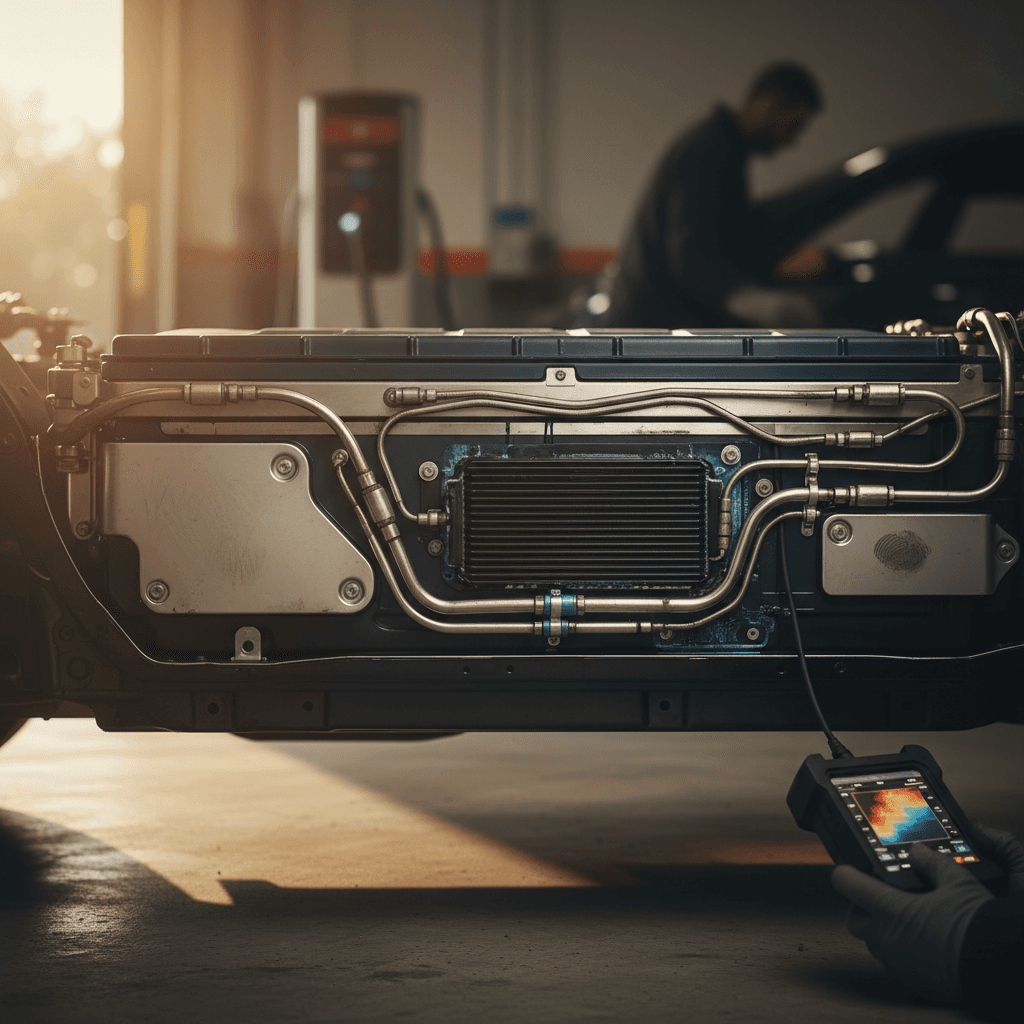
Battery management systems (BMS) function like a discreet conductor. They monitor cell groups, balance energy flow, and keep temperatures within a healthy operational window. That translates into smoother acceleration, steadier recovery after regenerative braking, and a charging curve that remains legible rather than erratic.
Charging Types: The Three Worlds of Filling Up
Charging isn’t a single experience. It’s a family of experiences. Understanding the categories helps readers choose the right plan for the right day.
Level 1 Charging: The “Overnight Philosopher”
Level 1 charging—typically from a standard household outlet—is slow, but it’s reassuring. It suits drivers who charge after work and let the car rest until morning. If your daily mileage is modest, this can be a low-maintenance approach. It’s also useful as a fallback when public chargers are busy or scarce.
The tradeoff is time. Long charging sessions can feel like waiting for sunrise, even when nothing is “wrong.” The car simply needs time to refill the pack.
Level 2 Charging: The Practical Backbone
Level 2 charging is where most real-world routines thrive. At home or at workplace stations, it compresses your charging window enough to support busy schedules. In many cases, Level 2 is the daily driver’s best friend: fast enough to recover quickly, predictable enough to build habits, and convenient enough to reduce dependency on public networks.
The Ioniq 5 shines in this environment because the charging interface is designed for clarity. The system guides the process without overwhelming you with unnecessary complexity.
DC Fast Charging: The Road-Trip Accelerator
DC fast charging is the headline act. It matters when you’re traveling farther than your daily range and you’re working with a strict itinerary. The key is how the car manages power intake as the battery warms and approaches higher states of charge.
Fast charging is not simply “more watts.” It’s a dynamic exchange of current, temperature, and internal resistance. A refined thermal strategy helps maintain a stronger initial charging rate and reduces the tendency for performance to collapse mid-session.
Charging Curves and Heat Management: Why Consistency Wins
One of the most underrated aspects of EV charging is thermals. Batteries charge best when they’re within an ideal temperature band. Too cold, and acceptance slows. Too hot, and safety limits kick in. The car’s thermal management system attempts to keep the pack in that sweet spot.
In real use, that means you’ll often see a charging session that begins confidently, then gradually transitions as the battery reaches higher charge levels. Drivers who expect a flat “always-max” pace may feel disappointed. But drivers who treat charging as a process—start strong, then finish steadily—often come away satisfied.
Even when the rate tapers, the Ioniq 5’s system generally aims to keep the experience understandable. The goal is not maximum drama. The goal is maximum usability.
How to Charge the Ioniq 5 Battery: A Step-by-Step Mindset
Charging doesn’t have to be a ritual of guessing. The Ioniq 5 encourages an orderly approach: select the correct connector, confirm the session parameters on the screen, and start with a routine that respects temperature and timing.
For newer EV owners, it’s especially helpful to think in stages: preparation, connection, monitoring, and wrap-up. This mindset reduces the chance of missing notifications or forgetting session details.
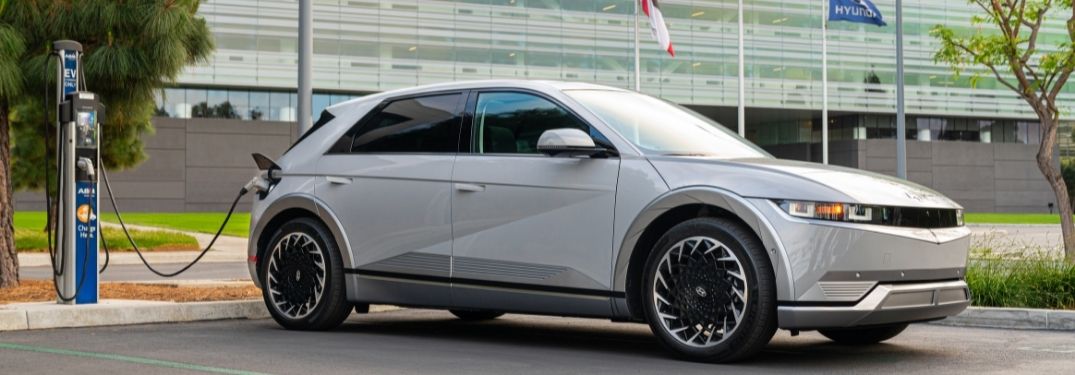
Start by ensuring the charging port area is clean and unobstructed. If you’re charging at public DC stations, avoid immediately unplugging after a long session even if the app display seems stable—finish the process smoothly. At home, schedule charging when electricity rates are favorable, and treat the car’s overnight charging as a gentle recharge cycle rather than an emergency operation.
User Experience: The Interface Between Driver and Power
Technology can either soothe or sabotage. The Ioniq 5 leans toward soothing. The charging information is presented in a way that helps drivers understand what’s happening without turning the screen into a cockpit full of dashboards.
Navigation integration and station awareness can simplify planning. When the driver knows where to stop and what to expect, charging becomes less of a tactical scramble and more of a predictable segment of the journey.
Range, Regeneration, and How They Influence Charging
Charging is a response to energy consumption. The Ioniq 5’s real-world range depends on driving style, weather, tire pressure, and the number of stoplights you encounter. Regenerative braking plays a subtle but meaningful role. When you drive with anticipation—lifting early, letting regen do some of the work—the car recovers energy that would otherwise be lost.
This doesn’t eliminate the need for charging. It refines it. Efficient driving can stretch the interval between stops, and that changes your charging frequency and even the type of charger you prefer.
Ownership Considerations: Costs, Convenience, and Reliability
Charging costs vary dramatically by region, utility plans, and charger pricing models. Level 2 at home often provides the most economical and convenient path. Public charging remains essential for longer trips, but fees and reliability fluctuate.
Reliability is where the Ioniq 5’s systems make a difference. When a vehicle handles charging predictably, it reduces the likelihood of time wasted on suboptimal sessions. Over months, those minutes add up to a calmer ownership experience.
Maintenance is also a quiet advantage. EV ownership generally involves less mechanical upkeep than internal combustion vehicles. The car’s complexity shifts from engine components to electronics and battery management—areas where consistent software and thermal monitoring matter.
Who Should Choose the Ioniq 5? (And Who Might Hesitate)
The Ioniq 5 is ideal for drivers who want a balance of everyday comfort and long-distance capability. It suits commuters who can charge at home and travelers who rely on DC fast charging for itinerary-driven mobility.
It may be less ideal for someone who rarely charges until the last minute and routinely expects consistently high charging rates across every session. The best Ioniq 5 experience emerges when the driver understands the cadence of charging and gives the battery a chance to enter an efficient operating zone.
Final Thoughts: A Charging Experience That Feels Coherent
The Hyundai Ioniq 5 review story—especially around its new battery and charging experience—is ultimately about coherence. The car doesn’t merely provide energy storage; it provides a connected system of sensing, managing, and communicating. Charging becomes a predictable ritual rather than an anxious guessing game.
From home Level 2 routines to road-trip DC fast sessions, the Ioniq 5 aims to make every session feel intentional. And that’s the true upgrade: not just a larger or improved battery, but a more confident journey—one plug-in at a time.