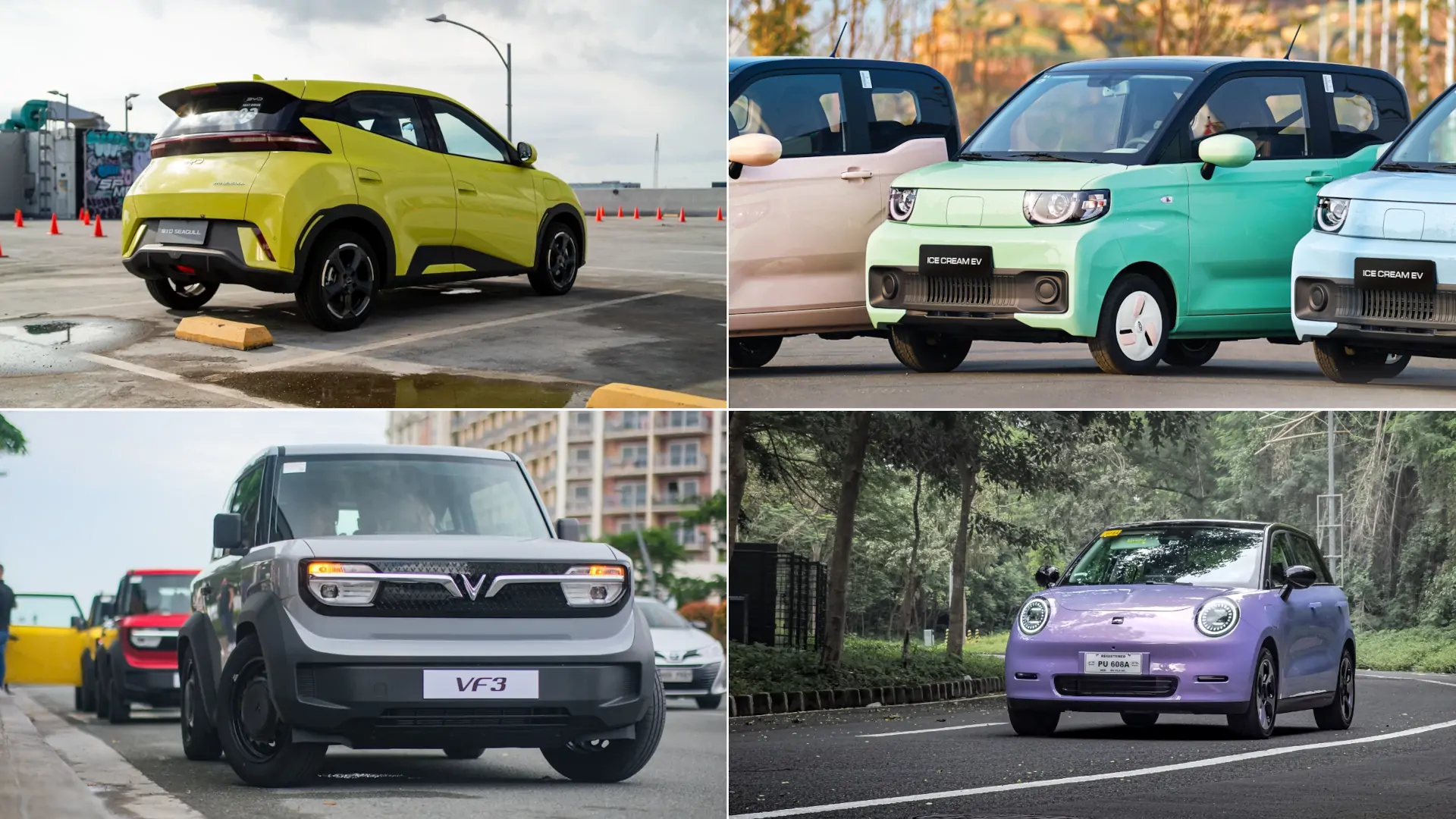
Ready to plug into the future—but slightly nervous about the learning curve? If you’re a first-time electric car buyer, the idea of choosing the “right” 2025 EV can feel like selecting the best seat on a long flight. Everything looks promising, yet you’re quietly wondering: Will I actually enjoy the ride, and will it fit my everyday reality? The challenge isn’t just picking a model. It’s decoding charging habits, interpreting range estimates, and learning how regenerative braking changes the cadence of driving. Let’s make it easier—one thoughtful choice at a time—with a guided look at five standout 2025 electric vehicles that are especially friendly to newcomers.
Before You Shop: The Hidden Challenge for First-Timers
Most new EV buyers focus on range, but the true “gotcha” is how range behaves in your life. Winter temperatures, highway speed, frequent acceleration, and even tire pressure can nudge your expected mileage downward. That doesn’t mean you’ve made a mistake—it means you’re reading the map with more precision.
Here’s the playful part: electricity is wonderfully predictable, while human schedules are… improvisational. You might plan a calm commute, then detour for groceries, then squeeze in a late errand. To thrive in EV ownership, you’ll want a plan for charging that matches your rhythm. Ideally, you’ll be able to top up at home, but public charging networks can also be a lifesaver when life gets busy.
As you browse, keep three questions close: How quickly can it charge? How simple is the user interface? And does the car nudge you—gently—toward efficiency without turning your drive into homework?
1) The Commuter-Friendly Compact: Great for Learning the EV Rhythm
If you’re new to electric driving, starting with a compact EV can feel like choosing the smallest paintbrush for a detailed project. It’s manageable, it forgives parking and maneuvering, and it helps you build confidence with instant torque and smooth low-speed control.
In 2025, the best first-buyer compacts tend to deliver a reassuring blend of range and practicality. They’re usually efficient on city streets, where regenerative braking can do real work. Instead of thinking about “braking,” you’ll gradually sense that the car is slowing you down in a controlled, almost telepathic way.
Practical advantages to look for include a straightforward charging setup, a navigation system that accounts for charging stops, and a cabin that feels calm rather than cluttered with gimmicks. You want a vehicle that teaches you—without lecturing.

2) The Long-Range Sedan: Confidence for Weekend Detours
Some first-time buyers have the same thought: What if I need extra distance? A long-range 2025 EV sedan can be a comfort blanket, especially if your life includes road trips, visits to family, or spontaneous late-morning departures.
Long-range EVs typically offer a more forgiving buffer for highway driving. At higher speeds, energy consumption rises, so extra range helps your plans remain intact. That matters when charging infrastructure is uneven or when you simply don’t want to spreadsheet every stop.
Look for an infotainment experience that doesn’t feel like a scavenger hunt. The best long-range sedans make it easy to find chargers, preview route feasibility, and understand energy usage. A thoughtful display that communicates “what happens next” can reduce anxiety—and anxiety is the enemy of good EV habits.
3) The Family-Ready Crossover: Practical Space Meets Efficiency
Owning a first EV often becomes a family conversation—kids need snacks, groceries appear, and suddenly “flexibility” matters more than you expected. A 2025 EV crossover is often the sweet spot: higher seating, more cargo capacity, and a ride that handles real-world roads without drama.
For newcomers, crossovers can feel intuitive because they replicate the everyday ergonomics of popular gas SUVs. The transition is smoother. You’ll likely appreciate the visibility, the spacious cabin, and the ease of loading and unloading.
Choose one with intelligent climate control and a system that balances comfort with efficiency. Cold weather can consume more energy, so models that manage thermal performance well are especially helpful for first-time buyers who haven’t yet developed their own “efficiency instincts.”
4) The Value-Forward EV: A Smart Entry Without Sacrificing Essentials
Budget is real, and the best first-time purchase is the one that fits your life without creating stress. A value-forward 2025 EV can be an excellent on-ramp to ownership, delivering key features without turning your wallet into a cautionary tale.
What matters most for first-time buyers is not endless novelty—it’s reliability, sensible driver assistance, and a charging routine that doesn’t require heroics. You want a vehicle with predictable controls, good visibility, and a calm driving feel.
Pay attention to how the car communicates energy use. If the EV offers clear efficiency metrics, it helps you learn quickly. Long-term ownership is easier when you can understand cause and effect: heavier foot, lower range; gentle driving, comfortable buffer.
5) The Premium Tech EV: For Buyers Who Want Seamless “Autopilot-Adjacent” Experience
Some drivers want the next step—an EV that feels like a rolling command center, with advanced driver assistance and refined comfort. A premium 2025 electric vehicle can be fantastic for first-timers if the tech is approachable.
The challenge here is cognitive overload. Premium systems can be powerful, but complexity can distract you during the transition period. The best premium EVs offer intuitive onboarding: quick tutorials, responsive voice controls, and navigation that treats charging like an integrated part of the journey.
If you want this style of EV, choose one with strong tactile feedback—buttons and controls that don’t vanish behind menus. You want to be able to adjust climate, view range, and manage charging without pulling your attention away from the road.
Charging Reality Check: Home First, Then Plan for the Unexpected
Charging is where confidence is built. Home charging often makes EV ownership feel effortless. When you can plug in overnight, your car starts each morning with a clean slate—like waking up to a full battery of optimism.
If home charging isn’t available, you’ll lean more heavily on public chargers. In that case, pick a model with robust charging compatibility and good route planning. Speed matters, but consistency matters too. A charger that’s reliable—even if not the absolute fastest—can be more valuable than a theoretical sprint.
And here’s a subtle tip: don’t obsess over squeezing every mile. Instead, aim for a comfortable routine and keep an extra margin for detours. EV life rewards practicality more than perfection.
How to Choose Between Them: A Simple Decision Framework
When the options multiply, decision fatigue kicks in. Use a small framework: match the car to your typical week, not your occasional adventure. Consider your average daily distance, your parking situation, and your comfort with learning new interfaces.
Ask yourself: Do you want a compact “confidence builder,” a long-range “peace-of-mind” sedan, a family crossover, a value entry that’s easy to justify, or a premium tech experience that feels polished?
Then check the details: charging speed, user interface clarity, interior comfort, efficiency under real driving conditions, and the availability of service support in your area. The “best” EV is the one you can live with—cheerfully.
Final Thoughts: Your First EV Doesn’t Have to Be Perfect—Just Right
Electric car ownership can be a delightful learning curve. The torque is addictive, the driving sensation is smooth, and the routine gradually becomes second nature. Still, it helps to recognize the potential challenges early: range variability, charging planning, and tech onboarding.
Pick a 2025 EV that fits your lifestyle and your patience level for new habits. Whether you choose a compact learner, a long-range traveler, a family-ready crossover, a value champion, or a premium tech cruiser, you’re not just buying a vehicle—you’re joining a different rhythm of mobility.
So go ahead. Ask that playful question again: Are you ready to drive tomorrow, with fewer worries and more curiosity? Your first EV may not be the final one—but it can be the most exciting start.