Picture this: you’re standing at the edge of a moving tide. On one side, the 2025 model year already sits in showrooms—ready, eager, and undeniably tangible. On the other, 2026 is approaching like a horizon line you can almost touch. The question isn’t merely practical. It’s perceptual. Should you buy now, or wait? Because “waiting” is not just postponing a purchase—it can also be postponing the moment you commit to a new kind of driving life.
Let’s follow that thread carefully. We’ll talk about what tends to improve from year to year, what might remain stubbornly the same, and how to decide based on your own priorities. Along the way, you’ll see why this choice can feel oddly personal—like selecting a viewpoint, not simply a vehicle.
The 2025 Advantage: Momentum, Availability, and Real-World Proof
Buying a 2025 EV now has a certain immediacy. The calendar is already working in your favor. Inventory is typically more available, and incentives can be clearer because the market has had time to “settle” around those models.
There’s also the matter of proof. By late in a model year, you begin to see more consistent owner feedback: how the car behaves on long drives, how charging schedules play out in practice, and whether the software feels calm or chaotic after updates. EV ownership is partly engineering and partly choreography—how the car “moves” with your routine. In 2025, that choreography has had more time to be learned.
And if your need is immediate—commuting pressure, a replacement vehicle timeline, or simply the desire to stop paying a premium for gas—waiting can feel like letting the calendar win.
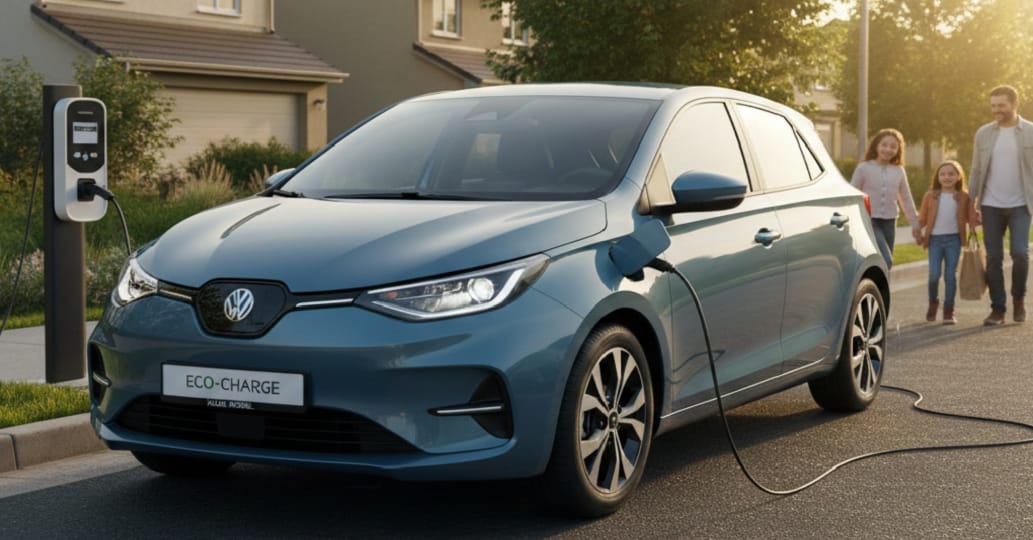
The 2026 Lure: Fresh Iterations and the Possibility of Better Integration
Waiting for 2026 carries a different kind of promise: refinement. Automakers often use the space between model years to address friction points—things that owners mention repeatedly, and performance areas that data has quietly flagged.
Some improvements are subtle, almost ghostlike. A more usable infotainment layout. A revised thermal strategy that makes winter range less of a gamble. A more polished charging negotiation with certain networks. You don’t notice those upgrades until you sit behind the wheel and realize the car feels less “experimental” than it did before.
Then there are changes that feel like leaps. The EV ecosystem is still evolving, including charging standards and port compatibility. If you’ve ever wondered how much future-proofing you truly get with today’s hardware, the question isn’t theoretical. It’s operational—especially for drivers who frequently travel, use public chargers, or rely on specific networks.
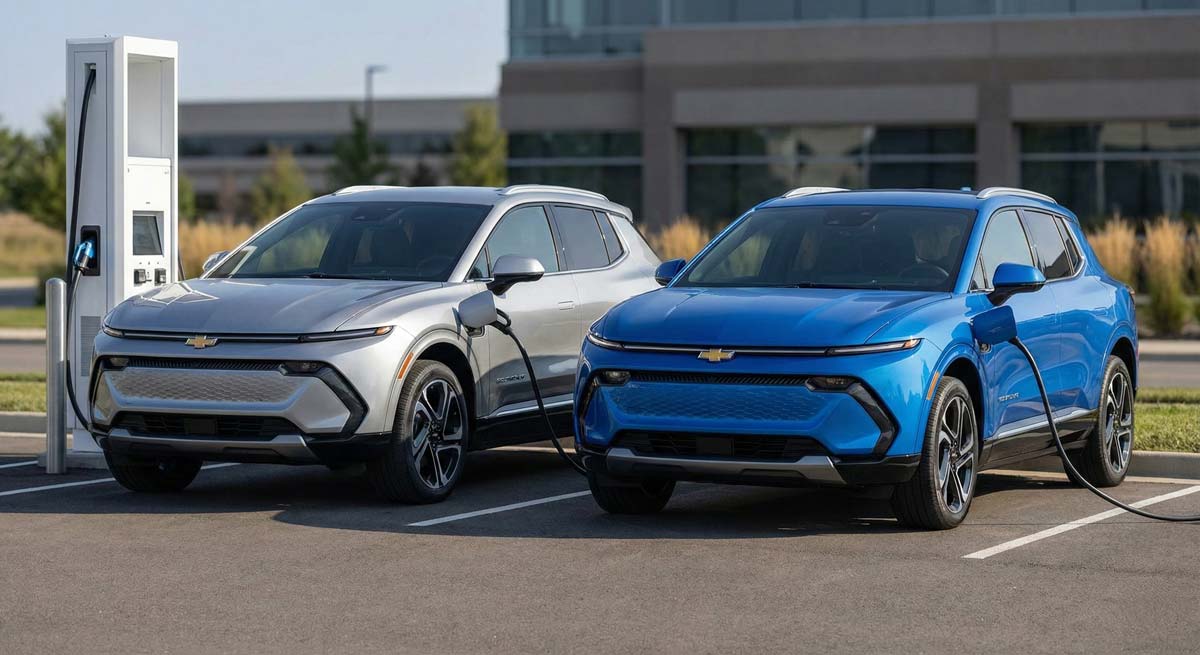
NACS, Charging Ports, and the Real Question of Friction
Charging isn’t just about plugging in. It’s about minimizing friction: fewer adapters, fewer surprises, fewer moments where the car’s plan and reality stop agreeing.
If 2025 models you’re considering include options—or limitations—around charging access, this becomes the deciding axis for many buyers. Waiting for 2026 may be attractive if that year offers a more harmonized charging experience. The key word is harmonized: a design that reduces friction across networks and locations.
But don’t reduce this to a single port question. Consider the full journey. Do you charge primarily at home? Do you rely on destination chargers while shopping or working? How often do you take road trips long enough to require fast charging? Your answer rewrites the importance of any port or network decision.
When charging becomes predictable, life becomes lighter. When it becomes uncertain, every trip starts to feel like a negotiation.
Range, Efficiency, and the Quiet Battle Against Weather
Range claims can be tantalizing, but EV reality is weather-aware. Cold temperatures can tax battery chemistry, and wind can turn aerodynamic promises into measured outcomes that feel less glamorous.
From 2025 to 2026, small efficiency improvements can matter more than you’d think. If a new model year brings better battery management, improved heat pumps, or more intelligent route-based energy planning, you’ll notice it in the mundane moments: leaving home with confidence, arriving with usable buffer, and avoiding the “range anxiety tax” that creeps into your driving decisions.
Still, be cautious. Not every upgrade is universal, and not every improvement survives every trim level. A higher-performance variant may behave differently than an efficiency-optimized one. The “should you wait” question becomes: are you waiting for the right version—or merely the next year?
Software Maturity: From Promises to Habit
EVs increasingly feel like computers on wheels. That’s a good thing when software is stable and responsive. It can be frustrating when features arrive like season premieres that sometimes require a pause to catch up.
2025 owners often benefit from software maturity: earlier iterations have been refined by updates and user learning. Meanwhile, 2026 models may arrive with cleaner architecture—or at least a new wave of capabilities. The question is whether those capabilities represent meaningful daily value for you.
Ask yourself what you want your car to do when you’re not thinking about it. Should navigation feel intuitive? Does driver-assistance software behave consistently? Does charging scheduling act like an ally rather than a suggestion?
If your goal is a calm, predictable routine, software maturity can outweigh the excitement of year-to-year novelty.
Price, Incentives, Depreciation, and the Financial Story
Waiting can sometimes lower your risk. Or it can raise it. The economics depend on incentives, MSRP changes, and how quickly demand reshapes availability.
Often, older model inventory can become more price-competitive—especially if a newer year arrives with fresh marketing gravity. Conversely, waiting for 2026 could mean higher initial pricing until incentives stabilize.
Depreciation is another hinge. If you buy earlier, you might pay more upfront but potentially avoid the sharp depreciation that hits right when the next year’s excitement peaks. If you wait, you might pay less for certain configurations—or pay more if demand surges.
Consider your timeline. If you’re keeping the vehicle for several years, the “waiting premium” may matter less than the long-term fit. But if you expect to upgrade quickly, timing becomes a stronger lever.
Test Drives, Charging Trials, and the Art of Verification
There’s a difference between believing a promise and testing it. The strongest approach is to verify—briefly and decisively.
Schedule test drives for both your preferred 2025 candidate and whatever 2026 models are relevant in your budget. Pay attention not only to acceleration and seats, but to the micro-interactions: how quickly the system recognizes your preferences, how smooth the route planning feels, and whether the car’s interface behaves like a tool you trust.
Then run a charging trial if possible. If you can visit a charger near your daily commute, even better. Notice the total experience: app reliability, screen clarity, connection speed, and the accuracy of the charging forecast.
This is where curiosity becomes practical. Your car choice becomes less about headlines and more about lived experience.
The Verdict: Buying Now vs. Waiting—A Decision Framework
So, should you buy a 2025 EV now or wait for 2026? The answer isn’t universal. It’s conditional. Use this simple compass:
Choose 2025 now if you need the vehicle soon, value software maturity, want clarity on charging behavior today, and you find a deal that meaningfully reduces your cost of entry.
Wait for 2026 if you’re specifically hoping for improved charging integration, smoother ecosystem compatibility, more refined efficiency under real conditions, or you want to benefit from early-life software architecture without inheriting older quirks.
Consider a hybrid strategy if you’re undecided: watch for 2025 inventory changes while monitoring 2026 announcements. If 2026 shows a capability you genuinely need—something that changes your routine rather than just your spec sheet—waiting becomes easier to justify. If it doesn’t, buying 2025 can feel like seizing the moment.
Outro: Timing as a Choice of Perspective
Ultimately, the decision is about more than the calendar. Buying an EV is choosing a lifestyle cadence—how you plan errands, how you interpret distance, how you think about costs, and how you measure progress.
Whether you drive away in 2025 or step into a 2026 model year, the real win is arriving at a car that feels harmonious with your life. The tide you choose will carry you forward, and the best choice is the one that turns future uncertainty into everyday confidence.