Choosing a sedan can feel like picking a companion for the long commute ahead—steady, familiar, and quietly capable. Yet behind the gleam of chrome and the confidence of a smooth ride, another decision hums in the background: insurance cost. For many drivers, premiums are the unseen ballast of ownership, shaping budgets long before the first oil change. In this ranked look at Sedans with the Lowest Insurance Costs, the goal isn’t just to find bargains. It’s to locate vehicles that tend to be financially breathable—sedans that insurance providers often regard with a calmer, less risky demeanor. Think of it as searching for a “low-friction” path through everyday ownership.
Insurance pricing is influenced by more than one lever: repair costs, theft likelihood, safety tech, claim frequency, and even regional rating factors. Still, some sedan models consistently earn a reputation for being easier on the monthly bill. What follows is a narrative ranking built around that practical reality, presenting vehicles as if each were a character in a story—each with its own style, strengths, and a particular way of keeping cost currents under control.
How “Lowest Insurance Costs” Really Works
Before ranking begins, it helps to understand what “low insurance cost” means in practice. Premiums behave like weather: they can shift with territory, driving history, coverage selections, and the age of the vehicle. A sedan that’s economical in one state may carry different gravity elsewhere. Deductibles add another layer. A driver with a higher deductible often pays less monthly, trading upfront comfort for instant premium relief. Coverage level matters too—liability-only versus full coverage can dramatically alter the final number.
Then there’s the vehicle itself. Insurers often look at patterns: how frequently similar cars are involved in claims, how expensive repairs tend to be, and whether replacement parts are widely available. Sedans that are designed for predictable maintenance and have a record of fewer severe incidents can become the financial equivalent of an anchor—less dramatic, more stable.
In this ranking, the “lowest-cost” sedans are treated as the most cooperative with the insurance system: models that commonly align with lower expected claim and repair burden. The result is a set of cars that can feel like a well-tuned instrument—quietly performing, year after year, without constantly demanding attention from your wallet.
1) Honda Civic: The Practical Athlete
The Honda Civic is often remembered for reliability, but in the world of insurance pricing it plays another role: the dependable workhorse. Many insurers see a pattern of manageable claim histories for Civics, and drivers frequently report that repair costs are relatively predictable. It’s a sedan with a reputation for staying composed, even when life becomes… less composed.
From a buyer’s perspective, the Civic’s appeal is its blend of efficiency and ubiquity. Parts are generally easier to source, and the car’s mainstream popularity tends to mean repair networks are ready. This can translate into a premium landscape that feels less jagged.

Buyers often describe the Civic as an all-weather choice: the kind of car that fits city streets and still feels confident on longer stretches. It’s not trying to be theatrical. It’s simply excellent at showing up.
2) Toyota Corolla: The Calm Librarian
If the Civic is the practical athlete, the Toyota Corolla is the calm librarian—quietly competent, never overly flashy, always ready to help. Insurers commonly view Corolla models favorably due to a strong track record for reliability and typically moderate repair complexity. The Corolla tends to avoid the expensive chaos that can accompany certain high-demand performance models.
There’s also a subtle psychological effect: a car you can anticipate is a car that ownership feels easier. That predictability can influence how owners maintain their vehicles, and well-maintained vehicles may be less likely to face certain kinds of mishaps.
In narrative terms, the Corolla is a steady paragraph in a long document of life: it reads well, holds its meaning, and doesn’t demand excessive revisions.
3) Hyundai Elantra: The Value Alchemist
The Hyundai Elantra frequently attracts drivers who want modern features without modern-dollar stress. Insurance outcomes often reflect that balance: the Elantra’s broad presence and generally manageable parts and repair profile can align with lower premiums.
Elantra models can also include contemporary safety technologies depending on trim—features that may help insurers price risk more confidently. When a car is designed to reduce avoidable collisions, the insurance conversation becomes less about “what if” and more about “how likely.”
Think of the Elantra as a value alchemist: it turns everyday driving into something smoother, while keeping the cost narrative from spiraling.
4) Mazda3: The Silk-Handled Sedan
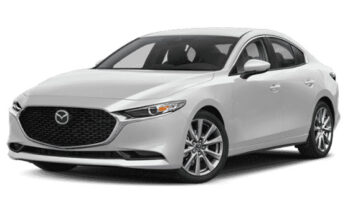
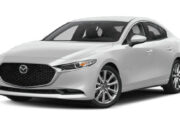
The Mazda3 brings an elegance that feels surprisingly grown-up. While driving dynamics can steal the spotlight, insurers also respond to patterns of safety, claim frequency, and repair costs. Many Mazda3 owners report favorable coverage experiences relative to expectations for a feature-forward sedan.
This model’s appeal has a distinctive vibe—less “bubble wrap for the ego,” more controlled confidence. The car tends to feel cohesive: suspension behavior, visibility, and driver ergonomics all contribute to a calmer driving experience. And in the insurance world, calmer is not just a feeling—it’s a potential reduction in risk.
5) Volkswagen Jetta: The German-Engineered Storyteller
The Volkswagen Jetta often earns attention for its solid construction and practical interior layout. For insurance pricing, insurers may weigh factors like parts cost and how frequently vehicles of this model appear in claim datasets. When a sedan balances mainstream usage with manageable repair profiles, premium numbers can become more forgiving.
Jetta owners also tend to appreciate the sense of “grounded engineering”—a feeling that the car is designed to do its job thoroughly. When the ownership experience stays consistent, the insurance process often feels less like an unpredictable plot twist.
6) Subaru Legacy (When Options Are Chosen Wisely)
The Subaru Legacy can be a compelling choice for drivers who want comfort and security. Insurance costs vary widely based on trim and features, but Subaru’s safety reputation and availability of driver-assistance technology can influence pricing positively. The key is selection: choosing coverage thoughtfully and understanding how trim affects premium can help keep costs lower.
Legacy’s appeal is a kind of steady shelter. It’s the sedan equivalent of a warm coat—especially for people who value control in changing conditions. While insurance isn’t only about comfort, the overall vehicle behavior and safety orientation can help create a favorable pricing profile.
7) Nissan Sentra: The Quiet Overachiever
The Nissan Sentra is frequently described as a “smart buy”—a phrase that usually means affordability and practicality. For insurance, the Sentra often falls into categories insurers treat with relative straightforwardness: common service networks, reasonable repair expectations, and a generally consistent market presence.
It’s the kind of car that rarely becomes the star of a dramatic story. That’s exactly why it can be budget-friendly. When the insurance system sees fewer patterns of costly incidents, it tends to reward that predictability.
Strategies to Keep Insurance Low (Beyond the Model)
Ranking the sedans helps, but insurance is a chessboard with many moves. To reduce premiums, consider these levers: bundle policies when possible, maintain a clean driving record, and explore discounts for safe driving programs or vehicle safety features. Raise deductibles carefully—only if the budget can absorb the upfront hit after an accident.
Also, shop coverage intelligently. Liability limits should match your risk tolerance and local requirements. Full coverage may be worth it for newer sedans, while older vehicles might make liability-only more economical. The best premium is often not the lowest number—it’s the lowest sustainable number.
Finally, consider how you store the vehicle. Garages, alarm systems, and theft deterrents can sometimes nudge premiums in the right direction. Insurance pricing loves evidence, not hope.
Choosing Your Sedan: Matching Cost to Character
Low insurance cost doesn’t mean you must drive blandly. A sedan can be financially kind while still offering charm: comfortable seating for long commutes, modern infotainment that keeps attention from wandering, and safety features that feel like additional eyes in the cabin. The goal is harmony between budget and daily experience.
When selecting among these lower-cost sedans, think about the whole character arc: how far you drive, whether traffic patterns are dense, and how you handle risk. Some drivers need the most forgiving insurance profile. Others need a balance—lower premiums paired with the confidence of a well-equipped cabin. Either way, the right sedan can feel like a quiet victory.
Final Thoughts: The Sedan That Costs Less to Own
Low insurance costs are more than a monthly savings line; they are freedom. They can reduce the sting of unexpected events and help keep ownership from feeling like a series of small negotiations. In this ranked journey, the sedans highlighted tend to share a common trait: they often fit insurers’ models of manageable risk, predictable repairs, and safety-minded design.
Choose the car that matches your life—then let the insurance bill be the least dramatic part of the story. When the vehicle behaves responsibly and your coverage is aligned, the road ahead can feel smoother than the numbers suggest.