The Audi A4 and the Audi A5 Sportback occupy a specific, magnetic corner of the premium compact universe—one where refinement isn’t an accessory, it’s the design principle. Both cars promise the kind of quiet confidence that’s felt before it’s noticed: a cabin that seems to dampen the commotion of the outside world, controls that fall readily to hand, and a sense of engineering discipline that makes even ordinary commutes feel curated. Yet they’re not identical twins. The A4 leans toward practical sophistication, while the A5 Sportback brings a more lyrical silhouette and a touch more flamboyance to the daily ritual. This review explores the distinctions that matter—style, comfort, performance temperament, technology, and ownership practicality—so you can decide which one better matches your rhythm.
Expect a tour that reads like a road test, even when the focus is technical. The objective is clarity, not hype. Short impressions will share the stage with longer, deliberate observations. The goal is to help you understand how these cars behave in the moments you actually live.
Design Philosophy: Where Restraint Meets Character
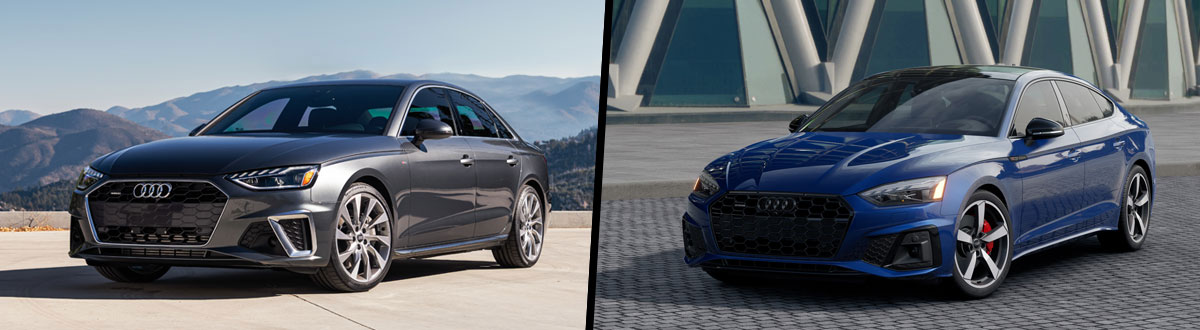
The first distinction is visual temperament. The A4 arrives with a more conventional compact-sedan composure. Its lines feel composed, almost architectural—clean surfaces, confident proportions, and a stance that suggests purpose rather than drama. The Sportback, however, wears its identity differently. The hatch-like rear profile stretches the aesthetic into something more graceful, a silhouette that reads as athletic elegance rather than mere utility.
Inside, both models tend to share Audi’s signature: tight fit, purposeful materials, and an atmosphere that feels intentional rather than decorative. Still, the A5 Sportback often carries a slightly more expressive vibe—an ambience that pairs well with drivers who enjoy style that never feels forced.
Cabin Comfort: The Art of Quiet Confidence
Comfort in the A4 and A5 Sportback isn’t just about softness; it’s about composure. The cabins are designed to reduce fatigue over time. Seats typically offer supportive cushioning with the kind of ergonomic geometry that holds you in place without imprisoning you. The result is a posture that feels natural during city navigation and still comfortable on longer stretches.
Noise management is a quiet superpower. Wind, road roar, and engine soundtrack are engineered to stay in the background. That doesn’t mean the cars feel sterile—there’s still a sense of connection to the drive—but the ride is tuned to keep everyday life from feeling jagged.
Materials and build quality further strengthen that premium impression. Surfaces generally feel well-finished, and the fit of panels contributes to a sense of solidity that you can sense with your eyes and verify with your hands.
Space and Practicality: Sedan Versus Sportback Logic
On paper, the A4 offers straightforward sedan utility. It’s easy to understand: trunk access, familiar storage geometry, and predictable loading. It suits people who haul groceries, briefcases, or the kind of everyday cargo that doesn’t require a folding puzzle.
The A5 Sportback’s value comes from its more flexible rear opening. While it still functions as a premium compact, it’s closer to a hatchback’s problem-solving mindset. Loading bulky items—without the awkward angle of a smaller trunk opening—tends to feel less troublesome. In daily life, that difference often matters more than enthusiasts expect.
Rear-seat space is typically adequate for adult passengers, with comfort shaped by seat design and the car’s overall packaging. The A5’s sportier roofline can slightly influence headroom depending on trim and height, while the A4’s sedan shape usually feels a touch more generous for taller passengers.
Driving Dynamics: Balance, Not Bravado
Both cars pursue refinement first. The driving experience is less about theatrics and more about poised control. Steering typically feels communicative, not numb—enough feedback to help you judge grip and road texture without forcing you to interpret every input like a mechanic.
The suspension tuning leans toward composure over sharpness. You’ll feel the road, but it’s filtered with discipline. Cornering tends to feel confident, with weight transfer handled in a way that preserves balance. The cars don’t chase drama. Instead, they deliver a steady rhythm that encourages smooth driving.
Depending on powertrain and configuration, acceleration feels brisk rather than chaotic. The power delivery is designed to be usable—quick to respond when you ask for it, then calm and controlled once you settle into cruising.
Engine and Transmission Character: Smooth Power, Curated Response
Audi’s modern compact offerings often emphasize a blend of efficiency and torque. Powertrains generally aim to provide a strong mid-range push, which is where real-world passing happens. The throttle response tends to feel tuned—neither sluggish nor overly sensitive—so you can modulate speed with finesse.
Transmissions, when equipped with modern automated systems, typically prioritize smoothness. Shifts may be imperceptible in ordinary driving, then become more assertive under sport-oriented inputs. This makes the cars feel adaptable: urban serenity when you want it, and sharper engagement when you seek it.
Ultimately, the driving character is less about maximum numbers and more about how quickly the car transitions from relaxed to ready.
Technology and Infotainment: Intuitive, Yet Expansive
Inside, Audi usually leans into driver-centric technology. Infotainment interfaces tend to be modern, with clear menus and responsive controls. The design philosophy is to keep functions reachable rather than buried. That’s important, because the best infotainment system is the one that doesn’t become a distraction.
Connectivity features—paired smartphones, navigation guidance, and media integration—help transform the cabin into a rolling command center. Voice controls and driver assist systems can also reduce friction. Still, the best technology is the kind you can ignore when you prefer to focus on the road.
Depending on configuration, you may also find advanced lighting, digital driver instrumentation, and premium audio options. Together, they sharpen the sense of occasion, turning each drive into a more deliberate experience.
Safety and Driver Assistance: Confidence Through Restraint
Premium isn’t just about comfort—it’s also about predictability. Audi typically equips these models with a suite of driver assistance technologies designed to enhance awareness and reduce common risk scenarios. Think of features like adaptive cruise control, lane support, and collision warning systems.
What makes these systems valuable is not only capability but temperament. When tuned well, they help without overwhelming. The best assistants feel like an extra layer of attention rather than an unpredictable co-pilot.
For daily driving, that steadiness matters. It reduces stress during traffic commutes and supports safer decision-making during longer trips.
Fuel Economy and Ownership Outlook: Practical Premium
Efficiency expectations in this segment tend to be realistic and measurable. Modern engines and transmissions generally work to keep consumption under control, especially during steady cruising. In stop-and-go conditions, efficiency still improves through intelligent engine management and driveline efficiency strategies.
Ownership costs for premium compacts can vary based on trim, wheel size, and service requirements, but Audi’s mainstream presence often makes parts and maintenance more accessible than niche alternatives. Tires, brakes, and routine maintenance remain the predictable anchors of the ownership ledger.
In terms of longevity, the cars’ build quality and design discipline contribute to a durable premium feel—especially when interior care and scheduled service are respected.
Which One Should You Choose? A Clear Personal Fit
Choosing between the A4 and the A5 Sportback is essentially choosing the kind of premium you value most.
If your priority is straightforward utility, slightly more conventional roominess, and a sedan’s familiar practicality, the A4 is the satisfying default. It’s the car that fits naturally into business schedules and everyday errands without demanding compromise.
If you crave a sportier stance, a more expressive body shape, and the flexible convenience of a Sportback design, the A5 offers that emotional edge while staying grounded in everyday usability. It’s a premium compact that looks like it wants to be driven, even when you’re simply headed to work.
Both cars deliver the Audi signature: refined, confident, and composed. The decision becomes less about specs and more about lifestyle—what you haul, how you park, and whether you prefer the calm certainty of a sedan or the stylish utility of a Sportback.
Final Thoughts: Premium Compact With Personality
The Audi A4 and A5 Sportback represent a refined approach to premium compact motoring—one rooted in quiet comfort, intelligent design, and a driving experience that rewards smooth input. The A4 leans into practicality without surrendering elegance. The A5 Sportback adds a more distinctive, emotionally resonant silhouette while retaining the core strengths that define Audi’s modern compact philosophy.
In the end, the best choice is the one that feels right on your first ordinary drive. Take note of how the seats hold you, how the cabin filters the world, and how the car’s personality matches your daily motion. Premium isn’t only measured in features. It’s measured in how consistently the car makes you feel at ease—mile after mile.