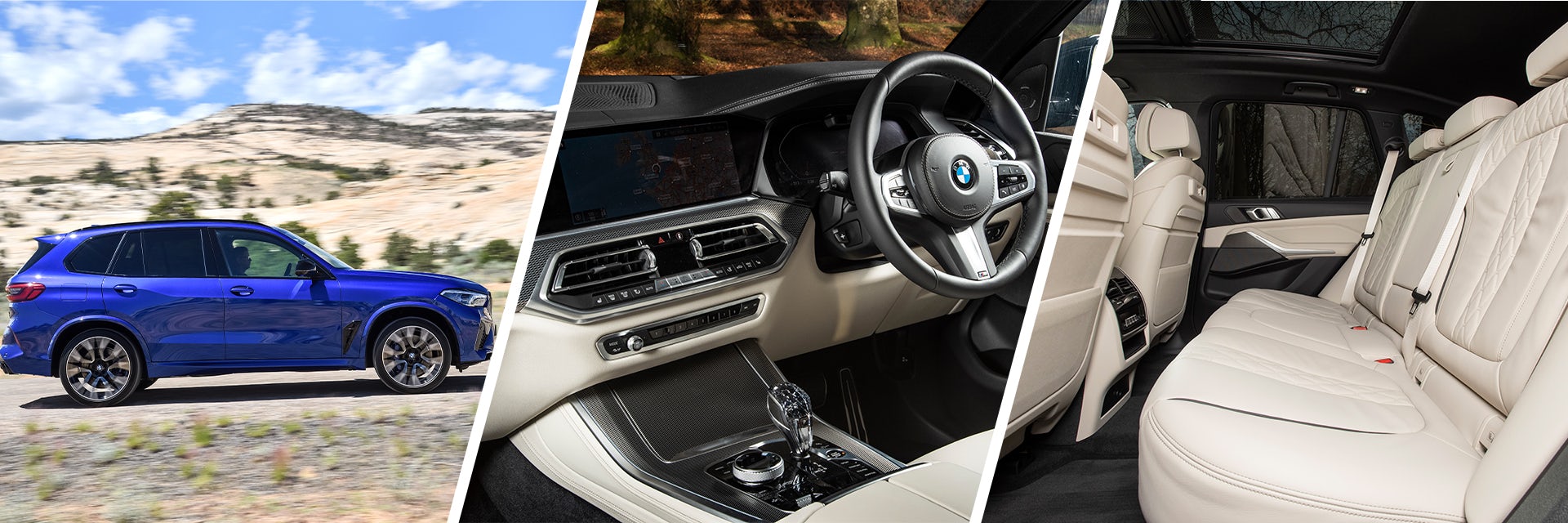
There’s a particular moment that repeats itself in the carpark, right before everyone settles in. A tall passenger swings a door open, stands a fraction taller than the others, and the cabin either welcomes them—or quietly refuses. Rear legroom is often discussed in tidy numbers and glossy brochures, yet what matters most is that feeling of space: the ability to stretch a knee, rest a shin, and sit without performing an unplanned contortion. That’s why crossovers with best rear legroom have developed a small cult following among taller drivers, long-legged families, and anyone who’s tired of traveling like folded paper.
Some people assume that “space” is simply the result of longer wheelbases. Of course, that helps. But the fascination goes deeper. Rear legroom is a sensory experience—one shaped by seat geometry, floor packaging, and even the quiet decisions made by engineers about where to place structures, vents, and transmission components. The crossover category, in particular, has become a playground for these refinements: the practicality of an SUV, with the livability of a passenger car.
Why tall passengers notice rear legroom first
A common observation is that legroom “looks fine” when you’re average height. Then the tall passenger climbs in and suddenly the proportions feel different. That reaction isn’t just impatience. Taller occupants carry more height-forward volume, and their legs require a more generous radius of comfort—an arc that starts at the seat base and extends toward the footwell.
In real-world driving, the rear seating position often interacts with front seat travel. Many crossovers allow the front seats to move far enough for everyday use, but tall passengers in the back become sensitive to the spacing that remains after the driver chooses their preferred posture. The best rear legroom crossovers anticipate this. They provide a cabin layout that maintains usability even when the front seats aren’t set to the most “purchased in brochures” position.
There’s also an emotional layer to it. Comfort isn’t only physical. It’s the reduction of micro-stresses: the constant readjustment, the unspoken negotiation over where a knee should go, the awareness of how tight things feel. When that vanishes, the whole ride becomes easier to enjoy.
What “best” actually means: more than a single measurement
Legroom figures are useful, but they can be misleading when taken in isolation. Two cars can have similar rear legroom lengths and still feel different. This is where the deeper fascination lives. The human body is three-dimensional, and comfort depends on how multiple constraints align.
Consider the footwell. A generous footwell isn’t only about depth; it’s also about width and under-seat clearance. Some crossovers have a flatter, more accommodating floor, while others channel space toward insulation, drivetrain components, or structural reinforcements. Tall passengers don’t just need room to move—they need room to remain still without pressing the soles against hard edges.
Seat design matters too. Cushion thickness, backrest angle, and how far the seat back reclines can change the “effective” space. If the seat back is too upright for long journeys, legs end up fighting for distance. Conversely, a well-shaped seat can preserve comfort without demanding more physical length.
Finally, the steering of headroom and legroom must happen together. If a crossover sacrifices headspace for legspace, tall passengers may still feel cramped. The best solutions balance both, so the cabin feels like one cohesive volume rather than a patchwork of compromises.
The crossover advantage: packaging that prioritizes everyday comfort
Crossovers occupy a sweet spot. They’re designed to be practical, but they also borrow design philosophies from passenger vehicles. That blend is crucial for tall passengers because it encourages a more humane cabin layout. Instead of creating a cabin that feels like an afterthought, many makers treat rear comfort as a core feature, particularly in families and commuter segments.
It’s not just “more space.” It’s how that space is engineered to be accessible. Doors open wide enough to reduce the gymnastics of getting in. Entry height is manageable without forcing awkward knee angles. Once inside, the geometry of the dashboard, center tunnel, and rear seat proportions work in concert.
Even the materials contribute. A well-contoured seat can guide posture naturally, reducing the need for active compensation. This is where tall passengers often feel an inexplicable relief: their body finds a comfortable equilibrium more quickly than they expected.
Look for long wheelbases, but also for intelligent floor design
Wheelbase influences rear legroom, but floor design decides how usable that legroom feels. A crossover can be long and still feel tight if the floor rises sharply near the rear or if the center tunnel intrudes into the passenger’s seating area.
When shopping, it helps to imagine your stride inside the car. Your heel needs clearance. Your ankle needs flexibility. Your knee needs a pocket of air. A crossover with a flatter rear floor and minimal intrusions tends to preserve comfort even during long drives.
For taller passengers traveling with others, width also matters. The “third-place” passenger shouldn’t be an afterthought. The best rear legroom crossovers often distribute space more evenly, making second and third seating positions feel less like compromises.

Seat positioning: how front comfort can still protect rear space
One of the most frustrating scenarios involves the “front seat tug-of-war.” A tall driver needs to sit comfortably. The rear passengers need legroom. In many vehicles, these requirements collide.
The best crossovers with generous rear legroom prevent that collision. They do so with smarter sliding ranges, more considerate seatback thickness, and front seat silhouettes that don’t gobble up the rear compartment’s usable volume when adjusted.
Look closely at how seat rails, seatback recline, and the rear seat’s placement interact. In some layouts, the rear cushion is positioned farther forward relative to the front seatback. In others, the rear seat is set back slightly but benefits from a larger overall cabin length and better underfloor shaping.
The deeper fascination here is that engineering can turn conflicting needs into a harmonious compromise. It’s a bit like interior choreography: each component knows where it belongs.
Why luxurious rear cabins feel so “complete”
Rear legroom isn’t just about space to move. The best crossovers tend to deliver a complete cabin atmosphere. That usually includes thoughtful ventilation options, improved sound insulation, and controls that reduce the sense of being “stuck” in the back.
Why does this matter to tall passengers? Because comfort is cumulative. When the cabin is quiet and climate is consistent, tall occupants experience less fatigue during long hours. Without the constant background irritation—humming tires, warm air pooling near the roof, or uncertain airflow—space feels more generous.
There’s also the psychology of “ownership of the journey.” Rear passengers in roomy crossovers often feel less like extras and more like participants. That shift changes how they perceive every mile.
Practical tips when testing rear legroom in person
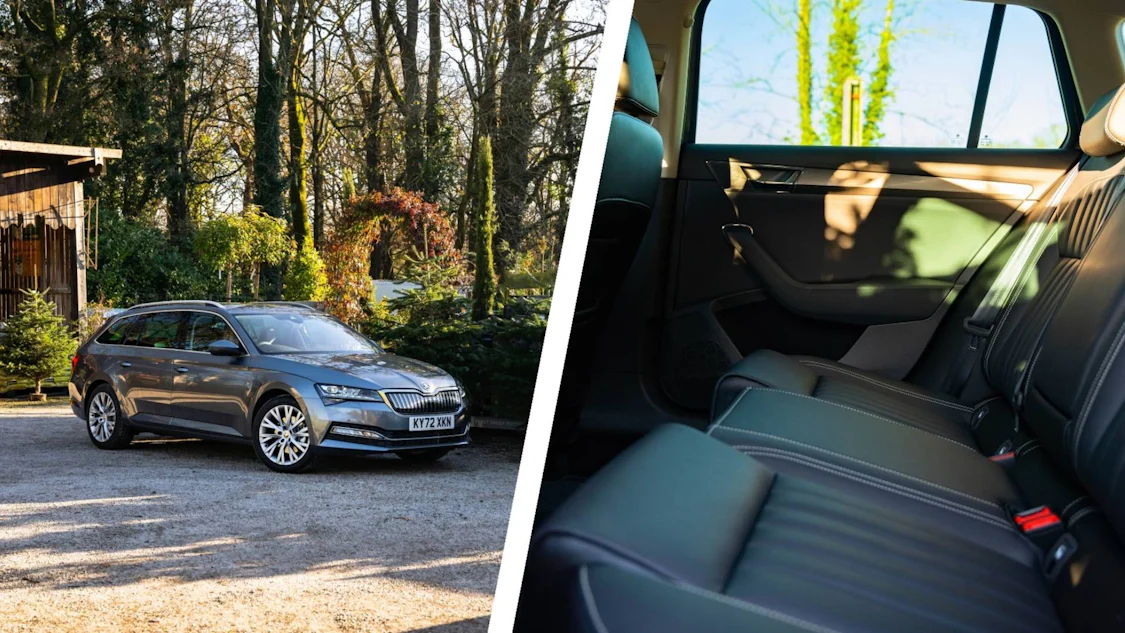
Numbers on a spec sheet can only take you so far. For a true assessment, do a short but deliberate test. First, let a tall passenger sit in the rear with their shoes on. Then check how the knees align with the front seatback and whether the footwell supports a natural heel position.
Next, adjust the front seat to a typical driving position. Don’t use a “best-case” setting. Tall passengers usually sit where they actually drive from, not where comfort is artificially optimized for a showroom photograph.
Try a small range of motions. A gentle ankle movement tells you whether the floor shape is friendly. A slight knee shift reveals whether the space is airy or constrained.
Finally, consider the exit. Legroom isn’t only for sitting; it’s also for getting in and out without awkward strain. The best crossovers make the whole process feel smoother.
Crossovers with best rear legroom: who benefits most
Family life is the obvious answer, but it’s broader than that. Commuters appreciate the ability to relax without renegotiating posture at every stop. Road-trip crews love the calm of a stable seating position. Chauffeured travel becomes more dignified when rear occupants can arrive without stiffness.
And yes, tall passengers benefit most—but not only them. Friends who occasionally ride in back notice the difference immediately. The kind of space that looks “slightly better” to a shorter person can feel transformative to someone who lives on the edge of comfort.
Choosing the right crossover is choosing a kind of freedom
Rear legroom is often treated like a luxury feature. Yet it functions like a freedom feature. It gives time back to the body—time that would otherwise be spent adjusting. It reduces the subtle irritation that accumulates during longer journeys. It also helps rear passengers feel less constrained, more relaxed, and more in control of the travel experience.
The fascination with crossovers that excel here makes sense. When a cabin is designed with tall occupants in mind, it reflects a rare kind of empathy. That empathy shows up in packaging, in geometry, in the invisible decisions that prevent discomfort before it begins.
So if you’re searching for a crossover with the best rear legroom—remember to test the real scenario, not the idealized one. Let a tall passenger sit. Watch how the posture settles. Listen to the quiet shift from discomfort to ease. That’s the true measure of space, and it’s why these crossovers continue to earn devotion.