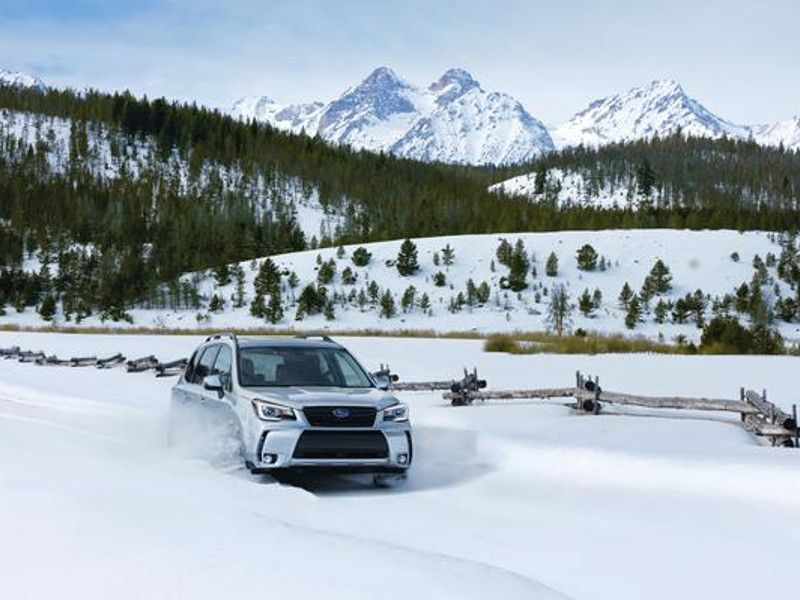
Some vehicles arrive on winter mornings like reliable friends—quiet, competent, and ready. Others feel like they’re still listening for the weather. In snow states, the difference matters, and the best crossovers often share one trait: standard all-wheel drive (AWD). Not optional. Not “available.” Standard AWD is the kind of promise you can set your boots on. When the road turns into a slick ribbon and the air tastes metallic, a crossover with standard AWD behaves less like a machine and more like a patient guide through a white labyrinth.
Here’s the full story of crossovers built to keep moving when the world narrows to headlights, tire tracks, and the hush that follows fresh snowfall. This is a detailed look at what “standard AWD” really means in practice, why it feels uniquely comforting, and how to choose wisely for your region, your commute, and your personal winter ritual.
What “Standard AWD” Means When Snow Starts Falling
All-wheel drive sounds straightforward, yet in winter it becomes a nuanced personality. “Standard AWD” implies the drive system is part of the baseline package—so the traction advantages aren’t something you must remember to select. When roads are slushy, that matters. Slush is sneaky; it hides ice under a mirror-like surface and then changes the rules mid-block.
In crossovers, standard AWD typically uses a distribution strategy designed to maintain grip at low speeds and regain stability when wheel slip appears. The system may prioritize the axle with the best traction, or it may continually shuffle torque to reduce understeer and help the vehicle maintain its intended line. The effect is subtle but powerful: fewer moments of “maybe it’ll hold,” more moments of “it’s fine, keep going.”
Why Crossovers Thrive in Snow States
Crossovers already carry a winter advantage: higher ground clearance than sedans, a commanding seating position, and packaging that tends to favor practical drivability. Their tires and stance—when paired with AWD—create a kind of engineered confidence.
Think of a crossover in snow like a well-balanced canoe in choppy water: it doesn’t eliminate the turbulence, but it gives you leverage. Higher sightlines help you anticipate hazards—frozen ruts, plowed ridges, and the patches of ice that appear like glass wafers.
And because crossovers are built for everyday commutes as much as weekend excursions, many are tuned for smooth throttle response in cold conditions. That matters when traction is inconsistent and you need predictability rather than drama.
The Intriguing Appeal of AWD Crossovers: Control, Not Chaos
Snow doesn’t only reduce traction; it also alters how your inputs are translated into motion. Without AWD, a front- or rear-biased setup can run into limits quickly when the surface becomes uneven or mucky. With AWD, the vehicle can counterbalance those limitations more effectively—especially during cornering or when you crest a partially cleared stretch and the road suddenly changes texture.
What makes standard AWD uniquely appealing is the absence of bargaining. You don’t negotiate with the weather. You don’t “hope” for better grip. You drive as though winter is a regular chapter, not a surprise plot twist.
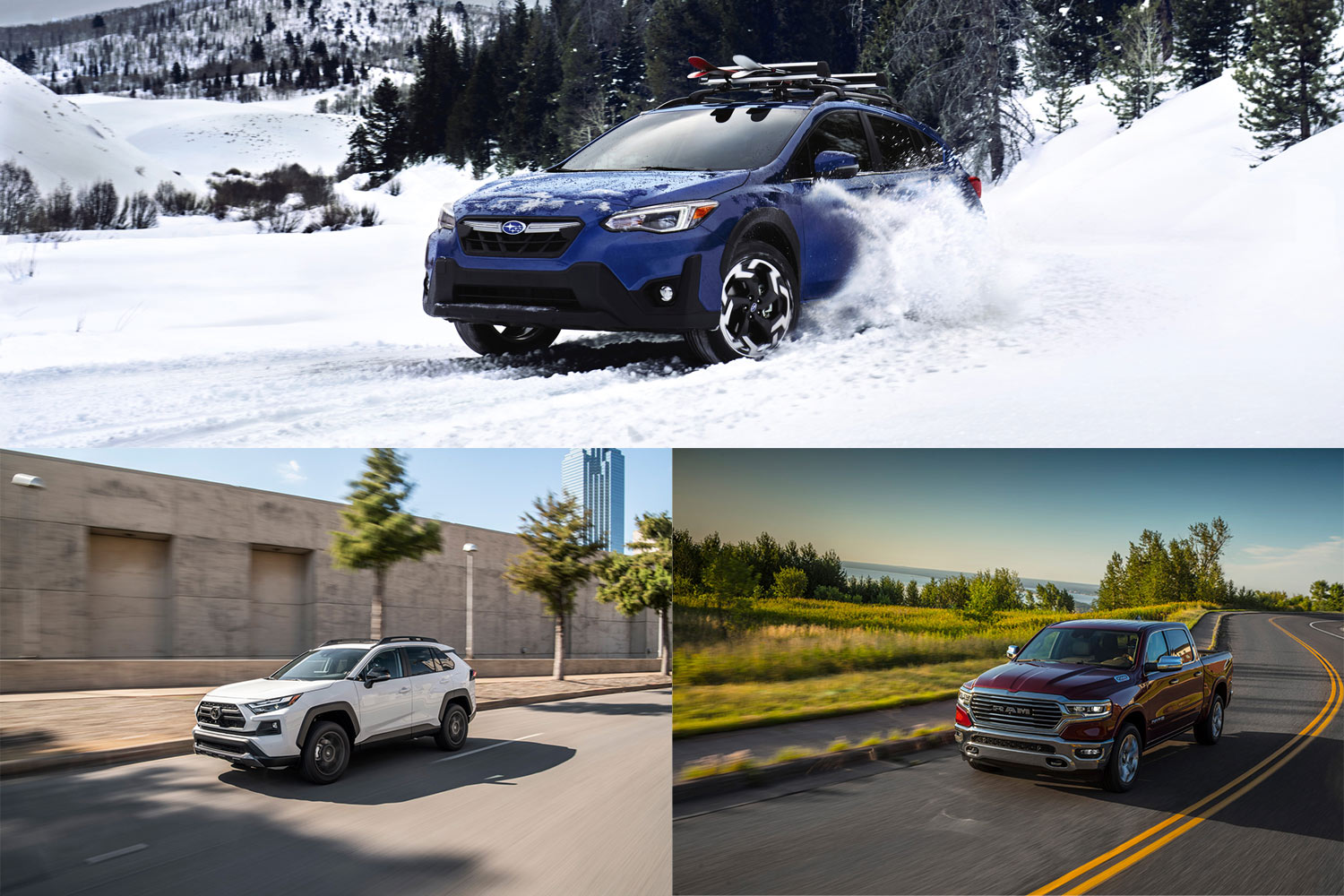
Full List: Crossovers That Feature Standard AWD for Snow States
Below is a comprehensive overview of crossover models commonly sold with standard AWD—ideal for regions where snow is a recurring character rather than a rare guest. Availability can vary by trim and model year, so it’s always wise to verify the specific vehicle you’re considering. Still, these nameplates are widely recognized for offering AWD as a standard drivetrain trait, making them strong candidates for snow-focused households.
A note on scope: This list emphasizes crossovers and compact-to-mid-size crossovers that are marketed with AWD as part of the standard configuration (not merely an add-on for select trims). In snow country, that’s the difference between a reliable winter tool and a conditional capability.
Subcompact Crossovers with Standard AWD: Agile and Confident
Subcompact crossovers bring a nimble feel, helpful for city snow—tight parking lots, narrow lanes, and frequent stop-and-go congestion where traction fluctuates. When standard AWD is paired with well-sorted stability control, these vehicles can feel eerily calm amid slippery choreography.
In dense urban winters, the goal is not maximum speed. It’s smooth, disciplined movement—stopping distances you can predict and acceleration that doesn’t feel like bargaining with physics.
Compact Crossovers with Standard AWD: The Sweet Spot
Compact crossovers often hit the sweet spot for snow states: enough cabin warmth, enough cargo practicality, and a chassis design tuned for everyday comfort. They also tend to offer a better blend of fuel economy and drivetrain robustness than larger options.
These models are frequently chosen by drivers who want “one vehicle for everything”—school runs, highway commutes, weekend errands, and occasional road trips when the forecast turns optimistic. Standard AWD ensures the vehicle is ready without requiring decision fatigue at purchase time.
Midsize Crossovers with Standard AWD: Stability for Real-World Winter
Midsize crossovers add extra mass and composure. In snow country, that composure can be comforting. Not heavier in a dull sense—more like steadying the steering wheel’s conversation with the road.
When winter includes long commutes, crosswinds near open fields, or stretches where snowbanks swallow the edge lines, midsize crossovers tend to feel composed. Standard AWD amplifies that stability by helping the vehicle keep its intended trajectory under slip conditions.
Luxury-Inclined Crossovers with Standard AWD: Sophistication Meets Traction
Some drivers want winter capability without sacrificing refinement. Luxury-oriented crossovers with standard AWD often include additional driver-assistance features that complement the drivetrain—things like adaptive traction logic, improved brake modulation, and stability systems that respond with greater granularity.
The unique appeal here is the marriage of serenity and traction. Winter can be stressful; a well-appointed interior, quiet cabins, and intuitive infotainment reduce the cognitive load. When you’re not constantly “managing” the drive, you can focus on the road’s changing signals.
What to Look For Beyond AWD: Tires, Clearance, and Control Logic
AWD is the backbone, but it’s not the whole story. In winter, tires are the foundation. All-weather tires can help, but snow tires often provide a more confident bite—especially when temperatures drop and slush transforms into packed snow or icy crust.
Also consider ground clearance and approach angles. Crossovers are not all identical in underbody protection or how they handle snowbanks at driveways and parking lots. A slightly higher stance can save wheel wells from unnecessary scraping and reduce the chance of getting “hung up” when snow accumulates unexpectedly.
Finally, pay attention to traction control behavior. In winter, you want predictable intervention. Some vehicles feel smooth, almost graceful, when the system corrects slip. Others can feel abrupt. The goal is harmony between throttle input and drivetrain response.
Intriguing Winter Scenarios Where Standard AWD Shines
Standard AWD proves its value in scenarios that aren’t always top-of-mind when shopping. It’s not just the blizzard day. It’s the routine Tuesday morning where the road starts as dry pavement and becomes slick within blocks.
It’s also the moment you exit a well-cleared highway and roll onto a side road that looks innocent until the first corner. Standard AWD helps reduce that “surprise,” turning uncertainty into a smoother, more controlled progression.
Even in lightly snowed environments, AWD can help with intermittent traction—when your tires alternate between bare asphalt and a powdery film. Those quick changes are where drivers benefit most from a system that reacts rapidly.
How to Choose the Right AWD Crossover for Your Snow State
Begin with your climate pattern. Coastal snow behaves differently than continental snow. Some regions experience freeze-thaw cycles that create glaze ice. Others deal with consistent accumulation. Choose the crossover that aligns with your road texture and typical driving distance.
Then assess your terrain: hills, long grades, and frequent turns demand confidence. If your commute includes steep routes, prioritize drivetrain responsiveness and tire compatibility.
Finally, consider how you park. Driveways, curbside parking, and garages shape what you need from clearance and turning radius. A vehicle that handles well in motion but struggles at slow speeds in snowbanks can become frustrating quickly.
Maintenance Essentials for AWD Winter Longevity
AWD systems thrive when they’re cared for. Routine maintenance—especially drivetrain fluid checks when applicable, brake health monitoring, and tire rotations—helps the vehicle maintain consistent traction behavior.
Also, keep an eye on tire wear. Uneven wear can alter grip distribution and reduce the effectiveness of traction control. In winter, small differences magnify. A worn tire is like a slightly out-of-tune instrument: the vehicle still plays, but the performance loses its crispness.
Winter Confidence: The Real Reward of Standard AWD
There’s a particular kind of relief that comes with knowing your vehicle is prepared. Standard AWD doesn’t just move you through snow; it changes the emotional tone of driving. It replaces hesitation with intention.
Snow states aren’t only about weather. They’re about routines—shoveling after a storm, scraping windows before dawn, and navigating the quiet uncertainty of morning streets. A crossover with standard AWD becomes part of that rhythm, like a dependable coat you reach for without thinking.
Outro: Your Next Crossover, Ready for the White Labyrinth
Crossovers with standard AWD offer a compelling blend of capability, convenience, and calm. They help you treat winter as a predictable environment rather than an unpredictable adversary. When the roads become slippery, when visibility thins, and when traction turns into a shifting puzzle, standard AWD is the kind of preparedness that feels quietly heroic.
Choose wisely—match the vehicle to your climate, prioritize tire readiness, and verify drivetrain specifications by trim and model year. Then drive. The snow will keep falling, but your confidence won’t.