There’s a peculiar kind of momentum surrounding Volkswagen’s ID.4—an electric SUV that feels familiar the moment you encounter it, yet strangely new once the details begin to accumulate. Owners and shoppers often notice the same paradox: it’s praised for everyday usability, but the conversation quickly veers into production realities, sourcing decisions, and the quiet engineering choreography behind what ends up on the road. That’s where the question becomes more interesting than the answer. Is the ID.4 really just a car you drive, or is it a signal—one Volkswagen is sending through U.S. manufacturing updates and the choices that follow?
In this review, the spotlight lands on Volkswagen ID.4 in the context of recent U.S. production developments. The aim is simple: address the common observation that “production updates sound technical and distant,” then reveal why they actually have a lot to say about the vehicle’s feel, availability, and long-term confidence. Beneath the surface lies a deeper fascination—one driven by how electrification is staged, financed, and translated into steel, software, and shipping schedules.
Why the ID.4 Still Feels Personal, Even at Scale
At first glance, the ID.4’s mission reads like a practical promise: provide a spacious, comfortable electric SUV that can fit into normal life. But electric vehicles are not just products; they’re systems—systems made of batteries, electronics, supply chains, and service networks that must behave in concert. That’s why many people comment on the “ordinary” parts—comfortable seating, intuitive storage, predictable driving manners—then later notice how those ordinary moments depend on behind-the-scenes coordination.
There’s a quiet confidence to a vehicle that arrives with consistency. When U.S. assembly expands or shifts, that consistency can improve. Not overnight. Not magically. Still, changes in production location can reduce variability, shorten certain lead times, and help align the car’s configuration to what local buyers actually request. The fascination begins when you realize manufacturing isn’t just logistics—it’s part of the product’s personality.
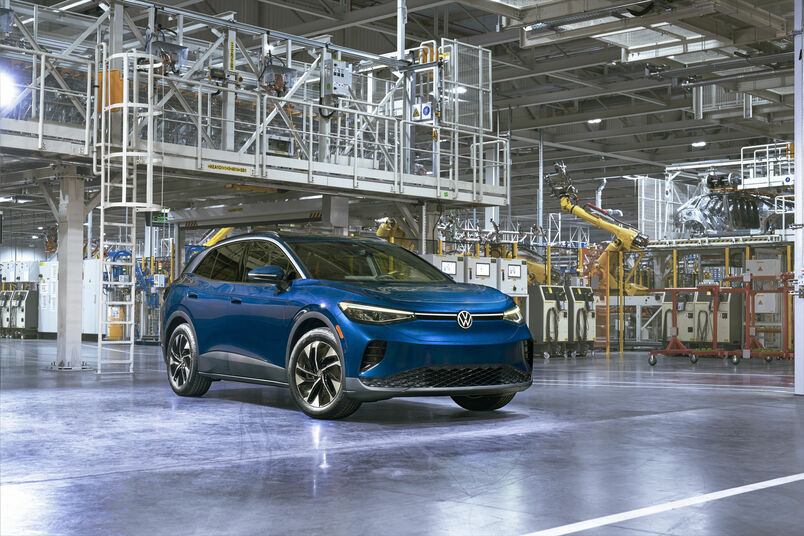
U.S. Production Updates: The “Distant” Change That Reaches Your Drive
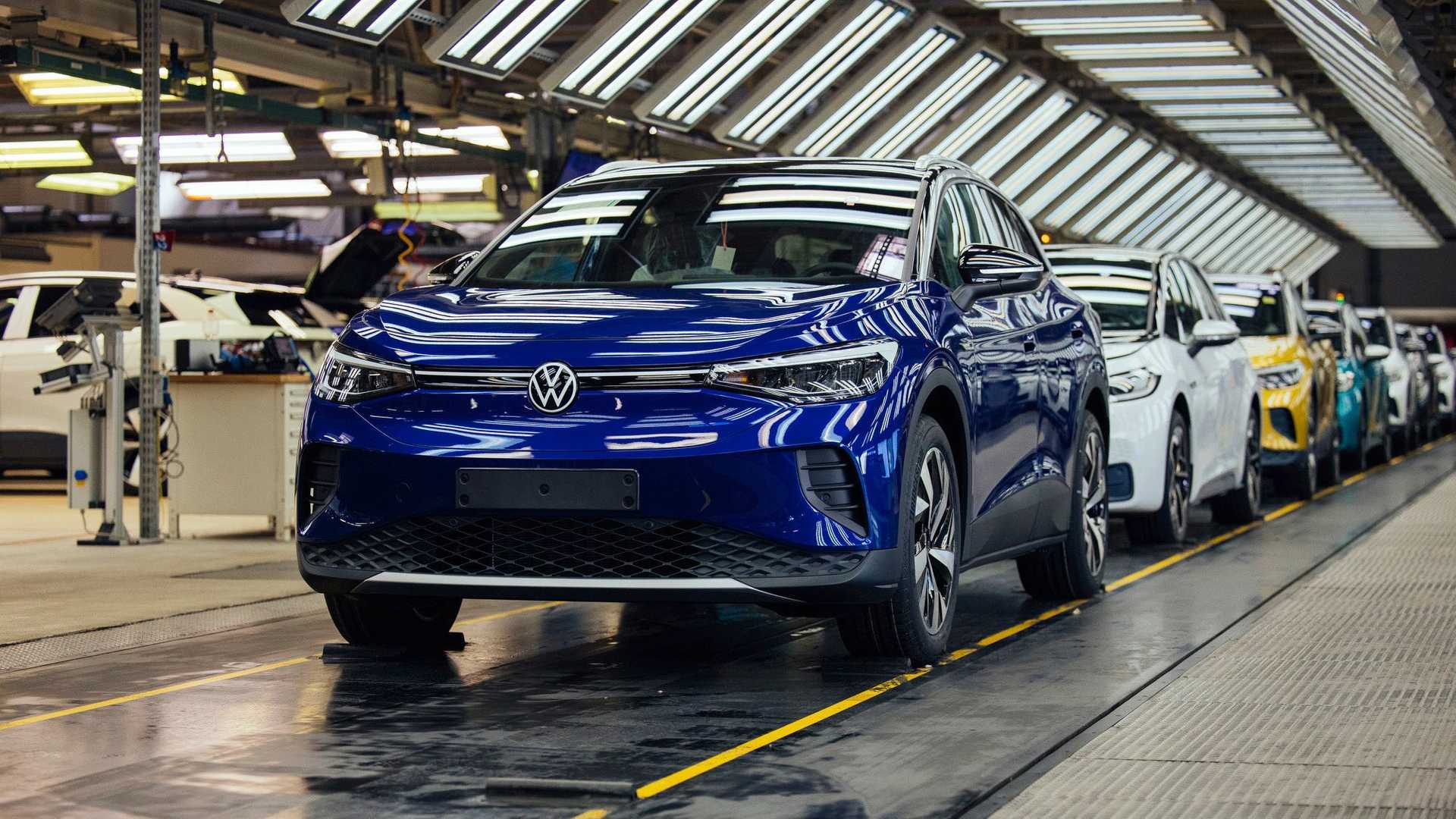
It’s easy to treat production headlines like weather reports: informative, but not directly actionable. Yet when Volkswagen starts U.S. assembly of an all-electric ID.4 flagship, the implications travel farther than most people expect.
Consider what “local assembly” can influence. First, it can tighten the link between demand and delivery. Buyers rarely want to wait; they want clarity. Second, it can shape packaging choices, trim availability, and the practical mix of options that dealerships can realistically stock. Third, it can bolster service preparedness. Electric cars rely on parts availability, software support, and trained technicians—capabilities that tend to deepen when a market is producing more of what it sells.
This is the deeper reason for fascination: production decisions act like invisible tuning forks. They set the rhythm for how the vehicle ecosystem behaves—how quickly customers can get the specific ID.4 they want, how reliably components arrive, and how quickly the brand can refine processes based on local feedback.
Exterior Presence: Familiar Lines, Electric Intent
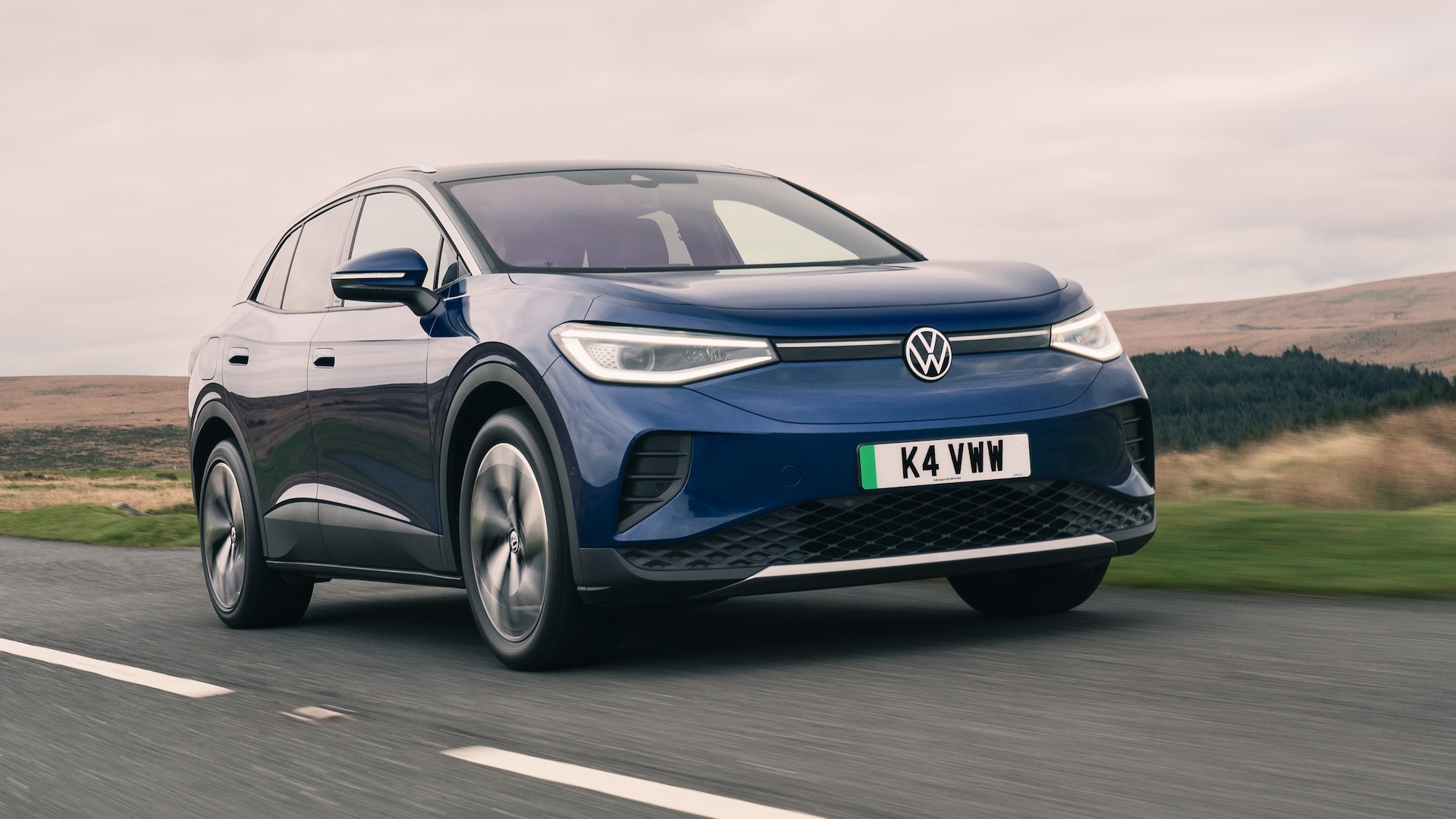
The ID.4’s design is often described as approachable, and that’s not a compliment delivered lightly. It doesn’t demand attention with theatrical angles; instead, it invites attention with proportion and cleanliness. Yet “quiet” design has a purpose in electrification. Aerodynamics matter, thermal management matters, and the car’s shape becomes a tool, not just an ornament.
When you watch the vehicle moving—especially in daylight—you notice how it holds its composure. The front fascia feels purposeful, the surfaces appear engineered rather than merely styled. That’s where production and design overlap: the more a manufacturer can stabilize manufacturing methods, the more consistent the build quality tends to be across vehicles. Small variations in fit, finish, and panel alignment are the kinds of details drivers feel, even if they can’t always name them.
Interior Comfort and Usability: Where Electric Cars Earn Trust
Electric vehicles can be impressive in spec sheets, but they earn trust in mundane moments. The ID.4 tends to score well here: visibility feels practical, cabin materials feel considered, and the layout typically avoids the “why is it hidden?” frustration that plagues some competitors.
It also helps that the ID.4 is designed for daily rhythms. Storage compartments make errands less chaotic. Seat comfort supports longer drives without turning every trip into an experiment. And while technology is an important factor, the best systems don’t announce themselves. They assist. They respond. They fade into the background until you need them.
Production updates can indirectly affect this experience. When manufacturing ramps with clearer workflows and more localized assembly capacity, it can reduce the randomness that sometimes shows up in vehicle delivery cycles—randomness that can translate into inconsistent option availability. A customer who can more reliably find the interior and software configuration they want is more likely to perceive the car as cohesive rather than assembled from compromises.
Driving Dynamics: Smoothness, Weight, and That “Instant Read” Feeling
The ID.4 generally delivers an EV driving signature that many drivers recognize immediately: steady acceleration, minimal drama from the powertrain, and a calm sensation at low speeds. The car’s mass is present, but it’s not oppressive. The result is a kind of controlled ease—especially in stop-and-go traffic.
What becomes noticeable over time is the “instant read” character of electric torque. Inputs feel legible. Steering and body behavior communicate what the car is doing, which helps build confidence. This is one of the reasons people keep coming back to the ID.4—because it doesn’t require driver interpretation. It’s more like a well-tuned instrument than a temperamental machine.
Again, production updates matter in the background. Consistent manufacturing reduces the odds of subtle differences across units. Even small build factors can influence how a vehicle feels on real roads. The ID.4 is ultimately about the sum of those micro-impressions.
Range, Charging, and the Real-Life Budget
Range is often treated as a number, but in practice it’s a budget. The ID.4’s appeal lies in how workable that budget can be. For many households, charging routines become predictable: home charging overnight, occasional topping up on longer routes, and fewer worries about “making it by pure optimism.”
U.S. production updates can contribute to confidence in the overall ownership arc. When a manufacturer invests in local production capacity, it tends to do more than build vehicles. It invests in supply chain resilience—meaning parts availability and service readiness are less fragile. That matters when you’re planning charging infrastructure upgrades or scheduling maintenance.
And there’s another fascination here: electrification changes the relationship between the car and the calendar. You begin to think in sessions rather than refuels. That shift—subtle, behavioral, almost philosophical—makes production strategy feel surprisingly relevant.
Technology and Software: The Quiet Complexity
Electric vehicles carry more software than many drivers expect. Some systems are visible, like infotainment and driver assistance features. Others are quietly omnipresent: battery management logic, thermal controls, energy optimization strategies. The best experiences happen when the system behaves predictably, even when conditions change.
Local assembly and broader production scaling can help the manufacturer iterate with faster feedback loops. When vehicles are built closer to the market, the brand may better gauge which configurations are most common, which issues appear more frequently, and which updates are most urgently needed. That doesn’t replace engineering rigor, but it can accelerate learning.
Pricing, Availability, and the Market Signal
Potential buyers often worry about value. The question isn’t only “Is it worth it?” It’s also “Will I be able to get one, and will it remain supported?” When Volkswagen expands U.S. assembly for the ID.4, it sends a market signal that the company intends to treat the EV platform as more than a temporary project.
Availability is a practical form of reassurance. It means the dealership ecosystem can stock more accurately, and buyers can move from research to purchase without feeling like they’re chasing a moving target. It also helps stabilize expectations around which trims and features show up when.
Who the ID.4 Fits Best
The ID.4 is a strong match for drivers who want EV practicality without theatrical compromises. It suits families that prioritize space, commuters who value smooth daily driving, and road-trip enthusiasts who want a clear charging rhythm. And it often attracts shoppers who care about brand continuity—people who don’t just want a feature list, but a vehicle that will remain viable through time.
If you’re among those buyers, U.S. production updates are more than industry news. They’re part of what you’re buying: a promise of support, supply, and continuity.
Conclusion: The Car and the Factory, Intertwined
Volkswagen ID.4 has always been compelling in the straightforward ways—space, comfort, smooth electric performance. But the deeper fascination emerges when you connect the driving experience to the production story. U.S. assembly developments may appear distant at first, yet they influence availability, consistency, service readiness, and the long-term confidence that makes EV ownership feel less like a leap and more like a plan.
In the end, the ID.4 isn’t just an electric SUV. It’s a moving intersection of engineering choices and manufacturing strategy. And once you notice how those forces overlap, the car becomes harder to dismiss—and easier to understand.