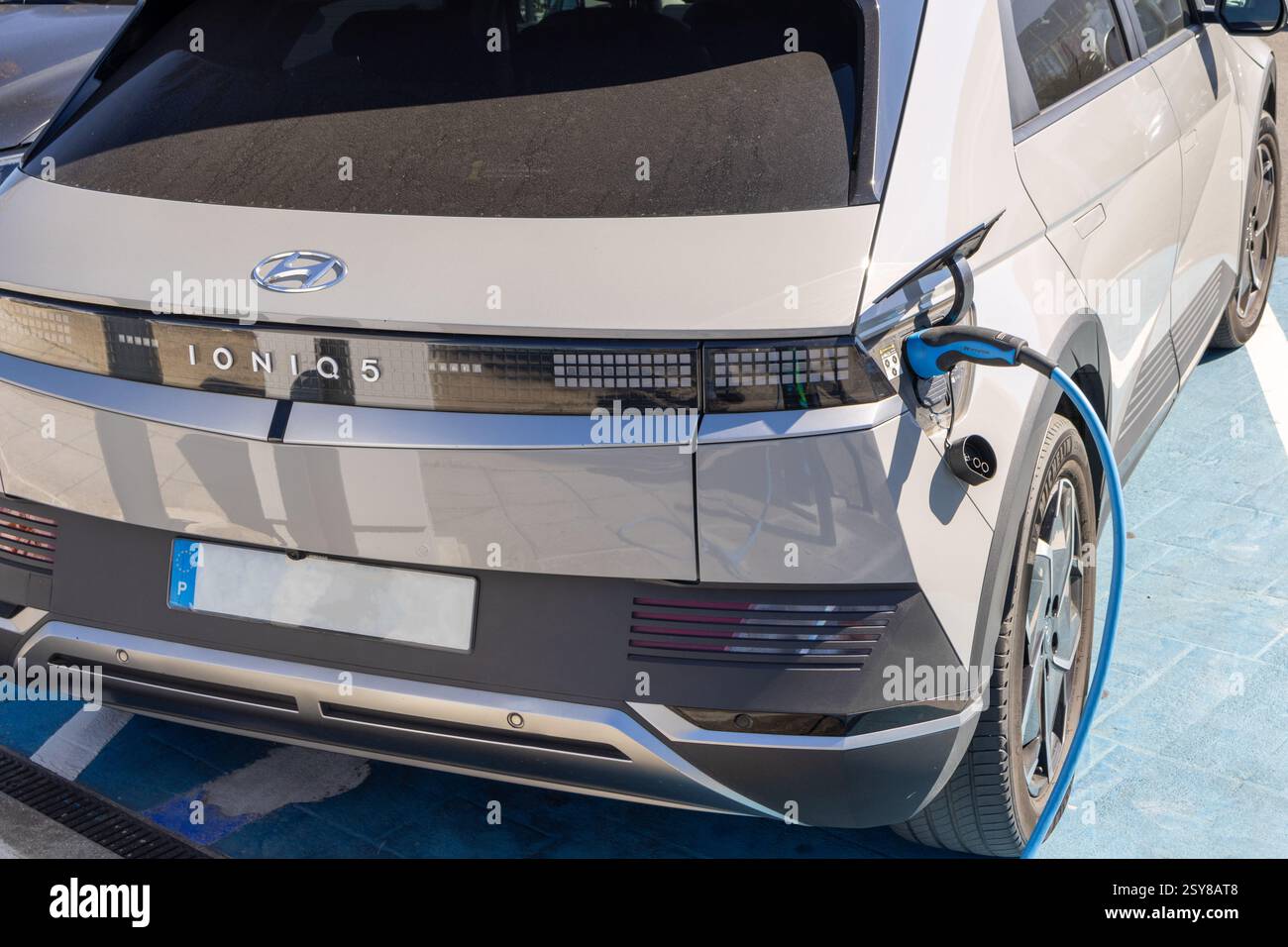
The Hyundai Ioniq 5 has always felt like a car designed for tomorrow—bright lines, a spacious cabin, and an electric drivetrain that doesn’t seem to apologize for its own cleverness. But the real story is now shifting toward something more fundamental: energy density, battery capacity, and the way the car drinks from the charging grid. With an updated, larger battery and improved charging behavior, the Ioniq 5 moves further into the realm of practical long-distance use, where range is no longer a talking point—it’s simply expected. This review focuses on what changes, what stays reassuringly familiar, and what you can reasonably anticipate when you plug in.
Expect a blend of quick answers and deeper dives. There’s room here for the commuter who wants effortless daily charging, and for the road-tripper who measures freedom in motorway exits rather than percentages. Along the way, the review also covers the nuances: charging curves, cable management, scheduling logic, thermal behavior, and the subtle ways software can make a battery feel larger than it is.
What’s New: The Updated Battery Concept
A larger battery isn’t just “more range.” It changes the car’s overall character. When the pack has additional capacity, the vehicle can often reserve power for acceleration without drawing the battery down too quickly. That means less stress on thermals during repeat drives and a more composed feel across real-world gradients.
In practical terms, the updated battery reduces the psychological friction of EV ownership. With more stored energy on board, planning routes becomes less obsessive. The dashboard can stay in a calmer mood, and the “reachability” of destinations increases—especially when weather turns uncooperative.
Battery Chemistry, Usable Capacity, and Real-World Range
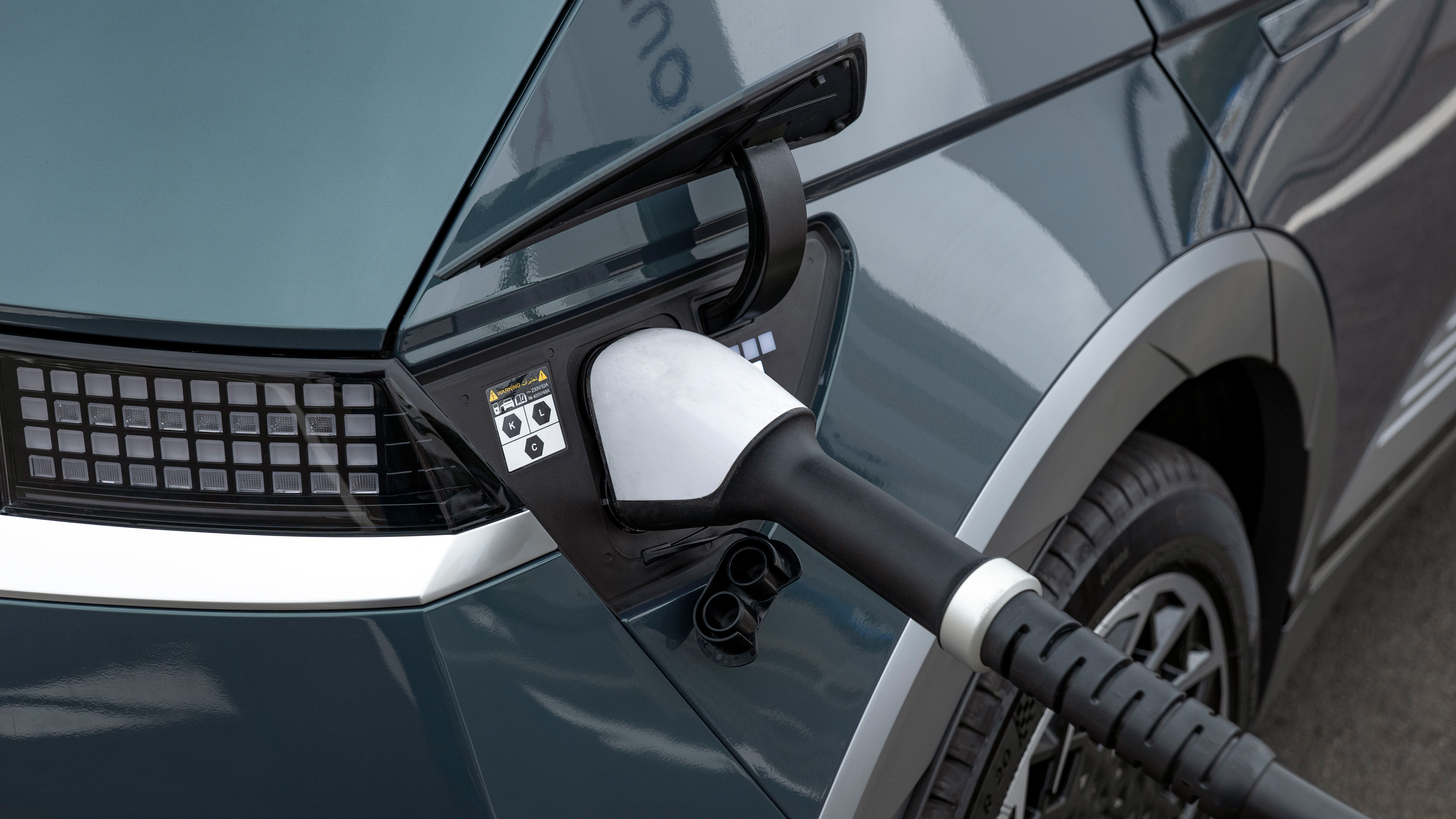
Battery capacity is advertised in headline numbers, but the experience depends on usable capacity—the portion the car actually lets you access while protecting longevity. Modern EVs manage this with a blend of cell-level monitoring and pack-level safeguards. That’s why two cars with similar rated capacities can sometimes feel different in the last 20% of charge.
The Ioniq 5’s updated configuration aims to improve that endgame. More buffer energy allows the vehicle to deliver consistent performance and mitigates the rapid drop in available power that can occur as a smaller pack nears depletion. Range becomes more linear across the trip, which is an underappreciated comfort when you’re navigating city stop-start traffic followed by highway cruising.
Cold weather remains the great variable. In winter, battery efficiency declines and cabin heating competes for energy. With the larger pack, the Ioniq 5 can typically absorb those efficiency losses with less visible impact. The result is an EV that feels less like a calculator and more like a grown-up daily driver.
Charging Types You’ll Encounter (and How They Differ)
Charging isn’t one thing—it’s an ecosystem. To understand how the Ioniq 5 behaves, it helps to break charging into three familiar categories: AC charging for home or workplace, DC fast charging for rapid trips, and opportunistic top-ups that happen in the gaps between life’s obligations.
AC charging is where EV ownership becomes routine. You plug in after dinner, wake up to a fuller battery, and move on with the day. AC charging is typically slower but gentler, and it’s ideal for predictable daily mileage.
DC fast charging is the road-trip enabler. It’s designed for shorter sessions, delivering high power at the start and then tapering as the battery fills. The Ioniq 5’s updated pack should help sustain faster charging for a bit longer, but behavior still depends on temperature and the specific station.
Opportunistic charging happens when you’re already stopped—at supermarkets, during coffee breaks, or while working. It’s less about maximum speed and more about converting time into energy without reorganizing your schedule.
DC Fast Charging: Speed, Tapering, and Charging Curves
Fast charging is often discussed in terms of peak power, but the true experience is governed by the charging curve. EVs generally accept maximum current when the battery is cool and not too full. As the pack approaches higher state-of-charge levels, the car reduces charging power to protect cell health and prevent excessive heat accumulation.
With the Ioniq 5’s updated larger battery, the pattern can feel more forgiving. Drivers often notice that the battery reaches usable levels quickly, which is what matters most in real itineraries. For example, arriving at a charger with a low-to-mid state of charge typically results in a more efficient time-to-range conversion.
Still, station quality matters. Some chargers throttle output due to grid load or thermal limits inside the unit. That can make two identical chargers deliver different results. The most reliable strategy is to arrive with sufficient headroom (not nearly full), and keep an eye on the car’s on-screen estimates rather than relying on a universal “minutes per percent” rule.
AC Charging at Home: Comfort, Scheduling, and Habit
Home charging is where the Ioniq 5 earns its keep. With AC charging, the car becomes a nightly ritual. The scheduling system can align charging with off-peak electricity rates, or with renewable energy availability when supported by your home setup.
A larger battery changes how this routine feels. Instead of frequently topping up, you can charge less often while still staying within typical weekly driving needs. That reduces cable wear, connector fatigue, and the mental overhead of “charging again soon.”
The car’s interface is also key. A clear charging overview—showing estimated completion time, target charge level, and session history—turns charging from an event into a background process. Short sentences like “Set it to 80% for tomorrow” become part of everyday life.
Thermal Management: The Hidden Determinant of Charging Performance
Fast charging is fundamentally a thermal story. Delivering high current creates heat, and the battery management system must manage that heat to preserve performance and long-term health. Thermal conditioning can mean the difference between an impressive charging session and a disappointing one.
The Ioniq 5’s approach centers on keeping the battery in an effective temperature band. When the pack is preconditioned appropriately—often supported by navigation to fast chargers—the car can start charging at higher power more consistently. Without preconditioning, the first minutes may be slower while the battery warms or stabilizes.
That’s why the “how fast will it charge?” answer is never purely about the battery size. It’s about the choreography between your route, the car’s prediction algorithms, the ambient weather, and the charger’s capabilities.
Cable Management, Ease of Use, and Real-World Plug-In Life
Charging success is not only electrical; it’s also tactile. Cable handling, connector ergonomics, and location convenience influence whether charging feels straightforward or faintly bureaucratic.
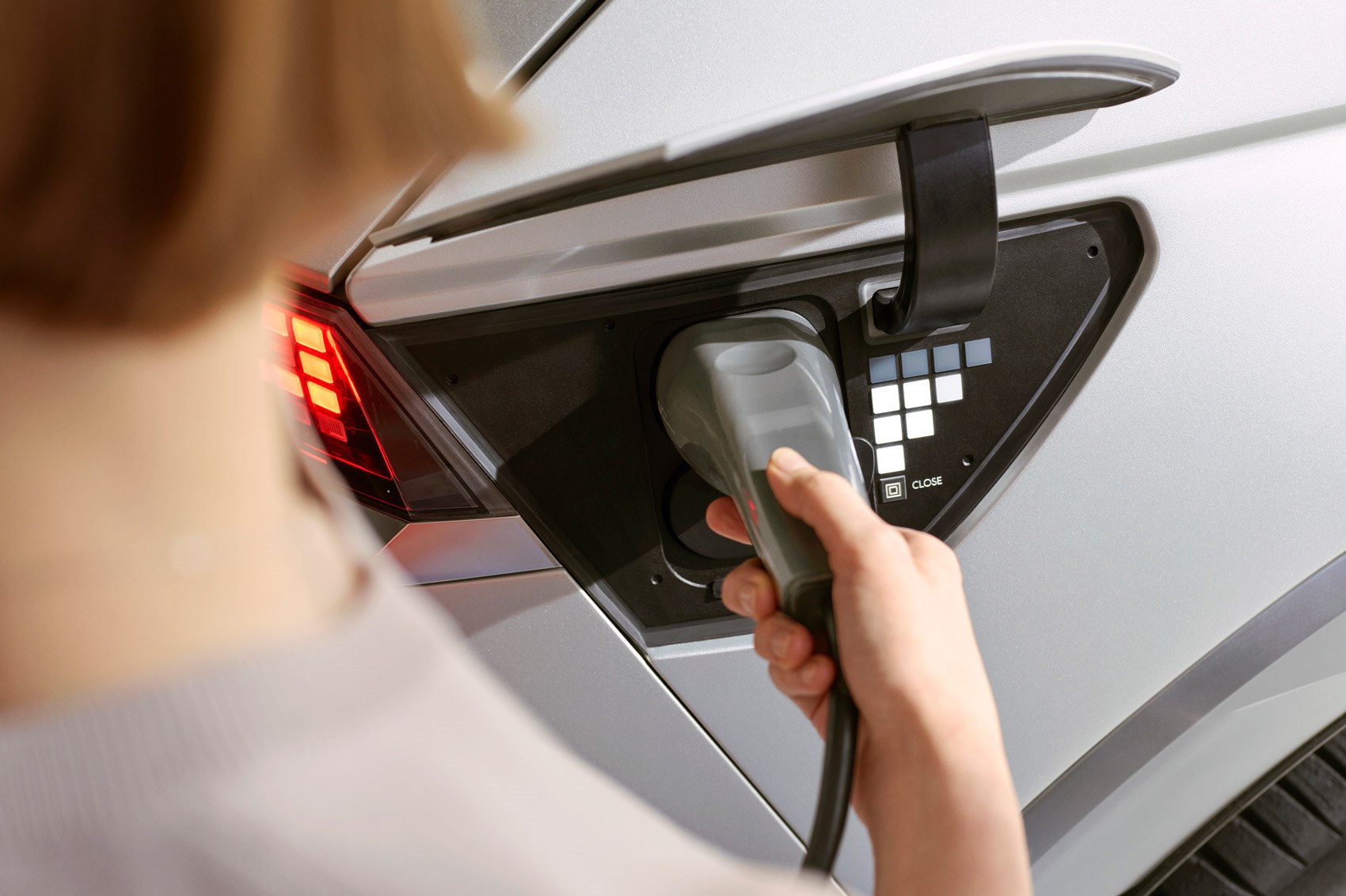
At public stations, the Ioniq 5’s plug-in process should feel familiar to anyone who has already owned an EV. Clear prompts, predictable behavior, and a charging session that doesn’t require guesswork contribute to confidence. The experience improves when the car’s display and phone pairing—if used—communicate status clearly: starting, charging, time remaining, and estimated end state.
These are the small details that turn “charging” into a simple task. Long stops become shorter. Short stops become more useful.
How the Updated Battery Changes Trip Planning
Trip planning is where the battery update becomes more than a spec-sheet improvement. With more usable energy available, you can select fewer chargers or choose chargers that are more convenient rather than only those that minimize time at the edge of the map.
When range is more generous, drivers can adopt a “charge when convenient” approach. Instead of aiming for the absolute minimum dwell time, you can target stops that line up with real breaks—bathroom breaks, stretch time, meal stops, or a quick walk around a service area.
This is the emotional payoff. A larger battery doesn’t eliminate uncertainty, but it reduces the number of decisions you have to make while driving. That can make long journeys feel noticeably less tense.
Charging Strategy: Practical Recommendations
For everyday use, charge to a level that matches expected driving. Many drivers prefer keeping a mid-range target for longevity, such as 70–90% depending on habits, and then charging higher only when a longer trip is approaching.
For long-distance travel, begin with a state of charge that allows fast-charging headroom. Plan charger visits so you arrive with room for the pack to accept high power. Use the car’s navigation and preconditioning features when available. Then, treat the final part of the charge as the time where power naturally tapers—plan for it rather than fighting it.
Ownership Perspective: Longevity, Cost, and Confidence
Battery longevity relies on consistent habits and good thermal management. Frequent deep discharges can increase wear, while routinely charging to maximum can also add stress. However, modern battery management systems are designed to protect cells across a wide range of real usage. The Ioniq 5’s updated larger pack provides additional flexibility, allowing drivers to adopt healthier charging patterns without constantly chasing the nearest charger.
Cost calculations also become easier. With more capacity, you can reduce the frequency of public charging sessions, depending on your home setup and commute distance. That can lower running costs and lessen reliance on variable pricing at fast chargers.
Verdict: A Smarter Ioniq 5 for the Plug-In Era
The Hyundai Ioniq 5’s updated battery and charging behavior refine an already compelling EV. It feels more confident on long routes, more forgiving when the weather conspires against efficiency, and more practical for daily life where charging should never be a chore.
Charging speed is only part of the equation. The larger pack changes the cadence of trips, improves the real-world sense of availability, and makes fast charging sessions feel more productive rather than merely “possible.” In the end, the updated Ioniq 5 delivers a distinct kind of reassurance: the kind that comes from having enough energy on board, and enough intelligence behind the scenes, to let you drive without constantly renegotiating the plan.
For buyers weighing practicality against performance, the revised Ioniq 5 lands in a satisfying place—still stylish, still spacious, and now even more ready for the world beyond the driveway.