The Hyundai Santa Fe has always had a knack for feeling capable before you even start the engine. Now it does something more subtle—and more persuasive: it looks ready for the world you actually live in. The newest Santa Fe leans into a boxier, more sculpted design language, trading some of its former softness for sharper geometry and a more purposeful silhouette. It’s the kind of styling that doesn’t just “stand out” at a stoplight. It frames your destination. It suggests organization. It promises that the adventure can be efficient, not chaotic.
This review focuses on what that boxier new design means in real life: how it changes the first impression, how it influences cabin usability, what you can expect from materials and visibility, and how the overall persona of the SUV shifts as competitors keep getting more streamlined. Along the way, you’ll find practical details, design-driven observations, and a breakdown of the visual cues that separate a new generation from a mere facelift.
First Impressions: A Boxier Stance That Feels Intentional
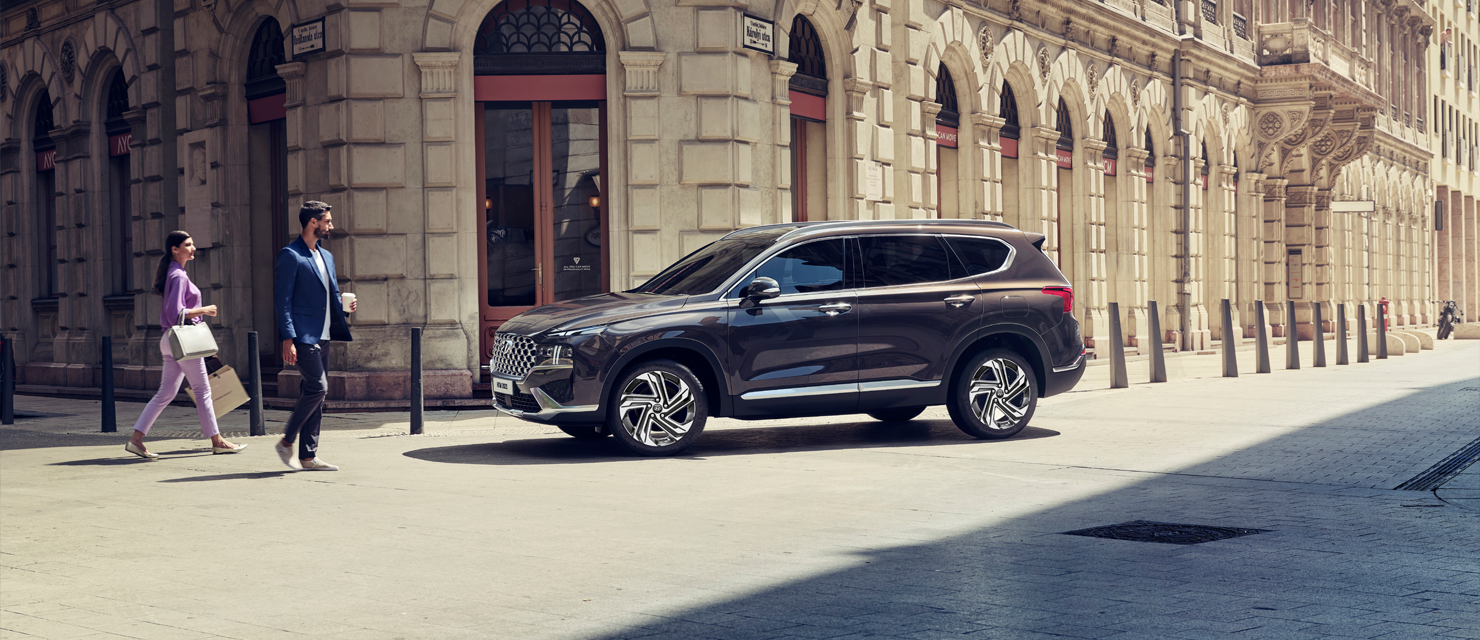
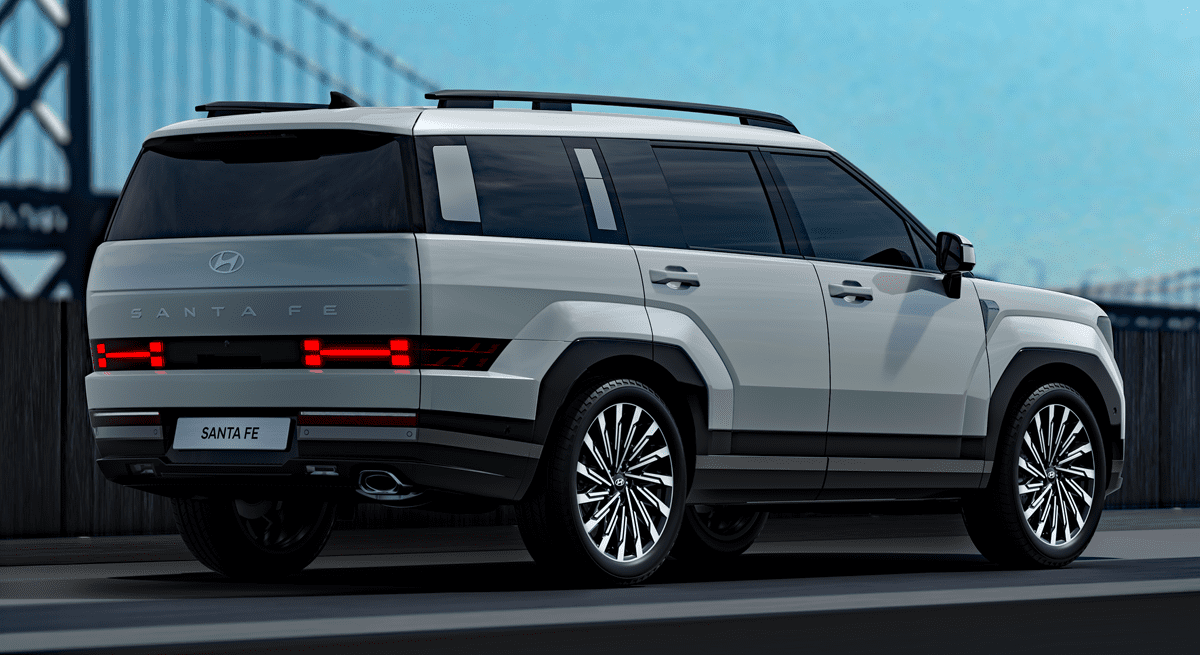
From the outside, the latest Santa Fe communicates confidence through proportions. The roofline feels more squared, the wheel arches appear more pronounced, and the body surfaces look carefully “constructed” rather than simply styled. This boxier approach creates a sense of grounded stability. It also improves how the SUV reads at distance. Where rounded designs can blend into the flow of traffic, a more rectilinear profile has a stronger silhouette—especially in the daylight.
Expect the front fascia to act like an anchor. The grille and lighting elements frame the vehicle with a structured visual rhythm. The result is a face that feels less like an accessory and more like a tool—like it was designed to meet wind, weather, and long weekends with equal seriousness.
Exterior Design Details: Lighting, Surfaces, and Proportion Games
The boxier character isn’t just about the overall shape. It’s reinforced by details that create depth. Light clusters appear more vertically oriented, giving the SUV a slightly taller, more commandable stance. Body panels show sharper creases, which catch light in a way that makes the vehicle look more dimensional—almost architectural.
Another subtle win is stance clarity. Many modern SUVs are sleek enough to blur their own outline in motion. This Santa Fe avoids that trick. Even when parked, it looks like it’s ready to move. The proportions also work in favor of utility aesthetics: the cabin seems to sit in a “stable volume,” which helps the vehicle feel roomy even before you step inside.
Color and wheel design also matter here. With a more boxy body, contrast highlights become more meaningful. A darker wheel profile, for instance, can accentuate the squared edges and make the arches look even more purposeful.
Cabin Personality: Space That Feels More Usable
A boxier exterior often signals interior practicality, and the Santa Fe follows through in spirit. The cabin’s geometry tends to prioritize headroom and shoulder comfort because the design philosophy favors an organized volume. Translation: fewer awkward transitions, less “cozy-capsule” constriction, and more room to spread out during daily life.
In real-world terms, this design direction is helpful for the people who use their SUV like a moving office or a weekend logistics hub. Bags fit more naturally. Seating positions feel less like you’re negotiating a puzzle with the seatback. Even when the ride isn’t being pushed to its limits, the cabin’s layout encourages straightforward living.
Long sentences can be restful when they lead to clarity: the Santa Fe’s interior aims to reduce friction. It wants you to glance, reach, stow, and go.
Visibility and Driving Posture: Command Without the Clutter
Boxy design influences driving posture, and that matters more than it sounds. A more upright cabin outline generally improves outward visibility, especially for judging corners, cross-traffic, and parking situations. The Santa Fe’s stance gives you a confident point of view, one that feels like it’s designed to keep you aware rather than merely protected.
The driving position typically feels natural, with controls reachable without excessive stretching. That’s a small detail with big consequences. Over time, comfort isn’t just about softness—it’s about predictable ergonomics. When the SUV’s layout supports your movement, fatigue drops.
Look beyond the steering wheel, too. A well-designed dashboard and window framing can reduce visual noise. The goal is a cockpit that feels calm at speed.
Material Choices and Build Feel: A More Mature Kind of Comfort
Design evolution should show up in tactile details, not just in photos. The Santa Fe’s interior presentation leans toward a more mature cabin atmosphere, where surfaces and trims are intended to look intentional rather than merely decorative. Expect an emphasis on fit and finish—panel alignment, console integration, and the way switches and controls fall naturally under the thumb.
In a boxier vehicle, the cabin often feels “wider” because the sides don’t visually taper as aggressively. That can create a psychological sense of openness. The sensation is subtle, but it’s real: you feel less boxed-in and more supported.
Comfort here is about stability. Seats tend to balance cushioning with posture support, helping the driver and passengers stay composed on longer drives.
Infotainment and Controls: Familiar Logic, Modern Pace
While design draws you in, usability keeps you there. The Santa Fe’s tech experience is designed to be readable and manageable. Menus should behave predictably, and controls should avoid forcing you into a scavenger hunt while driving.
Expect a layout that aims for clean access—short paths between the driver and the vehicle’s most common functions. Whether you’re adjusting climate settings or navigating through a route, the intent is to reduce cognitive load. Short sentences are useful here: you want fewer steps, fewer surprises.
For buyers who spend time in traffic or on errands, this matters. A well-designed infotainment system doesn’t just look good; it shortens the time between intention and action.
Hybrid Perspective: The Santa Fe’s Efficiency Character
Some versions of the Santa Fe lineup come with hybrid capabilities, and the design conversation shifts slightly when efficiency enters the narrative. A more aerodynamic body can improve fuel economy, but a boxier silhouette still supports practicality—especially when paired with a powertrain tuned for smooth operation.
Driving feel becomes a point of focus. Hybrids often deliver quiet momentum at low speeds, which pairs well with a more upright, composed cabin presence. It’s an atmosphere advantage: the SUV can feel less “busy” in everyday driving.
Real-World Utility: Family Logistics and Weekend Readiness
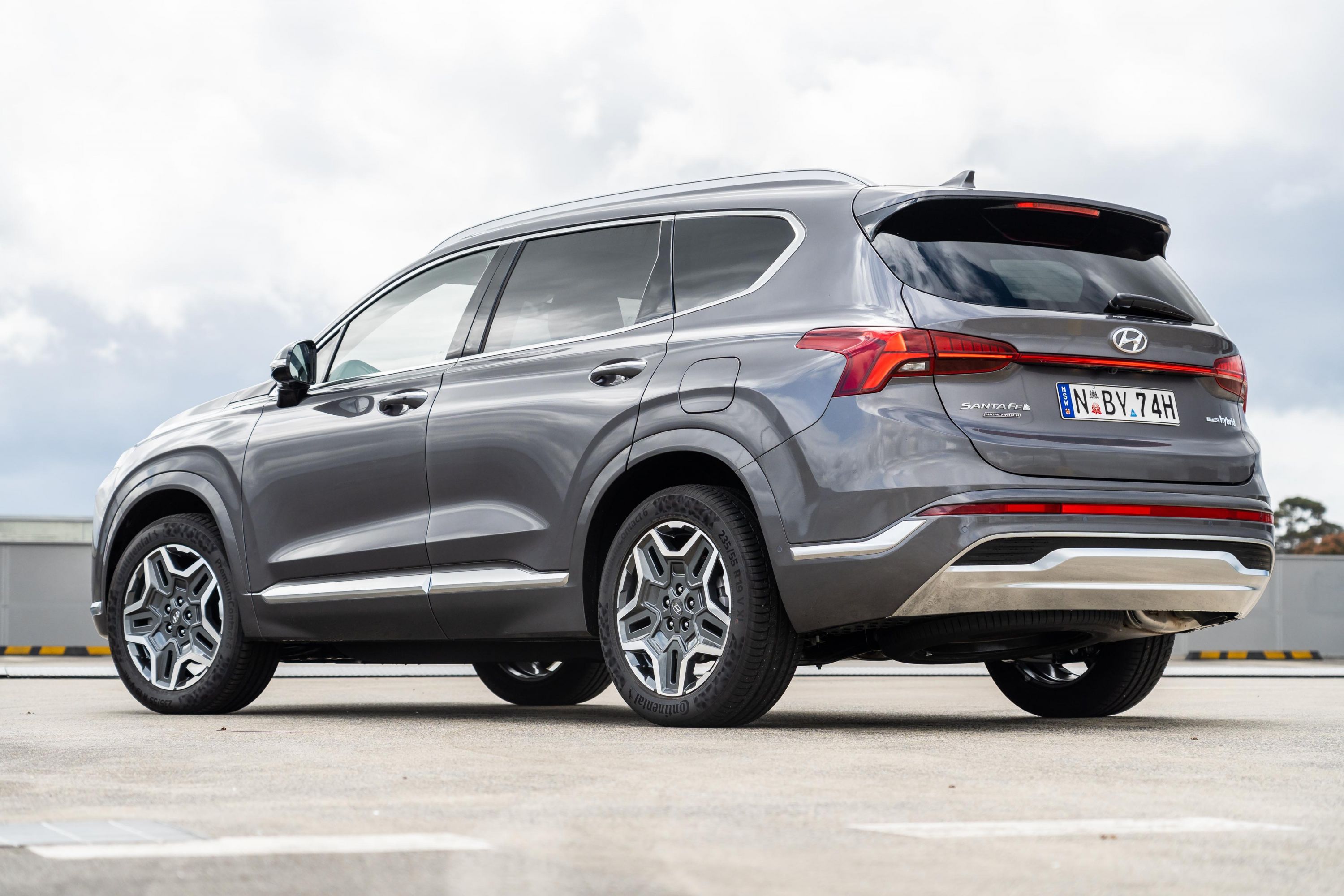
Hyundai’s styling refresh isn’t just cosmetic; it’s meant to match how people actually use an SUV. The boxier exterior supports a cabin volume that tends to feel accommodating for families, commuters, and anyone who regularly carries gear. Think grocery runs, school schedules, sports equipment, camping necessities, and the occasional “we’ll fit it” moment that must actually work.
As you move from design to practicality, pay attention to storage usability. Door pockets, console spaces, and rear cargo access all contribute to how seamless the vehicle feels. A boxier shape can correlate with more straightforward cargo geometry—less wasted space, easier loading.
This is where the Santa Fe earns its keep. It wants to be a dependable container for life’s recurring tasks.
Design Critics vs. Enthusiasts: Finding Your Fit
Not every buyer loves boxy designs. Some people prefer aerodynamic minimalism. Yet the Santa Fe’s boldness offers a different kind of appeal: clarity, presence, and a sense of readiness. The shape doesn’t hide behind trends. It behaves like a statement with function attached.
If you enjoy vehicles that look like they belong in the real world—busy streets, long highways, rain-slick commutes—this design direction is likely to feel right. It’s a look that ages with confidence because it’s rooted in proportion rather than novelty.
Final Verdict: Boxier, Bolder, and Built to Be Lived In
The Hyundai Santa Fe Review—Boxier New Design—lands on a simple conclusion: the new styling isn’t merely about being different. It’s about being more coherent. The SUV’s boxier stance creates immediate visual authority, while the interior volume and usability cues reinforce that sense of purpose once you’re behind the wheel.
Where some redesigns chase sleekness, this one chooses structure. It offers a cabin that feels open, visibility that supports confidence, and a presence that suits both everyday errands and weekend departures. If you’re looking for an SUV that looks ready and feels practical from the first glance to the last mile, the Santa Fe’s new design language makes a persuasive case.