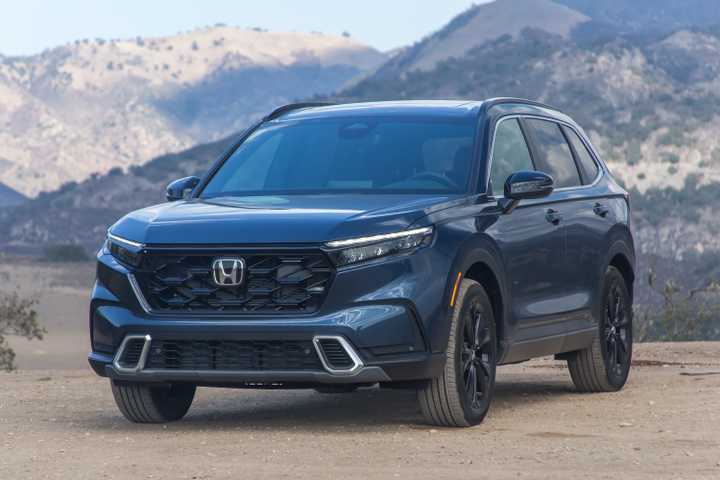
There’s a particular kind of quiet satisfaction that comes from knowing you won’t get ambushed by the calendar. Not every crossover is built the same way, and not every owner experiences the same financial weather. Yet for many drivers, the search is surprisingly consistent: find a crossover that feels reassuring day after day, while keeping maintenance costs lean—almost improbably so.
That’s the promise at the heart of this list. Maintenance isn’t only about avoiding repairs. It’s about frictionless ownership: fewer surprises, calmer service appointments, predictable wear items, and a service experience that doesn’t feel like a negotiation. And once you start looking at cars through the lens of long-term upkeep, your perspective shifts. Suddenly, “value” stops being a vague marketing word and becomes a lived reality.
Below is a ranked look at crossovers associated with the lowest maintenance costs—presented with enough narrative texture to spark curiosity, and enough practical context to help you envision life with each one.
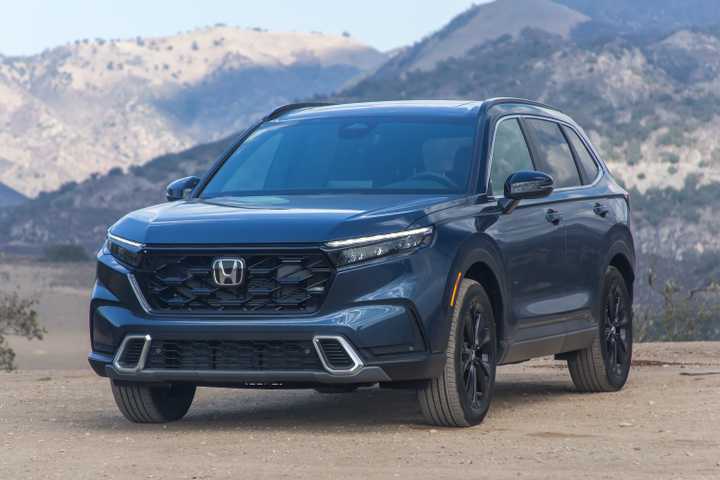
How “Lowest Maintenance Costs” Actually Feels
On paper, “low maintenance” can sound like a single number. In practice, it’s a constellation of details. The most budget-friendly crossovers tend to share traits that rarely get enough attention: durable drivetrains, parts that don’t seem to age faster than they should, and a design philosophy that reduces the number of complicated labor hours required when service time arrives.
Think of it like this: maintenance cost isn’t only the price of a component. It’s the sum of labor, frequency, accessibility, and the likelihood of repeat issues. A crossover might have a “cheap part,” but if it requires repeated visits—or if access is difficult—it can still become expensive. The best performers in long-term cost tend to be those that behave consistently.
Another shift in perspective: instead of waiting for something to break, low-cost models often make it easier to maintain them well. Clear service intervals, common parts availability, and mainstream repair ecosystems help keep ownership calmer and more predictable.
Ranking Criteria: Beyond Sticker Price
A ranked list should be more than a parade of names. It should explain the logic behind the ordering. In a maintenance-focused ranking, the criteria typically orbit around three themes: reliability trends, routine service burden, and the financial impact of less common repairs.
Routine maintenance matters—oil changes, filters, brake wear, tire costs, and scheduled inspections. But routine work is only part of the story. The real test arrives when something unexpected nudges its way into your plans.
Cost efficiency can also be influenced by how widely a vehicle is supported by technicians and parts suppliers. When a model is common, service tends to be quicker, parts availability is stronger, and pricing often feels less arbitrary.
10 Hybrids With The Least Expensive Maintenance Costs In 2025: The Efficiency Angle
Hybrids can change the maintenance narrative in a subtle way. Regenerative braking reduces brake wear. The engine doesn’t always work under the same stress levels as a conventional powertrain. And fewer harsh cycles can mean less wear on certain components over time.
That doesn’t mean hybrids never need repairs. It means the pattern of wear can shift. For an owner, that translates into fewer “consumable” headaches. The most cost-friendly hybrids tend to be those with proven hybrid systems, mainstream component sourcing, and service networks that understand them thoroughly.
Curiosity comes from the contrast: some hybrids can feel more demanding at first glance due to their extra systems. But over years of ownership, those systems often become familiar, and maintenance costs can remain surprisingly stable.
9. The “Common Parts” Advantage in Maintenance-Friendly Crossovers
A crossover that uses widely available parts can behave like a thermostat: steady, predictable, and rarely shocking. When a model relies on mainstream components—things like brakes, filters, sensors, and typical wear items—maintenance becomes less of a gamble.
Labor still matters, of course. But even labor can become more predictable when service procedures are standardized across the market. That predictability reduces both time and cost.
This is where perspective truly shifts. You may start shopping for a crossover’s personality—handling, comfort, space. But maintenance efficiency quietly depends on engineering pragmatism and supply-chain maturity.
8. How Brakes, Fluids, and Filters Drive Real-World Cost
Most owners experience maintenance through the recurring rhythm of fluids and consumables. Brake pads and rotors, cabin and engine filters, coolant and transmission servicing—these are the costs that stack up quietly.
The most budget-friendly crossovers often feature straightforward maintenance intervals and components that aren’t unusually expensive to replace. Some designs also help extend the lifespan of wear items through better thermal management and more balanced weight distribution.
If you want a crossover that keeps your wallet calm, focus on the vehicles that don’t ask you to pay “premium” prices for ordinary tasks.
7. The Role of Drivetrain Durability in Longevity
Beyond routine maintenance is the bigger question: how often does the drivetrain need attention? Drivetrain health is where costs can spike. Transmission issues, cooling system problems, and engine-related repairs can be financially heavy.
Low-maintenance crossovers in this category tend to have reputations for robustness—systems that don’t need constant correction. Reliability doesn’t mean nothing will ever fail. It means failure rates are lower, and when service does arrive, the vehicle is more likely to be repaired efficiently rather than repeatedly.
Over time, this becomes a compounding advantage. Less downtime. Less repeated labor. Less stress.
6. Why Entry-Level Tech Can Be Maintenance-Friendly Tech
Modern crossovers often arrive with a constellation of electronics—infotainment screens, advanced driver assistance, connectivity features, and sensor arrays. Complexity can add charm, but it can also add maintenance variables.
Maintenance-friendly crossovers often prioritize reliability in their electrical architecture. They may include modern features, but they don’t typically rely on overly fragile or hard-to-service subsystems. When sensors fail, replacement parts are easier to source and programming procedures are more standardized.
In other words: the best “low-cost” crossovers usually choose stability over novelty.
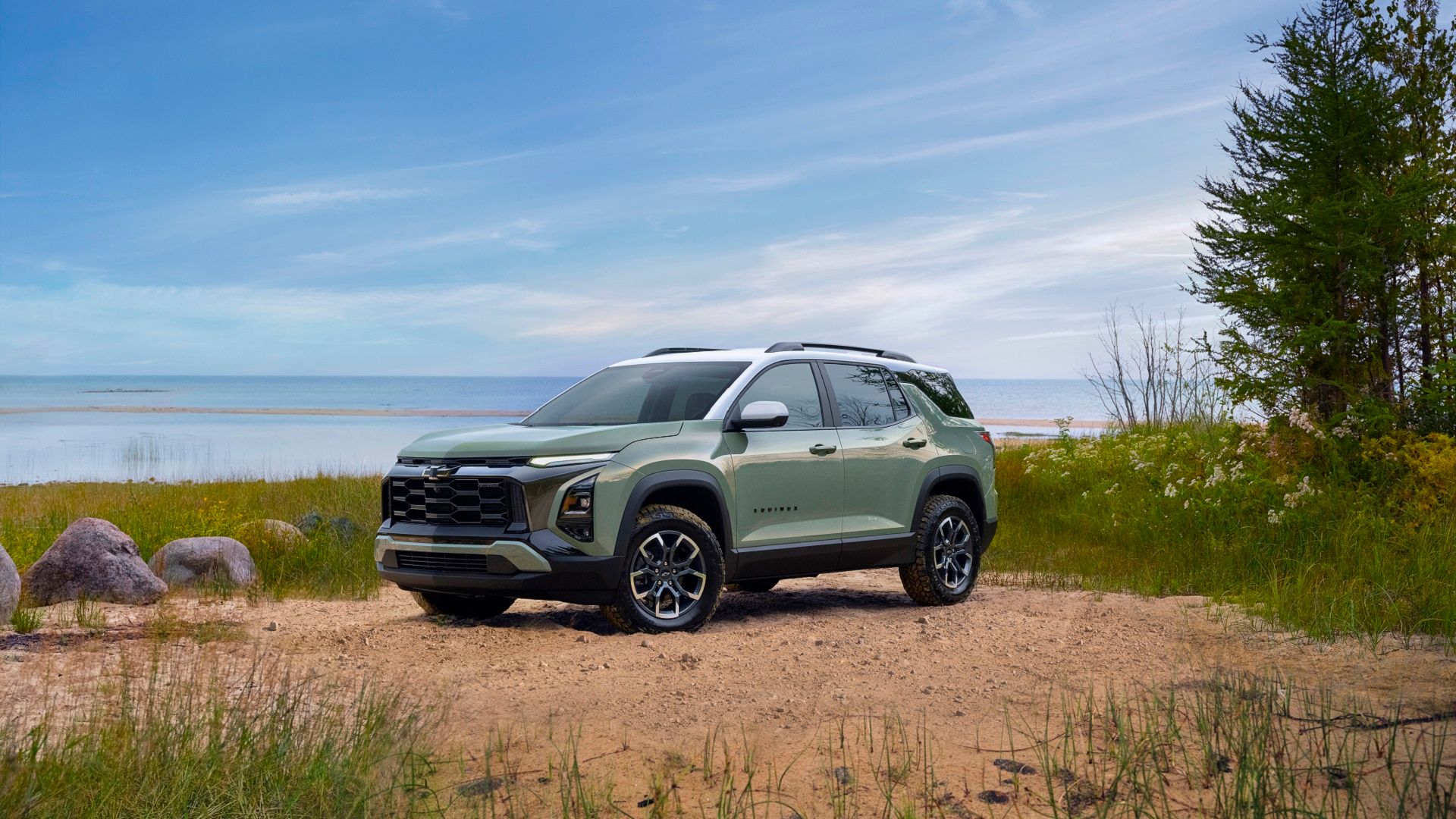
5. The Comfort of Widespread Service Ecosystems
Imagine calling a shop to schedule routine work. If the shop knows the model well, appointments feel smoother. If parts are easy to source, repair turnaround becomes shorter. This ecosystem factor can dramatically influence real maintenance cost—even when the part price looks similar on a spreadsheet.
Some crossovers become staples of the road. Their popularity creates a service infrastructure that behaves like a safety net. That safety net matters when you’re balancing work schedules, family logistics, and weekend plans.
Maintenance cost becomes not only financial, but temporal. And for many owners, time is the most precious currency.
4. Brighter Ownership Years Through Scheduled Care
The lowest maintenance cost is rarely accidental. It’s often the result of a vehicle that supports scheduled care with fewer surprises. When maintenance intervals are clear and components are accessible, owners can keep vehicles healthier for longer.
Preventive maintenance is the quiet hero of low-cost ownership. Fluid health helps protect transmissions and engines. Filter replacement protects airflow and reduces strain. Tire and alignment care improves wear patterns and reduces “repeat” expenses.
A crossover that’s easy to service encourages good habits, and those habits translate into fewer expensive events later.
3. Hybrids and the Art of Reduced Wear
Returning to hybrids: the most compelling advantage is often how wear patterns change. Regenerative braking can reduce brake wear. Engine operation can be more efficient in certain driving conditions. Over time, that can mean fewer brake services and potentially fewer stress-related repairs.
Hybrid ownership can feel like a negotiation with physics—smoother stop-and-go driving, more efficient energy capture, and a drivetrain that doesn’t always operate at full intensity. When that efficiency becomes consistent, maintenance frequency can become friendlier.
But it’s important to keep expectations grounded: batteries, for instance, are designed to last, yet they remain a component that owners should understand. The point of low-cost hybrids is that the overall maintenance pattern tends to be favorable.
2. The Understated Power of Simple Mechanical Design
Some crossovers earn low maintenance cost status by being mechanically straightforward. Simple systems can be easier to inspect, easier to repair, and less likely to require unusual labor hours.
This doesn’t mean “basic” in a disappointing way. It means the engineering choices are pragmatic. When components are placed for serviceability and systems are designed for longevity, maintenance becomes less invasive.
In a world of complexity, simplicity can be a luxury.
1. The Best Bet: Predictability You Can Trust
The top slot on a maintenance-focused ranking goes to the crossover that makes ownership feel like a dependable routine rather than an ongoing mystery. The best candidates offer consistent reliability, routine service costs that don’t feel inflated, and repair experiences that are efficient due to widespread support and standardized procedures.
This is where confidence lives. You still schedule maintenance. You still pay for tires and fluids. But you don’t feel like every trip to the shop is a gamble with your budget.
The best maintenance-cost crossovers don’t ask you to become a mechanic. They ask you to be an owner—and reward you with steadiness.
How to Choose Your Low-Maintenance Crossover
Start with the shortlist, then verify how each vehicle fits your life. Consider your typical driving: commuting, city traffic, highway miles, and seasonal conditions. City driving can intensify brake wear and recurring maintenance rhythm. Highway miles can shift wear patterns toward tires and cooling systems.
Next, examine service ecosystems in your area. A crossover with excellent reputation can still feel expensive if parts are hard to find or labor is scarce. Ask about typical costs for scheduled items and confirm that your preferred shop has experience with the model.
Finally, choose the vehicle you’ll maintain properly. Even the lowest-cost crossover can become expensive if neglected. The “lowest maintenance cost” story is best when matched with consistent care.
Outro: A Calmer Kind of Ownership
Low maintenance costs are more than a financial metric. They’re a temperament. They’re what happens when a crossover aligns engineering reliability with real-world service realities.
When you choose with maintenance in mind, you’re not merely buying transportation—you’re buying predictability. And that predictability is a quiet form of freedom. The road opens wider when your budget isn’t bracing for impact at every turn.
So let the perspective shift linger. Instead of asking only what a crossover can do, ask how it will behave when routine arrives—and when the unexpected tries to intrude. In that second question lies the secret to ownership that feels reliably easy.