What happens when a dependable compact SUV decides to get a little more daring—enough to reshuffle its entire drivetrain personality? The rumor mill around the next-generation Mazda CX-5 has been whispering that a rear-wheel-drive (RWD) architecture may be coming to the forefront. For fans of Mazda’s engineering ethos, this is not merely a tweak. It’s a philosophical pivot: from practical traction to something more tactile, more responsive, and potentially more exhilarating on winding roads.
And yet, with every tantalizing possibility comes a challenge. Can an RWD platform deliver the real-world usability expected from a family hauler—snowy commutes, tight parking maneuvers, and the daily churn of city life—while still preserving the “Zoom-Zoom” character Mazda enthusiasts cherish? Let’s walk through what the rumor suggests, why it matters, and what obstacles may lurk beneath the glossy renderings.
Why Rear-Wheel Drive Is Even in the Conversation
Rear-wheel drive isn’t a novelty, of course. What’s intriguing is the motivation behind the shift. Mazda has long pursued a driving experience that feels stitched together rather than assembled. RWD, by design, can sharpen steering feel because weight transfer and traction dynamics are managed differently than in a front-wheel-drive layout.
In rumor terms, the next CX-5 is said to ride on a scalable platform—one that could allow engineers to tailor drivetrains with more flexibility. Think of a modular approach like a musical score with multiple instruments. The same architecture could support different performance “movements,” depending on market demands and powertrain choices.
For drivers, this can translate into a different kind of confidence. The front end may feel less burdened. The car’s balance can become more communicative. Shorter wheelbase-to-axle compromises might be avoided, allowing engineers to orchestrate stability with greater intention.
The Promise: Better Balance, Fewer Compromises
Switching to RWD isn’t only about horsepower bragging rights. It’s about how the vehicle behaves when the road turns into a test—when grip is uneven, when you brake hard into a corner, or when traction is split by patches of rain-slick asphalt.
With RWD, the front wheels can focus more directly on steering and less on propulsive chores. That can yield sharper turn-in response. The chassis might feel more “hinged,” more willing to rotate. The sensation is subtle, but longtime Mazda drivers tend to notice the difference between a car that feels guided versus one that feels dragged.
Still, there’s a playful question hiding here: if the new CX-5 is more athletic, will it remain just as calm when you’re hauling groceries or shuttling kids to school? Athleticism can coexist with comfort. But only if the platform and suspension tuning don’t overcorrect toward sportiness at the expense of everyday composure.

What a “Scalable” Platform Could Mean for Real Life
A scalable architecture suggests something important: the CX-5’s future might not be locked into one drivetrain destiny. Mazda may aim to use the same underlying structure for multiple powertrains and configurations, including RWD and potentially all-wheel-drive variants.
This could matter for packaging. SUV buyers care deeply about cabin space, cargo practicality, and the ease of access to second-row seating. A different drivetrain layout can change floor height, tunnel shape, and how components occupy the engine bay.
Here’s the potential challenge: RWD platforms sometimes demand additional underfloor packaging decisions. If not handled carefully, the result could be compromises that show up as reduced cargo width, altered rear-seat comfort, or awkward driveline intrusion. Mazda’s engineering track record offers optimism. But optimism doesn’t remove mechanical reality.
Engine Pairings and the “Straight-Six” Rumor Thread
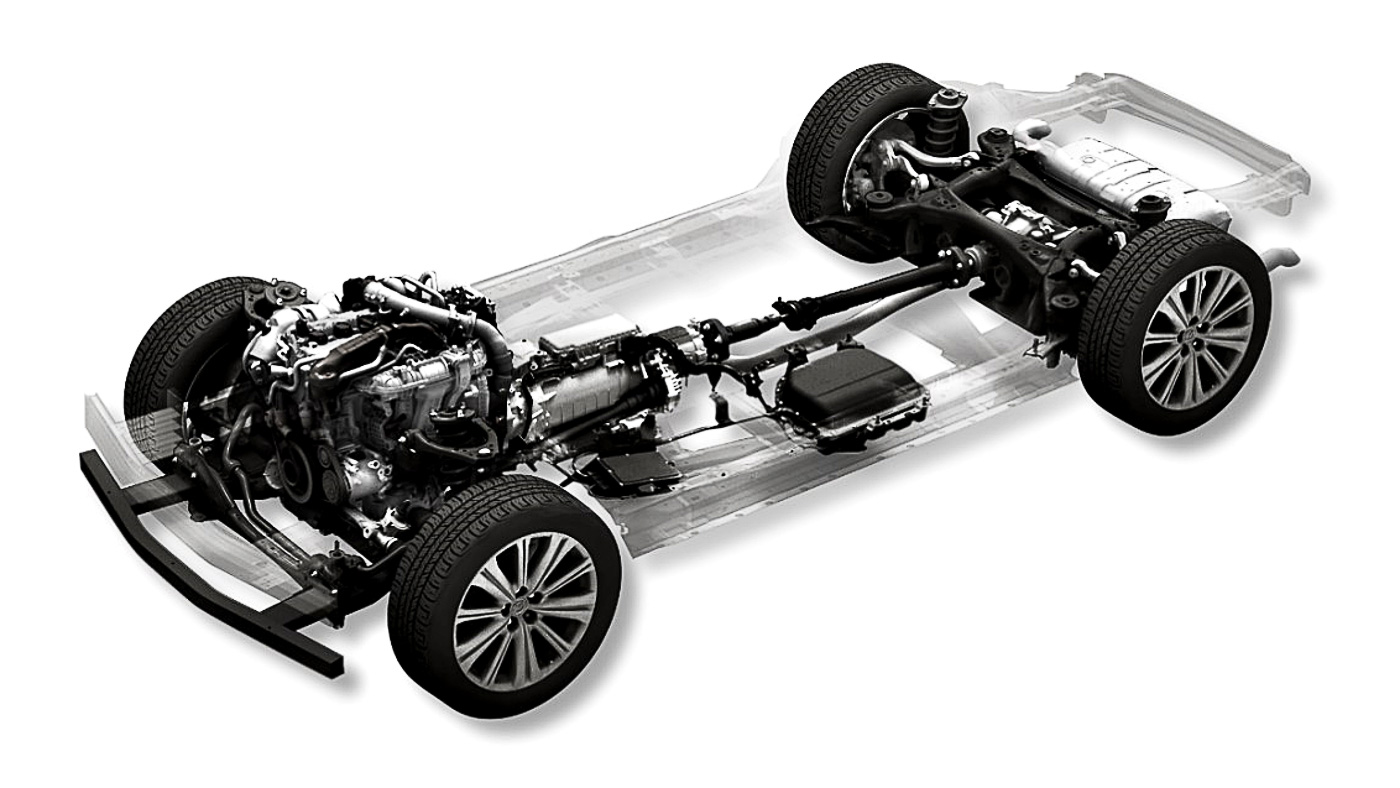
One of the most tantalizing angles in the rumor ecosystem is the suggestion of six-cylinder ambitions. If the next CX-5 truly explores straight-six power, the RWD layout becomes more than a preference—it becomes a practical fit.
Longitudinal engines align naturally with RWD drivetrains. That alignment can improve weight distribution and drivetrain geometry, potentially refining throttle response and refinement. A more balanced mechanical orchestra can reduce vibration and deliver a smoother torque delivery.
But the playful question becomes pointed: can a CX-5 be both a family SUV and a mechanical symphony? Six-cylinder packaging, emissions strategy, and fuel economy targets can create a delicate balancing act. If the powertrain is optimized for performance, will it still feel economical in commuter traffic? If optimized for efficiency, will it still satisfy drivers who want that Mazda “soul” on demand?

How RWD Could Change Steering Feel and Ride Character
Even before the first test drive, experienced drivers can anticipate how RWD might alter steering feedback. When the front end stops managing propulsion load, the steering may feel less muted, more immediate. Road texture could become more legible. The suspension might be tuned to exploit the car’s balance rather than compensate for front-heavy dynamics.
However, ride character isn’t just about stiffness. It’s also about how the suspension handles drivetrain-induced forces. With RWD, the longitudinal load paths differ, affecting how forces travel through the chassis during acceleration and braking.
This introduces another potential challenge: all-day comfort. SUVs often face the “bouncy-to-composed” dilemma. If tuning leans too far toward quickness, the ride may grow fidgety over broken pavement. If tuning leans too far toward comfort, the car could lose the crispness that makes enthusiasts smile.
All-Wheel Drive, Stability, and the Winter Question
Most CX-5 buyers live beyond perfect pavement. Rain, snow, gravel, and unpredictable traction are part of the deal. If RWD is real, the next question is how AWD systems—or electronically managed traction—will be integrated.
Many modern AWD setups can be highly effective, often distributing torque with sophistication. Yet the system’s personality still depends on calibration. An AWD CX-5 should feel composed during low-speed maneuvers and confident when climbing slippery inclines.
Here’s the challenge disguised as a joke: if the car is tuned to feel playful on dry roads, will it become too eager on wet or icy surfaces? A good stability system doesn’t only save you from mistakes—it prevents the chassis from feeling like it’s constantly wrestling for control.
Space, Packaging, and the Cargo Reality Check
Transforming drivetrains can ripple into the most practical aspects of ownership. The CX-5’s appeal is not just its driving feel—it’s also the daily usability. Rear-wheel drive doesn’t automatically threaten that utility, but it can force design decisions.
Expect scrutiny around the drivetrain tunnel, floor height, and how the second row folds and slides. Buyers want a smooth load-through path. They want child seats to fit without contortions. They want the trunk to swallow the week’s errands without negotiating awkward corners.
If Mazda keeps the packaging tight, the transition to RWD could feel invisible. If not, some compromises might show up in proportions that are easier to measure than to ignore.
Design Language and the “Rendered Future” Effect
Rumors often arrive wearing a costume: concept drawings, rendered images, and design teasers. Visual cues can suggest where engineers are heading. A RWD pivot can coincide with revised underbody geometry, revised hood angles, and different proportions that aim for better stance and airflow.
But appearances can be slippery. A render can flatter a stance and disguise packaging realities. Still, design shifts often signal deeper mechanical intent—especially when the styling updates complement platform changes rather than merely decorate them.
So the question remains: does the new CX-5 look more aerodynamic because it’s simply trending—or because the underlying mechanical layout enables better front-end packaging and cooling efficiency? In practice, aerodynamics can affect highway stability, fuel economy, and interior noise levels.
What Owners Will Ultimately Feel: The Test Drive Verdict
All rumors eventually collapse into a simple truth: how the vehicle feels when you’re behind the wheel. If the next CX-5 truly uses an RWD-oriented platform, owners may notice a different throttle-to-response cadence. The front suspension may feel calmer under power. The steering could provide more texture from the tires.
And if Mazda calibrates carefully, the shift won’t just create a sportier SUV. It could create a more cohesive one—where every input has a more direct consequence, and where stability feels natural rather than imposed.
But the challenge is persistent. Mazda must deliver the warmth of practicality: quiet cabin manners, predictable traction behavior, and comfort that survives daily life. RWD can be thrilling, yet it must also be reliable in the mundane.
Conclusion: The Rear-Wheel Drive Leap—Would You Take It?
Rumors about a rear-wheel-drive CX-5 platform hint at an ambitious next chapter: sharper dynamics, potentially improved balance, and a drivetrain philosophy that aligns with Mazda’s desire for visceral clarity. Yet the question is larger than engineering ambition. It’s about whether the new CX-5 can remain effortlessly usable for real households.
So here’s the playful challenge to imagine: if the next CX-5 turns out to be more engaging than before, will drivers embrace the new character—or will they demand the old comfort as a non-negotiable boundary? The next generation will reveal whether Mazda can thread that needle with finesse, making the CX-5 not only a sensible choice, but also a joyfully confident one.