There’s a moment—usually on a quiet drive home—when the idea of “just getting a new compact SUV” suddenly feels a little too generic. The road begins to speak in specifics. A turn tightens. A lane merges. The weather turns theatrical. And you realize that your next vehicle isn’t merely transportation; it’s a daily negotiation with comfort, capability, and confidence.
That is where the 2025 Honda CR-V and the 2025 Toyota RAV4 come into focus. Two compact SUVs, both polished, both practical, both eager to earn your trust. Yet they don’t court you the same way. One tends to soothe; the other tends to sharpen the edge. The result is a face-off that feels less like a comparison chart and more like a change in perspective—an invitation to notice what you usually overlook.
Consider the question behind the question: Which one makes everyday driving feel more inevitable—more “this is exactly what I needed”?
First Impressions: The Art of Presence
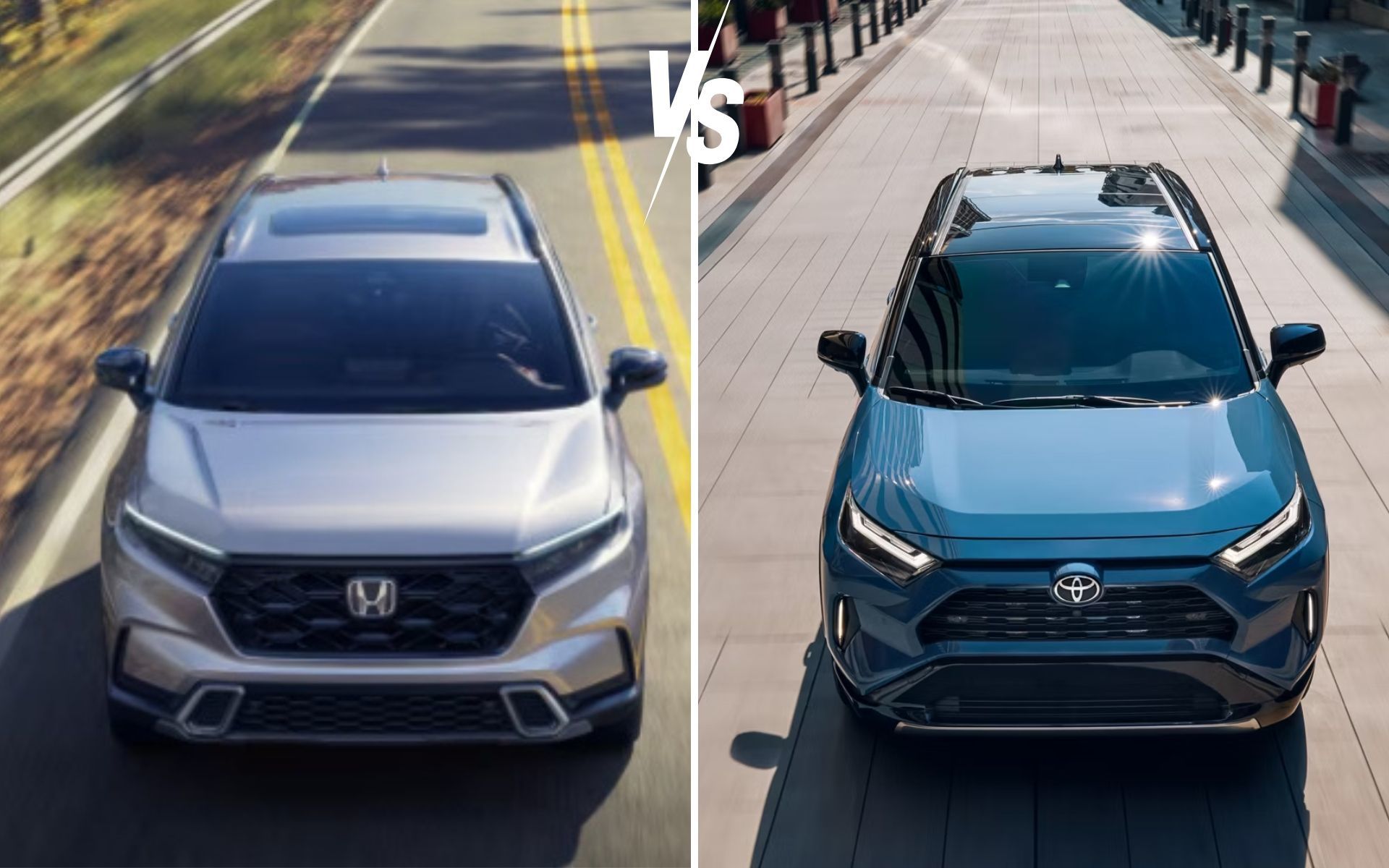
Walk around either vehicle and you can feel the design philosophy even before you sit down. The CR-V leans toward composure—its lines read as deliberate, calm, and arranged for real life. The RAV4, meanwhile, carries an outdoor-ready attitude that feels slightly more kinetic. It’s the kind of look that suggests weekend detours without requiring a speech.
This isn’t vanity. It’s a subtle signal about driving temperament. Your eyes catch up to the vehicle your hands are about to learn.
Cabin Atmosphere: Where Comfort Becomes a System
Step into the cabin and the comparison becomes intimate. The CR-V often feels like it’s been tuned for ease: a layout that doesn’t punish you for reaching, a sense of visual order that makes the dashboard feel intuitive rather than busy. It’s the difference between navigation and instant knowing.
The RAV4 cabin tends to emphasize functionality with a more utilitarian cadence. There’s a grounded practicality to the controls and materials, the kind that aligns with everyday durability. Both cabins can feel welcoming, but they offer different emotional weather—one more serene, the other more ruggedly reassuring.
In the end, the “best” cabin is the one that lowers mental friction. You notice it when you stop noticing it.
Tech and Connectivity: The Modern Spellbook
Technology has become less about features and more about flow. How quickly do you understand the interface? How naturally do you switch between music, navigation, and safety alerts?
In the CR-V, the expectation is a streamlined experience—smooth operation, user-friendly menus, and a dashboard that behaves like it respects your time. In the RAV4, the tone can feel more purposeful, with tech designed to support confident driving and connectivity without turning the cabin into a cockpit.
Either way, you’re looking for responsiveness. A system that reacts cleanly, doesn’t lag, and keeps your attention where it belongs—on the road.
Powertrain Personality: Torque, Calm, and Momentum
Under the hood, the face-off turns from aesthetics to behavior. The CR-V often projects an attitude of polished competence. The driving experience can feel fluid, with acceleration that feels ready without being theatrical. It’s a kind of momentum that reduces effort on your behalf.
The RAV4, on the other hand, can feel more intent—especially in moments where the road becomes unpredictable. It’s the SUV that seems to say, “We can handle this.” That doesn’t mean it’s louder or harsher. It means the car’s posture feels slightly more determined.
And then there’s the question every driver eventually asks: does the vehicle feel composed at highway speed, or does it require constant attention? Composure is the secret metric.
Ride and Handling: Two Different Ways to Feel in Control
Suspension tuning is where personalities become physical. The CR-V typically aims for a smooth ride—absorbing imperfections in a way that keeps the cabin quiet and your thoughts clear. That matters more than you might expect. Fatigue often comes from repeated micro-jolts, not dramatic impacts.
The RAV4 often balances comfort with a firmer sense of road communication. It can feel stable through bends and confident when you need to make quick decisions. There’s a clarity in the steering feel that helps you build trust quickly.
If you drive mostly city streets, you may crave the CR-V’s calmer cushioning. If you chase backroads, you may prefer the RAV4’s more connected road sense. Either way, the goal is consistent control—confidence that doesn’t fluctuate with the weather.
Space and Versatility: Practical Magic, Real-Life Proof
Compact SUVs win and lose on how they fit into your day. Not the day you planned, but the day that actually happens.
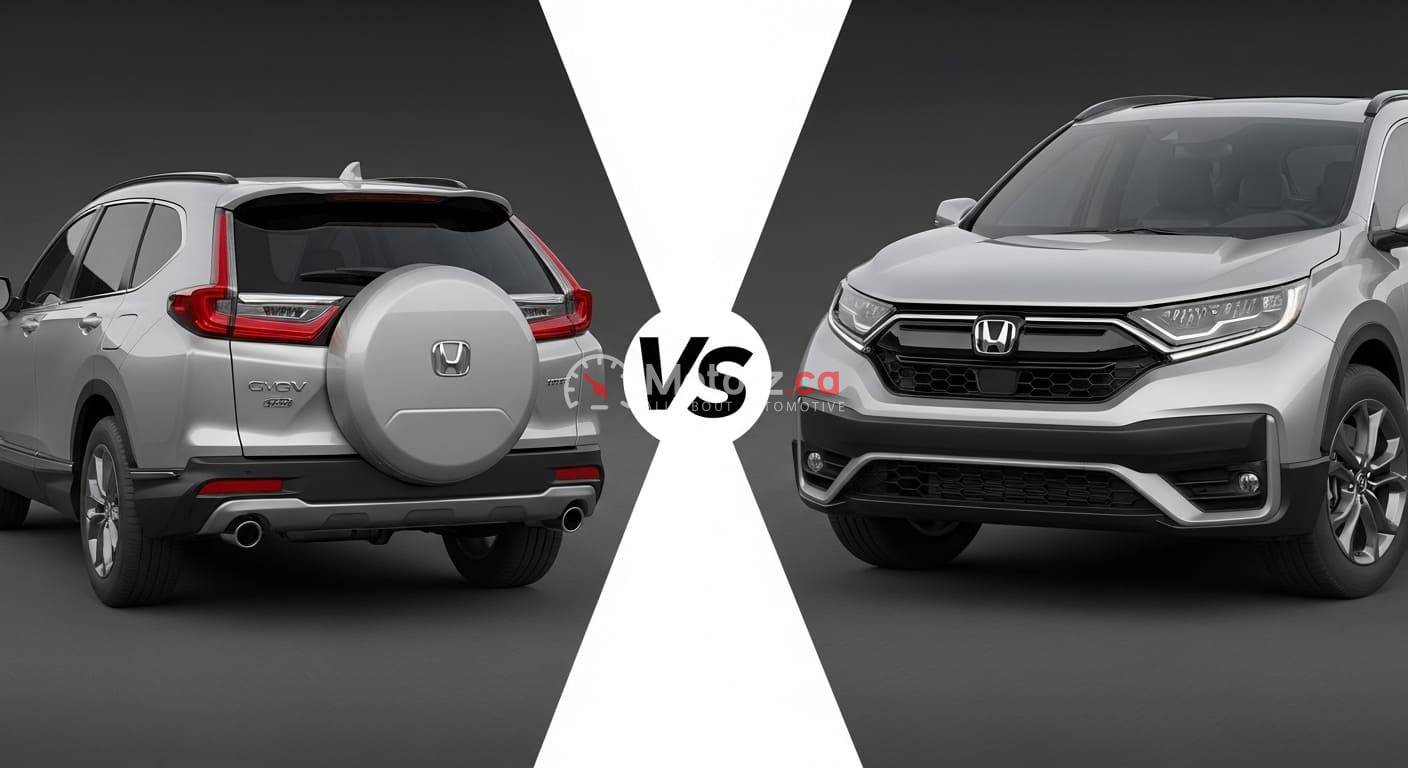
The CR-V tends to feel thoughtfully packaged, with cargo and passenger space that supports errands, sports gear, and spontaneous getaways. It’s designed to make loading and reorganizing feel straightforward—like the vehicle has anticipated your chaos.
The RAV4 also excels in versatility, often appealing to drivers who want flexible utility without sacrificing everyday comfort. Its configuration can suit families, commutes, and weekend excursions. The space isn’t just about volume; it’s about usability—the ease of getting things in, out, and arranged.
When you’re hauling groceries, taking road-trip luggage, or preparing for an impromptu move of furniture, practicality stops being a selling point and becomes the real verdict.
Safety and Driver Assistance: The Invisible Guardian
A modern SUV should feel like a capable partner rather than an anxious machine. That’s where driver-assistance systems come in. They’re not meant to replace attention. They’re meant to reduce the odds of mistakes—and to help you feel steadier during long drives.
The CR-V aims to provide a confident safety ecosystem, designed to support situational awareness and mitigate common hazards. The RAV4 typically offers a similar promise: active safety features that work in the background, helping you stay aligned with the road and surrounding traffic.
The best system is the one that feels intuitive. It alerts when necessary, steps back when not, and doesn’t create confusion in the moment you need clarity most.
Fuel Efficiency and Everyday Cost: The Quiet Arithmetic
Most drivers don’t buy a vehicle just to calculate its future. Still, costs accumulate quietly—fuel, tires, maintenance intervals, and the overall rhythm of ownership.
The CR-V’s efficiency profile often appeals to commuters and family drivers who want a sensible balance between power and economy. The RAV4 tends to attract drivers who value efficient operation while maintaining a vehicle’s rugged identity.
Fuel economy becomes more than a number when you consider your weekly schedule. It influences whether you feel comfortable driving “just a little farther.” It changes how often you stop. It nudges your routine.
Who Wins This Face-Off? It Depends on Your Definition of “Better”
Choosing between the 2025 CR-V and the 2025 RAV4 isn’t about declaring a universal champion. It’s about deciding which kind of confidence you want in the driver’s seat.
If you prefer a tranquil cabin, intuitive daily usability, and a ride tuned for comfort and ease, the CR-V can feel like the natural extension of your routine. It promises comfort that doesn’t demand you adapt.
If you want a compact SUV that carries a more adventurous posture—one that feels ready for detours, with a driving character that emphasizes connected control—the RAV4 may feel more like a match. It promises capability with a grounded, purposeful stance.
The real shift in perspective comes when you stop thinking of these SUVs as competitors and start thinking of them as different answers to the same question: What should your vehicle do for your life, not just for your commute?
Final Take: The One That Feels Like a Yes
The best compact SUV is the one that turns uncertainty into habit. It’s the vehicle that feels steady when the day gets loud—when traffic tightens, when weather changes, when your schedule refuses to cooperate. The 2025 Honda CR-V and the 2025 Toyota RAV4 both have a lot to offer, but they each illuminate a different path.
Maybe your next step is a smoother kind of confidence. Or maybe it’s a more resilient, road-ready certainty. Either way, when the right choice clicks, it won’t feel like a purchase. It will feel like a conclusion.
And that is the real face-off: not who is stronger on paper, but who makes the road seem simpler from the very first drive.