What happens when a family’s daily routine collides with a dashboard that feels almost… conversational? The 2025 Hyundai Tucson arrives with the confidence of a tech-forward utility, yet it still has the practical backbone families need: space, visibility, and the kind of everyday competence that doesn’t evaporate the moment a car enters “driving mode.” But here’s the playful question that hangs in the air: will the Tucson’s family tech wizardry make your week smoother—or will it tempt you with one too many settings to tinker with before you’re even buckled?
Consider the potential challenge. Modern infotainment can be a gift, but it can also become a small domestic drama—especially when kids are hungry, coffee is cooling, and someone “just wants to change the song.” The Tucson tries to be the calm in the storm. It pairs family-friendly design with driver-assistance refinement and connectivity that aims to stay out of the way. Let’s take a close, narrative walk through what that actually feels like.
Design: Family-first proportions with a subtle tech swagger
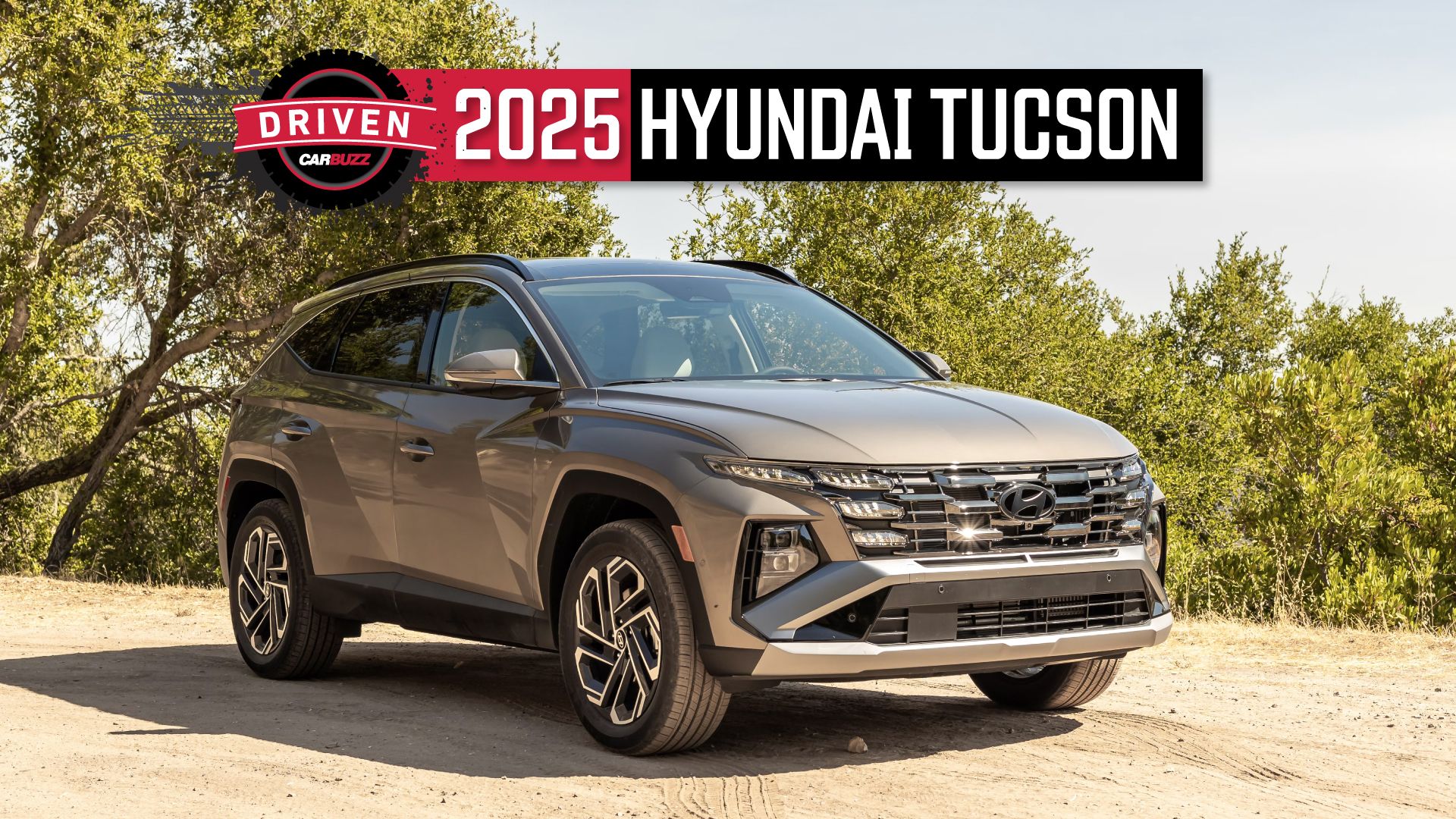
The 2025 Tucson wears its updates with restraint rather than theatrics. Lines flow with intention, and the overall stance reads confident—neither bulky nor fragile. This matters for families because the car doesn’t just need to look good at the curb; it needs to feel composed in motion, stable in parking lots, and predictable in tight quarters.
From the front fascia to the rear geometry, the Tucson presents a visual rhythm that’s easy to read at a glance. That’s not just style—it’s ergonomics for the eye. When you’re managing strollers, groceries, and the inevitable “Wait, where are we going?” moments, clarity is a feature.

Cabin atmosphere: More breathing room, fewer distractions
Step inside and the story shifts from exterior confidence to interior calm. The Tucson’s cabin is designed to feel airy rather than claustrophobic. That’s a quiet advantage for families, because cramped interiors can turn simple trips into endurance tests.
Materials and layout aim for a balanced vibe: durable where it matters, pleasant where you touch every day. Controls are presented with a sense of order, but not so strict that the driver feels trapped by menus. In practice, that means fewer hunts for functions and more moments where you can simply drive.
And yes, the tech is present. But it’s framed to support the trip, not dominate it. The best systems disappear into routine. The Tucson tries to earn that spot.
Infotainment and connectivity: A powerful interface that invites curiosity
The heart of the “family tech leader” claim is infotainment. In a Tucson, connectivity isn’t just about streaming music; it’s about reducing friction between passengers, devices, and destinations. The goal is to make the digital layer feel as natural as turning a knob—fast, intuitive, and forgiving.
Still, the earlier question returns. Will this interface be a soothing assistant or an eager distraction? The Tucson’s strength lies in its ability to keep common tasks relatively straightforward. That helps when you’re juggling multiple voice requests or bouncing between navigation and media.
When the system works in your favor, it feels almost alchemical: one moment the car is just a car, and the next it’s a mobile command center that understands where you’re headed and what your passengers want to hear.
But beware the “one more tweak” tendency. If you’re the type to personalize every screen, set every shortcut, and fine-tune every preference, the Tucson can become a delightful rabbit hole. A family car should be ready to move when you are.
Driver assistance: Confidence with an edge of reassurance
Family life includes moments that require extra composure—school drop-offs, highway merges, construction detours, and parking-lot choreography. That’s where driver-assistance technologies earn their keep.
The 2025 Tucson’s suite of safety features is designed to help reduce workload rather than add complexity. Think of it as an extra set of cautious eyes, particularly during monotonous stretches of driving or when visibility is compromised.
In daily use, the most valuable assistance is the kind you notice only when it prevents trouble. Lane-related guidance can help maintain positioning. Collision avoidance features can provide an additional buffer when attention lags—because it always lags, at least a little, when life is busy.
And when the system nudges, it should feel tactful, not theatrical. The Tucson’s philosophy leans toward supportive behavior that respects the driver’s decisions.
Space and practicality: Where family engineering becomes tangible
Every family has its own cargo ecosystem. There’s the weekly grocery wave, the weekend toolkit, the soccer bag, the “just in case” items that multiply in the trunk like gremlins. The Tucson aims to handle that sprawl without turning the cabin into a storage unit.
Rear-seat usability plays a starring role. Legroom and seat comfort matter most on longer trips, when kids stop being passengers and start being explorers. The Tucson’s layout prioritizes a sense of openness so that back-seat time feels less like a waiting room and more like part of the journey.
Up front, storage locations and accessible surfaces help keep daily items from becoming clutter. A family car should make it easy to put things away, not just easy to take them out.
Powertrain feel and driving manners: Calm energy, not restless aggression
A family tech leader still needs to be a family driver’s car—smooth, predictable, and comfortable when plans change at the last minute. The Tucson’s driving feel is oriented toward steadiness. It doesn’t chase drama; it builds confidence.
Whether commuting through traffic or crossing town for errands, the Tucson aims for a controlled blend of responsiveness and composure. Steering behavior and ride character help reduce the sense of strain that can build over time.
Short sentence, long consequence: a car that feels relaxed makes everyone in it feel relaxed. That’s not a gimmick. It’s a practical advantage.
Rear-seat tech and passenger experience: Keeping harmony in motion
When the front cabin is calm, the rear cabin needs to be calm too. Passenger experience isn’t only about comfort; it’s about engagement. Families often travel with devices, playlists, and occasional requests that arrive like pop quizzes.
The Tucson’s approach to keeping passengers connected and entertained is about reducing the need for constant intervention. If the rear environment is comfortable and the media experience is reliable, the car becomes a social bubble rather than a battlefield of “what’s the password?”
And again—there’s that playful challenge. If tech is too complex, someone will eventually take control of the settings. The Tucson tries to minimize that chaos through usability and clear presentation.
Infotainment prompts, voice features, and the “busy family” reality
Here’s where daily life puts tech to the test. Voice controls, quick access features, and system feedback matter when hands are full or when you’re negotiating with a passenger who’s certain the destination is “only five minutes away.” The Tucson’s interface aims to be responsive and understandable.
A good system should help you accomplish tasks with minimal mental load. Not everything needs a menu. Not every interaction needs approval. The Tucson’s objective is streamlined communication—enough capability to impress, enough simplicity to survive everyday use.
Ownership mindset: Reliability, ease, and the long-view checklist
Tech is only one chapter of ownership. Families also care about how effortlessly the car fits into routines: service expectations, usability over time, and the confidence that features will still feel intuitive after months of repetition.
The 2025 Tucson’s overall design language suggests a practical longevity focus. It’s built to support everyday usage rather than feel like a showroom artifact. That matters when the car is the family’s utility—tending to schedules, weather, and the unpredictable nature of human life.
Final verdict: A family tech leader that asks one question back
The 2025 Hyundai Tucson Review – Family Tech Leader delivers exactly what the category promises: a tech-forward experience shaped for family reality. It balances modern connectivity with a cabin that feels composed, while safety technologies aim to add reassurance without overwhelming the driver.
So, will the Tucson make your week smoother—or will it tempt you into an endless parade of settings before you ever pull out of the driveway? That answer depends on how you relate to technology. If you want capable tools that support routine, the Tucson shines. If you love tinkering, it may reward your curiosity—but it will also remind you that a family car should move when you do.
In the end, the Tucson’s most impressive trait is not just the tech itself. It’s the way the vehicle tries to keep the family in sync—turning everyday drives into journeys that feel easier, calmer, and more intelligently connected.