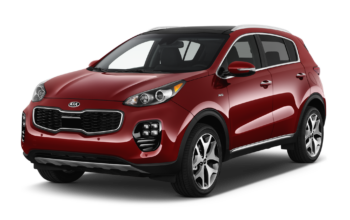
There’s a particular kind of hope that shows up on snow-season mornings. It’s not just the first sight of sunrise slicing through low clouds—it’s the quiet certainty that your family can still move forward, even when roads feel like treacherous puzzles. For many drivers in the snow states, the central question isn’t whether winter will arrive. It’s whether your vehicle will answer back with composure. That’s where 2025 AWD family cars come into the spotlight, turning everyday commuting into something steadier, safer, and strangely more satisfying.
A common observation follows a familiar script: “AWD makes winter easier.” True—but incomplete. The deeper fascination comes from how AWD changes the emotional texture of driving. Instead of negotiating every slush-coated turn like a negotiation with physics, you begin to sense traction as a reliable ally. Beneath that feeling are systems working together—tires, torque distribution, stability control, and predictive traction logic—each one adding a layer of confidence that’s hard to quantify until you’ve experienced it.
Why Snow States Demand More Than “Good Enough” Traction
Winter in snow states rarely behaves like a single weather event. One moment it’s packed snow; the next it’s melting ice that re-freezes into glassy sheets. Wind gusts can kick up road spray, and freeze-thaw cycles can transform a familiar route into something unrecognizable. It’s not only about grip. It’s about consistency.
AWD helps because it mitigates the common winter failure point: when one axle loses traction first, the vehicle can become unpredictable. Modern 2025 AWD systems are designed to anticipate slip, shuffling torque in milliseconds. That speed matters. Drivers feel it as fewer corrections, smoother steering response, and less of that “waiting for the next surprise” sensation.
There’s also an indirect advantage that families appreciate: reduced fatigue. When driving feels less like a series of micro-crises, everyone arrives calmer. Even the simplest moments—kids buckled, snacks organized, school schedules respected—run on a smoother kind of momentum.
What “Family AWD” Should Mean in 2025
Not all AWD is identical, and family life doesn’t reward compromises. In 2025, the best AWD family cars share a set of traits that blend winter capability with daily usability. Look for confident handling, responsive braking, robust lighting, and a cabin designed for long trips in cold weather.
Practicality matters too. Snow gear is never lightweight: ice scrapers, blankets, tow straps, winter mats, and sometimes a bag of emergency supplies that expands over time. A truly family-ready vehicle provides easy access, thoughtful storage, and climate comfort that doesn’t require constant adjustments.
Finally, reliability of driver assistance is crucial. Winter driving is already cognitively demanding. Advanced safety features should reduce workload, not add uncertainty. When assistance systems are tuned for stability and traction, they become another layer of calm.
Top 2025 AWD Picks for Families in Snow-Heavy Regions
Choosing the best 2025 AWD family cars is less about chasing a single spec sheet and more about matching the vehicle’s character to your winter reality. Some families want a refined, comfortable cruiser. Others prioritize space, ground clearance, or predictable handling in slippery conditions. The standouts tend to share an underlying theme: engineered traction and a stable chassis that doesn’t lose composure when conditions deteriorate.
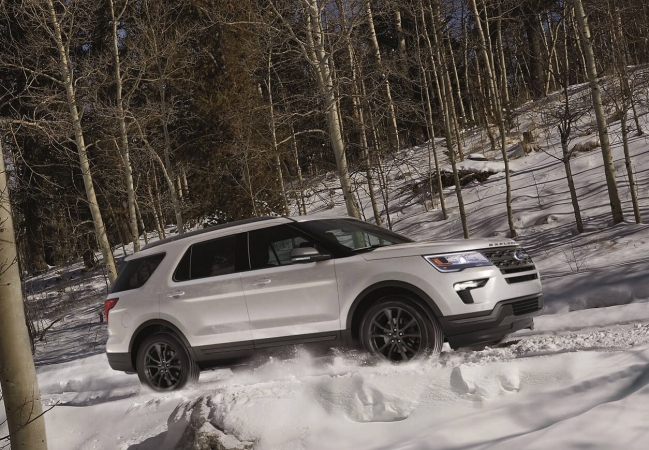
Consider the family vehicles that consistently emphasize AWD integration, strong ride confidence, and accessible safety technology. In practice, these cars help you drive with fewer corrections and a clearer sense of direction—especially when tire grip drops suddenly on ice patches.
How AWD Works When Winter Turns Complicated
AWD systems tend to fall into two broad categories: full-time configurations and part-time arrangements. But the important question for families is how the system behaves under real conditions. During acceleration on slush, the drivetrain should distribute torque to maintain motion without wheelspin. During cornering, stability control should coordinate with AWD to prevent the vehicle from feeling “sideways” when it shouldn’t.
In many 2025 AWD designs, torque vectoring and traction algorithms help smooth the transition from grip to slip. That’s why drivers often report a noticeable improvement in steadiness rather than just “more power.” The vehicle feels attentive. It doesn’t just move; it navigates.
Another detail worth appreciating: tires. Even the most capable AWD system is only as effective as the tire compound and tread design. Winter tires, with their biting edges and soft compound, work like a translator between machine intelligence and slippery reality.
Comfort That Matters on Slippery Days
Snow days have their own rhythm: early departures, slower speeds, windshield wipers that run longer than expected. A family car’s comfort becomes a safety feature. If passengers feel chilled or restless, attention can fracture. The best 2025 AWD family cars maintain cabin warmth quickly, keep airflow consistent, and support defogging and visibility with decisive efficiency.
Long trips call for ergonomic seating and steady ride control. When suspension tuning respects road imperfections—potholes softened by snow, highway seams, and uneven plow patterns—you experience fewer jolts. That steadiness reduces driver strain, too.
There’s a subtle psychological effect at work: when the ride feels controlled, the mind stays calmer. The fascination many people mention—why they start enjoying winter driving instead of fearing it—often comes from this intersection of mechanical steadiness and mental clarity.
Safety Systems Designed for Winter Reality
Advanced driver assistance features can be a winter superpower when they’re implemented thoughtfully. In snow states, the goal isn’t to eliminate the driver’s role. It’s to refine the margins.
Look for stability-focused technologies: traction control that engages confidently, anti-lock brakes that maintain steering authority during hard stops, and collision warning systems that adapt to low-visibility conditions. Adaptive cruise and lane assistance can also help—when they operate predictably at lower traction levels.
Night visibility is another winter pillar. Headlight performance, automatic high beams, and accurate beam leveling can transform driving on snowy roads. Snow doesn’t just reduce traction; it also scatters light. Strong lighting helps you read the road earlier.
Cargo, Seating, and the Logistics of Winter Family Life
Snow states are logistics-heavy. It’s rarely just “drive from A to B.” It’s school drop-offs, weekend errands, and sometimes detours caused by road conditions. The right AWD family car should accommodate bulkier loads without turning the trunk into a cluttered puzzle.
Consider legroom for passengers, easy access to rear seats, and fold-flat arrangements that handle skis, sports gear, and wet winter items. Weather mats and washable interior surfaces also reduce the emotional tax of mess.
A vehicle that organizes space well makes winter easier in ways that feel almost invisible—until you’ve tried to cram everything into a less flexible layout and realized you’re fighting the car rather than using it.
Fuel Economy and the Real Cost of AWD
AWD can influence fuel economy, and families should factor that reality into the decision. However, fuel economy isn’t the whole story. In snow states, the dominant costs often come from time, stress, and risk. A car that drives more smoothly—fewer traction corrections, less frantic braking—can reduce inefficiencies that occur when wheels spin or driving becomes erratic.
Moreover, modern drivetrains are typically calibrated to activate AWD only when needed, avoiding unnecessary drag. Pair that with disciplined winter tire management and thoughtful acceleration habits, and the “expense” of AWD becomes more like an investment in stable travel.
Making the Most of Your AWD in 2025
Even the best AWD family car benefits from smart preparation. Keep tires properly inflated and consider winter-rated tires when temperatures drop. Check wiper blades, washer fluid designed for low temperatures, and ensure emergency supplies are reachable.
Driving technique matters as well: gradual inputs, longer following distances, and gentle acceleration through corners. AWD can help you move, but it can’t erase the laws of physics. The win is smoother motion and more reliable control, which families feel as reduced tension.
When preparation and capability align, a deeper fascination emerges—winter stops being a threat and starts feeling like an element you can work with. The road remains challenging, but your vehicle becomes a steady partner.
Choosing Your Best 2025 AWD Family Car: A Practical Checklist
Start with how your household moves most weeks. Do you commute mostly on highways or navigate suburban side roads? Do you carry multiple passengers and bulky gear? Your answers shape the “best” choice.
Next, test visibility in cold conditions if possible, verify seat comfort for long rides, and confirm cargo usability with your typical gear. Then evaluate the AWD behavior through normal driving: how it handles starts on uneven pavement, how stability control responds during mild skids, and whether the steering feels composed.
Finally, prioritize a package that balances safety, comfort, and confidence. In snow states, that balance often matters more than chasing one headline figure.
Conclusion: Winter Confidence Is a Family Feature
Best 2025 AWD family cars for snow states aren’t simply vehicles with an “extra drive axle.” They’re machines that translate harsh conditions into something manageable. They reduce the chaos of traction loss, improve predictability, and create a calmer cabin experience that families can rely on.
And that’s why the fascination persists. Winter driving can be intimidating, but it can also become methodical. When AWD, safety engineering, and thoughtful comfort work in harmony, the journey stops feeling like a gamble and starts feeling like a plan—one that keeps your family moving forward, even when the world outside is rearranging itself in snow.