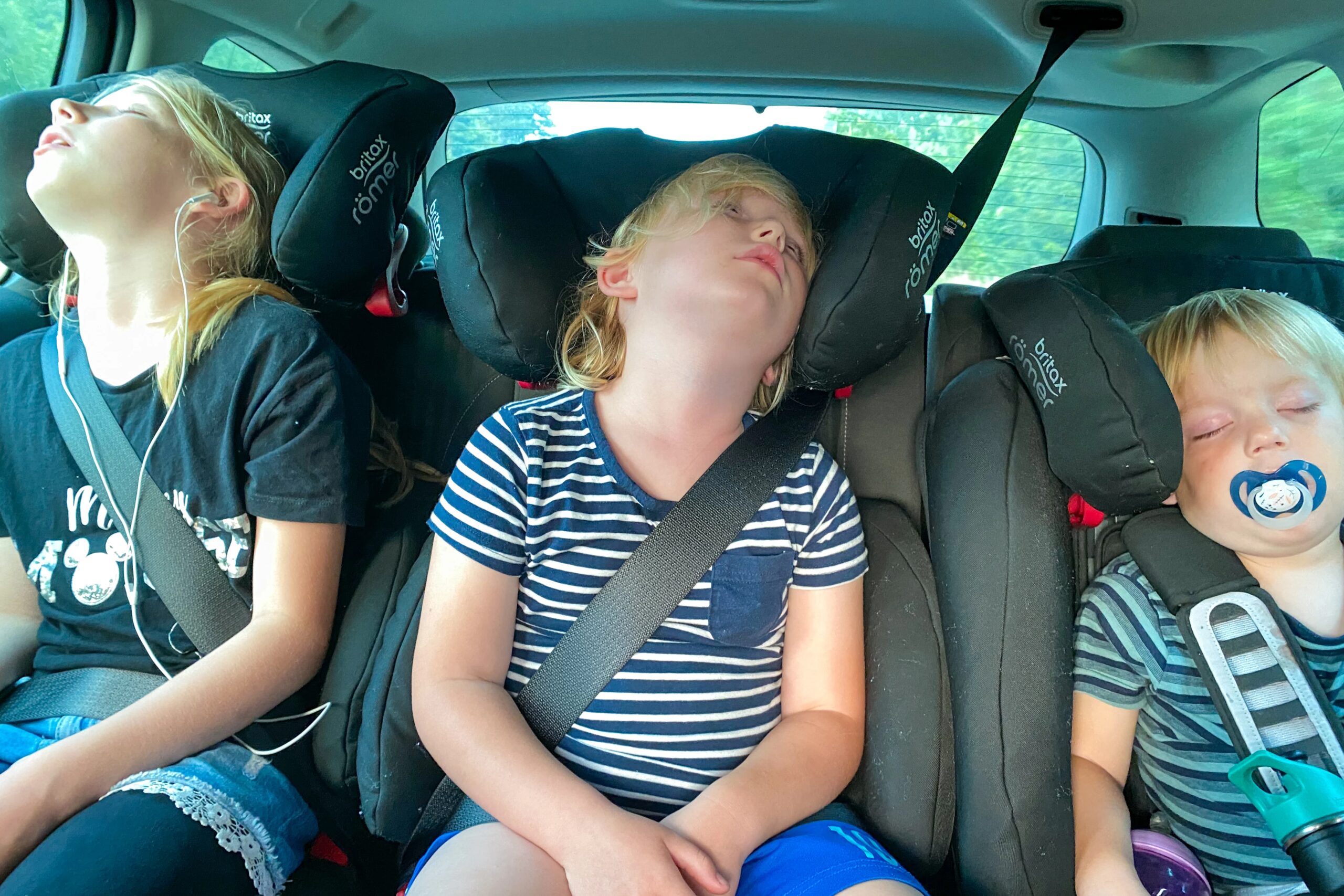
There’s a particular kind of silence you start to crave when you’re raising children—an unhurried hush that makes a car feel less like a moving box and more like a floating nursery. In 2025, that desire isn’t just sentimental. It’s measurable, testable, and—most importantly—achievable. Think of this as your cabin-noise field guide, written for the real world: napping kids, overstimulated nerves, and the quiet negotiations that happen every time the door closes.
For many families, the “best car” conversation usually begins with cup holders, cargo space, or the reliability reputation of a brand. Yet a quieter cabin can become the unspoken hero of everyday life. When conversations soften, when road texture stops sounding like gravel being shaken in a jar, and when engine presence becomes a gentle hum instead of a drumbeat, everyone breathes differently. The promise of shifting perspective is simple: don’t ask only what a family car can do. Ask what it feels like—mid-drive, mid-yawn, mid-surrender to sleep.
Why Cabin Noise Changes Everything for Napping Kids
Noise is rarely just noise. It’s a pattern—frequency, vibration, and timing—that either encourages rest or interrupts it. A child’s nap is a delicate choreography. Startle a youngster once, and the body remembers. Continue with sharp tire roar or intermittent drivetrain clatter, and the nap unspools like thread pulled from a seam.
In 2025, quieter family cars are increasingly designed with sound in mind: laminated glass to muffle outside events, improved insulation around the firewall, and refined engine mounts that reduce vibration transfer. The difference is not theoretical. It’s visible in behavior. You’ll notice how quickly a child’s eyes stop flickering. You’ll notice how often “Just one more stop” turns into a calm, sleeping arrival.
Quietness also affects adults. When the cabin is less loud, you don’t have to raise your voice. The result is a surprisingly peaceful social environment. Short sentences become adequate. You can even let silence do some of the work—an underrated form of parenting and a discreet form of sanity.
The Cabin Noise Test: From “Feels Quiet” to “Actually Quiet”
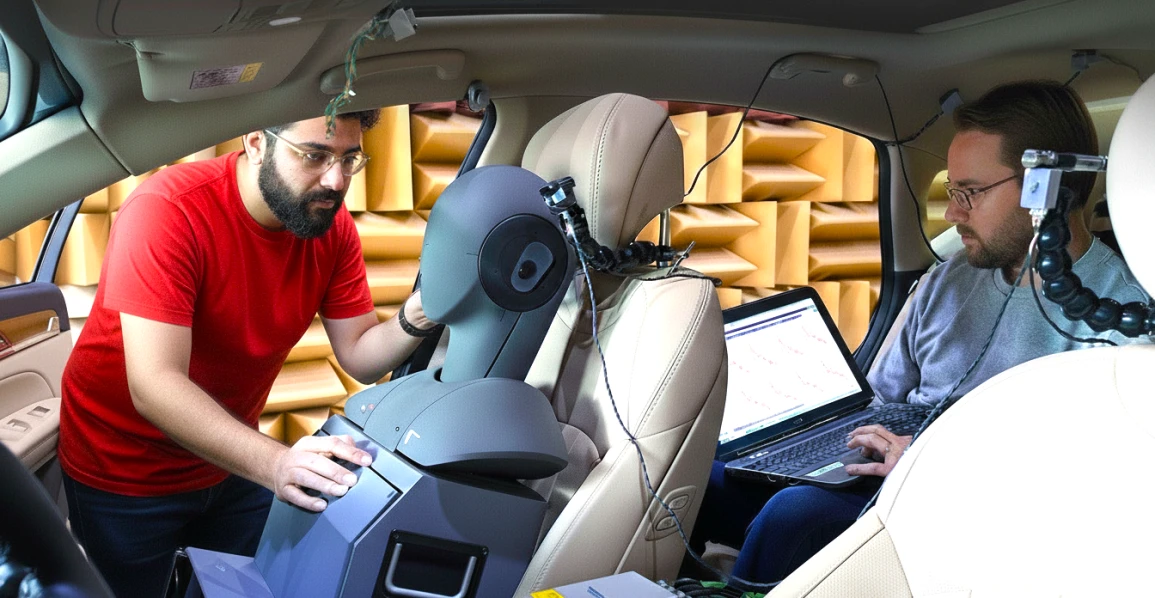
“Feels quiet” is subjective, but “sounds quiet” is evidence. A cabin noise test turns perception into data by focusing on specific sources: road noise, wind noise, and powertrain noise. It’s like switching from storytelling to measurement without losing the emotional thread.
To picture the process, imagine a simple sequence that families can recognize. You drive at steady speeds on familiar roads. You listen for three things: the tire soundtrack, the airflow whispering through seals, and the engine’s dominant tone. Then you compare the same route across candidate vehicles. Not once—twice, if possible. The mind adapts quickly; repeating the run protects you from being fooled by a single “good moment.”
Cabin noise is often most noticeable at the transition points: when accelerating from a light, when entering highway flow, and when the road surface changes. Quiet cars handle those transitions like a pianist holding a chord steady through a key change—smooth, controlled, and without drama.
Road Noise: The Tire’s Loud Personality (and How Quiet Cars Tame It)
Road noise is frequently the loudest contributor to cabin sound. It’s not only about tire tread; it’s about how rubber interacts with pavement texture and how the car isolates that interaction. In quieter family cars, designers work on both sides of the equation: tire choice and acoustic engineering.
Pay attention to the details that don’t usually make it into brochures. Higher-quality sound-deadening materials in the floor and doors can damp the transmission of vibration. Aerodynamic shaping helps smooth airflow around wheel arches, which reduces the “whoosh-then-roar” sensation many families experience.
If you’re testing for napping kids, road noise matters because it tends to be continuous. Continuity is tricky. Sudden gusts can startle, but steady roar can wear down the body’s ability to drift. Think of it as white noise with teeth.
Quiet cars aim for a softer baseline—something closer to muted ambience than audible pavement. When that baseline is low, a child’s breathing rhythm becomes the loudest event in the cabin. That’s the kind of calm you want.
Wind Noise and Door Seal Craft: The Hidden Culprit
Wind noise is the quiet assassin. It doesn’t always announce itself; it seeps in. At higher speeds, small gaps in seals, window alignment, and mirror design can turn gentle motion into a constant, high-frequency presence.
In family life, wind noise becomes a background irritant. It competes with bedtime audio and turns gentle explanations into strained communication. When the cabin is wind-tamed, you can lower the volume of everything—music, conversations, even your own stress level.
During a test drive, listen while cruising at the same speed for a few minutes. If sound rises noticeably at one moment—often linked with speed threshold changes—take note. Quiet cars tend to maintain a more consistent acoustic profile. They don’t amplify the world; they filter it.
Powertrain Sound: Engine Calm, Drivetrain Harmony
Powertrain noise includes engine tone, drivetrain clatter, and the way a vehicle transitions between states—especially around throttle changes. For families, this is where “smooth ride” becomes more than marketing. A calm powertrain reduces the micro-surprises that wake children.
Modern mounts, refined engine balancing, and improved transmission tuning can all reduce the kind of vibration that travels through the cabin. Even when the engine is technically working, a well-isolated cabin keeps the experience soft and controlled.
There’s also a psychological factor. If the car feels composed during acceleration and deceleration, the cabin feels safer. That matters for naps because children often respond not just to sound, but to perceived steadiness.
In 2025, many quieter family options are also designed to be less harsh during low-speed maneuvers—school drop-offs, parking lots, and short errands where braking and starting happen repeatedly. Quiet here prevents the “wake cycle” that can turn a nap into a cranky reset.
Comfort Beyond Sound: Seats, Suspension, and the “Napping Geometry”
Cabin noise is crucial, but rest depends on more than volume. A quiet car often pairs with suspension tuning that avoids sharp oscillations. When the chassis absorbs bumps smoothly, the cabin doesn’t become a drum. It becomes a cradle.
Seat comfort influences how quickly a child settles. Good cushioning supports without jolting. Side bolsters reduce unwanted movement during turns. For families with different heights and ages, adjustable seat positioning helps caregivers create a stable environment, even when the car is moving.
Here’s a perspective shift worth keeping: the quietest car isn’t only the one with the lowest decibel count. It’s the one that makes sleeping feel effortless. The hush is the atmosphere, but the suspension is the lullaby.
How to Evaluate Quietest 2025 Family Cars on Your Own Test Drive
Bring intention to the drive. Quiet evaluation isn’t about one lap around the block. It’s about repeating the same conditions and paying attention to moments that matter to naps. Start with a route that includes speed variation: residential roads, a smoother stretch, and a section with rougher texture if possible.
Use a simple checklist:
• Consistency: Does sound stay steady, or spike at certain speeds?
• Door and window feel: Is the cabin sealed tightly, with reduced airflow noise?
• Low-speed behavior: Does the car stay calm in stop-and-go situations?
• Transition smoothness: During acceleration and braking, does vibration remain muted?
Also, listen like a parent. Close your mouth and let sound come to you. Long sentences aren’t needed. Short reactions—“that changed,” “that spiked,” “that stayed calm”—are often more useful than vague impressions. If you can, bring a passenger who can’t anticipate what you’re looking for. Fresh ears expose patterns you might otherwise ignore.
Real Family Priorities: Quiet as a Daily Advantage
A quieter cabin isn’t a luxury meant for vacations only. It’s a daily advantage during school runs, grocery errands, and weekend drives that start with hope and end with everyone tired. When sound is controlled, your schedule becomes less chaotic. Meals are calmer in the passenger-side waiting period. Conversations are clearer without raising your voice. Even the car’s “time together” becomes less fraught.
There’s also the intangible benefit: a sense of composure. Children pick up on adult stress. If your vehicle helps you stay steady—because it isn’t blaring wind, roaring tires, or transmitting harsh vibration—then the entire family atmosphere improves. Quiet becomes an instrument that tunes the whole day.
Choosing Your Quietest 2025 Family Car: The Curiosity Strategy
Curiosity is a smart way to shop for quiet. Ask different questions than you usually would. Instead of only “Is it reliable?” ask “Is it acoustically polite?” Instead of “Is it comfortable?” ask “Does it prevent surprise?” Instead of “Will it fit everything?” ask “Will it let everyone rest?”
This is where a shift in perspective becomes practical. Quietness is not a single feature. It’s the sum of many choices—materials, sealing, tuning, isolation, and aerodynamics—working together so naptime doesn’t require negotiations with noise.
When you test carefully, you start to recognize the best cars instantly. Not because they advertise silence. Because they deliver it. They create a cabin that feels like a controlled environment—steady, filtered, and surprisingly gentle.
Final Thoughts: The Car That Lets Naps Happen
In the end, quietest 2025 family cars aren’t just about comfort. They’re about timing, temperament, and the simple magic of a sleeping child arriving home with fewer resets needed. Cabin noise testing turns that magic into something you can choose intentionally.
Take the route. Listen for spikes and steadiness. Notice how the car treats the road, the wind, and the powertrain. Then decide based on the experience that matters most: the cabin’s ability to turn motion into rest. When the world outside becomes less intrusive, naps become more likely—and family life becomes a little softer around the edges.