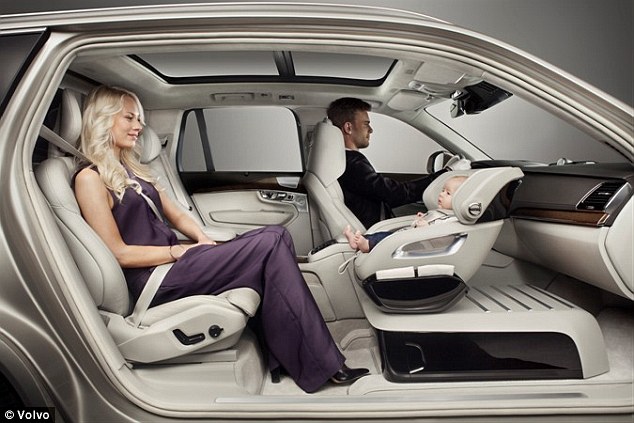
It’s a small detail, almost easy to overlook—until the drive turns warm and the back seat becomes a little too lively. Parents notice it in fragments: a child shifting in their booster, a damp patch of clothing, the sudden restlessness that seems to bloom from nowhere. Then comes the revelation that changes the entire tone of a family road trip: ventilated rear seats. They’re often marketed as a convenience feature, but the truth is more nuanced. This is luxury designed for kids—yes—but also comfort engineered for the adults who share the journey.
People sometimes assume “ventilation” is merely a climate-control gimmick, a modern flourish meant to impress at the showroom. Yet the fascination runs deeper. When you watch a child relax—shoulders lowering, breathing slowing, attention returning to the scenery instead of the sensation of heat—it becomes clear why ventilated seats feel almost magical. The experience is less about cold air and more about consistency. And consistency, in a family car, is its own kind of serenity.
Why Rear-Seat Ventilation Feels Like a Quiet Upgrade
Most cars deliver cooling to the front cabin. Then the rear passengers contend with heat that lingers like a lingering song. Even in well-tuned interiors, warm air migrates upward and toward the back. Ventilated rear seats disrupt that pattern. Instead of relying solely on the climate system to “solve” the problem, the seating fabric and cushion structure do part of the work—drawing air through channels or perforations.
The result can feel immediate. Children stop fussing. Parents stop recalibrating. A ride that might have turned into a debate about “Are you too hot?” becomes a smoother narrative with fewer interruptions. Short sentences matter here, because the lived experience is often simple: comfortable children, calmer adults, better timing for snack breaks.
And there’s a deeper reason comfort features endure. Families don’t just want temperature control—they want predictability. Ventilation offers a subtle promise: the car will respond, even as the outside world changes.
How Ventilated Seats Work (And Why Kids Feel It Faster)
Ventilated rear seats typically use a combination of micro-perforations and embedded airflow pathways. Fans move air through the seat base and, in some designs, the backrest. Depending on the system, the airflow may be cooled and directed to reduce heat buildup at the skin-contact points where discomfort tends to gather.
Kids react quickly to sensory shifts. Their bodies generate heat efficiently and they often wriggle more, increasing contact pressure and trapping warmth under clothing. Adults might tolerate a mildly warm seat for long stretches. Children, especially those in car seats or boosters, can become aware of the sensation sooner because their movement is different and their comfort margins are narrower.
This is why rear-seat ventilation can feel disproportionately powerful. A small temperature change can produce a large improvement in perceived comfort. It’s not just thermodynamics—it’s also the psychology of feeling supported. When the seat feels breathable, children stop treating the ride as an obstacle course.
Luxury for Kids: The Real Meaning of “Premium Comfort”
Luxury in family cars is often interpreted as leather surfaces, glossy trim, or brand prestige. Those elements matter—but ventilated rear seats redefine luxury in a more intimate way. They treat a child’s daily needs as worthy of engineering attention.
Consider the quiet moments: the long school-day return drive, the evening after practice, the weekend excursion when the sun lingers longer than expected. Ventilation doesn’t announce itself. It works behind the scenes like a discreet butler. And that’s precisely why it can feel so special. Comfort becomes a background condition rather than an ongoing negotiation.
Some parents also value the after-effect. If a child’s clothing stays less damp or clings less to skin, the post-trip mood tends to improve. Fewer irritations, fewer complaints, more willingness to transition from car to home. Luxury, here, functions like a mood stabilizer.
Car Seats, Boosters, and the Ventilation Reality Check
Ventilated seats are designed to make the entire rear seating area more breathable. Still, families are rightly cautious about compatibility. Car seats and boosters vary by design, materials, and airflow tolerance. Before relying on the feature, it’s important to confirm that:
1) The car seat manufacturer recommends use with heated or ventilated seat functions.
2) The airflow path doesn’t interfere with the seat’s structural integrity or installed stability.
3) The ventilated function is used within recommended settings.
In real life, most parents seek “safe comfort,” not maximum intensity. Lower settings can reduce the risk of overstimulation or dryness while still delivering cooler airflow where it matters. This is one of those uncommon truths: the optimal setting often feels less dramatic but performs more reliably across seasons.
Some systems may also include zones, with airflow focused under the primary contact areas. That matters for booster riders too—especially those who wear thicker summer fabrics or synthetic layers that trap heat.
A Family Car That Anticipates Seasons
Ventilated rear seats are frequently associated with summer drives, but their value stretches beyond the obvious. In humid regions, heat can feel heavier, and sweat doesn’t evaporate as quickly. Breathability can reduce that sticky discomfort that turns quick errands into endurance tests.
In transitional seasons, kids may wear layers that overheat inside the car long before the weather outside cools down. Ventilated seats help manage the mismatch between “forecast optimism” and real ambient temperature. Even in mild conditions, ventilation can smooth out hot spots caused by sun exposure on the rear cabin.
Think of it as a form of environmental diplomacy. Instead of brute-force cooling, ventilated seating makes the car’s interior response feel tailored and gradual.
Comfort Meets Control: Features That Enhance the Experience
Ventilated rear seats often arrive with thoughtful companion features. Depending on the model, you may find rear climate controls, independent temperature settings, and adjustable fan strength. Some vehicles integrate seat functions with intelligent climate programming.
Here’s where the fascination becomes tangible. Families aren’t only riding together; they’re riding with different comfort preferences. One child wants brisk airflow; another wants gentle warmth. A premium rear-seat setup allows the car to become a meeting point rather than a compromise machine.
Even small control details can matter. Easy-to-reach settings prevent a parent from reaching across the back seat mid-drive. That keeps attention on driving, not on troubleshooting. In the rhythm of family travel, small frictions add up. Ventilated seating reduces one of them.
The Hidden Benefits: Mood, Behavior, and Less Friction
Heat isn’t just uncomfortable—it alters behavior. A warm child may become irritable, distracted, or restless. That can cascade into more frequent requests: water, a snack, a different song, a window adjustment. Ventilated rear seats can reduce the underlying trigger, which often means fewer micro-conflicts.
Parents may not label it “thermoregulation,” but they recognize the effect. The ride becomes smoother. The conversation flows. Even quiet time feels calmer because the body isn’t constantly negotiating discomfort.
There’s also a comfort-perception effect. When children feel cared for, they often mirror that calm. It’s a subtle social signal. A seat that breathes, in a child’s mind, reads like attention. That’s not sentimentality—it’s how comfort communicates care.
Choosing the Right Family Car with Ventilated Rear Seats
When shopping, prioritize more than the presence of ventilation. Look at how the system is integrated into the rear seating arrangement. Key questions include:
Are ventilated seats available in the exact configuration you need? Some trims or layouts may differ.
Is airflow adjustable? Variable intensity helps you match conditions.
How intuitive are the controls? Quick adjustments matter during daily routines.
How does the seating design support child restraints? Confirm fit and compatibility.
If possible, test the feature. A short drive can reveal whether the airflow feels balanced or overly direct. Comfort is personal. Ventilation should feel like relief, not a draft.

Conclusion: Comfort That Feels Like Care
Ventilated rear seats are more than a luxury checkbox. They address a genuine family need: keeping children comfortable when the car becomes the stage for hours of togetherness. The fascination is understandable. Comfort features reduce the invisible stressors that quietly shape mood and behavior. They also offer predictability, which families value more than they realize.
When rear-seat ventilation works well, it turns the back of the vehicle into a sanctuary. And when kids feel steady—cooler, calmer, more content—the entire family journey improves. The road still stretches ahead, the schedules still exist, but the ride becomes easier to inhabit. That, ultimately, is what luxury for kids truly means.