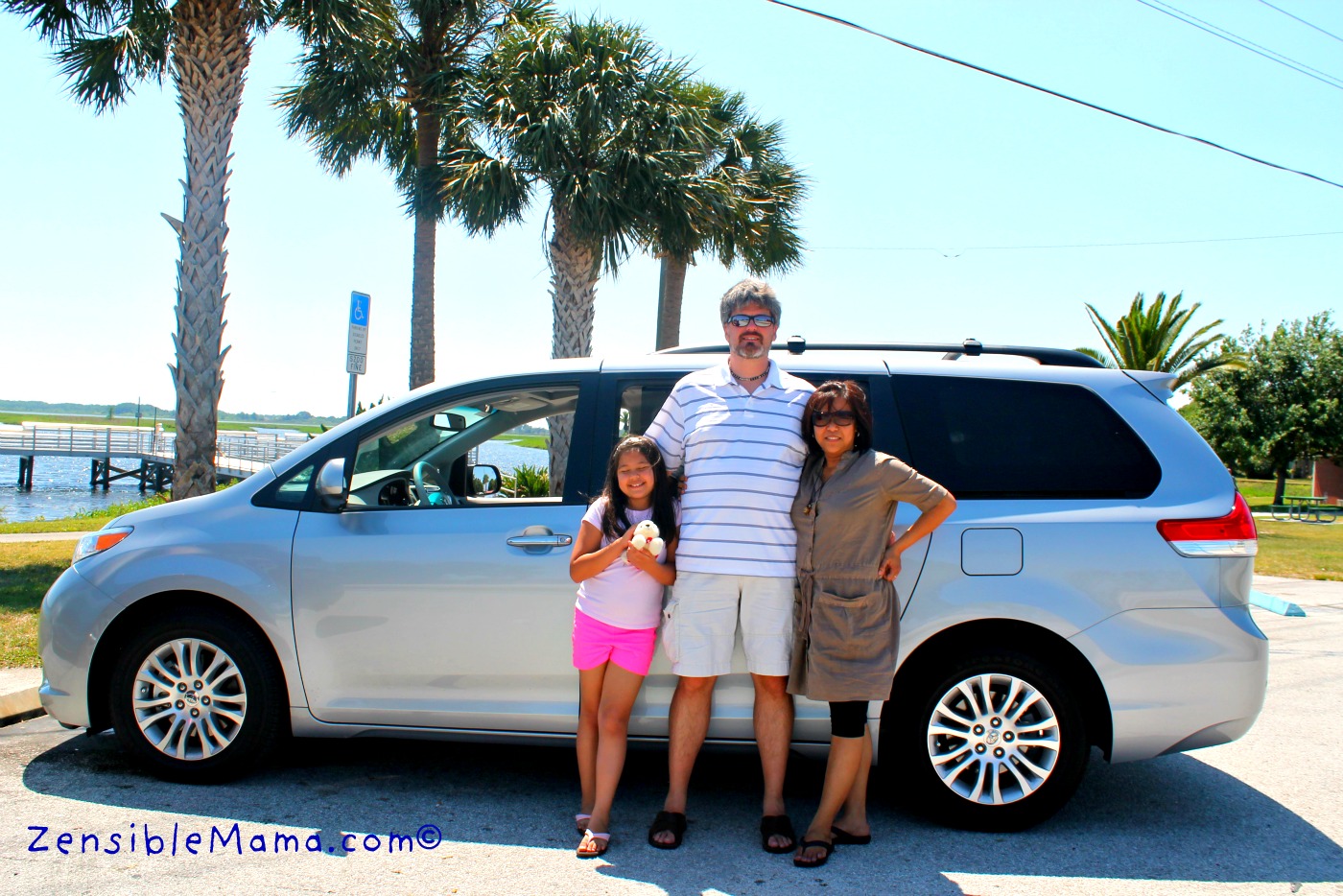
The idea arrived the way good road trips do—quietly at first, then all at once. Somewhere between a school calendar and a grocery list, “1000 miles” stopped being a distant number and became a promise: a Toyota Sienna road trip with family. Not just a drive from point A to point B, but a small expedition of patience, logistics, and joy. The Sienna sits in the middle of that promise like a well-designed hinge—opening space where you didn’t know you needed it, smoothing the frictions that normally show up around mile 200.
And then there’s the deeper shift in perspective. A thousand miles can rearrange priorities. It can turn “Are we there yet?” into “Listen to that,” and replace roadside stress with the kind of attention you normally reserve for special occasions. This is the story of how that happens—how a minivan becomes a mobile living room, and how family togetherness becomes something you can actually practice, one careful decision at a time.
Setting the Stage: The Sienna as a Moving Basecamp
A road trip is mostly preparation—until it isn’t. The first phase feels almost ceremonial: snacks sealed, chargers accounted for, maps downloaded, the back row arranged like a tiny world of its own. The Toyota Sienna earns its reputation early, not with theatrics, but with practicality that feels almost prescient.
When the vehicle is ready, the family mood changes. Short sentences become fewer. Conversations become longer. Even the air seems lighter, as if everyone senses that the ride has been planned with care rather than hope.

Route Design: Curiosity Starts Before the Tires Do
Choosing the route is where curiosity begins. It’s easy to optimize for speed and forget that travel is also a narrative device. The best 1000-mile trips include intentional detours: a scenic stretch that looks brief on the map but feels like a chapter in real life, a rest stop with a view, a town known for a particular kind of pie.
Long journeys reward those who allow for drift. The Sienna encourages it, too—because once the family is settled, the car becomes a dependable cocoon. That reliability is what lets you take the exit without second-guessing everything that comes after.
Packing Without Panic: Space That Changes the Mood
On smaller vehicles, packing tends to become an argument—about what fits, what doesn’t, and who will have to reach awkwardly across the seat belt line. In a Sienna, packing becomes a system. You can sort items by function: quick access for snacks, a designated zone for jackets, a place for the things you only need when the weather flips its opinion.
The psychological benefit is underrated. When belongings are organized, everyone stops searching. That means fewer interruptions. Fewer interruptions mean the trip stays cohesive, like a single, continuous sentence rather than a string of fragments.
Consider the rhythm: the first 10 miles involve anticipation; the next stretch involves settling. By the time you reach the halfway mark in your first day, you start to feel something unusual—calm. It’s the calm of knowing the car can handle your plan, and also your plan’s subtle revisions.
Comfort on the Move: Where the Miles Disappear
After a while, the road itself becomes background. The family’s attention shifts. Kids stop treating stops as interruptions and start treating them as opportunities. Adults relax their grip on time. Even the soundscape changes: fewer sighs, more storytelling. The Sienna’s interior layout supports that transformation by making it easier to stay comfortable through the long arcs of driving.
Short drives have a certain sparkle. Long drives reveal character. You’ll notice it in the way posture stays manageable, how the cabin feels supportive rather than cramped, how the day doesn’t collapse into exhaustion as quickly as it might in a less thoughtful vehicle.
Family Logistics: Snacks, Seat Patterns, and the Art of Timing
Road trip mastery is not about speed. It’s about timing and distribution. Snacks aren’t just food; they are a strategy for momentum. Chargers aren’t just convenience; they are tools for keeping entertainment steady. Even bathroom planning is a kind of choreography.
Try a simple pattern: plan one main stop per couple of hours, plus micro-breaks when you need them. The Sienna’s family-forward design makes these routines easier to execute because everyone can move without turning the cabin into a crowded obstacle course.
There’s also an emotional rhythm. When the plan is predictable, children become more cooperative and adults become less tense. That shift doesn’t feel dramatic in the moment—it arrives gradually, like sunlight crossing a room.
Safety Mindset: Confidence That Lets You Enjoy the Journey
Safety isn’t a checkbox on a road trip; it’s the invisible scaffolding that makes enjoyment possible. When you drive with assurance, you stop constantly scanning for problems and start actually watching the world outside: the changes in terrain, the subtle shifts in weather, the evolving texture of the landscape.
On a 1000-mile itinerary, there’s a special kind of fatigue that can sneak in—fatigue that doesn’t announce itself. That’s where steady driving support and attentive design matter. You want a vehicle that helps you stay composed, not one that adds extra mental load.
Think of safety as a promise you keep to your future self. Every decision—lane placement, speed consistency, rest timing—accumulates into a smoother trip. The Sienna’s real-world suitability encourages that continuity.
The Real-World Test: What 3,000-Mile Lessons Teach a 1,000-Mile Trip
Even if your journey is “only” 1000 miles, it borrows wisdom from longer excursions. The patterns are familiar: the first day feels like an adventure, the second day tests patience, and the final stretch asks for resilience. Real-world experiences reveal what matters most—how the vehicle behaves when conditions change and how the cabin feels when the novelty of travel wears off.
That’s where perspective shifts again. The trip stops being about getting there quickly and becomes about arriving refreshed. When the family remembers the ride fondly rather than stressfully, you know the vehicle contributed more than transportation—it contributed steadiness.
Stops That Matter: Building Memory Into the Route
The best family road trips treat rest stops as narrative anchors. A diner stop where everyone shares the same table. A museum where the kids surprise you by paying attention. A roadside overlook where you realize the view is worth an extra ten minutes.
These are the moments your family will quote later. Not the mileage. Not the navigation accuracy. The moments. And the Sienna helps create them by making the “in-between” parts feel manageable.
Nightfall Strategy: When the Trip Becomes Home
Driving at dusk changes the mood. The light softens. The interior of the vehicle becomes more intimate. If you’re staying overnight, you’ll want the cabin to reset quickly—because sleep depends on clarity and comfort, not chaos.
A practical approach helps: keep essentials within reach, stash waste promptly, and create a small routine. When morning arrives, the family wakes up as if the trip has been thoughtful all along. That’s not just convenience—it’s the difference between waking up tired and waking up ready.
Arrival: The Quiet Satisfaction of Completing the Journey
Crossing the final stretch feels strange. The road is still moving, but your mind is already in the destination. The family begins talking about what they want to do next, as if travel has expanded their sense of possibility.
When you arrive, the greatest reward is emotional, not logistical. You feel the win of coordination. You feel the relief of having kept the trip smooth. And you feel the shift in perspective that started with a simple idea: that a road trip can be a way of paying attention to each other.
Outro: A Thousand Miles, Reframed
A Toyota Sienna road trip with family turns the distance into a canvas. It invites a quieter kind of wonder—one built from comfort, timing, and confidence. The promises aren’t only about space or drivability. They’re about how the journey changes you: how patience grows, how curiosity becomes a habit, how togetherness stops being a slogan and becomes something you practice mile by mile.
When the trip ends, the mileage fades. What remains is the shared story—told in fragments, laughed at in full, and carried forward into the next plan. Because once you’ve experienced a thousand miles done right, the idea of traveling together doesn’t feel like logistics anymore. It feels like possibility.