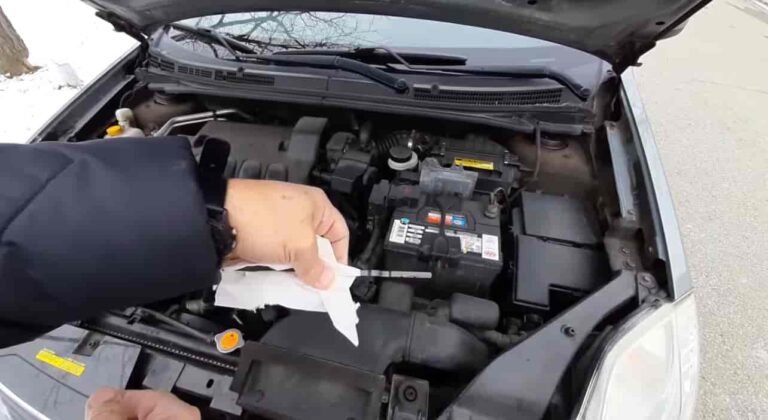
Have you ever wondered how a transmission can feel perfectly smooth on one drive—and then, on the next, seem to hold onto a gear a beat too long? That tiny sensation can be maddening, especially when your daily companion is a Nissan Sentra equipped with a continuously variable transmission (CVT). The CVT’s promise is serenity: seamless ratios, efficient cruising, and less drama at stoplights. Yet reliability isn’t magic. It’s maintenance, behavior, and early detection working together like a well-rehearsed ensemble.
So here’s a playful challenge: picture yourself at a red light. Everything seems normal. Then you notice something—maybe a faint, unusual shudder when transitioning from stop to motion, or a slight lag as the accelerator returns. Nothing catastrophic. But enough to make you wonder, “Is this the beginning of a CVT reliability plot twist?” Let’s unpack how to perform a reliability check on your Sentra CVT, covering the practical diagnostics, the subtle warning signs, and the habits that keep the system happy.
Know Your Sentra’s CVT Personality: What “Normal” Feels Like
Before chasing symptoms, define baseline behavior. A healthy Sentra CVT typically delivers linear acceleration without harsh shift events. There’s no traditional gear “thunk.” Instead, you’ll experience a consistent rise in engine pitch paired with smooth vehicle response. If your Sentra feels like it’s searching for the right ratio—revving without commensurate acceleration—that can be a clue worth investigating.
Pay attention to three categories: takeoff behavior, cruising steadiness, and deceleration smoothness. If takeoffs are hesitant, cruising feels jittery at a constant speed, or downshifts feel abrupt (even though there’s no conventional shifting), the CVT may be signaling stress. Stress can come from fluid condition, wear of internal components, or calibration adaptations that have slipped out of harmony.
Fluid Condition: The CVT’s Lifeblood (And Its Biggest Reliability Lever)
The CVT operates under unique hydraulic and belt/chain demands. That means its fluid isn’t just “oil.” It’s a specialized medium that supports lubrication, friction characteristics, and hydraulic pressure control. Over time, CVT fluid can degrade from heat cycling, contamination, and normal wear particles. Degraded fluid can lead to poor pulley engagement and delayed response.
Start with the basics: verify the service interval recommended for your specific Sentra model and driving conditions. Some owners assume “lifetime” equals “never.” That assumption can be expensive. If you drive in heat, frequent stop-and-go traffic, or hilly terrain, fluid aging accelerates. The transmission can become a heat generator, and heat is the quiet saboteur of fluid viscosity and chemical stability.
During your reliability check, look for any indication that the fluid is overdue: discoloration, a burnt odor, or signs of metal fleck contamination. If the fluid appears unusually dark or smells overheated, treat that as a near-term priority rather than a vague future project.
Temperature and Driving Habits: How You Train the CVT
A CVT is sensitive to how you drive, not just how often you drive. Repeated hard acceleration, frequent slipping at low speeds, and prolonged towing (if applicable) can increase thermal load. Thermal load matters because it amplifies fluid degradation and accelerates wear on friction surfaces.
Here’s a practical thought experiment. Imagine two drivers with identical Sentras. Driver A drives gently for the first few miles, allowing the fluid to come up to operating temperature. Driver B launches aggressively at every cold start and sustains high RPM climbs. Over months, the CVT of Driver B is likely to age faster. That’s not judgment. It’s mechanical reality.
Consider moderate acceleration, avoid holding the car on the brake with the engine revving in “creep” situations, and don’t treat the CVT like a launch controller. Smoothness is not only comfortable—it’s protective.
Service History and Adaptations: Reading the Past Without Guessing
Reliability isn’t solely determined by what you do today. It’s also shaped by what was done before—fluid changes, inspection results, and repair history. A Sentra with a consistent maintenance record often feels calmer and more predictable.
Some CVTs rely on learning/adaptation behavior to fine-tune response. If the vehicle has had unusual drivability events—like repeated harsh acceleration or prolonged sensor issues—the transmission may attempt to adapt to conditions that are not actually healthy. A scanner-based check can be more revealing than intuition alone.
If you have access to service documentation, compare the mileage since the last fluid change to the severe-use reality of your routes. Then match that history with current symptoms. Patterns tend to emerge.
Warning Signs: The Small Clues That Don’t Deserve to Be Ignored
Let’s turn the volume up on symptoms. Not all CVT issues produce obvious failures. Many begin as subtle friction or hydraulic control problems. Watch for:
- Delayed engagement when shifting from Park to Drive or Reverse.
- Unusual noises such as whining, rattling, or metallic rasping under acceleration.
- Judder or shudder during low-speed takeoff or steady acceleration.
- Revving without proportional movement, especially during moderate throttle input.
- Fluctuating speed under gentle driving that feels like the transmission is “hunting.”
If a check engine light appears, don’t treat it as scenery. Retrieve diagnostic trouble codes (DTCs). Codes tied to transmission control, solenoid function, or torque converter lockup (where applicable) can point to root causes. Even when the message seems vague, the code is often a breadcrumb leading toward the actual issue.
Diagnostic Approach: From Feel to Evidence
Feel is important. Evidence is decisive. A thorough reliability check blends both. Begin with a visual inspection: check for leaks around transmission seals, verify that the underbody isn’t collecting fluid, and ensure the cooling system is performing properly.
Many CVT issues escalate when the fluid overheats due to cooling limitations. A cooling system that runs hot—whether from a weak radiator fan, clogged passages, or degraded coolant—can turn a minor wear issue into a major reliability event.
Next, perform a road test with attention to repeatability. Does the symptom appear consistently at a certain speed band, during acceleration after a stop, or only when the vehicle is warm? Reproducible behavior is a gift. It helps technicians isolate whether the issue is hydraulic pressure management, belt/pulley friction behavior, or a sensor/solenoid response problem.
Fluid Change Strategy: Pan Drop vs. Simple Drain
When you’re addressing reliability proactively, the method matters. A simple drain replaces a portion of the fluid. A more involved procedure—such as a pan drop—often replaces a larger fraction and allows inspection of the pan interior.
Pan inspection can be revealing. A light haze of metallic sheen can be normal wear material. But heavy debris, excessive sludge, or large flakes can indicate belt/chain or pulley wear. That information changes the plan. It may shift the goal from “refresh fluid” to “evaluate components before continuing.”
If you’re not equipped for these procedures, seek a shop that understands CVT-specific service requirements, including correct fluid type and refill level procedure. Overfilling or underfilling can create pressure and temperature problems.
Maintenance Beyond Fluid: Filters, Valves, and Cooling Systems
Many owners focus on fluid alone, but reliability is a system property. Depending on the Sentra’s transmission generation, a CVT may include internal filter elements or involve screen components that can be affected by wear debris. Likewise, solenoids and valve bodies modulate hydraulic pressure. If they become sticky—often due to contamination from aging fluid—the transmission response can degrade.
Don’t forget the outside helpers. A functional engine cooling system indirectly supports CVT health because the transmission fluid depends on temperature stability. Ensure airflow pathways are clear, radiator conditions are normal, and any fan operations are consistent.
When to Worry: The Threshold for Professional Intervention
There’s a difference between “the CVT is getting fussy” and “the CVT is failing.” If your Sentra exhibits repeated slipping under load, persistent harsh shuddering, loss of power during acceleration, or flashing warning lights, that’s time for immediate professional diagnosis.
Continuing to drive when the transmission is misbehaving can worsen internal wear. Heat plus friction mismatch is a formula that escalates problems quickly. The most reliable approach is to investigate early, while the issue is still reversible through service and calibration rather than major replacement.
Practical Reliability Checklist for Your Next Few Miles
Here’s a compact checklist you can apply immediately:
- Notice behavior: takeoff smoothness, cruising steadiness, deceleration feel.
- Check fluid: confirm service history and evaluate fluid appearance/odor if possible.
- Inspect for leaks: look under the vehicle and around transmission seams.
- Monitor temperatures: ensure the cooling system is healthy.
- Use diagnostics: scan for DTCs if warning lights appear or behavior worsens.
- Be consistent: note whether symptoms correlate with heat, speed, or throttle position.
Do it calmly. Don’t panic. But do it with precision.
Conclusion: Keep the CVT Calm, and It Will Usually Stay Calm
A Nissan Sentra CVT doesn’t demand perfection. It demands attentiveness. When you treat fluid health as a cornerstone, respect temperature, drive smoothly, and investigate early warning signs, the odds tilt strongly toward long-term reliability. The playful challenge at the red light becomes a moment of empowerment rather than uncertainty.
So the next time that tiny hesitation appears—or you hear the engine pitch change in a way that feels unfamiliar—remember: a reliability check isn’t about fear. It’s about timing. Catch the problem while it’s still small, and your Sentra is far more likely to reward you with the kind of smooth, effortless motion that made you trust the CVT in the first place.