There’s a particular moment that arrives when you’re shopping for a car and the spreadsheet starts to feel personal. Numbers begin to hum in the background—residual value, depreciation rate, payoff timing—until the purchase feels less like a choice and more like a wager. Now imagine tilting the lens. Instead of asking, “How much will I lose?” consider the richer question: “What am I buying, and how does time treat that decision?” That reframing is especially potent with a performance-minded sedan like the Hyundai Elantra N, where enthusiasm is high and the depreciation conversation deserves nuance.
Today, the debate often sounds binary—buy or lease. But depreciation rarely behaves like a simple yes-or-no. It behaves like weather: patterns emerge, surprises occur, and your route matters. Let’s walk through the Elantra N’s depreciation reality with a buy-versus-lease perspective that promises to shift your expectations and, hopefully, pique your curiosity.
Depreciation Isn’t a Number—It’s a Story
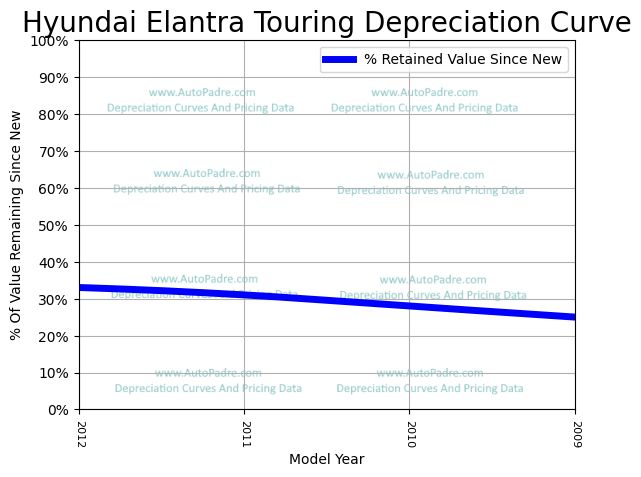
Depreciation is often presented as a curve. But curves are merely the visible contour of deeper forces. Mileage accumulation, market taste, trim availability, incentives, and even the cadence of model refreshes all tug on the value of a car. In practical terms, depreciation measures how much the market is willing to pay today for something you paid for yesterday. That gap is where most ownership cost quietly hides.
With a sports-oriented compact, the story can be more volatile than with a purely commuter-focused vehicle. Performance trims tend to attract a narrower audience—people who love the character of the machine. That can help or hurt depending on whether the market’s appetite matches the car’s specific appeal when it’s time to sell or trade. The result is that the depreciation curve can feel like it has personality: steep in some periods, steadier in others.
And here’s the first perspective shift: depreciation is not just “loss.” It’s also information. It tells you when the car is most vulnerable to market opinion and when it holds its identity more confidently.
Why the Hyundai Elantra N Is an Interesting Case
The Elantra N sits in a sweet spot—compact enough for efficiency-focused budgets, aggressive enough to earn attention at a stoplight. That blend influences both demand and resale. Buyers looking for the Elantra N typically aren’t just chasing transportation. They’re chasing a feeling: sharper response, confident cornering, and the kind of mechanical charm that makes a drive feel authored rather than automatic.
That demand can support residual values, especially if buyers continue to see the Elantra N as a “forever hot hatch-ish” alternative—even if they wouldn’t label it that. Still, the performance segment has its own accelerants. When new competitors appear or when brand momentum shifts, the used market can react quickly.
So the depreciation curve of the Elantra N isn’t only about wear. It’s also about cultural timing.
Reading Depreciation Curves Without Getting Lost
Depreciation curves are commonly shown as a visual slide from value at purchase to value at future intervals. The early years often show sharper drops. That’s not because the car suddenly “gets worse.” It’s because initial ownership changes perception: the vehicle transitions from “new” to “used,” and the market recalibrates.
Think of it like this: the first chunk of time is dominated by the psychology of ownership status, while later chunks are more driven by mileage, condition, and the availability of alternatives. That matters for both buying and leasing—because the decision determines which portion of the story you pay for.
Here’s the curiosity cue: if your mindset is “I want the steepest depreciation paid by the next owner,” buying might be less favorable in the early phase. But if your mindset is “I’d rather pay predictable costs and exit before uncertainty grows,” leasing can start to look like a strategic move.
Buying the Elantra N: Ownership, Control, and the Residual Risk
Buying means you take full responsibility for the entire depreciation journey. The upside is control. You’re not bound to a mileage allowance and wear-and-tear inspection that can turn minor issues into negotiation. You can modify driving habits, choose where to park, and decide how long to keep the car.
But the residual risk is real. If the market shifts unfavorably—if buyer interest cools, if newer trims reshape expectations, or if supply increases—your trade-in value may not match the optimism you had at purchase time. In the language of uncertainty, buying is like holding a long option: the longer you keep the car, the more the outcome depends on forces outside your dashboard.
To manage that risk, you can buy with discipline. Maintain the vehicle meticulously. Keep mileage reasonable. Choose timing that respects the model lifecycle. And—crucially—consider your personal tolerance for holding period volatility. Some people can confidently drive a car for years. Others want flexibility long before the depreciation thesis matures.
Leasing the Elantra N: Predictability With a Contractual Shadow
Leasing reframes depreciation into something closer to a subscription. You’re essentially paying for the portion of value the car loses during your lease term—plus financing and fees. That can deliver an elegant kind of clarity: you’re less exposed to what happens when the ownership chapter ends years later.
For many drivers, the appeal is psychological as much as financial. Leasing can help you avoid the “what if the market hates my car in 4 years?” question. Instead, you answer the more immediate prompt: “Can I enjoy the Elantra N during this term without violating the contract’s constraints?”
Still, leasing has a contractual shadow. Excess mileage charges, wear-and-tear assessments, and early termination terms can transform casual driving into costly arithmetic. The best leasing experiences tend to belong to drivers who plan mileage thoughtfully and treat the car with the care that keeps turn-in fees from becoming surprise invoices.
If you’re the type who likes to pivot every few years—new roads, new preferences—leasing can feel like giving depreciation a limited radius.
So Which Wins for Elantra N Depreciation: Buy or Lease?
There’s no single winner, but there is a decision logic. If your primary goal is minimizing total out-of-pocket cost while you keep the car long enough for depreciation to stabilize, buying often behaves better. The longer you hold, the more you may “spread” the initial value loss across years of use, especially if the car remains desirable.
If your primary goal is reducing residual uncertainty and keeping your exposure short, leasing can win. Leasing can be particularly compelling when you suspect the market may change faster than you’d like—when model momentum, incentives, or competitive offerings feel like moving targets.
Here’s the perspective shift that ties it together: buying is an exposure decision, while leasing is a risk containment decision. One approach can reduce flexibility; the other can reduce uncertainty. Your lifestyle should choose the strategy, not just the numbers.
Mileage, Condition, and the Hidden Depreciation Engines
Whether you buy or lease, your driving leaves fingerprints on value. High mileage generally accelerates depreciation. Aggressive wear—tire tread degradation, scratched wheels, damaged interior surfaces—can be treated differently depending on the ownership method.
Leasing adds a layer of scrutiny. What seems minor to one owner can become a bill to another party. Buying has its own quirks, but at least the condition assessment is more negotiable when you sell, trade, or private party your way through the market.
Unusual but effective tip: keep records of maintenance and repairs. Not as a burden, but as an evidence trail. A well-documented vehicle can command stronger buyer confidence, which can soften the depreciation curve in real-world transactions.
Timing the Decision: Model-Year Momentum and Market Mood
Depreciation isn’t only technical; it’s also emotional in the market. When new trims arrive, used inventory grows. When incentives rise, buying behavior shifts. When a car becomes a cultural talking point—good or bad—value reacts.
For a performance-oriented trim, timing can be especially relevant. If the Elantra N’s reputation is trending upward, resale strength can appear earlier than expected. If the market attention pivots elsewhere, the early depreciation period can feel more severe.
Curiosity pays here. Watch how comparable vehicles trade over time. Look at sale-to-sale patterns rather than one-off listings. Market mood is rarely instantaneous; it ripples.
Practical Scenarios: When Each Approach Fits Real Life
Consider three drivers. First, the long-haul owner who keeps cars for years, drives moderate miles, and doesn’t mind learning the car’s quirks. Buying may align with that temperament, especially if you can emotionally commit through the early depreciation phase.
Second, the seasonal driver with a tendency to switch vehicles when interest shifts. Leasing can feel like freedom with guardrails, reducing exposure to the later stages of the depreciation curve.
Third, the performance-minded experimenter who wants the Elantra N’s energy but doesn’t want to bet on the market’s long-term love. Leasing might suit them best, because the contract ends before uncertainty becomes a dominant factor.
These scenarios aren’t about income brackets. They’re about decision psychology.
Final Thoughts: Make Depreciation Work for You
The Hyundai Elantra N depreciation debate shouldn’t be framed as fear. It should be framed as strategy. Depreciation will happen whether you buy or lease; the question is how much of the journey you choose to finance. Buying invites you to hold the long story. Leasing offers a shorter chapter with a clearer exit.
Approach the decision with curiosity, not dread. Study timing, plan mileage, respect condition, and choose the method that matches how you naturally move through life. When the lens flips—from “How much do I lose?” to “How do I manage exposure over time?”—the path becomes clearer, and the Elantra N becomes more than a purchase. It becomes a deliberate act of steering.