There’s a particular kind of anticipation that comes with borrowing a new car for a full week. It isn’t just about speed or spec sheets—it’s about how the vehicle behaves when the novelty fades, when your commute becomes routine, and when every tiny creak in the cabin or flicker of the infotainment suddenly matters. The 2025 Honda Civic arrived with that promise: a familiar nameplate dressed in fresh engineering choices, aimed at making daily driving feel calmer, sharper, and more coherent. After seven days of real-world miles—morning starts, stop-and-go traffic, late-night highway runs, and a few detours that tested comfort—I came away with a strong sense of what this Civic gets right, and what it still refuses to make effortless.
This review isn’t a highlight reel. It’s a travelogue through the Civic’s personality: the way it steers through tight turns, the cadence of its power delivery, the temper of its ride quality, and the practicality of its interior in the moments that matter. Expect a broad range of reader-friendly content here—what it’s like to live with, how it stacks up against common expectations in the compact class, and where the trade-offs land. Consider it a comprehensive guide disguised as a week in the driver’s seat.
First Impressions: The Civic Feels Prepared, Not Pretentious
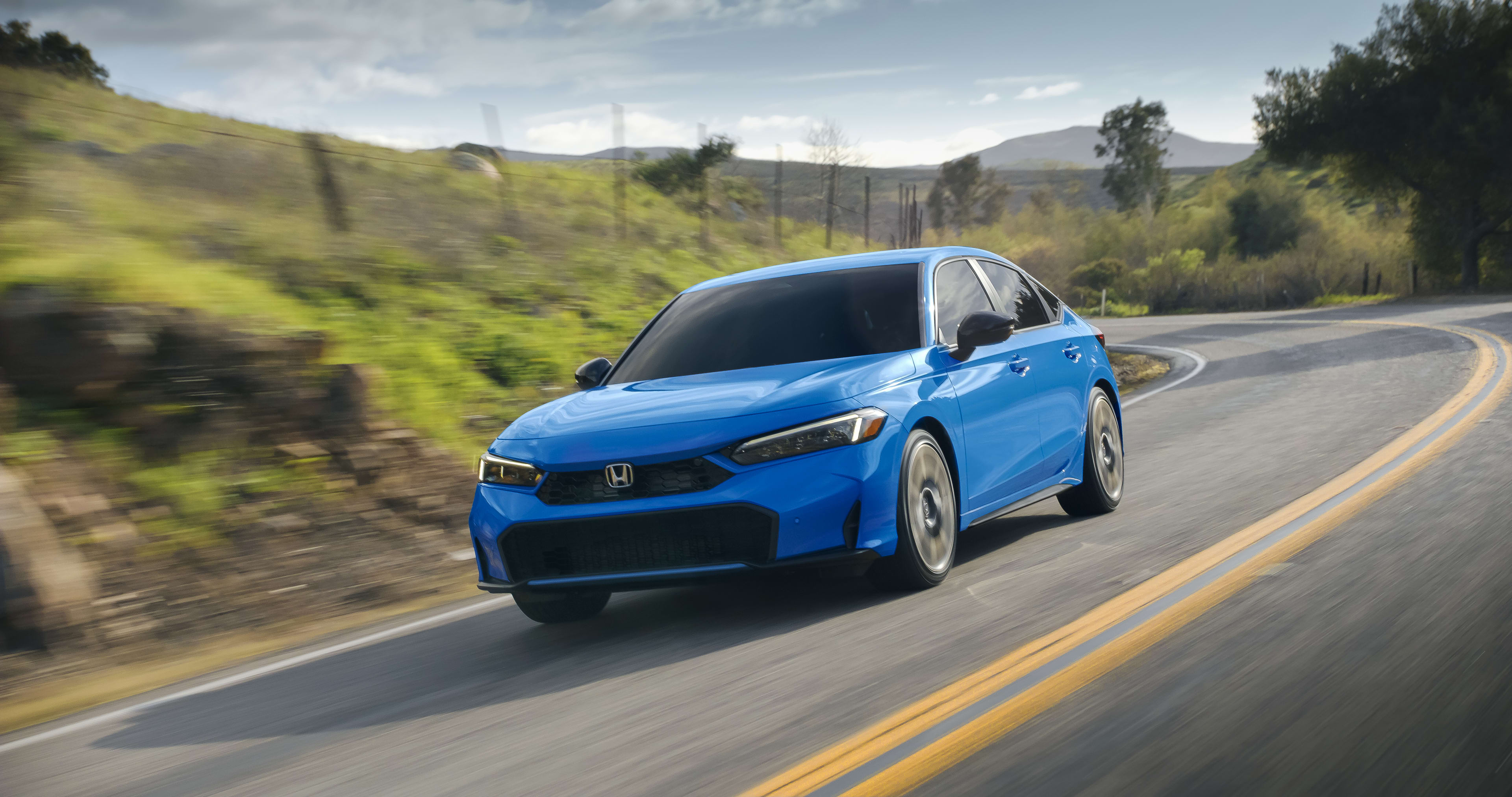
On day one, the 2025 Civic didn’t strike me as theatrical. It felt composed. The stance reads as purposeful, with proportions that look planted rather than flashy. That restraint continues once you’re seated. The driving position encourages focus, and the cockpit layout avoids the clutter that can make modern cars feel like command centers. Everything important is reachable without turning the steering wheel into a contortionist performance.
Even at low speeds, the chassis communicates confidence. It doesn’t broadcast every pebble through the seat, but it also doesn’t mute the road to the point of numbness. The result is a kind of balanced tactility—like driving with your hands on a well-tuned instrument panel rather than a padded mystery.

Comfort Over Time: How the Ride Holds Up After the Honeymoon
Comfort is easy on day one, when your brain still romanticizes the newness. After several days, the Civic’s ride quality became the story. It handles uneven pavement with a steady rhythm. Small bumps get processed smoothly, while sharper impacts don’t feel like jolts—more like quick, controlled deflections.
On familiar roads, the car began to feel predictable, which is a compliment in disguise. Predictability reduces fatigue. The seats offer supportive cushioning without turning into sofa-level softness. Long stretches don’t feel punishing, and short drives don’t feel stiffly rehearsed either. The Civic’s suspension tuning seems aimed at minimizing driver distraction.
Noise management also plays a role. City driving includes the usual chorus of tire roar and background traffic, but the Civic avoids the “hollow drum” effect that some compact cars exhibit. On the highway, the cabin settles into a calmer acoustic profile. You don’t mistake it for luxury insulation—but you also don’t feel like you’re fighting the air.
Power and Response: Throttle Feel, Not Just Numbers
Under the hood, the Civic’s personality is less about raw theatrics and more about purposeful response. The engine and transmission pairing (depending on the specific variant you drive) delivers motion with an easy-to-modulate throttle. In stop-and-go traffic, it doesn’t lurch into motion like a restless puppy. It moves, then it waits politely.
When merging or passing, the car offers a satisfying sense of acceleration without requiring heroic pedal inputs. The best part is the linearity: you press, it responds, and you don’t have to second-guess the timing. That matters most during real-world driving where opportunities appear briefly and vanish quickly.
Even when the road becomes more spirited—tight curves, occasional uphill spurts—the Civic doesn’t lose its composure. It stays eager but not frantic. That balance is exactly what makes a compact car feel “grown up.”
Steering and Handling: Confident Line-Holding With a Human Touch
Steering in the Civic feels communicative. It’s not just about weight; it’s about information flow. You sense the front tires’ grip and the car’s intent. In parking lots and narrow streets, the wheel is manageable, and turning angles feel appropriately quick.
In winding sections, the Civic demonstrates a friendly kind of agility. Body control is strong enough to keep the experience engaging, yet the chassis doesn’t punish you for normal driving habits. The suspension holds your line, and the brakes deliver predictable deceleration. That predictability—again—is what keeps the week from becoming tiring.
There’s also an “optical” aspect to handling. The car’s sightlines make it easier to judge space, and that reduces micro-stresses. When you’re threading through traffic or parking near a curb, confidence is worth more than a spreadsheet of lap times.
Braking, Stability, and Driver Confidence
Braking performance is a quiet hero. Several times during the week, I encountered sudden slowdowns—pedestrians near crosswalks, traffic waves that formed without warning, and the kind of late braking that happens when drivers change their minds. The Civic responded with controlled deceleration and consistent pedal feel.
Stability systems didn’t feel intrusive. Instead of “taking over” in a way that interrupts your rhythm, the car seems to correct with a light touch. That matters for confidence because it allows you to maintain composure. You feel safe without feeling managed.
Infotainment and Controls: Usable Tech, Not Just Flash
The 2025 Civic’s infotainment experience is designed around clarity. Menus load without drama, and the interface avoids the labyrinthine patterns that can make even simple tasks feel like bureaucratic paperwork. Touch targets are generally well-sized, and voice commands—when supported—add a layer of convenience in motion.
On long drives, audio performance stayed steady, and the screen didn’t become an anxious distraction. Short sentences work better here: you glance less often, you feel more in control. The climate controls are tangible enough that you don’t have to rely solely on the display, which keeps the cabin experience intuitive.
Interior Practicality: The Civic’s Real Strength
Compact cars often win on packaging. The Civic wins on habitability. Rear seat space is adequate for everyday errands, and the cabin layout encourages efficient movement. Headroom and legroom feel proportionate to the class. If you regularly commute with friends or family, the Civic behaves like a car designed by people who actually carry people.
Cargo capability is where the week’s routine turned practical. Groceries fit without turning the trunk into a puzzle. Weekend items slide in logically. Even with a packed schedule, the car doesn’t feel like it requires tactical choreography.
Storage cubbies and door pockets help distribute clutter. That sounds trivial until you live with it for days. Less clutter on the passenger side means fewer distractions, cleaner sightlines, and an easier-to-breathe cabin mood.
Fuel Economy and Efficiency: The Weekly Scorecard
Efficiency is where the Civic earns credibility. Over the week, the car’s consumption aligned with what you’d expect from a modern compact platform—reasonable in stop-and-go, stable on highway runs, and not overly sensitive to typical driver behavior.
Short trips revealed a familiar truth: cold starts and frequent acceleration influence numbers. But even then, the Civic didn’t feel wasteful. Long stretches produced a more relaxed consumption pattern, and the car’s drivability helped maintain an efficient tempo. The takeaway is simple: it encourages good habits without punishing you for being human.
Safety and Driver Assistance: Helpful, Mostly Transparent
Driver-assistance features enhance day-to-day calm. The lane support and adaptive safety functions (depending on trim and configuration) generally feel reliable. They don’t dominate the driving experience; they act like a secondary set of eyes.
During the week, I noticed the greatest value in mundane contexts: highway monotony, low-speed traffic, and late-day visibility conditions. These systems become less impressive in marketing materials and more impressive when you’re actually tired. They help reduce the burden of constant vigilance—especially on long drives.
Where It Falls Short: The Trade-Offs That Matter
No week is perfect. The Civic’s strengths came with a few compromises. Some ride characteristics can feel slightly firm when the road turns coarse and unforgiving. The cabin materials look solid, but certain surfaces may not project the same tactile richness as pricier competitors.
Infotainment performance stays smooth, yet some users may prefer faster shortcut behavior on complex screens. And while the car’s controls are generally intuitive, there’s always a learning curve when tech is integrated deeply into daily tasks. The good news: the curve is manageable. The bad news: it exists.
The Week in Summary: Should You Buy the 2025 Civic?
After seven days, the 2025 Honda Civic feels like a compact car built for people who want less friction and more coherence. It’s not trying to be a sports car, a luxury sedan, or a gadget platform pretending to be something else. It’s trying to be an excellent daily companion—comfortable, communicative, and practical.
It earns trust through its steering feel, its calm ride, its usable interior layout, and a powertrain temperament that doesn’t demand constant correction. Efficiency supports the ownership rhythm, and safety features add a layer of reassurance without turning into a gimmick.
If you’re shopping in the compact segment, this Civic offers a persuasive blend: engaging enough to keep attention, civilized enough to keep fatigue low. The week ended the same way it began—minus the excitement of novelty, but with the stronger satisfaction of consistency.
In other words, the 2025 Civic didn’t just entertain for a few days. It settled into life like something you could rely on. That’s the real win.