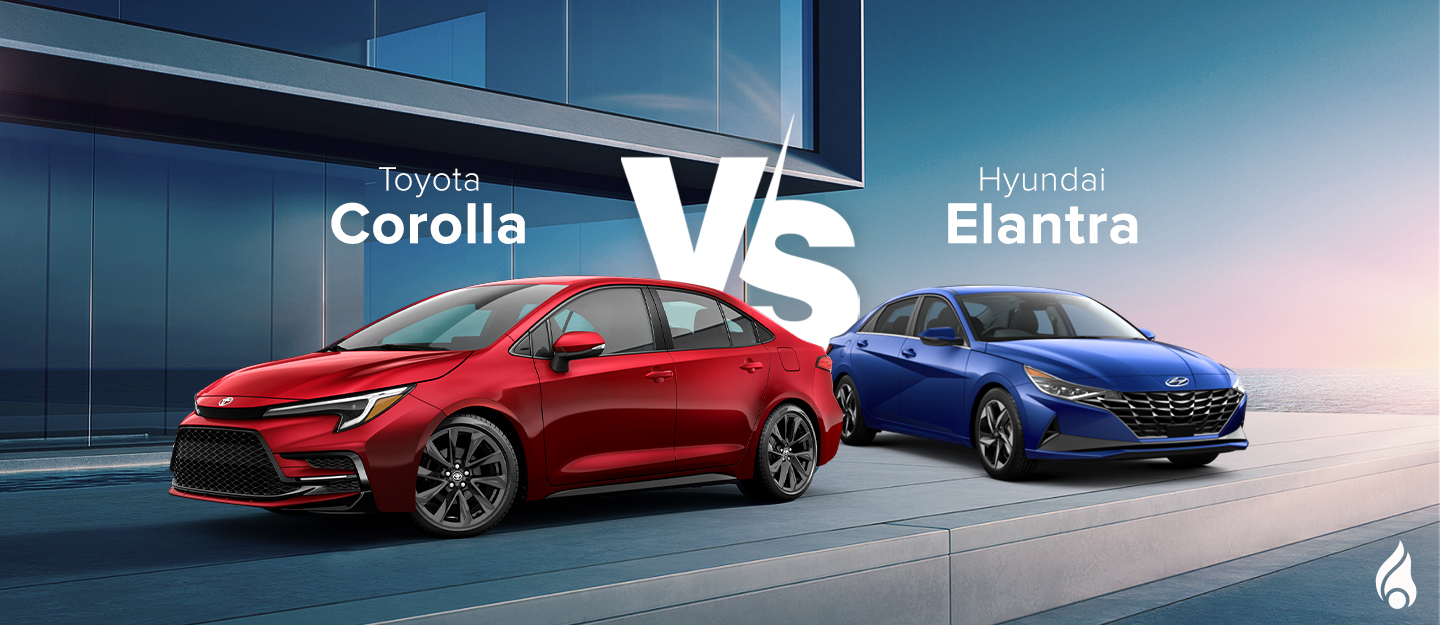
There’s a peculiar magnetism to the phrase “MPG king.” It’s not just a marketing tagline—it’s a promise that daily errands, commutes, and weekend escapes won’t quietly erode your budget. In the hybrid corner, two names keep surfacing in the same breath: the Toyota Corolla Hybrid and the Hyundai Elantra Hybrid. Both aim to be efficient, both wear modern design language, and both court drivers who want momentum without the constant anxiety of fuel prices. Yet the fascination deepens when people compare real-world miles per gallon (MPG) and notice that the Corolla often appears to edge ahead.
But the common observation is only the doorway. Why does this “MPG king” narrative cling so stubbornly to the Corolla Hybrid? And why does the Elantra Hybrid remain so compelling even when it doesn’t always top the efficiency charts? The answer lives in the interplay between powertrain philosophy, everyday usability, and even how drivers unconsciously influence outcomes.
What “MPG King” Really Means in Everyday Life
“MPG king” is usually treated like a scoreboard—one model wins, the other trails. In reality, MPG is a living metric. It fluctuates with terrain, traffic rhythm, temperature, tire pressure, and driving cadence. A car can be objectively efficient and still show mediocre numbers if the driver repeatedly triggers rapid acceleration, idling bottlenecks, or aggressive highway merges.
The Corolla Hybrid’s reputation for strong MPG is therefore less about one magical number and more about consistency. Many drivers experience it as predictable economy: steady gains in stop-and-go situations, measured consumption on suburban roads, and calmer behavior when the throttle isn’t being yanked like a rope.
That predictability creates a feedback loop. Owners talk. Reviews spread. Prospective buyers notice the pattern and start expecting it. Expectation itself becomes a lens, sharpening attention on efficiency details—battery management, engine cycling behavior, and the car’s ability to remain in its sweet spot.
Powertrain Philosophy: Efficiency Built vs. Efficiency Borrowed
Under the hood, both cars rely on a hybrid system that blends an internal combustion engine with an electric motor. The distinguishing factor is how each automaker orchestrates the dance. Some systems prioritize rapid response and then “make up” efficiency later. Others are designed so efficiency is baked into the choreography from the first pedal press.
The Corolla Hybrid tends to feel composed during common driving scenarios. When the car enters a low-speed rhythm, it can lean more heavily on electric assistance. During deceleration, it captures energy through regenerative braking. This isn’t exotic tech—it’s a disciplined approach to energy conservation.
The Elantra Hybrid can also deliver impressive efficiency, but its character can be shaped by how it manages engine load and how it transitions between power sources. Hyundai’s tuning often emphasizes a more contemporary driving feel—smoothness, refinement, and a sense of modern responsiveness. That can be fascinating, even when the raw MPG output varies slightly.
Fuel Economy in City Traffic: Where Hybrids Earn Their Keep
City driving is hybrid territory. Frequent stops and slow-moving traffic give the energy-recapture system recurring opportunities. The most efficient hybrid behavior usually emerges in these environments because the vehicle is constantly shifting between propulsion and regeneration.
Drivers often notice that the Corolla Hybrid seems to “float” through slow stretches with less fuel burn. Long glides, controlled deceleration, and a frequent ability to keep the engine from running unnecessarily contribute to the impression of efficiency. It’s almost like the car knows how to behave politely: it doesn’t waste energy just to prove it can accelerate.
The Elantra Hybrid can be similarly effective, especially when driven with a light touch and when traffic allows for regenerative cycles. Yet the real-world difference may appear when throttle application becomes more varied. The less consistent the driving cadence, the more noticeable the MPG gap can become.
Highway MPG: The Different Battlefields at Speed
Highway driving changes the rules. Hybrid systems still matter, but the engine may run more often to sustain speed and aerodynamic demands. At higher velocities, air resistance becomes the dominant energy consumer, and the benefits of electric-only movement tend to shrink.
Here, the Corolla Hybrid’s design emphasis on efficient powertrain operation and fuel-sipping behavior can help it maintain an advantage. It’s not simply that it has a higher number—it’s that it tends to stay efficient when the conditions are less forgiving.
The Elantra Hybrid remains a strong contender for long trips, and it can feel calm and modern at cruising speeds. Some drivers may even prefer its overall road manners. Efficiency numbers don’t tell the entire story; comfort, noise management, and how steadily the car holds speed can influence driver satisfaction and perceived fuel savings.
Driving Technique: The Hidden Coauthor of Every MPG Story
There’s a quiet truth many people learn the hard way: hybrid MPG is not purely a mechanical attribute—it’s also a behavioral outcome. How you accelerate, how early you anticipate stops, and whether you let regenerative braking do its job all affect final MPG.
The Corolla Hybrid often rewards drivers who practice gentle throttle modulation. Its response encourages a more gradual approach. That nudges behavior toward efficiency. Over time, drivers unconsciously adapt, driving in a way that the car naturally supports.
The Elantra Hybrid can reward the same approach too, but its driving feel may inspire different habits. If the car’s refinement makes you want to press a bit more confidently, the MPG may follow a different trajectory. This isn’t a flaw—it’s the human element asserting itself in the equation.
Why the Corolla’s Reputation Feels So Sticky
Reputation works like thermodynamics: it accumulates. Once enough people observe similar experiences—strong MPG in daily commutes, consistent behavior in traffic—the belief system hardens. The Corolla Hybrid becomes the default choice for shoppers who want maximum efficiency with minimal fuss.
Deeper reasons often hide behind this narrative. A system that delivers stable economy is easier to “get right” on the first try. It doesn’t demand extreme technique. It doesn’t punish ordinary acceleration patterns as harshly. That lowers the cognitive load on drivers.
Then comes brand trust. Toyota’s hybrid history and the long-standing perception of durability reinforce confidence. When consumers expect lower running costs, they’re more likely to interpret efficiency results as meaningful rather than situational.
What Fascinates Drivers About the Elantra Hybrid Even Without a Crown
The Elantra Hybrid’s appeal isn’t limited to MPG. Many drivers are drawn to its modern personality—its design language, its cabin ambiance, and the feeling that the car is tuned for current tastes. Efficiency may be the headline, but comfort and daily usability are the subtext.
When drivers compare both cars side by side, they may find that the Elantra feels more “alive” in motion, more tailored to those who enjoy subtle engagement. Even if its MPG sometimes comes in behind the Corolla’s best showings, that sense of refinement can be compelling enough to tip the decision.
In other words, the Elantra Hybrid doesn’t only chase numbers. It also courts emotion: the satisfaction of owning a car that feels contemporary, not merely economical.
Images Matter: The Cars You’ll See Every Day
Even efficiency champions are, first and foremost, personal objects—machines that live in your driveway and move through your life. Seeing the vehicles helps translate abstract specs into tangible impressions.
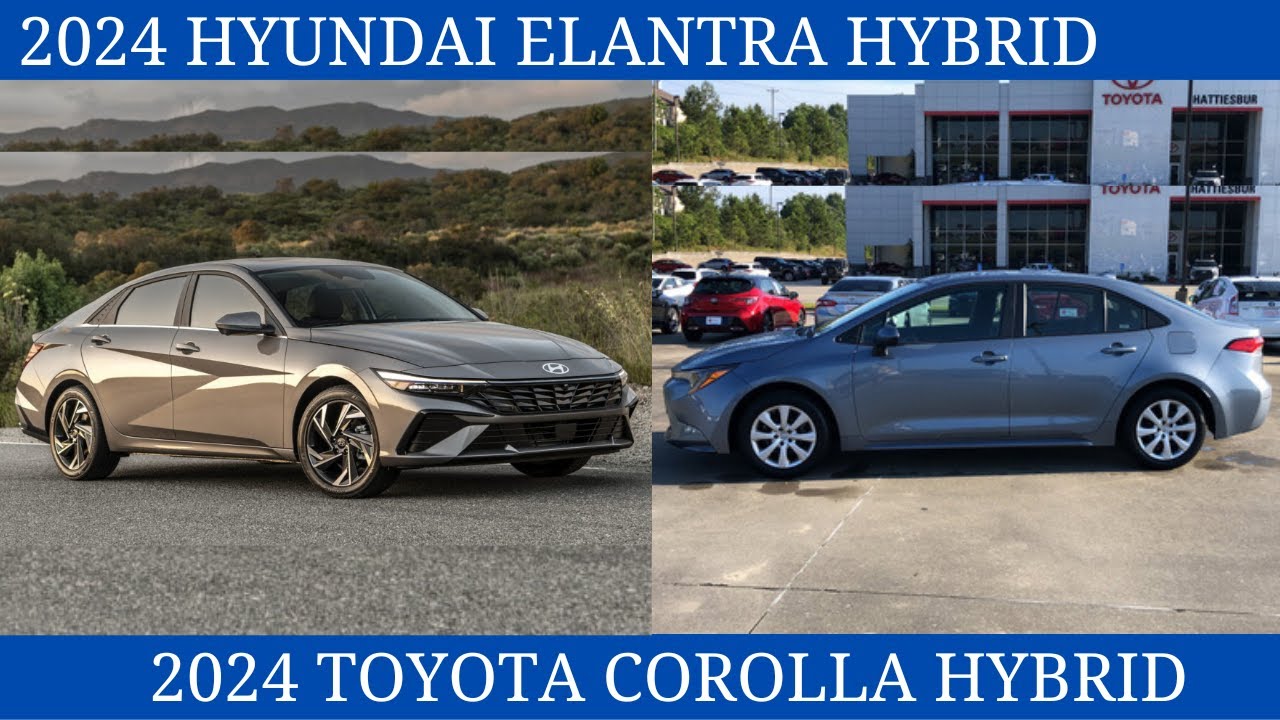
The Corolla’s straightforward stance can feel purpose-built. Meanwhile, the Elantra’s visual confidence often signals a more design-forward experience—one that blends efficiency with modern styling.
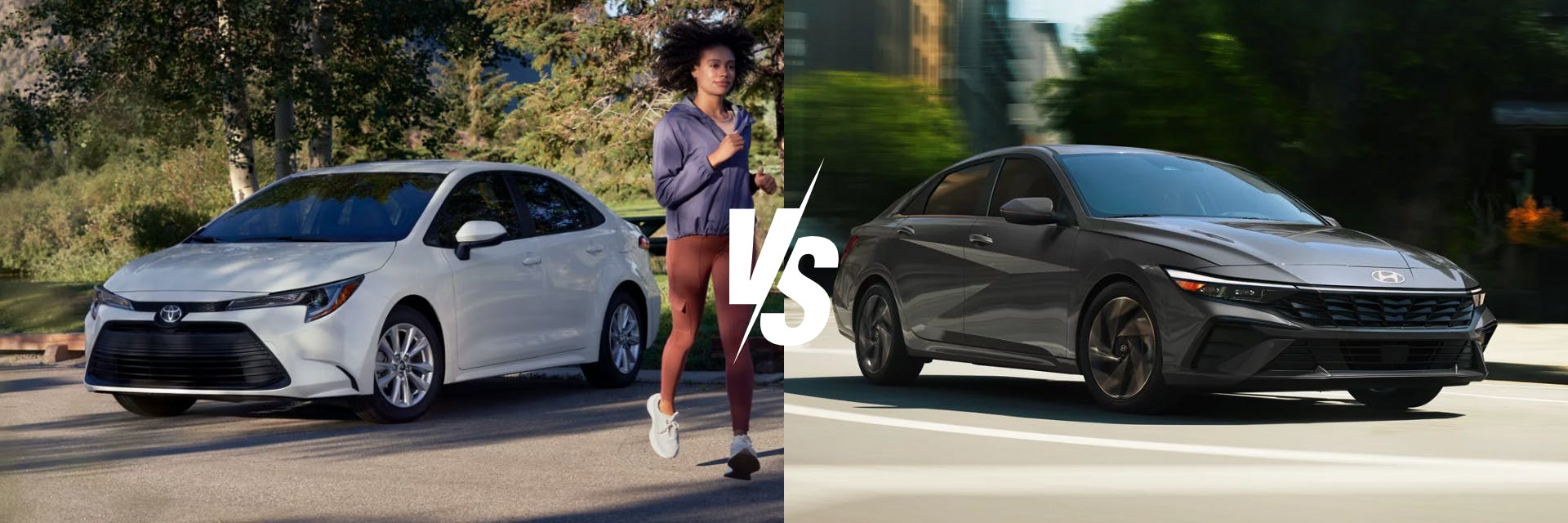
Those visual cues influence how drivers perceive the cars, and perception can affect driving behavior—another indirect pathway to the MPG narrative.
Making the Choice: A Practical Way to Decide
If your priority is maximal efficiency with minimal decision fatigue, the Corolla Hybrid often feels like the easier bet. It’s the “set it and forget it” option for many drivers who want dependable MPG results across mixed conditions.
If your priority is efficiency paired with a more contemporary driving feel and a design-forward personality, the Elantra Hybrid can be the more satisfying companion. It may not always dominate the MPG leaderboard, but it can still deliver strong economy while providing a distinctly appealing ownership experience.
The best approach is simple: consider your commute pattern. If you live in urban stop-and-go traffic, hybrid systems can shine regardless of the badge. If you travel long highway stretches, compare how each car behaves under sustained speed and how comfortable it feels during extended drives.
Conclusion: The Crown Is a Number, But the Fascination Is the Feeling
Toyota Corolla Hybrid vs Hyundai Elantra Hybrid—MPG king versus modern efficiency. The Corolla often earns the crown through consistency, disciplined powertrain orchestration, and a tendency to align with efficient driving habits. Yet the Elantra remains fascinating because it shows that fuel economy is only one axis of value.
Ultimately, the real story isn’t just about who achieves the highest MPG. It’s about why those numbers inspire trust, why certain driving experiences become repeatable, and why efficiency champions feel like more than calculators. When you choose the car that matches your roads and your personality, every mile starts to feel lighter—at the pump and behind the wheel.