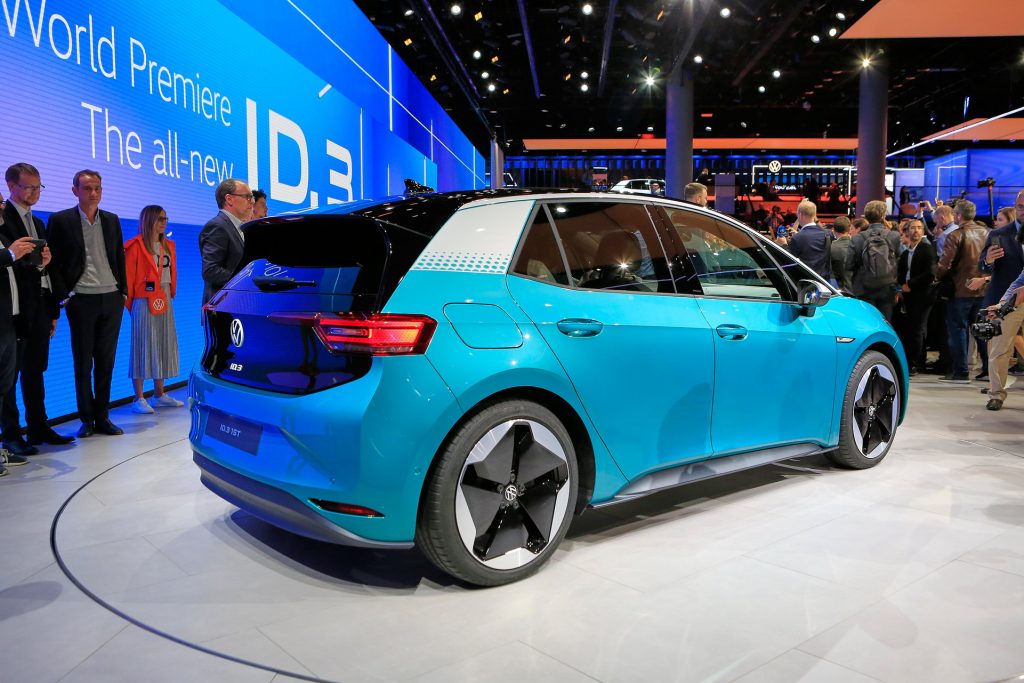
The Volkswagen ID.3 has been a quiet headline for years—familiar to enthusiasts across Europe, yet oddly elusive for many drivers in the United States. While the American market has leaned heavily toward electric SUVs and trucks, the ID.3 represents a different philosophy: efficient mobility, compact practicality, and a deliberately digital driving experience. So the question lingers like warm exhaust after a long drive—Volkswagen ID.3 – US Release Finally? If the answer is “yes,” it won’t arrive as a simple export. It would land as a carefully engineered proposition shaped by regulations, charging realities, pricing psychology, and consumer expectations.
In the sections ahead, readers can expect a wide-ranging look at what a US release would likely involve. The story includes product positioning, technology expectations, market timing, and the kind of content patterns that matter most to prospective buyers—range clarity, charging convenience, software maturity, and daily usability. Along the way, you’ll see how Volkswagen’s digital-first identity and the ID.3’s modern aesthetic could translate to a market that demands both reliability and instant gratification.
From “European Favorite” to “US Candidate”: Why the Delay Made Sense
Automakers don’t hesitate for sport. The ID.3’s absence from the US market can be understood as a convergence of business and engineering constraints. First comes the economic question: electrification platforms require volume to become cost-effective, and the US is famously sensitive to pricing. A compact hatchback, even a highly competent one, must compete with well-funded rivals—both EV incumbents and newcomers armed with incentives.
Second is regulatory calibration. Vehicle standards in the US differ in meaningful ways—from safety certification pathways to communications systems that connect with national requirements. Even when the underlying car is “ready,” its compliance paperwork and certification timeline can stretch longer than fans expect.
Finally, there’s the matter of product strategy. Volkswagen’s electric lineup has moved like a chessboard, not a sprint: it has prioritized what it can scale efficiently. A US ID.3 release would likely be framed as a volume play—less about making noise and more about building momentum.
What US Drivers Would Really Be Buying: Trims, Pricing, and the Hatchback Advantage
For American buyers, the ID.3 would need to clarify its value proposition in plain language. In Europe, the compact hatchback format is often a daily staple. In the US, that same practicality must be communicated against SUVs that dominate the sales charts.
Buyers would likely look for three things: a predictable monthly cost, a comfortable driving stance, and an easy-to-understand feature set. The best marketing content around a potential US launch would therefore include:
• Trim-by-trim comparisons that explain not only what’s included, but what each package means in real life—heated seats, infotainment upgrades, driver-assistance breadth, and wheel options.
• Price-to-performance framing that compares the ID.3’s efficiency and software capabilities to the nearest competitors in the same price bracket.
• “Who is it for?” narratives that highlight whether it fits first-time EV buyers, city commuters, or road-trip skeptics who want reassurance.
If Volkswagen leans into the hatchback advantage—smaller footprint, easier parking, better maneuverability—the ID.3 could feel less like a compromise and more like a deliberate correction to SUV overload.
Design and the Digital Identity: The ID.3 as a Software-First Object
The ID.3’s appeal isn’t only mechanical. It is aesthetic, emotional, and increasingly—verifiably—digital. Volkswagen’s communication around the car emphasizes a modern, likeable presence and an interior designed around a connected experience rather than a cockpit full of buttons.
In a US release scenario, the narrative would likely foreground how the ID.3 handles both clarity and complexity. American drivers can tolerate technology—so long as it doesn’t behave like a maze.
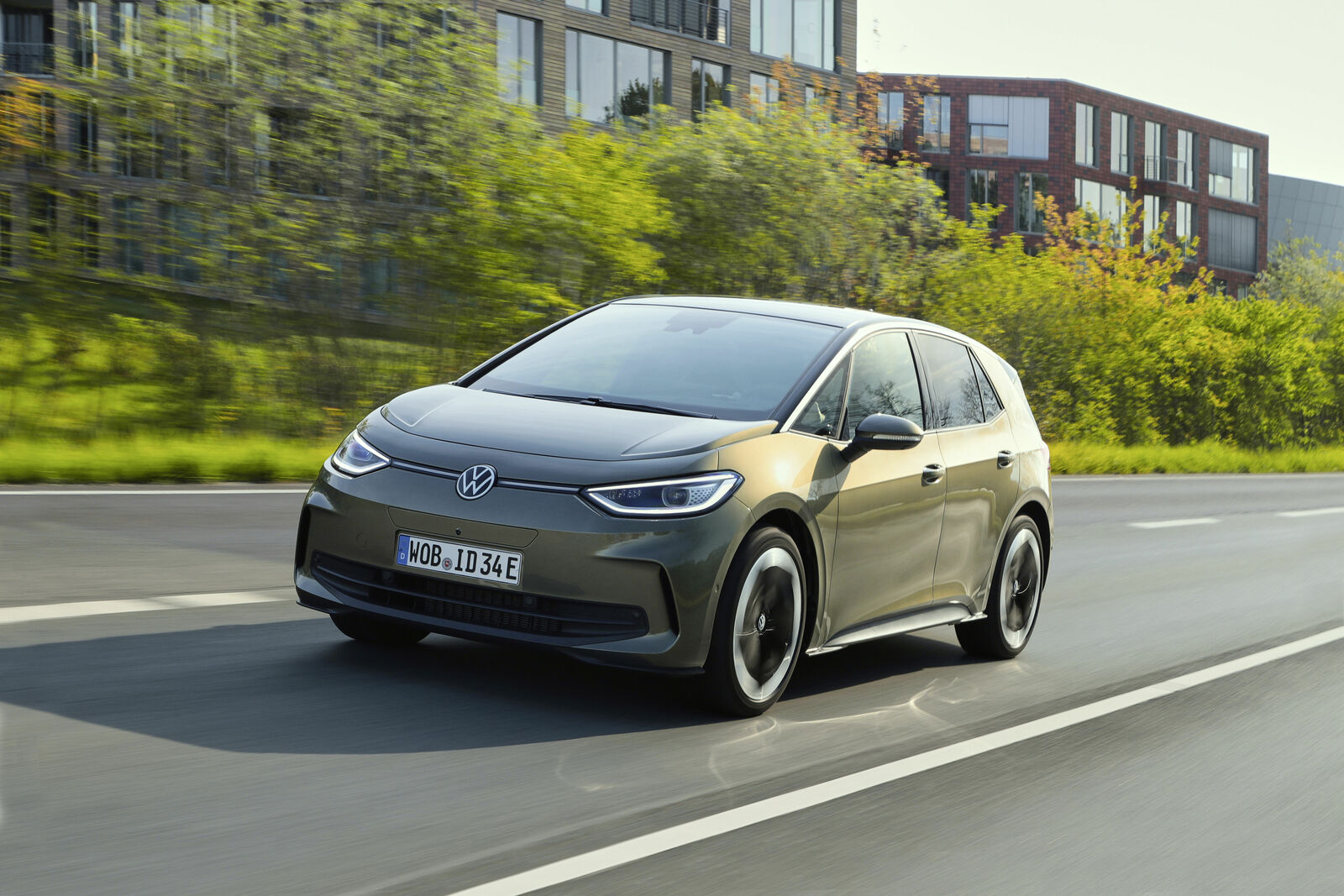
Content readers can expect would include visual storytelling: exterior photography, interior walkarounds, and “how it feels” usability segments. Long sentences might focus on experiential details—seat comfort, visibility, sound insulation, and the cadence of the drive mode transitions. Short sentences could punctuate the message with key takeaways: “Plug in. Wait less. Drive more.”
Battery, Range, and the Confidence Problem
Range expectations in the US are not theoretical. They are emotional. Many buyers don’t merely ask “How far can it go?”—they ask “Will it work for my habits without stress?” A successful US release would therefore depend on transparent content delivery around:
• Real-world range across city commuting, highway cruising, and mixed driving.
• Temperature sensitivity and what happens in colder months.
• Usable buffer—how much remaining range a driver can rely on without anxiety.
• Efficiency strategies that connect driving behavior with energy usage in a comprehensible way.
Expect content that doesn’t hide behind promotional figures. The most effective articles, videos, and FAQs would likely include route simulations and charging-interval examples. A good narrative doesn’t just deliver a number; it converts that number into an everyday decision.
Charging Content: From “Can I Charge?” to “How Smooth Is the Process?”
Even perfect range is meaningless if charging is frustrating. A US ID.3 release would need to confront the practical reality of American charging networks: interoperability, app reliability, connector compatibility, and the subtle choreography of stations that sometimes work flawlessly and sometimes don’t.
Readers should expect content that covers:
• Charging curve explanations in accessible terms—how fast charging typically behaves, and why it slows after certain battery states.
• Charging network compatibility with a focus on “what most drivers use” rather than obscure edge cases.
• Home charging guidance with setup scenarios: apartment living, single-car garages, shared driveways, and estimated installation timelines.
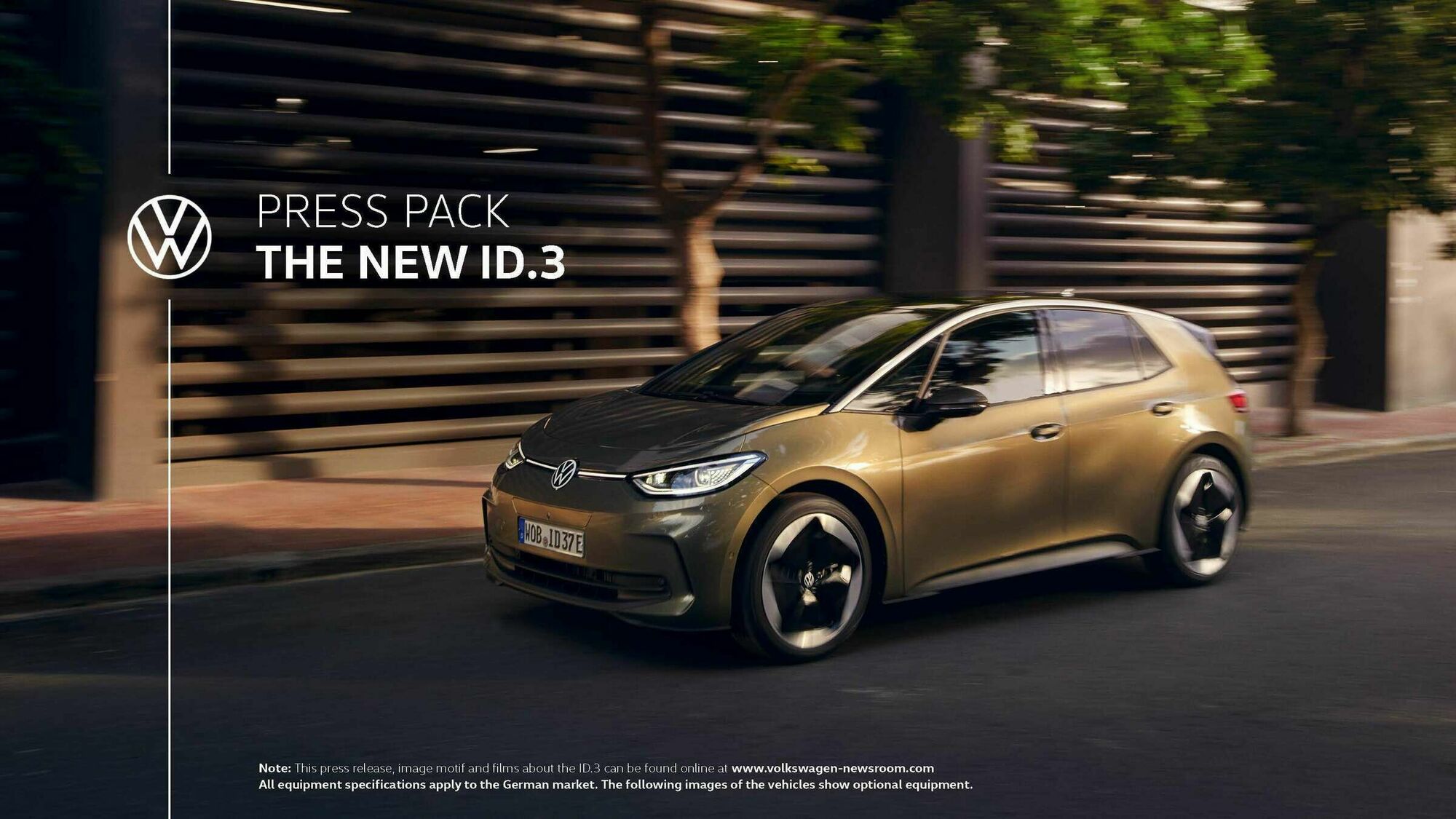
Because charging is the hinge between intention and adoption, the editorial style would likely alternate between detailed troubleshooting and calm reassurance. Short sentences might address common fears—“Apps may vary.” “Stations may be inconsistent.” Long sentences could then offer coping strategies: proper planning, time buffers, and a clear explanation of the car’s charging behavior.
Software Maturity and the US Expectation of Reliability
Electric vehicles are increasingly judged by their software temperament. The US market has seen enough firmware drama to demand maturity from the first days of ownership. If Volkswagen releases the ID.3 in the US, readers will want to know:
• How stable the infotainment experience is over time
• Whether over-the-air updates are frequent and meaningful
• How quickly navigation and charging guidance update
• What the driver-assistance suite offers and what it does not
The best content would use a test-driven approach: user journeys that show how software responds when connectivity falters, and how the UI communicates battery status without overwhelming the driver. Volkswagen’s “enhanced quality, likeable, digital” framing suggests a strategy that could land well—if the software feels predictable, not experimental.
Safety, Driver Assistance, and the Fine Print of Trust
American buyers are particular about safety. A potential US ID.3 launch would likely attract extensive coverage of crash ratings, active safety systems, and driver-assistance behavior in tricky conditions—rain, low visibility, and highway lane changes.
Expect content structures that break trust into components:
• What sensors perceive and what triggers alerts
• The difference between driver assistance and driver responsibility
• Guidance on how to interpret hands-on requirements
When done well, this kind of writing doesn’t scare; it clarifies. The goal is simple: help drivers understand the system’s limits before they need it.
What the Launch Would Mean for the EV Landscape
If the ID.3 finally arrives in the US, it would be more than a new model—it would be another signal that Volkswagen is willing to diversify the EV narrative beyond crossovers. That could shift conversations in showrooms and on forums. It could also influence purchasing decisions among drivers who want a compact EV without sacrificing modern connectivity.
From a broader perspective, a US release might also pressure competitors to improve their own software clarity and charging guidance. Consumers are tired of glossy promises that collapse under real-world conditions.
How to Prepare: What Readers Should Watch Before Buying
For those considering the ID.3, the most valuable content would behave like a checklist, not a hype carousel. Watch for official details on EPA range ratings, charging compatibility, and warranty terms. Pay attention to incentive eligibility, as well as any eligibility rules that depend on trim level or production timeline.
Then, approach the launch like a rational experiment: plan a charging routine, compare it with your commute patterns, and evaluate whether a compact hatchback fits your lifestyle. If it does, the ID.3 could become the kind of EV that quietly earns trust through daily usability.
Conclusion: The Waiting Might Be Over—If the US Fit Is Real
So, will Volkswagen bring the ID.3 to the US at last? The honest answer depends on the alignment of certification readiness, supply strategy, pricing discipline, and software maturity. Yet the underlying promise is compelling: a compact, digitally enhanced EV that could offer a refreshing alternative to the SUV-heavy landscape.
If the release happens, the most important content will not be the glossy announcement. It will be the practical explanations—range that holds up, charging that feels manageable, software that behaves like a dependable tool, and safety systems that clarify their boundaries.
The ID.3 doesn’t need to conquer every buyer. It only needs to land the right kind of confidence—one that turns curiosity into commitment.