The year 2025 has a way of rewriting assumptions. It doesn’t simply ask whether a car is “good enough.” It asks whether it still fits the way life is lived now—how people commute, how they charge, how they plan trips, and how quickly they expect technology to feel familiar. In that shifting climate, the Nissan Leaf returns to the conversation with an intriguing question attached: Is the Leaf still relevant in 2025?
Instead of treating the Leaf as a relic of a greener era, it’s worth approaching it as a kind of benchmark—an electric hatchback that has spent years learning what drivers actually need. Yet relevance is not a static property. It’s a moving target shaped by range expectations, charging realities, software evolution, and the public’s growing willingness to treat electric driving as normal rather than novel.
And so the story isn’t just about specifications. It’s about perspective—how the meaning of “electric” has changed, and how the Leaf can be interpreted differently when you stop judging it by yesterday’s standards.
The 2025 mindset: from “electric curiosity” to “electric practicality”
In earlier years, many drivers approached electric vehicles with a particular kind of optimism mixed with uncertainty. The question often sounded like this: “Will it work for me?” In 2025, that uncertainty is less common. People increasingly want proof—reliable daily usability, sensible total cost expectations, and confidence that charging won’t turn every plan into a logistical puzzle.
The Leaf’s relevance hinges on whether it can align with that new mindset. It doesn’t have to be the newest thing on the road to matter. It has to remain intelligible in everyday life. That means intuitive controls, predictable driving behavior, and a charging experience that doesn’t feel like a project.
Consider how many drivers now think in terms of routines. Charge at home, plug in at the end of the day, wake up ready. The electric question has become less about daring and more about convenience. When that perspective changes, the Leaf’s long-standing place in the electric conversation begins to look less like persistence and more like preparation.

Range expectations: the real-world conversation is more nuanced than headlines
Range is the headline metric, but in practice it behaves like a negotiation. Weather, driving style, terrain, and even passenger comfort demands can turn a tidy estimate into a variable outcome. In 2025, drivers have become more emotionally fluent with that reality. They understand that range is not a promise carved in stone—it’s a forecast with conditions.
The Leaf’s continuing relevance depends on its ability to feel dependable within typical usage. For many households, the average daily distance is tame enough that careful planning becomes almost automatic. This is where the Leaf’s “still relevant” argument gains momentum: not by maximizing every last mile, but by fitting the cadence of everyday travel.
When electric confidence improves across the market, the bar shifts. A vehicle can stay relevant by remaining consistent—by providing enough range for most days and enough predictability to make the occasional longer drive manageable.
Charging: why the journey matters as much as the plugged-in time
Charging infrastructure has expanded, but it hasn’t become identical everywhere. In 2025, drivers still face a patchwork of charging stations, differing speeds, and varying availability. Yet electric life is less about perfect coverage and more about smarter habits.
The Leaf’s advantage, in a relevance sense, is how it invites a shift in behavior. Instead of treating charging as an interruption, it becomes part of the rhythm. Plugging in at home or at work turns electric ownership into a background process. That’s a different emotional experience than stopping at the pump and moving on.
And when a driver does need public charging, the question becomes: “How calmly can I handle it?” The Leaf’s place in the market—built over years of real-world adoption—suggests a familiarity with the practicalities that matter: straightforward planning, sensible integration, and a driving experience that doesn’t demand constant vigilance.
Technology and software: relevance now lives in the interface
People often think of vehicle technology as hardware: screens, sensors, and performance. But in 2025, software is what shapes feelings. Updates, connectivity, and the clarity of the driver interface determine whether technology feels like a tool or a distraction.
The Leaf’s relevance can be interpreted through how it handles modern expectations. A modern electric vehicle should reduce friction. It should make the act of checking status—battery level, charge progress, route planning—feel effortless rather than performative.
This is where the Leaf can win hearts without being a runaway innovation headline. Not every relevant vehicle must redefine the category. Sometimes relevance is the calm confidence of a user experience that doesn’t fight the driver.
And there’s another angle: electric vehicles increasingly function like personal devices. The driver wants quick interactions, clear feedback, and a sense that the car is “keeping up” rather than lagging behind.
Design and daily usability: the quiet power of “works every day”
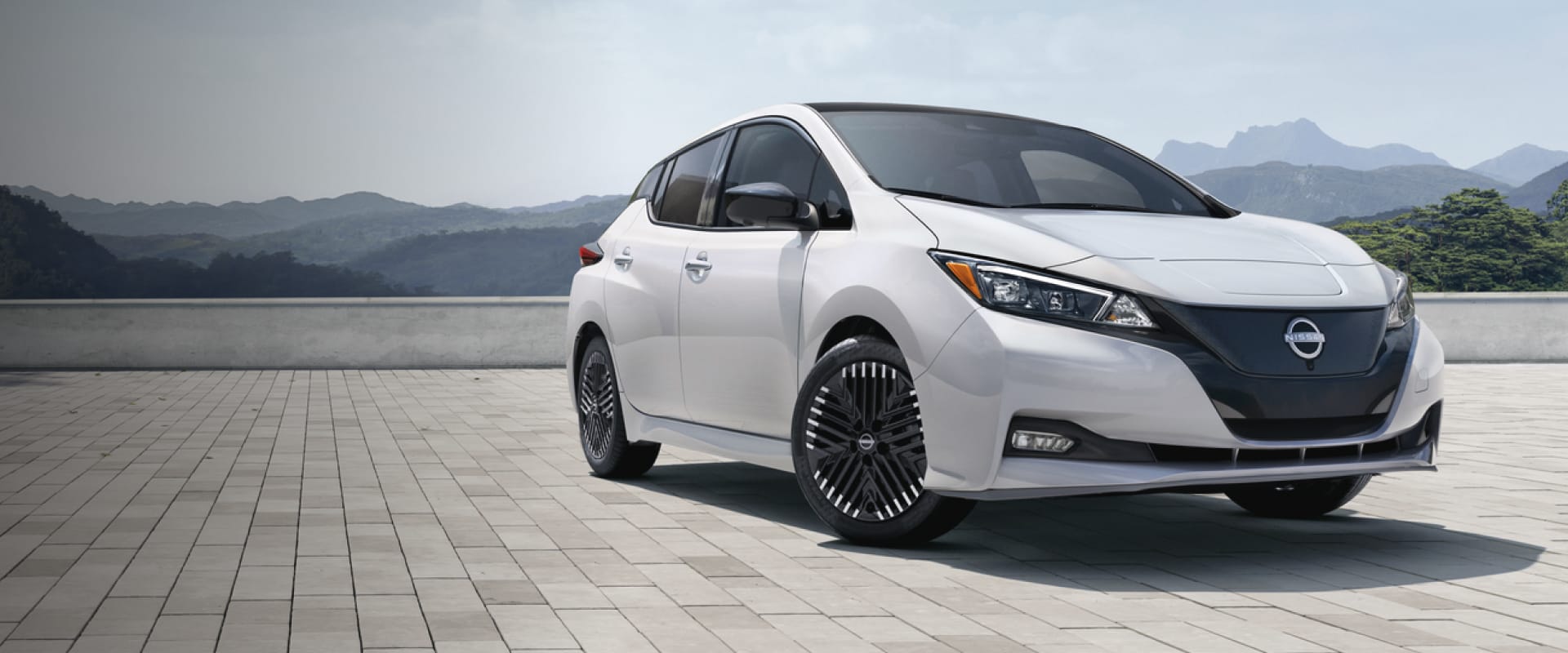
Aesthetics matter, but daily usability is where long-term value is forged. The Leaf’s shape and packaging are part of its personality. It’s designed to be practical, easy to maneuver, and comfortable enough to disappear into routine life.
In 2025, when buyers compare options, they aren’t only scanning for futuristic features. They’re asking: Can this car handle errands, school drop-offs, weekend detours, and the small inconveniences that define ownership?
A relevant car is one that reduces mental load. It’s one that doesn’t make you feel like you’re constantly managing the vehicle rather than driving it. The Leaf’s legacy as a commuter-friendly electric hatchback becomes persuasive when framed this way.

Cost of ownership: the promise behind the spreadsheet
Electric vehicles are often sold with a promise: fewer expenses over time. Yet promises can be vague. In 2025, buyers want specificity—predictable charging costs, maintenance expectations, and resale confidence shaped by market maturity.
The Leaf remains relevant when the cost equation feels transparent. Electricity pricing varies by region, home charging setups differ, and driving habits change consumption. But many drivers find that routine charging replaces the familiar cost spikes of gas.
When the electric market becomes more established, buyers begin to treat maintenance differently too. With fewer moving parts in the drivetrain, some components may require less frequent attention. Still, true relevance comes when expectations are realistic—when ownership costs feel understandable rather than magical.
That’s the subtle shift in perspective: a vehicle stops being a “bet” and starts being a plan.
Safety, confidence, and the feeling of control
Modern driving is guided by assistance systems, but the most important factor is still trust. Safety features aren’t merely checkboxes. They shape how drivers perceive risk and how confidently they navigate traffic.
In 2025, drivers expect intelligent assistance to behave consistently. The Leaf’s continued presence in the electric conversation suggests it aims to provide a sense of stability—an emotional reassurance that complements the tangible safety design.
Relevance, again, isn’t only about novelty. It’s about coherence. A car that helps you feel in command—especially during long commutes, stop-and-go traffic, and highway stretches—earns its place.
So, is the Nissan Leaf still relevant in 2025?
Relevance is not the same as supremacy. The Nissan Leaf doesn’t need to dominate every category to remain meaningful. It needs to fit the daily reality that electric driving has become.
In 2025, the Leaf’s strongest argument is its alignment with practical life: predictable usability, a charging culture that has matured, and an interface approach that encourages confidence. For some buyers, it becomes a rational choice. For others, it becomes a symbolic one—a reminder that electric mobility doesn’t have to be complicated to be compelling.
And perhaps that is the most intriguing promise of all: the Leaf doesn’t ask to be admired only for being new. It asks to be appreciated for being workable—steady, understandable, and ready to travel with the driver’s routine rather than against it.
Final thoughts: a future that’s easier to enter than it used to be
The year 2025 feels faster, louder, and more demanding in its expectations. Yet the most enduring vehicles often share a quiet skill: they make the next day easier than the last. The Nissan Leaf’s continuing relevance is less about chasing the spotlight and more about meeting drivers where they live—behind the wheel, in traffic, at home, and on the roads that connect everything.
If you’re evaluating the Leaf now, consider what “relevant” means for you. Not what it could be in an ideal world, but what it is in your actual world. That’s where the Leaf’s story becomes more than specs. It becomes a shift in perspective—one that turns electric from a question into an answer.