The updated Tesla Model 3—often referred to as the Highland—doesn’t arrive with the loudness of a revolution. Instead, it seeps into your expectations. It changes the way the car feels in motion, the way it communicates at rest, and the way your mind starts to measure “normal” daily driving. What’s striking is not merely the list of refinements, but the shift in perspective they imply: this is a Model 3 that seems to want to be taken less personally and driven more calmly.
At first glance, the updates can look like the kind of tweaks you’d expect after time. Then you spend a day with it—listening, watching, noticing—and the narrative becomes clearer. Highland isn’t chasing perfection for its own sake. It’s chasing coherence. And when a design achieves coherence, even small differences can feel oddly consequential.
A Design Refresh That Reads Like Restraint
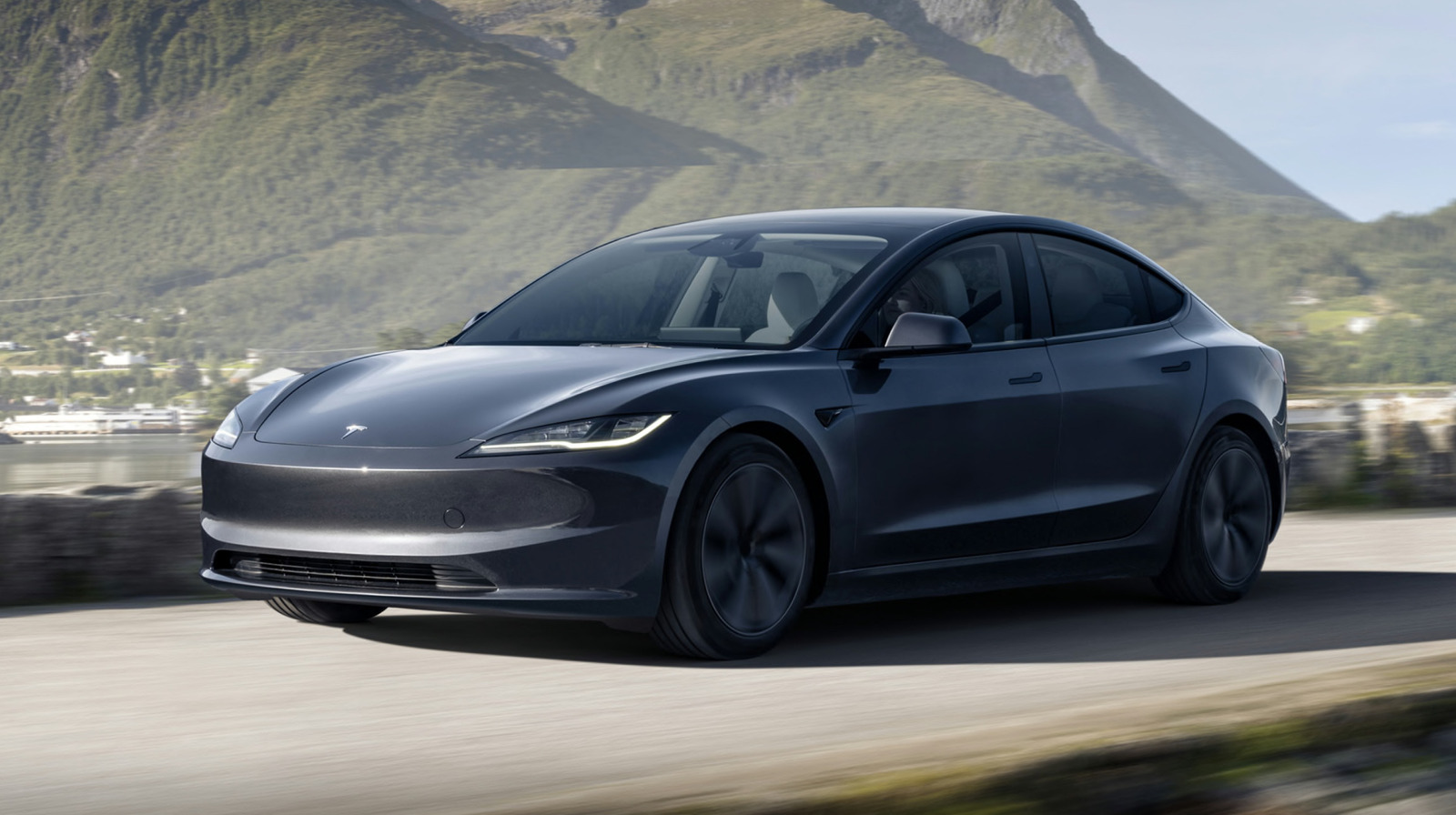
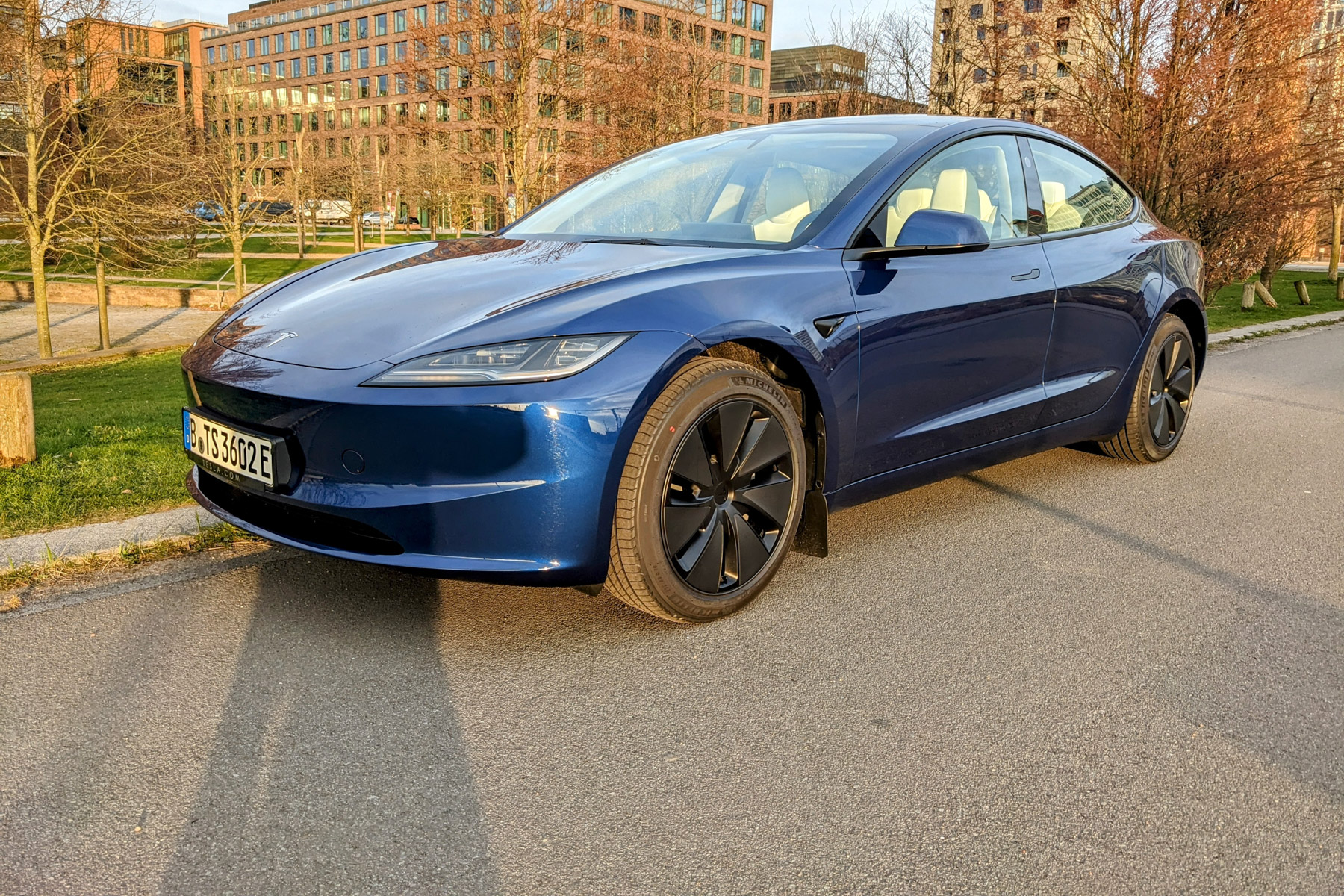
Highland’s refreshed exterior reads as a lesson in controlled evolution. The changes are visible, but they don’t behave like a costume swap. They’re more like a tightening of proportions, a subtle sharpening of lines, and an overall impression of purpose. You don’t just see “new”—you feel a certain intent to reduce visual friction.
Part of what makes the update intriguing is how it repositions the car in your imagination. The Model 3 begins to look less like a concept that aged on schedule and more like a product that matured between updates. That maturity shows up in the way surfaces catch light, in the way the front end frames the road, and in the impression that the car is less busy than before.
Cabin Atmosphere: Quiet Improvements, Loud Impact
Step inside and the first sensation is psychological. The cabin feels like it’s been optimized for attention—less for distraction, more for presence. Highland leans into comfort not as an added feature, but as a default posture. You might notice it in how the materials feel to the fingertips, in how sound seems to behave, or in how the layout guides you without insisting on your participation.
Some interiors feel designed. Others feel tuned. This one leans toward tuned. The seating positions, the way controls fall naturally under your gaze, the rhythm of the dashboard—everything encourages a calmer interaction. Even the silence (or the engineered version of it) becomes part of the driving experience, making the car seem more composed than its price class might suggest.
There is also a subtle narrative in the display and interface approach. Highland continues to invite you into a digital cockpit while still trying to maintain usability under stress—those moments when your brain is busy with traffic, weather, or time.
Powertrain and Performance: Familiar, Yet Recalibrated
The heart of the Model 3 Highland remains unmistakably Model 3. But familiarity is not the same as stagnation. The updated platform feels like it’s been recalibrated around everyday performance—around the sensation of response when you need it, and the confidence when you don’t.
Acceleration still carries that characteristic electric immediacy. Yet Highland’s refinement can feel more nuanced: throttle behavior, traction balance, and the car’s composure through transitions. The difference is in how predictable the car becomes when your driving style is less ceremonious.
It’s the small adjustments that broaden your confidence. A car that “should” feel quick isn’t necessarily satisfying. A car that feels convincingly ready—downshift, merge, crest, dip—becomes satisfying because it reduces mental workload. In Highland, that reduction is the quiet hero.
Ride Quality and Handling: The Art of Being Unsurprising
Where many upgrades chase drama, Highland seems to chase smoothness. The ride quality feels tuned for real roads, not showroom paving. You notice it as you drive over uneven surfaces: the suspension absorbs without theatrics. The car keeps its footing, and it doesn’t transmit every imperfect detail into your spine.
Handling, meanwhile, becomes more legible. The steering feels direct enough to keep you engaged, but not so overconfident that it turns every lane change into a test. The balance feels designed for daily life: city corners, highway corrections, roundabouts that appear suddenly in rain.
There’s also an intangible improvement: the sense that the car’s behavior aligns with your intention. That alignment is a kind of trust. When trust grows, you drive differently—less cautiously, but also less tense.
Noise, Comfort, and the Theater of Silence
Highland’s acoustic efforts are the sort of change you only appreciate once you realize how often sound shapes perception. Wind noise, road texture, and cabin reverberation all influence how “premium” a car feels. In this update, the cabin seems to be less noisy in the emotional sense—less irritating, less fatiguing.
Even when you’re not actively listening for improvements, your body registers them. Long drives become less punishing. Conversations feel easier. Music doesn’t have to fight for space. Silence—or properly managed sound—functions like a luxury feature that doesn’t announce itself.
Technology and Software: The Car That Learns Your Pattern
Modern electric vehicles are software experiences wearing metal clothes, and the Model 3 Highland continues that philosophy. The interface remains the central conductor of the cabin. It’s where navigation, media, charging, and vehicle settings all become a single ecosystem.
The key question isn’t whether the technology exists—it does. The question is whether it feels responsive under real conditions. Highland nudges the experience toward practicality: fewer obstacles between your intent and the result.
Driver assistance systems also play a role in how the car feels as a whole. When those features work smoothly, the car becomes less of a machine you operate and more of a partner you supervise. When they don’t, frustration surfaces quickly. Highland’s direction suggests Tesla’s ongoing effort to make assistance more natural—more like an instinct than a separate layer of computation.
Charging and Real-World Range: The Confidence Metric
Range is always both technical and emotional. You calculate it, yes. But you also feel it: the comfort of not planning every minute, the relief of predictable charging, the absence of anxiety when your commute expands unexpectedly.
Highland’s update implicitly targets that confidence metric. Improved efficiency matters, but so does charging behavior—how you access information, how quickly you find what you need, how seamlessly the car integrates into your day. A better charging experience can reduce stress more than an extra theoretical mile ever could.
There’s also a broader behavioral shift. The updated Model 3 encourages fewer “range debates” and more straightforward travel planning. That’s not marketing language. It’s what happens when the interface is coherent and the vehicle’s performance aligns with the expectations it creates.
Who Highland Is For: A Different Kind of First Impression
The refreshed Model 3 isn’t only for people trading up. It’s also for those reconsidering the electric sedans segment. Highland feels like a bridge between enthusiastic experimentation and pragmatic adoption.
If you like a car that respects your time and attention, the updates will land well. If you want an electric vehicle that doesn’t require constant interpretation, Highland’s refined coherence becomes a selling point. It’s the sort of update that makes you think: maybe electric driving is less strange than it used to feel.
And if you’ve driven a Model 3 before, the Highland update invites a second look. Not because the older version was wrong—but because this one seems to have learned what drivers actually notice.
Final Thoughts: Promises Shift Into Something You Can Feel
Highland’s updated Model 3 doesn’t merely promise improvement. It delivers a subtle transformation in how the car inhabits your life. The exterior reads as restrained confidence. The cabin suggests tuning over renovation. The ride and handling feel recalibrated toward everyday clarity. And the technology, when it aligns with your intent, makes driving less effortful and more fluid.
By the time the day ends, curiosity resolves into a quiet conclusion: the most persuasive upgrades often aren’t the ones that shout. They’re the ones that reframe your expectations, so the car feels like it was always supposed to be this coherent.