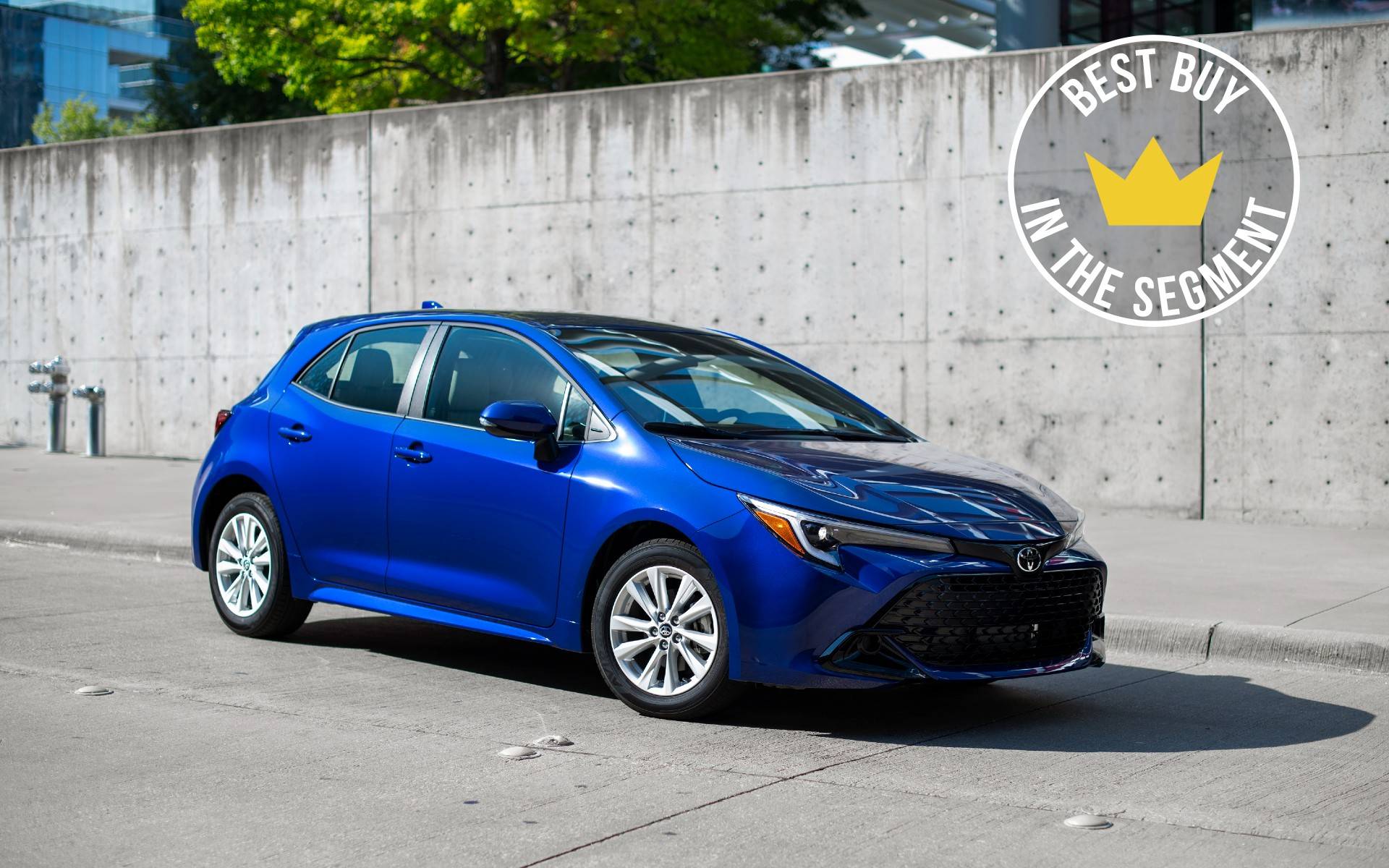
The search for a reliable compact car in 2025 feels oddly like choosing a good travel companion: you want something steady, quiet under pressure, and dependable when schedules get hectic. Compact cars sit in an interesting sweet spot in the US market—small enough to be nimble and affordable, yet mature enough to deliver long-term comfort, modern safety tech, and efficient powertrains. Reliability, however, is not a single number. It’s an ecosystem of factors: powertrain durability, electrical robustness, dealer service experience, warranty coverage, and how consistently a model avoids recurring repairs.
Below is a curated look at five of the most reliable compact cars for 2025 in the United States. Think of this as a guided tour—each model receives its own narrative, plus practical insights into what different readers can expect: first-time buyers, commuting professionals, family planners, and tech-forward drivers. Along the way, reliability isn’t treated like trivia; it’s treated like a lived experience.
How Reliability “Shows Up” in Real Life
Reliability manifests in the mundane moments. The steering feels the same month after month. The infotainment behaves. Cold starts don’t trigger surprise alerts. Tires wear predictably. Oil changes don’t become an obstacle course of unexpected parts. Even the most sophisticated compact car is ultimately judged by how it behaves after the honeymoon period ends.
In 2025, “reliability” also includes modern complexities: turbocharging, automated transmissions, stop-start systems, and increasingly software-defined features. These can be wonderful—when they’re well-engineered and consistently maintained. The most reliable compact cars tend to share a few traits: conservative design decisions, robust cooling and lubrication strategies, and a track record of fewer repeat failures.
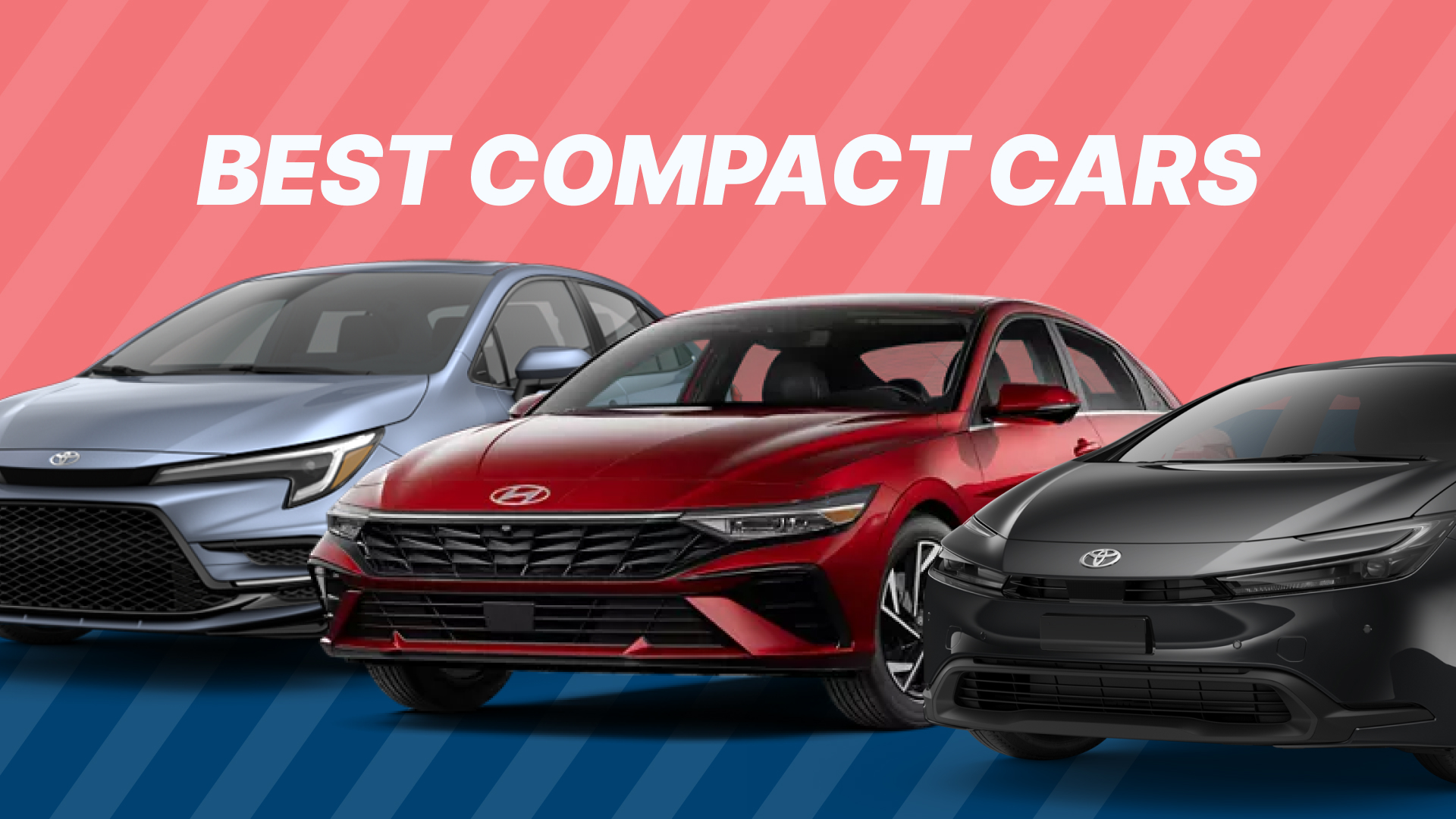
1) Honda Civic (Reliability-First Compact With Broad Appeal)
The Honda Civic has earned its reputation through a particular kind of consistency. It is the compact car that doesn’t require you to become a part-time mechanic or a part-time detective. In 2025, the Civic continues to attract buyers who want a car that simply remains functional, day after day.
Reliability in the Civic’s case often comes down to thoughtful engineering and long-standing manufacturing practices. The Civic’s powertrains—especially where they are paired with proven transmissions—tend to deliver a familiar rhythm. Acceleration feels composed. Fuel economy stays within a realistic range. Routine maintenance is straightforward, which matters more than most people expect.
Who will love it? Commuters who log steady miles. Drivers who prefer low-drama ownership. Buyers who want a compact car that can handle both city commutes and highway stretches without turning every trip into a negotiation.
What to expect in day-to-day ownership? Predictable service intervals, a comfortable cabin that doesn’t feel fragile, and an overall sense that the car is “ready.” Even long after purchase, the Civic tends to feel like the same dependable object you brought home—only better understood.
2) Toyota Corolla (A Masterclass in Dependability)
The Corolla’s story is one of quiet confidence. This is a car designed to be boring in the best possible way—boring means fewer surprises, fewer visits that derail your calendar, and fewer repairs that turn small problems into expensive ones.
In 2025, buyers continue to gravitate toward the Corolla because it blends efficiency with durability. The car’s systems—engine management, braking feel, and interior components—tend to last without becoming a source of anxiety. That’s not an exaggeration. It’s the practical outcome of dependable design and a service network that’s difficult to beat.
Who will love it? New drivers seeking a forgiving platform. Families who prioritize predictable operation. Anyone who values resale stability alongside reliability.
What to watch? Reliability doesn’t mean “ignore maintenance.” Tire rotation, brake inspections, and fluid schedules still matter. But compared with many competitors, the Corolla often feels like it’s keeping its end of the bargain.
3) Hyundai Elantra (Reliable Tech, Mature Build Quality)
Hyundai has matured into a brand many shoppers trust for reasons that go beyond marketing. The Elantra, in particular, presents a compelling mix: modern design language, an interior that feels more “grown-up,” and a reliability profile that has improved steadily as engineering and quality control advanced.
While some compact models chase novelty at the expense of continuity, the Elantra often feels carefully calibrated. Electrical systems and infotainment stability are key factors for real ownership satisfaction. When these behave consistently, the car feels cohesive—less like a gadget on wheels, more like a dependable utility.
Who will love it? Tech-forward drivers who want modern features without living in fear of glitches. Value seekers who want comfort and reliability in the same package.
What to expect? A cabin that holds up well to daily use, responsive driving manners, and a sense that the car was built to handle ordinary life—school runs, errands, late-night drives, and everything in between.
4) Mazda 3 (Reliability With a More Refined Personality)
Some cars are reliable, but they feel emotionally flat. The Mazda 3 tries to avoid that fate. It aims for a more refined driving personality while maintaining a reputation for strong long-term durability.
Reliability in the Mazda 3 can be appreciated in subtle ways: stable steering feel, consistent braking performance, and fewer “nagging” issues that erode trust. The brand’s attention to chassis behavior also contributes to ownership satisfaction—because a car that feels balanced tends to be driven more confidently, with less strain on components.
Who will love it? Drivers who want compact practicality without sacrificing driving feel. Owners who care about interior quality, ergonomics, and a calm cockpit experience.
What to expect? Smooth day-to-day usability, excellent visibility, and an interior that remains inviting after years of use. Reliability here is expressed as comfort that doesn’t degrade rapidly.
5) Subaru Impreza (Dependable Compact Confidence for Varied Conditions)
The Impreza is a compact car with a different kind of reassurance: confidence in weather. In many parts of the US, reliability includes traction, stability, and how predictably the car behaves when conditions turn unfriendly.
Subaru’s approach to durability—paired with its all-wheel-drive system—often appeals to drivers who face rain, snow, or unpredictable seasonal transitions. In 2025, the Impreza remains attractive for those who want compact size but refuse to compromise on grip and composure.
Who will love it? Drivers in northern climates. People who commute on poorly maintained roads. Anyone who wants the feeling of “it’ll get me there” regardless of the forecast.
What to expect? Consistent traction behavior, practical interior space, and reliability that extends beyond the dry-season fantasy of perfect roads.
What Readers Should Check Before Buying (Beyond Brand Reputation)
Even among reliable models, ownership outcomes vary. The safest path is to treat reliability like a checklist rather than a belief system. Start with trim selection. Features can influence maintenance complexity. A lightly equipped version may be simpler to own than a highly optioned configuration.
Next, consider driving pattern. Frequent short trips can stress certain components and fluids more than steady highway travel. If your schedule is urban and stop-and-go, prioritize maintenance discipline. Reliable cars still benefit from clean air filters, fresh fluids, and timely tire replacements.
Finally, study the service environment. A model’s reliability can be amplified—or undercut—by how efficiently local dealerships and independent shops handle warranty work. Ask how often the specific model is serviced and whether common parts are regularly stocked.
Choosing Your “Right” Reliable Compact
The best compact car for reliability is not always the same for everyone. A commuter prioritizes predictable fuel and stable electronics. A young family prioritizes cabin durability and safety consistency. A winter driver prioritizes traction confidence and component longevity under harsh conditions.
Honda Civic and Toyota Corolla often appeal to buyers who want low-drama ownership. Hyundai Elantra appeals to those who want modern convenience without sacrificing dependable operation. Mazda 3 suits drivers who value refinement alongside durability. Subaru Impreza is a pragmatic choice for drivers who treat weather variability as part of normal life.
Closing Thoughts: Reliability Is a Long Conversation
In 2025, the most reliable compact cars in the US are the ones that keep talking—quietly, consistently—through the years. They don’t demand attention through repeated repairs. They don’t require constant reassurance from warning lights. Instead, they build trust through repeatability: the same smooth startup, the same steady ride, the same confidence that your day will proceed.
If you’re ready to choose, focus on your routine, your climate, and the type of ownership experience you want. Pick the model that aligns with how you actually live. Then maintain it like a relationship—consistently, calmly, and with respect for the engineering that keeps it dependable.