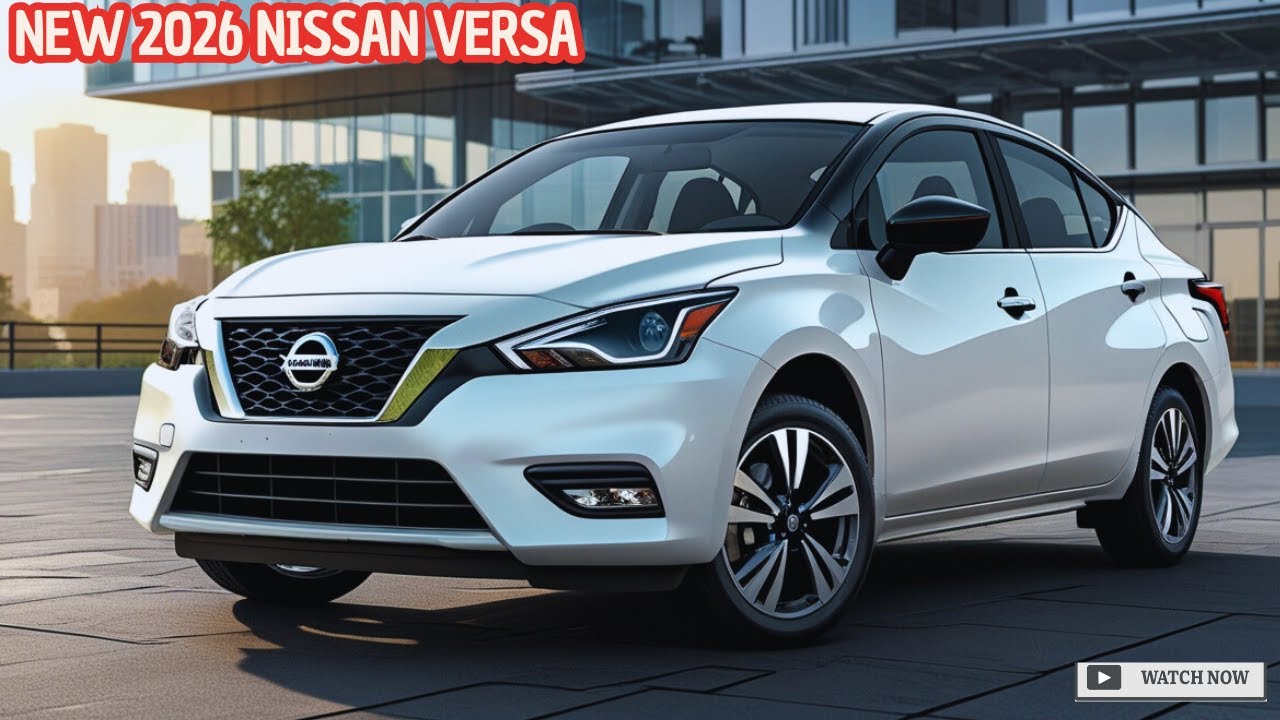
The question “Nissan Versa – Cheapest Compact Sedan?” sounds simple, but it unfolds like a roadmap. On one side is the idea of value—how far a dollar stretches when you need wheels, not extravagance. On the other side is reality: trim levels, fuel economy, cabin feel, safety features, and the small usability details that decide whether daily life feels painless or annoying. The Versa sits right at the intersection. It’s often discussed as an affordable entry point, the kind of car that many drivers consider when their budget is firm and their expectations are practical.
Yet “cheap” doesn’t have to mean “compromised in every direction.” Some buyers want the lowest monthly cost, others want basic reliability and low operating expenses, and plenty simply need a compact sedan that can handle commutes, errands, and road trips without drama. In this article, you’ll find a comprehensive view of what readers can expect—from the buying checklist to ownership considerations—so the Versa can be judged in a way that feels grounded, not hype-driven.
What Makes a Sedan “Cheapest” in Real Life?
Price is the obvious starting point, but it’s not the whole story. The “cheapest” compact sedan is usually the one that minimizes the total burden over time. That includes purchase price, insurance premiums, fuel consumption, maintenance intervals, and how quickly a vehicle starts demanding attention after the honeymoon phase.
The Nissan Versa is frequently positioned as a budget-friendly sedan, often chosen by first-time buyers, commuters, and households needing a dependable second vehicle. However, “affordability” has layers. A low sticker price can be undermined by high fuel usage or costly trim upgrades, while a slightly higher base model can become the better deal if it brings efficiency and features that prevent future spending.
Think of it like this: the cheapest car isn’t merely the cheapest transaction. It’s the lowest friction path between the driveway and tomorrow.

Where the Versa Fits in the Compact-Sedan Landscape
Compact sedans are an interesting category because they attract a wide audience with different priorities. Some shoppers want a car that feels roomy enough for long days. Others care more about visibility and parking ease. Many want a straightforward driving experience that doesn’t require constant attention to keep running smoothly.
The Versa’s charm is its straightforward nature. It’s engineered to be approachable: easy to understand, easy to live with, and usually easier to budget for than pricier sedans. In a market where affordability often comes with complexity—bundled options, confusing pricing tiers—the Versa tends to keep the story simple.
That simplicity is particularly appealing to readers who prefer to focus on essentials: how it drives, how it returns from the pump, and how it handles day-to-day routes without demanding extra mental bandwidth.
Trim Levels and the Art of Buying the Right Version
One of the most common buying mistakes with budget cars is assuming the base trim is automatically “enough.” Sometimes it is. Sometimes it isn’t. It depends on your routine. A city commuter who drives short distances may be satisfied with a minimalist configuration, while a highway driver might value efficiency and comfort features more heavily.
With the Versa, trim differences can affect everything from infotainment convenience to seat comfort and the availability of driver-assistance elements. The smartest approach is to map features to your actual usage.
Consider this practical lens:
• If you park frequently and live in tight spaces, prioritize visibility and easy ergonomics.
• If you live on the highway, prioritize fuel economy and stable ride character.
• If you carry passengers often, prioritize rear-seat usability and trunk practicality.
There’s no universal “best trim.” The best trim is the one that matches your life, not someone else’s comparison chart.
Performance: Not a Sports Car, but Still a Daily Driver
The Versa’s performance personality is best described as sensible. It doesn’t aim to electrify by sheer speed. Instead, it aims to deliver predictable motion—something that feels calm in traffic and competent on everyday roads.
When acceleration is needed—like merging or overtaking—it should be approached with reasonable expectations. Budget compact sedans tend to prioritize efficiency and cost discipline over dramatic power output. Still, a well-maintained Versa can feel surprisingly composed for routine driving.
The more important question becomes: does it meet your pace of life? If your commutes include stop-and-go driving and frequent merging, smooth drivability matters. If you mostly cruise on open roads, stability and fuel efficiency can matter more than punchy acceleration.
In other words, the Versa’s “performance” is less about thrill and more about consistency.
Fuel Economy and Operating Costs: The Hidden Budget Superpower
For many buyers, fuel economy is the decisive factor. A compact sedan that returns strong mileage can turn monthly expenses into something manageable rather than stressful. Even small differences in efficiency can compound over a year of driving.
Operating costs also extend beyond fuel. Routine maintenance, tire replacement cadence, brake wear, and how easy it is to find parts all influence the long-term ownership picture. Vehicles in this price tier often benefit from a broader ecosystem of parts and service know-how.
Readers who want to keep costs low usually look at three numbers: purchase price, estimated fuel spending, and expected maintenance over time. The Versa typically earns interest because it aligns with that trio in a way many shoppers find reassuring.
Interior Comfort and Practical Living Space
Affordability can sometimes make cabin materials feel austere. The Versa, however, is often judged on its functionality. That means the seats, layout, and storage options should serve real-life tasks—commuting, carrying groceries, transporting sports bags, or fitting passengers without constant rearranging.
The cabin experience is about usability: controls should be intuitive, visibility should support confidence, and the driving posture should feel natural after a few weeks. Long sentences can feel like overplanning, but the real story is simpler: can you live with the car day after day?
If your expectations are calibrated for budget ownership—meaning you want comfort where it counts and practicality where it matters—you’ll likely find the Versa’s interior approach agreeable.
Technology and Convenience: What You Get for the Money
Technology in budget vehicles is a balancing act. Infotainment systems, smartphone integration, and charging convenience can vary based on trim and model year. Some drivers don’t need much—Bluetooth for calls, a simple interface, and dependable audio. Others want navigation, more robust connectivity, and extra convenience features.
Before buying, it’s worth thinking about your digital habits. If you stream podcasts daily, you’ll care about audio responsiveness. If you rely on maps, you’ll care about display clarity and how easily the system connects. Even the placement of ports can become a small—but persistent—quality-of-life factor.
In a cost-focused sedan, convenience isn’t guaranteed; it’s selected. The Versa tends to provide a baseline that can be upgraded through the right trim choice.
Safety and Driver Confidence
Safety expectations have evolved, and modern shoppers often want more than good luck. They want driver-assistance features when available, sturdy construction, and predictable handling characteristics in everyday situations.
When comparing the Versa to other budget compacts, focus on what affects your daily commute: how confidently the car stops, how stable it feels at moderate speeds, and what safety technologies are included on the trim you’re considering.
Because safety features may vary by model year, readers should verify the exact configuration before purchase. A bargain is only a bargain if it protects as well as it performs.
Buying New vs. Used: Two Paths to the Same Goal
Some shoppers approach the Versa as a brand-new purchase, chasing warranty coverage and predictable ownership. Others search the used market, where the price can become even more compelling.
Buying used introduces variables—maintenance history, mileage, prior repairs, and tire/brake condition—but it can be a smart strategy for lowering cost without stepping away from the benefits of a practical sedan.
Used shoppers should prioritize a thorough inspection, a review of service records, and a test drive that emphasizes steering feel, braking response, and transmission behavior. For new buyers, the focus shifts to understanding trim differences and ensuring the features match your daily needs.
Both paths can lead to a smart purchase. The key is aligning the decision with your comfort level around risk and your plan for long-term ownership.
Who the Versa Is For (and Who Might Want to Look Elsewhere)
The Nissan Versa tends to suit drivers who value affordability, simplicity, and cost control. It often appeals to first-time car buyers, commuters who want dependable transportation, students who need reliability, and families that require a practical second vehicle.
On the other hand, drivers who want a luxury cabin, aggressive acceleration, or a fully loaded tech experience might feel underwhelmed. A budget sedan can deliver satisfaction when your expectations match its philosophy—efficient, practical, and financially approachable.
The Versa is at its best when it’s treated as what it is: a cost-conscious compact sedan designed to get you where you need to go.
Final Verdict: Nissan Versa—Cheapest Compact Sedan, Maybe
The answer to “Nissan Versa – Cheapest Compact Sedan?” depends on how you define cheap. If “cheap” means the lowest upfront cost and manageable ownership expenses, the Versa often earns its reputation. If “cheap” means maximum comfort, premium features, or sporty performance, it may not be the right fit. Still, for many readers, the Versa’s value proposition lands in the sweet spot: practical transportation with a budget-friendly temperament.
Ultimately, the best way to decide is to test it in context—your commute, your parking situation, your passenger needs, and your comfort expectations. When a car aligns with daily reality, it stops being a bargain and becomes simply a good choice.