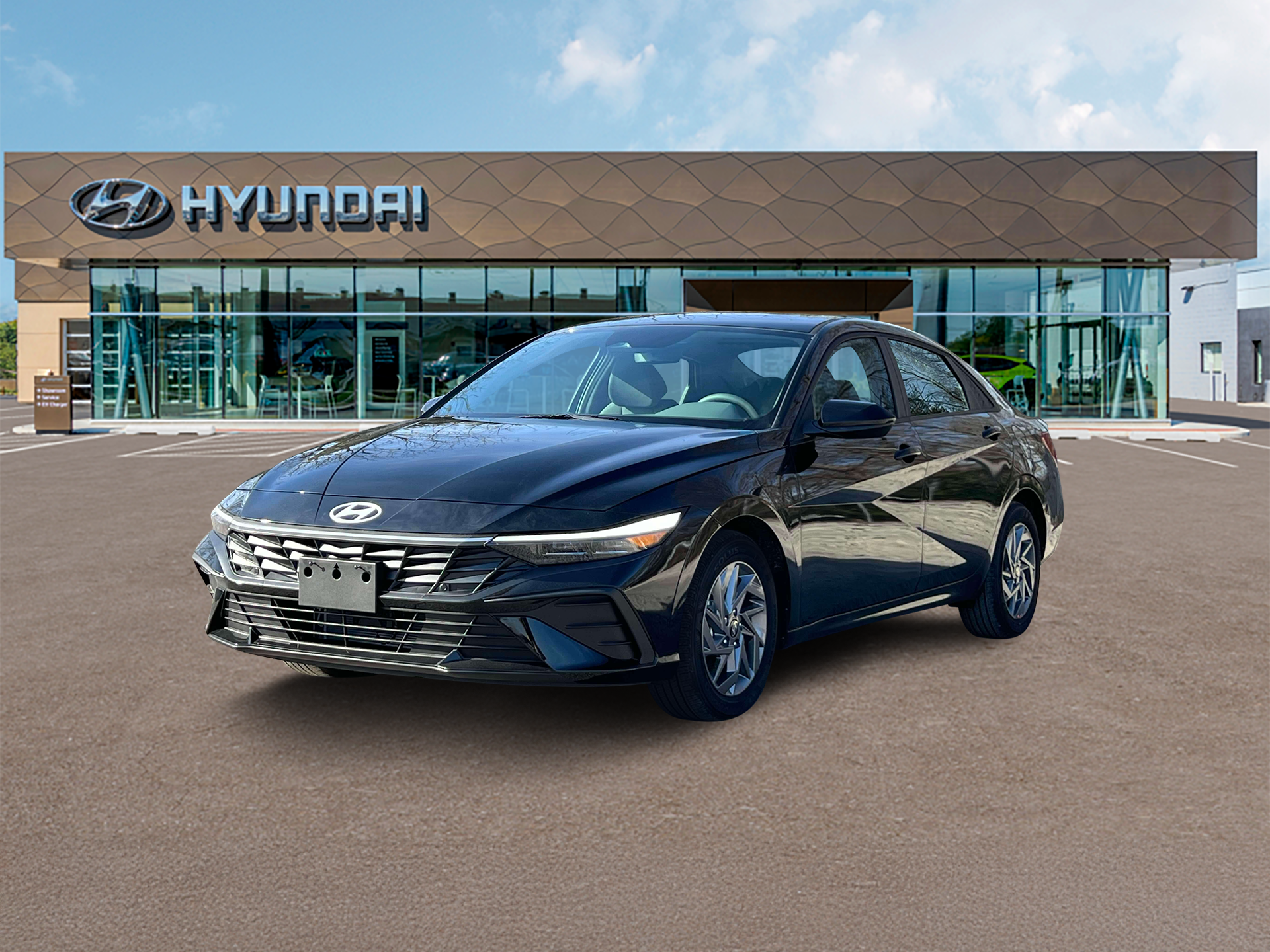
What happens when a car that’s designed to sip fuel is asked to hustle a little—start-and-stop traffic, brisk merges, the occasional detour—while still wearing its Blue trim badge like a quiet dare? The Hyundai Elantra Hybrid – Blue Trim MPG Test isn’t just a number hunt. It’s an experiment in restraint and rhythm, where throttle inputs and driving habits become the hidden variables behind every mile.
In this MPG test, the goal is simple to describe and surprisingly tricky to execute: coax the most efficient behavior from the Elantra Hybrid’s blue-toned personality, while treating the route like a living thing—unpredictable, slightly mischievous, and always changing. Think of it as a friendly challenge: can you earn impressive miles without turning every drive into a monk-like exercise?
Let’s take the car’s temperament seriously, but not solemnly. The Blue trim carries more than aesthetics; it’s a mindset. And this is where the real story begins.
The Blue Trim Mindset: Efficiency with a Personality
Trim names often sound like marketing poetry, but Blue is different. It suggests a cleaner, calmer energy—an expectation that the vehicle will feel composed even when the day gets chaotic. In practical terms, the Elantra Hybrid’s systems are tuned to manage power more intelligently than a conventional engine alone could.
The first thing you notice during an MPG test is how the car asks for cooperation. The hybrid powertrain blends engine and electric assistance, and the response can feel less like “push harder” and more like “arrange momentum wisely.” If you accelerate too abruptly, the engine may fire more aggressively. If you’re smoother, the car can lean into its electric support and keep the engine in more efficient regimes.
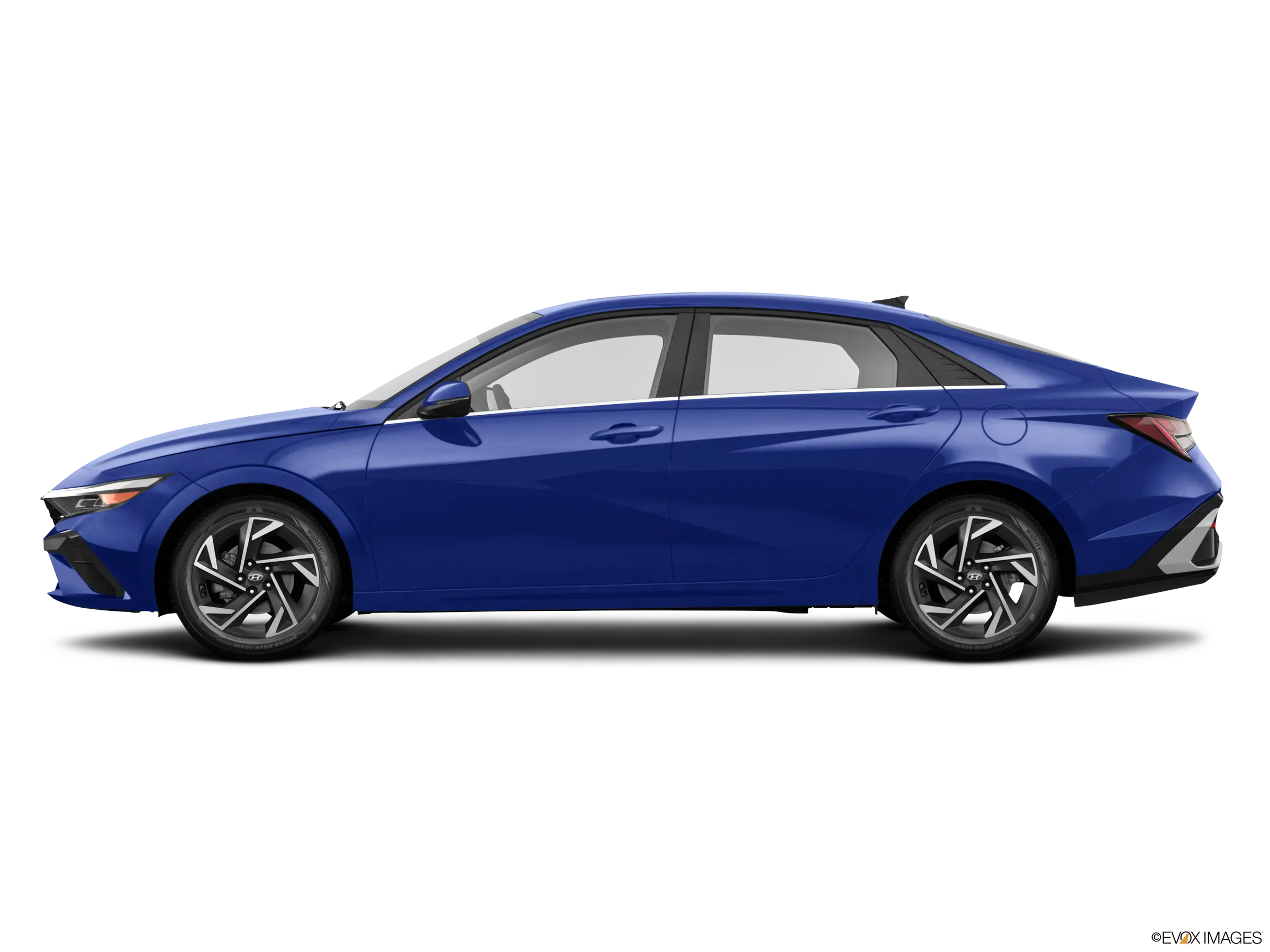
Here’s the playful question that matters: Are you driving, or are you negotiating with the drivetrain? Over the course of a test route, that distinction becomes the difference between “good” MPG and “wow, that’s consistent.”
Preparing the MPG Test: The Rules of the Game
An MPG test is only as meaningful as its conditions. Before any miles roll, the setup must be deliberate—almost ceremonial, though you don’t need a robe. Start with a baseline: tire condition and inflation should be correct, since rolling resistance quietly siphons efficiency. Even minor deviations can create drag you’ll never “feel,” but your fuel gauge will absolutely notice.
Next, consider temperature and wind. Hybrids often behave differently when the air is cold, because the engine needs to work harder to reach operating comfort. Wind adds another layer of entropy: it demands extra energy, especially on highways and open stretches.
Finally, map your route like a story arc: a mix of stoplights, steady cruising, and a couple of segments where you can test whether the car’s efficiency strategy holds up when you ask for more. The challenge is not to avoid fun. It’s to see whether fun can coexist with economy.
Driving Strategy: Smoothing Inputs Without Becoming a Robot
The Blue trim MPG test has a deceptively difficult requirement: drive naturally, but with refined technique. You don’t have to crawl along. Instead, treat the accelerator like a volume knob rather than a switch.
Gentle initial acceleration encourages electric assistance and keeps the engine from starting and stopping too frequently. Yet if you’re always timid, you may miss the efficiency sweet spot. The hybrid system likes a certain cadence—what engineers might call a “balanced load” moment—where the engine can run efficiently and the battery can absorb or release energy without drama.
Regenerative braking is where the test becomes almost theatrical. You can’t fully “choose” how the car regenerates, but you can influence when it has the chance to. Look farther ahead. Ease off early. Let deceleration do some of the work that would otherwise be paid for at the fuel pump.
Challenge prompt: Try maintaining realistic traffic flow while still minimizing harsh stops. Can you keep your spacing humane and your braking mostly anticipatory? That’s the hybrid driver’s version of a high-wire act.
City vs. Highway: Two Different Kinds of Efficiency
In the city, the Elantra Hybrid tends to show its cleverness. Frequent slowing and restarting allow the system to harvest energy and redistribute it where it counts. Here, the Blue trim feels especially at home. You can sense how the powertrain is constantly recalculating—an ongoing choreography between battery and engine.
On the highway, efficiency becomes a different game. Aerodynamics, speed, and engine load dominate. Hybrids can still excel, but the margins shrink at higher speeds because fuel consumption rises quickly with aerodynamic drag. The test should therefore include at least one sustained highway stretch where the throttle remains calm.
If you push too hard, the engine may shoulder more of the load and the MPG figure will follow suit like a shadow. If you keep speed moderate and driving steady, the car’s integrated efficiency strategy has room to breathe.

Ask yourself this while you’re cruising: Is your driving rhythm helping the car, or is it forcing the car to recover from your decisions? The answer usually arrives before the fuel receipt does.
What to Watch During the Test: The Hidden Clues
MPG isn’t merely a final tally—it’s a trail of breadcrumbs. Pay attention to how the vehicle behaves during acceleration and deceleration. When the engine turns on, notice whether it seems to engage for a brief, efficient moment or for longer periods at higher loads.
Observe the smoothness of power delivery. A hybrid can feel effortless, but that effortless quality often signals that the system is operating in a more efficient pattern. Rougher transitions can indicate you’re drawing energy in ways that require more compensation later.
Also consider cabin comfort demands. Climate control—especially in extreme weather—can influence consumption. A test should keep these conditions consistent. Turning the HVAC down one mile and up the next introduces an unfair variable, like changing the rules mid-game.
The Blue Trim MPG Results: Interpreting the Numbers
Once the miles are done, the key is interpretation, not obsession. A strong MPG result is meaningful when it’s repeatable under similar conditions. One “perfect day” doesn’t tell the whole truth; hybrid efficiency thrives on consistency.
If the city portion produces notably better figures than the highway, that’s not a failure—it’s information. It reveals where the Elantra Hybrid can work hardest on your behalf. If highway numbers remain strong even with normal passing and merges, then the hybrid’s balance is impressive. If they sag, it points toward speed sensitivity and more aggressive throttle behavior during cruise segments.
Remember: MPG is a partnership between technology and technique. The Blue trim’s efficiency feels most real when your driving choices don’t force the powertrain to compensate.
Real-World Takeaways: How to Keep the MPG High After the Test
The best part of an MPG test is what it teaches you after the stopwatch stops. A few habits can carry forward:
Plan ahead. Early coasting and anticipatory braking are renewable fuel for your wallet.
Drive in “gentle urgency.” You can be efficient without being slow—accelerate with intent, then relax your inputs.
Respect speed. If you want hybrid efficiency to stay sharp, treat high-speed driving like a tax you willingly pay.
Keep conditions stable. Tire pressures, alignment health, and consistent climate settings make your results more reliable and your car’s behavior more predictable.
And here’s the final playful dare: try to replicate your best segment one more time. Not by resetting everything, but by driving with the same mindful rhythm. Can you earn similar MPG again when the traffic gets weird?
Outro: The Blue Trim Challenge Earns Its Answer
The Hyundai Elantra Hybrid – Blue Trim MPG Test doesn’t end with a spreadsheet conclusion. It ends with a newfound awareness of how efficiency is built—one decision at a time. The Blue trim feels like a quiet invitation to drive with subtlety: smooth inputs, anticipatory motion, and a willingness to let momentum do some of the heavy lifting.
So, was it worth the challenge? Absolutely. Because the real victory isn’t only the MPG you earn. It’s the realization that a hybrid can be both practical and engaging—provided you meet it halfway, with patience and just enough playfulness to keep the miles interesting.