Lease offers have a peculiar magnetism. They arrive dressed as simplicity: manageable monthly payments, comparatively quick turnarounds, and the comforting sense that you’re not “marrying” the same machine for years. Yet, beneath that glossy façade, a subtler story unfolds—one shaped by depreciation curves, inventory cycles, and the quiet negotiations between brands, lenders, and incentives. That’s why many drivers glance at a lease ad and think, “Seems too good to be true.” Often, it isn’t. It’s just that the deeper mechanics—residual values, money factors, term lengths, mileage caps—decide whether a “great deal” remains great once the fine print comes to life.
Compact cars sit at the heart of this fascination. They’re nimble in traffic, economical in daily commuting, and increasingly sophisticated. In 2025, the category also benefits from fierce competition, which nudges manufacturers toward aggressive lease strategies. Below are five of the best lease-deal archetypes for 2025 compact cars—each presented as a practical, reader-first way to look at what “best” really means.
1) The Fuel-Smart Entry: A Lease That Makes Everyday Driving Feel Lightweight
Some leases feel like a financial handrail. You notice it on the first month, when the payment aligns with your budget instead of shrugging it off. For many drivers, the “best” compact-car lease starts with predictable efficiency—gas mileage (or hybrid-assisted economy) that keeps your costs calm even when the world outside roars.
Why does this resonate so strongly? Compact cars are often chosen not just for thrift, but for psychological relief. Parking is easier. Maneuvering is less exhausting. Fuel stops become routine, not events. This is a kind of modern convenience—earned not by luxury, but by reduction. When a lease is discounted heavily, it simply amplifies that relief.
Look for deals that bundle incentives without stretching the term too far. A 24- or 36-month structure is frequently more favorable than longer commitments, especially when a brand expects strong residual performance. Also, pay attention to the mileage allowance—too low can turn “savings” into end-of-lease penalties.

2) The Lease With the “Fresh-Tech” Edge: When Upgrades Come Without the Upgrade Paycheck
Modern compact cars often feel like they’ve skipped a generation. Faster infotainment, improved driver-assistance suites, and cleaner cabin ergonomics are now common rather than rare. The temptation is to buy because you want the newest interface. But leases can make the desire feel less obsessive. You’re not chasing perfection forever; you’re sampling it.
Here’s the subtle reason this kind of lease deal captivates people: technology depreciates emotionally before it depreciates physically. A phone you bought last year already feels dated. A car’s tech, however, can drift into obsolescence just as quickly. A well-structured lease lets you reset the timeline, so your next vehicle arrives while the experience is still current.
For this category, the best deals typically appear on trims that dealerships are eager to move. That eagerness can translate into lower effective payments through dealer cash, manufacturer incentives, or reduced lease rates. Still, don’t let marketing fog the lens. Confirm that the advertised discount includes the correct trim, that the fees are realistic, and that the rate is not artificially inflated by a high money factor.
A practical tip: request a breakdown of cap cost reduction, acquisition fees, and disposition/turn-in estimates. When those details line up, the lease feels less like a gamble and more like a choreography.
3) The “Turn the Key, Keep It Simple” Lease: Low Fees and a Predictable Endgame
One of the most common observations about leases is also the least satisfying: people fear surprise charges. They picture excess wear, mystery penalties, and paperwork that reads like a legal incantation. Yet leases are not automatically predatory. The experience is shaped by the structure and the terms—especially the portion that determines how the car will be evaluated at the end.
The most compelling compact-car lease deals in 2025 are often the ones that reduce ambiguity. That means clearer mileage policies, more forgiving wear standards (or at least transparent estimates), and better affordability on return.
Think of the “simple lease” as a system built for trust. In such offers, the monthly payment is only half the story. The other half is what you’ll pay when the lease ends—whether you plan to return, buy out, or trade in. If a manufacturer expects strong demand for that model, residual values tend to hold better, and the buyout price can be more reasonable.
So, when evaluating a deal, ask a calm but pointed question: Does the lease make the future legible? If yes, the fascination becomes rational. If no, treat the offer as an incomplete narrative.
4) The Deal Anchored by Residual Strength: When the Car Retains Its Value Like a Tool, Not a Toy
Leases are often discussed as monthly payments, but their true engine is the residual value—the estimated worth of the car at the end of the term. When residuals are strong, the lease tends to feel lighter, even if the sticker price seems ordinary.
Compact cars that hold their value well—because of brand reputation, strong reliability patterns, or high resale demand—create a natural advantage. That advantage attracts manufacturers and lenders. Incentives can then be deployed strategically, creating offers that look unusually favorable without relying solely on dramatic one-time rebates.
This is where fascination deepens. Buyers sense value retention the way sailors sense weather. They may not calculate residuals formally, but they recognize which cars feel “wanted” after the lease ends. That recognition is partly intuition and partly market data.
When hunting for top lease deals in 2025, prioritize vehicles with a proven demand profile. Verify the residual percentage and compare it across competing offers. A deal with a strong residual can outperform a flashier deal that merely discounts the cap cost.
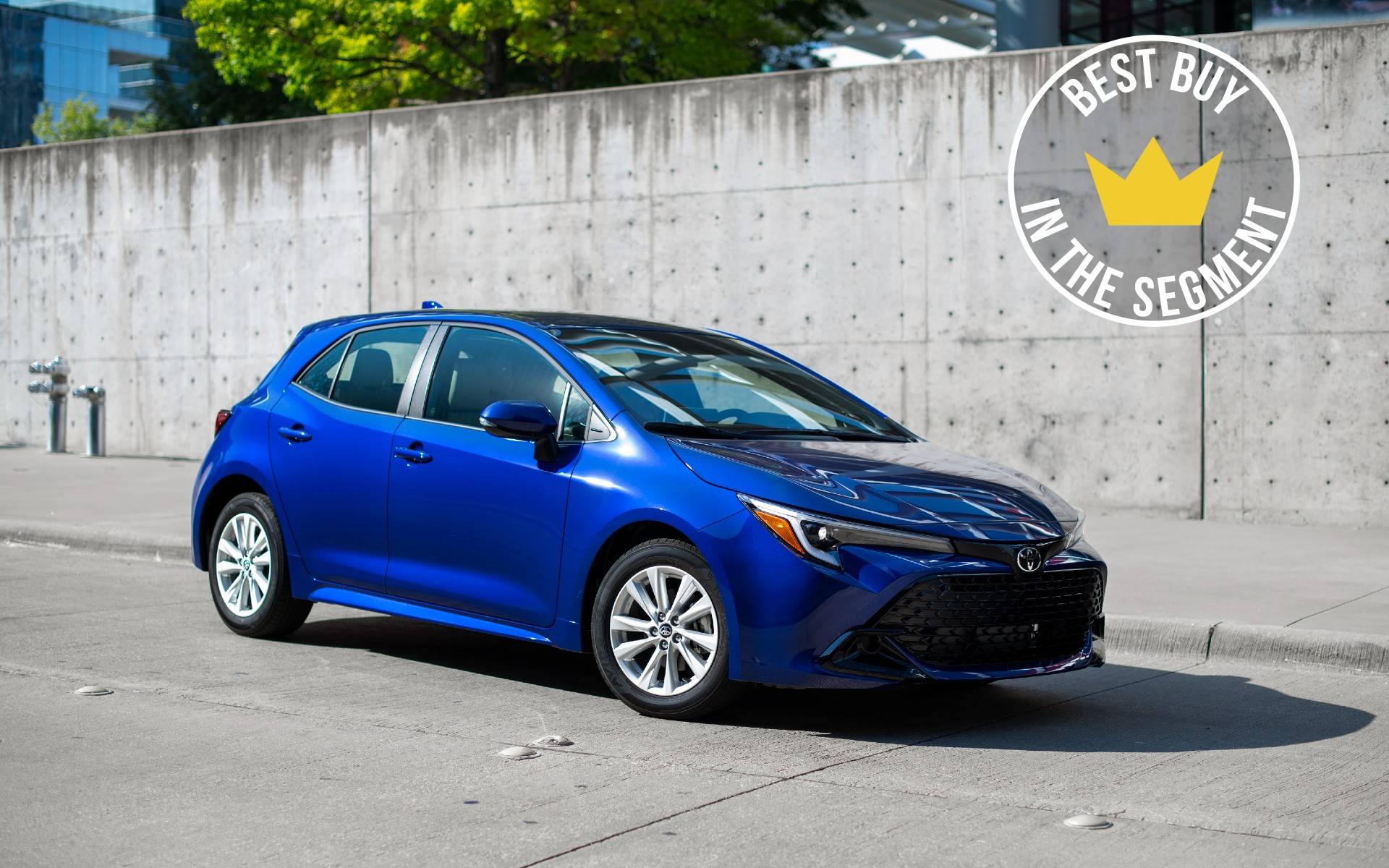
5) The Inventory-Driven Lease: When Timing Turns Incentives Into a Real Bargain
Many drivers wait for the “right moment” to lease, assuming timing is just superstition. It isn’t. Deals often intensify when inventory levels rise, when models shift for the next model year, or when certain color and trim combinations need to clear space.
In 2025, compact-car leases can be particularly responsive because this segment moves quickly. People want efficiency, and inventory that doesn’t sell becomes expensive to store and insure. That pressure encourages incentives—sometimes in the form of reduced payments, sometimes as waived fees, sometimes as enhanced trade assistance.
But the deeper lesson is this: your fascination should not rest solely on the calendar. It should rest on the specific vehicle configuration. A deal on a base trim may be robust, while the exact trim with your preferred features might have a weaker incentive. Conversely, a premium trim may appear pricey until the lease incentive makes it unexpectedly attainable.
Therefore, treat your search as a targeted expedition. Identify the trims you’d actually drive. Then compare multiple offers that share similar terms—mileage, term length, and down payment requirements. Even a small mismatch can warp the comparison and create a false sense of “best.”
How to Spot the True “Best” Lease Deal Without Getting Dazzled
Here’s a compact checklist that cuts through the fog. First, focus on total monthly cost, not just the advertised payment. Second, evaluate whether the offer requires a substantial down payment—rolling money into a lease can increase risk if the vehicle is totaled or stolen. Third, confirm mileage coverage and understand how excess mileage is calculated.
Finally, inspect the fee list. Acquisition fees, documentation fees, disposition charges, and any lease-end protection products can quietly reshape the deal. When those costs are transparent and reasonable, the lease feels like a clean bargain rather than a labyrinth.
Choosing a Compact Lease That Fits Your Life, Not Just Your Budget
The best lease deal is not the one that merely looks low. It’s the one that harmonizes with your schedule, your driving patterns, and your tolerance for change. Some people lease because they enjoy variety; others lease because uncertainty makes buying feel heavy. Compact cars, by nature, support both mindsets.
When your commute is short, a fuel-smart compact lease can be the ideal rhythm. When you crave updated technology, a lease that resets the clock keeps your experience fresh. When you prefer predictability, a lease with residual strength and clear terms can be surprisingly soothing. And when timing aligns with inventory pressure, the “best” deal emerges as a negotiated reality—not a promotional mirage.
Conclusion: The Real Value of a Lease Deal Is Its Predictability
Top lease deals on 2025 compact cars aren’t just about getting a lower payment. They’re about unlocking a dependable plan—one where the future feels manageable and the decision doesn’t haunt you at turn-in time. The fascination is understandable: leases translate automotive complexity into monthly clarity. Yet the deeper truth is that the best offers reward attention. The residual value, fee structure, and term alignment create the difference between a deal that shines and a deal that disappoints.
Choose carefully, verify the terms, and let the compact car do what it does best: keep life nimble. Then, when the keys turn, the bargain will feel less like luck—and more like craftsmanship.