Somewhere between the showroom lights and the quiet confidence of a test drive, a compact car choice can feel oddly personal. You notice the silhouette first—then you start asking questions no salesperson can neatly answer. Why does one body style seem to invite practicality like a well-worn tool, while the other appears to flirt with freedom? The question “sedan or hatchback?” is usually framed as a preference. Yet, for many drivers, it becomes a small fascination with how everyday life can be packaged, carried, and rearranged.
What follows is a buying guide for compact cars, designed to address a common observation—hatchbacks look flexible, sedans look composed—while hinting at the deeper reasons those impressions stick. Because underneath the surface, the decision is often about visibility, comfort rituals, clutter management, and how you interpret the meaning of “space.”
Start with the real question: what kind of life are you transporting?
At first glance, sedans and hatchbacks compete on trunk volume, cargo access, and price. But the real deciding factor is rarely a spreadsheet. It’s your weekly rhythm.
Do you haul groceries in a single tidy stack, or do you repeatedly move awkward items—sporting equipment, pet supplies, folding chairs, seasonal decor? The answer shapes whether you’ll feel delighted or mildly frustrated by the way the car opens, loads, and reveals its interior.
Drivers who gravitate toward hatchbacks often describe a sense of permission. It feels like the car is ready to adapt. Those who prefer sedans often speak about coherence—how the trunk separates daily life from the rest of the cabin, keeping the visual and sensory world orderly.
Visibility and access: how the body style changes your perception
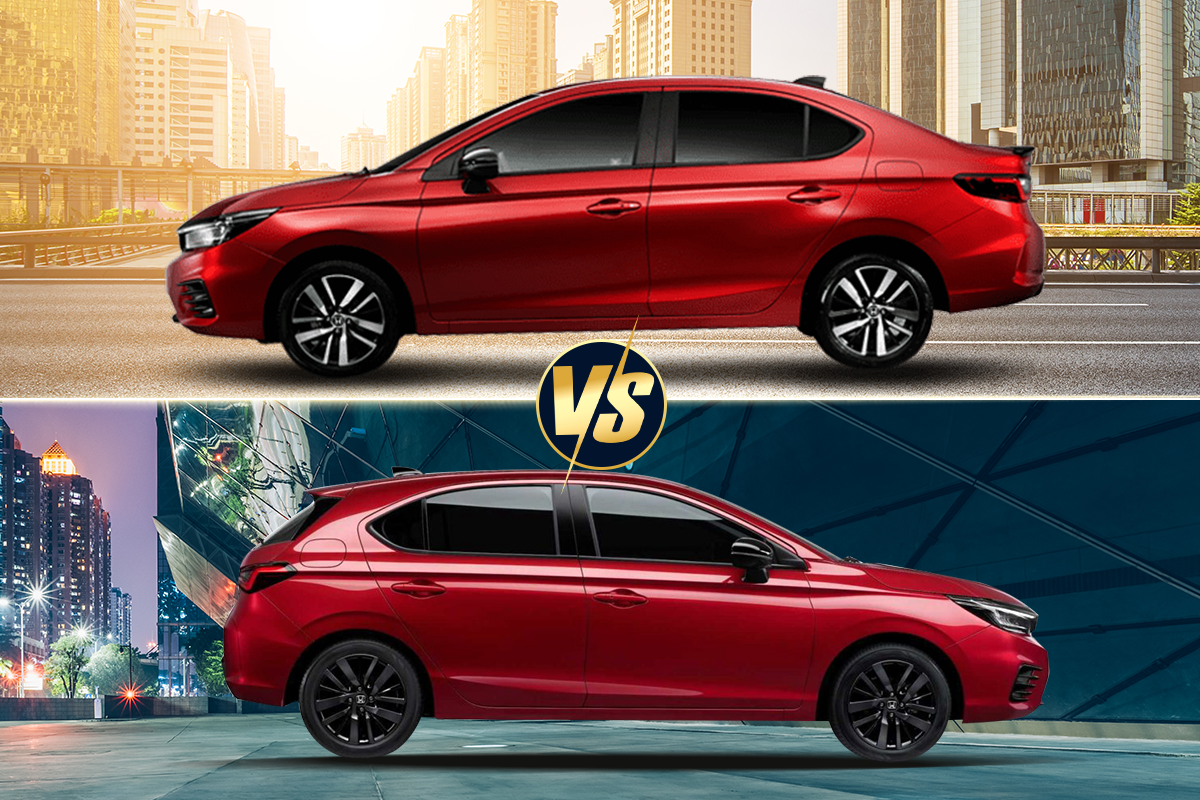
Sedans tend to have a more traditional, enclosed rear profile. That usually translates to a straightforward trunk opening and a predictable loading angle. Many drivers find this reassuring. The rear area feels compartmentalized, which can reduce the “mess anxiety” that comes with open cargo spaces.
Hatchbacks, by contrast, frequently offer a more versatile access point. The upward-opening tailgate can make it easier to slide items in at varied heights. Even when cargo capacity numbers are similar, the experience differs. An opening that lifts toward you can feel like an invitation, not an obstacle.
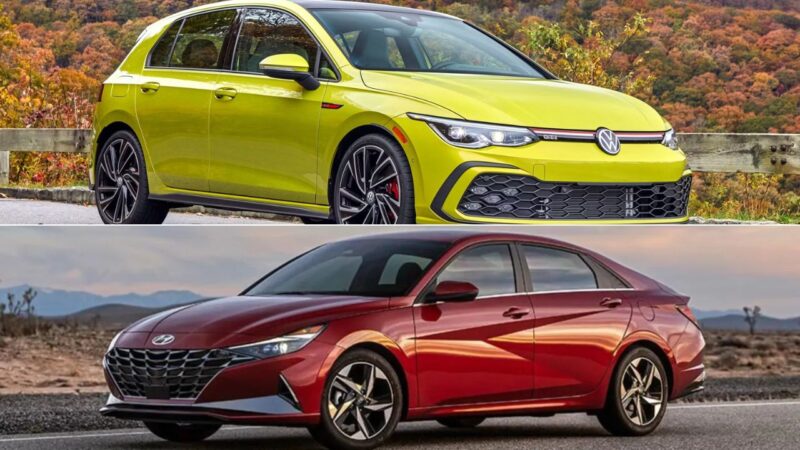
Here’s a deeper reason people become fascinated: the rear design subtly influences confidence. When you can see the cargo area clearly and approach it comfortably, you’re more likely to use the car’s interior for real-world tasks rather than just “commutes only.”
Space is more than volume: shape, loading height, and clutter behavior
Cargo capacity isn’t a single number. It’s geometry, usability, and the way you handle the day’s detritus. Two cars can boast similar measurements, yet one will feel roomy while the other feels cramped.
Hatchbacks often excel in “transformability.” The rear opening and fold-flat seating can create longer, flatter loading planes. This matters for items that don’t politely follow box dimensions—like a storage bin, a long tool case, or a stroller with uneven proportions.
Sedans commonly shine with “contained storage.” Their trunk openings are typically more standardized, which can protect luggage from direct exposure to weather and can help keep odors where you’d like them: behind you.
If you’ve ever watched yourself reorganizing the back seat after a busy weekend, you already know the truth. The best car is the one that aligns with your clutter behavior. Flexibility is appealing, but so is calm. Choose the style that reduces friction in your personal system.
Ride comfort and cabin character: the subtle psychology of stillness
Compact sedans often project a sense of composure. The cabin’s layout tends to feel more insulated, with less visual link between passenger life and cargo life. Some drivers describe this as “quiet focus.” Others simply appreciate the way the rear area feels out of sight and out of mind.
Hatchbacks frequently feel more connected to the outdoors. With cargo access closer to passenger space—and with the rear opening offering a different spatial relationship—some people experience a more versatile, practical vibe. It’s not louder, exactly. It’s more dynamic. The car seems ready to switch roles.
Short trips make this difference easy to overlook. But on longer weekends, the body style can influence how relaxed you feel when you return from errands. The car becomes part of your mental environment.
Fuel economy and drivetrain reality: don’t fall for assumptions
It’s common to assume hatchbacks are less aerodynamic or that sedans always feel smoother. In practice, engine choices and transmission tuning often matter more than body style alone.
When comparing compact models, prioritize the specific trim and powertrain. Some hatchbacks are engineered for efficiency with carefully shaped rear profiles. Some sedans deliver excellent economy due to lightweight design and gearing that favors steady cruising.
The best approach is simple: compare like with like. Look for comparable engines, similar wheel sizes, and the same driving conditions. If a car is listed as efficient but you’ll mostly do stop-and-go traffic, your real-world numbers may differ dramatically.
Safety considerations: cargo movement, visibility, and restraint systems
Both sedans and hatchbacks can be safe, but the details matter. Cargo placement affects weight distribution. If a hatchback’s design encourages frequent loading, you’ll likely move more weight often. That means you should be comfortable with correct loading practices.
Consider rear visibility too. Some hatchbacks provide strong line-of-sight due to the tailgate opening and rear window design. Sedans can offer clean rear sightlines and a stable trunk profile that looks traditional—and sometimes feels easier to judge when parking.
When you test drive, pay attention to how the rear window and trunk opening influence your ability to place items and maneuver in tight spaces. Safety isn’t only crash ratings. It’s also everyday situational awareness.
Maintenance and ownership: practicality with a long horizon
Ownership should be calmer than shopping. Both body styles can be easy to maintain, but the rear systems differ. Hatchbacks may involve additional moving parts associated with tailgate operation and lift mechanisms. Sedans concentrate cargo access into a simpler trunk lid design.
Still, the deeper ownership truth is about habits. If you regularly transport bulky items, wear patterns and loading cycles can become frequent. A car that fits your lifestyle reduces stress—and stress can reduce neglect. If you find yourself packing the car less thoughtfully, you might still get away with it—until you don’t.
Ask about real service intervals, tire wear tendencies, and any known issues with the specific model you’re considering. Then evaluate which configuration feels less like a compromise over time.
Style versus utility: where fascination becomes decision
At some point, the choice stops being purely functional. People don’t just buy cars; they adopt identities. A sedan can feel like refinement without fuss. A hatchback can feel like capability with a hint of defiance.
This fascination has logic behind it. Sedans tend to flatter routine: groceries in a predictable trunk, luggage neatly stacked, the world kept tidy. Hatchbacks flatter spontaneity: the sudden trip to the hardware store, the impulse to pack extra gear “just in case,” the ability to reconfigure the interior with minimal ceremony.
When you test drive, try a small exercise. Pretend you’re loading tomorrow. Can you picture the motions? Does the rear opening invite you to use the space—or make you hesitate? Those feelings often predict satisfaction better than any brochure.
How to test drive effectively: a checklist for clarity
Bring a bag with a few awkward items: a long cardboard tube, a medium backpack, and a folding tote. If possible, bring them to simulate realistic loading. Notice how you approach the car, how the opening guides you, and how the items settle.
For sedans, focus on trunk access height, opening width, and whether you can load without awkward twisting. For hatchbacks, check tailgate clearance, whether the cargo area offers a comfortable angle, and how easy it is to fold seats if you anticipate that use.
Then evaluate the cabin afterward. Does the rear space feel integrated or segregated? Does the car make you feel organized—or restless? Long sentences aren’t required for this step. The goal is immediate comprehension.
Choosing the right one for your budget: trims, features, and trade-offs
In the compact segment, differences often show up in the details: cargo covers, seat-fold mechanisms, driver-assistance packages, infotainment ergonomics, and even how the rear seats latch into a flat configuration.
When budget constraints tighten, body style can become a lever. A hatchback may deliver more versatility at a similar price, especially if folding rear seats and cargo access are prioritized. A sedan may offer a more refined daily experience with comfort-focused trims.
Pick the car that best matches how you actually spend your time—not how you think you should. That’s where value lives.
Final recommendation: match the car to your day, not to a stereotype
In the end, sedan versus hatchback isn’t a battle of superiority. It’s a comparison of workflows. Sedans typically appeal to drivers who want contained storage, consistent trunk access, and a cabin that feels firmly dedicated to passengers. Hatchbacks often win over people who crave flexible loading, transformative cargo layouts, and the psychological ease of adapting to changing plans.
Choose the body style that makes your everyday tasks feel effortless. When the car supports your routine—quietly, consistently—fascination turns into satisfaction, and buying becomes more than a transaction. It becomes a match.