What if your next commute could sip fuel instead of guzzling it? The year 2025 is bringing a refreshingly pragmatic kind of excitement to the compact-car universe: hybrid powertrains that stretch each gallon like a magician pulling scarves from an empty hat. Still, there’s a playful catch—how well do you know your MPG habits? Here’s the challenge: try ranking the compact hybrid cars in your head before you read the numbers, then see whether reality delivers a surprise plot twist.
Below is a ranked, MPG-focused guide to the best 2025 compact hybrid cars. Expect clear talk, real-world considerations, and a few delightful twists along the way.
How MPG Ranking Works in the Real World
MPG isn’t a single, universal truth—it’s a moving target. City driving, highway cruising, temperature, tire selection, and even driving style can nudge results up or down. Hybrids add another layer: the fuel economy story depends on how often the car can operate in electric mode, how efficiently it blends engine and battery power, and how smoothly it regenerates energy during braking.
That said, MPG rankings are still one of the best ways to compare contenders. When you’re shopping compact hybrids in 2025, think of the ranking as a “tendencies map.” Some models excel when traffic crawls; others shine when roads open up and speed steadies.
Top Picks Overview: Compact Hybrids With Standout Efficiency
In the compact segment, hybrids are often the sweet spot between efficiency and practicality. You get smaller footprints, manageable parking dimensions, and strong daily usability. Meanwhile, hybrid tech helps reduce fuel use during frequent stops—exactly where many drivers feel the pinch of rising gas prices.
Let’s set the stage for a methodical journey: first, we’ll look at compact hybrids that consistently land near the top of efficiency charts. Then we’ll explore what makes them different—power delivery, driving comfort, charging behavior (or lack of it), and cargo practicality.
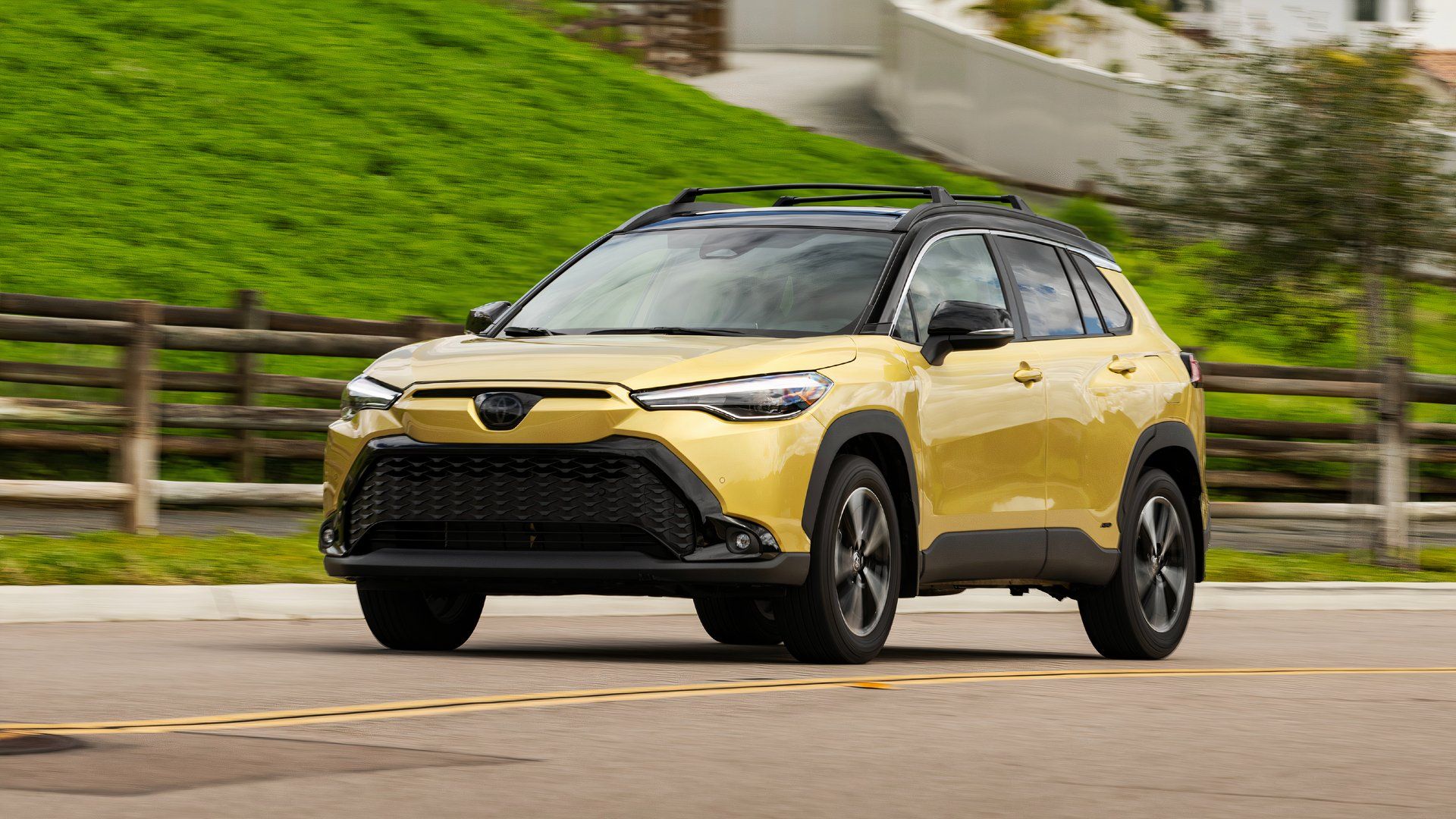
1) Toyota Corolla Cross Hybrid: The Efficiency Workhorse
The Corolla Cross Hybrid earns its place by combining hybrid competence with a comfortable, everyday stance. It’s the kind of vehicle that doesn’t demand attention—it simply performs. That’s not a small compliment; it’s a design philosophy.
For buyers chasing top-tier MPG, the Corolla Cross Hybrid typically benefits from a powertrain tuned for frequent, stop-and-go conditions. In urban environments, it tends to feel especially composed: the engine doesn’t behave like it’s searching for an excuse to run, and the drivetrain generally works to minimize fuel use when speed changes frequently.
But the real charm is how it translates efficiency into calm. Smooth torque delivery reduces the “jerkiness tax” that can accompany lower-end powertrain tuning. The result is a daily drive that feels lighter than its numbers suggest.
2) CarBuzz-Featured Compact Hybrid Cars for 2025: A Broader Landscape
While one model may dominate a list, the bigger question is whether you want an SUV-like silhouette, a hatchback practicality, or something closer to a traditional sedan feel. The compact hybrid category in 2025 is diverse enough that your lifestyle can matter more than your spreadsheet.
Some models prioritize aerodynamic efficiency. Others emphasize hybrid calibration that keeps the battery in a helpful state for longer stretches. Still others try to maximize comfort while maintaining impressive fuel economy.
When you’re comparing candidates, don’t only ask, “Who has the highest MPG?” Ask, “Who has the MPG I can actually live with?” Because the best vehicle isn’t merely the most efficient on paper—it’s the one that behaves predictably across your commute patterns.
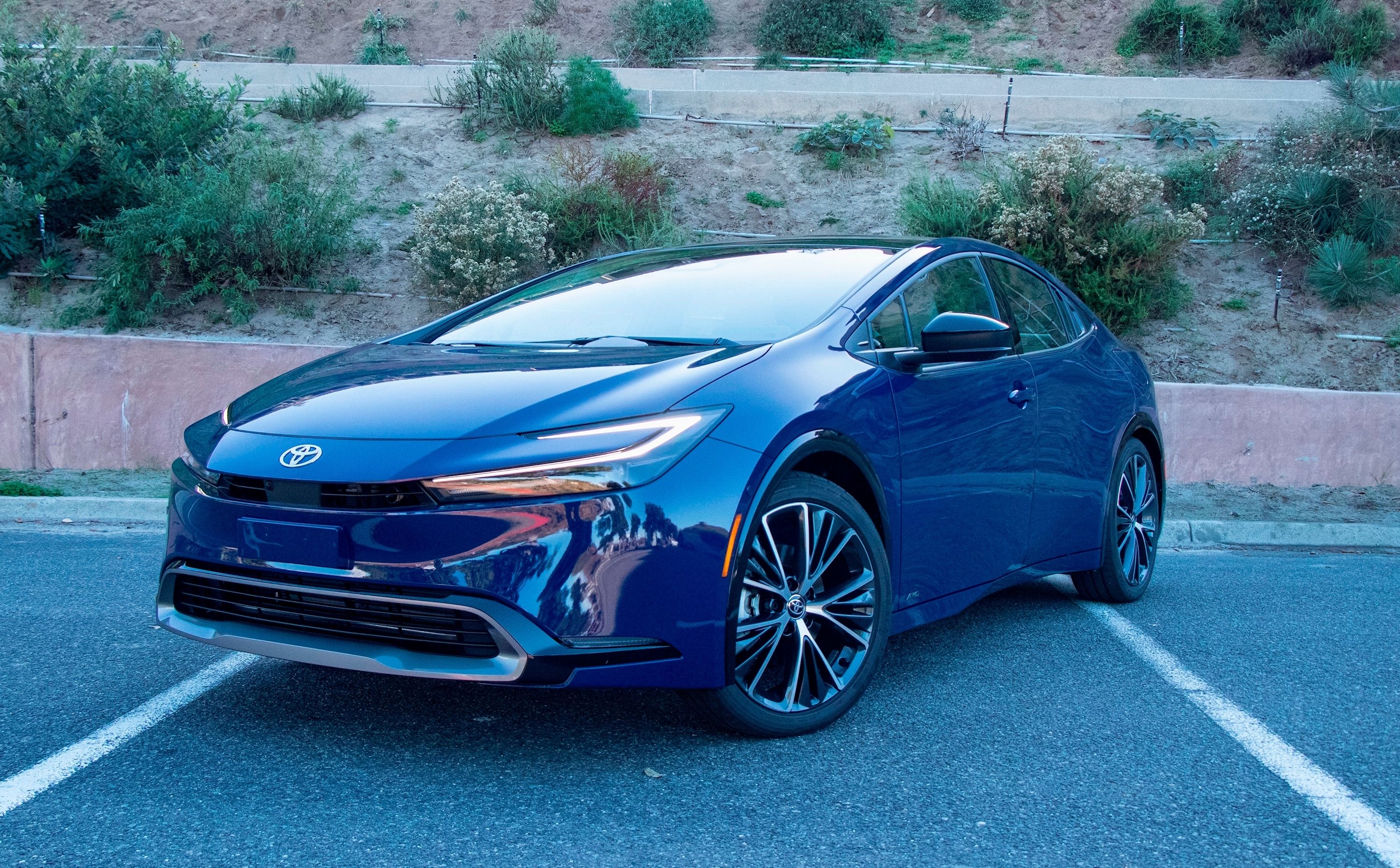
MPG-Ranked Selection Criteria: Beyond the Headline Number
To truly rank the best 2025 compact hybrid cars, you’ll want to consider the “hidden variables.” Fuel economy is strongly influenced by:
• Powertrain strategy: How aggressively the car uses the electric motor at low speeds.
• Regenerative braking behavior: How smoothly it harvests energy and how noticeable the transition feels.
• Aerodynamics and tire choice: Taller sidewalls and heavier wheels can quietly erode MPG.
• Transmission mapping: Even in hybrids, the way the system decides between modes affects real consumption.
In short, MPG ranking is a performance narrative. The top performers tell a story with fewer interruptions.
Driving Feel: Efficiency That Doesn’t Feel Like a Compromise
High MPG is wonderful. But does the car feel tedious? Does it hesitate when you ask for acceleration? Hybrids sometimes carry a reputation for being “soft,” and while that can be a good thing in traffic, it can also hide a lack of responsiveness.
In 2025, many compact hybrids have improved power delivery calibration. They’re more willing to provide instant torque from electric assist, particularly at low to moderate speeds. That means you can accelerate confidently at merge points without the drivetrain sounding like it’s reluctantly clearing its throat.
Here’s a playful honesty moment: if you only drive in efficiency mode and creep forward like you’re defusing a bomb, you’ll get better MPG. But if your life includes merging, passing, and spontaneous “let’s go” moments, the best hybrids will still reward you.
Cargo and Practicality: Compact Means Something
Compact hybrids aren’t just about getting from A to B. They’re about doing it with enough space for groceries, weekend gear, and the occasional “why do we have so many things?” bag accumulation.
When comparing models, look at:
• Rear seat usability: Headroom and seat cushion shape matter more than you think.
• Trunk or cargo volume: Hybrid batteries can influence packaging, though modern designs are more optimized than in earlier generations.
• Luggage fit and door openings: A wide opening often beats sheer volume in day-to-day convenience.
An efficient car that feels cramped can turn your daily routine into a chore. The best compact hybrids strike a balance: economical propulsion plus normal human practicality.
Cost of Ownership: The Long Game After the Purchase
MPG helps with fuel costs, but hybrid ownership is a multi-year rhythm. Consider maintenance expectations, tire wear patterns, insurance costs, and how well the model holds value. Hybrids often have fewer traditional wear components than pure combustion-only drivetrains, but they still use engines, brakes, and tires like any regular car.
Also, evaluate how battery systems are supported through warranties. A confident warranty can turn uncertainty into a settled sense of ownership.
And remember the playful challenge from the beginning: you don’t just buy an MPG number. You buy a relationship with your commute.
Who Should Choose a Compact Hybrid in 2025?
Compact hybrid cars are ideal if you:
• Drive in stop-and-go conditions where regenerative braking has frequent opportunities.
• Want lower fuel expenditure without stepping into the complexity of plug-in charging.
• Prefer a calm, controlled driving experience with smooth power blending.
• Need compact dimensions but still want daily comfort and usable storage.
If that sounds like your life, you’re already halfway to an excellent match.
Final Verdict: Your MPG Ranking Challenge, Revisited
So, which 2025 compact hybrid cars lead the MPG charts? The answer depends on your driving mix. However, models like the Toyota Corolla Cross Hybrid often earn their reputation by delivering efficient behavior in the environments most people actually drive—city streets, errands, and frequent speed changes.
Now for the challenge you can’t ignore: revisit your mental ranking and compare it to the real-world candidates. Did your list overvalue highway MPG and undervalue city efficiency? Or did you correctly anticipate that hybrid systems can turn everyday braking into usable energy?
Choose the compact hybrid that fits your routine, not just your curiosity. When the powertrain and your habits align, the fuel savings feel less like math—and more like momentum.