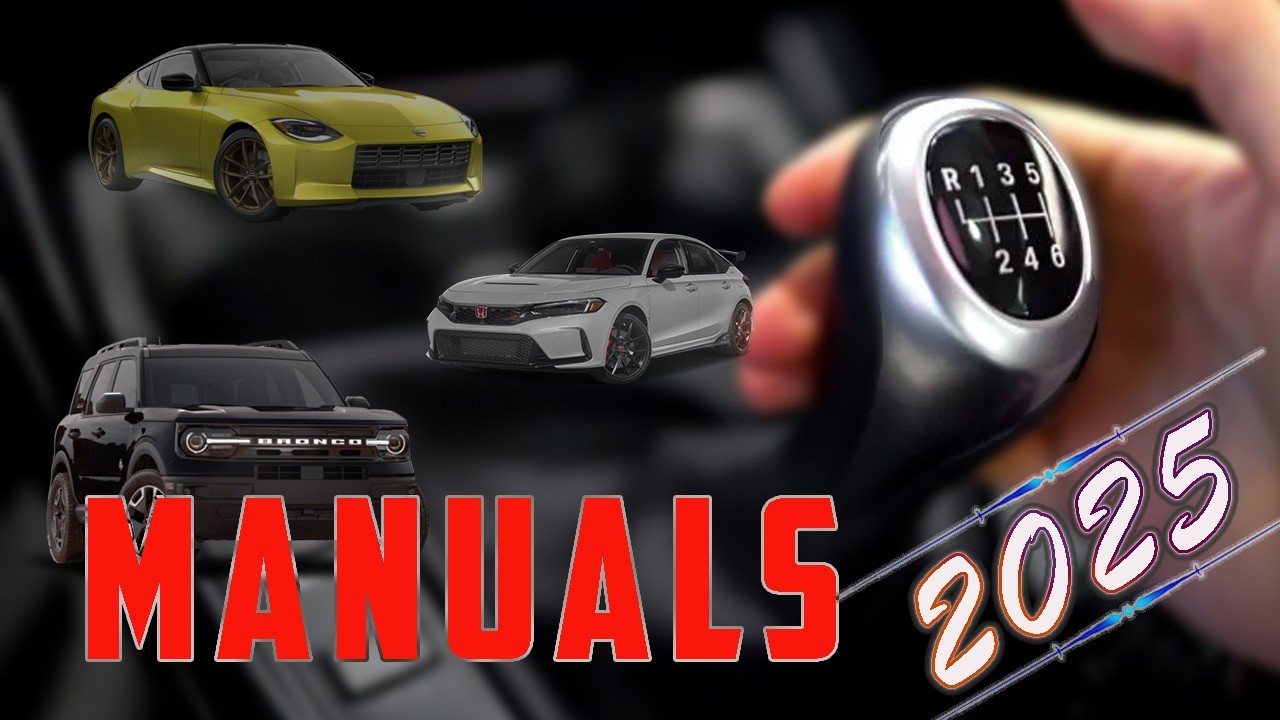
There’s a particular kind of satisfaction that never quite fades: the moment your hand settles on a gated shifter, the engine note tightens, and the next cog falls into place with a metallic certainty. In a world that increasingly prefers seamlessness over involvement, manual transmission 2025 compact cars feel almost subversive. They don’t just move you from point A to point B. They engage you—sometimes gently, sometimes with a demanding little wink that says, “Pay attention.”
“Save the stick” isn’t nostalgia dressed up as sentiment. It’s a practical argument, a lifestyle preference, and for many drivers, a sanity check against autopilot-like driving. In 2025, compact-car buyers still have pathways to row-your-own shifting, and the variety is broader than most people assume. Some models prioritize everyday usability. Others chase spirited handling. Still others preserve manual offerings even while the rest of the market sprints toward electrification and automated transmissions.
Let’s explore the full landscape—what’s changing, what to expect, how to choose, and what different readers will actually experience behind the wheel.
Why manual transmissions still matter in 2025
Manuals are often discussed in terms of romance, but the reality is more technical—and more interesting. A manual gearbox gives you direct command over engine speed and torque delivery. That means you can keep the engine in its preferred band instead of waiting for a transmission to guess. Acceleration becomes less of a “let the car decide” scenario and more of an orchestrated sequence: clutch, shift, throttle, repeat.
Then there’s the emotional feedback. The steering may be numb, and the infotainment might be impressive, but it’s the shifter that speaks most honestly. The clutch pedal communicates bite point and thermal condition. The lever’s travel tells you how the mechanism is behaving today—not as a marketing promise, but as mechanical reality.
Finally, there’s ownership logic. Many drivers like the idea that fewer control units and fewer adaptation routines are doing the heavy lifting. While modern vehicles—manual or not—are still packed with electronics, a manual drivetrain can feel inherently legible. You can hear misadjustments before they become major headaches.
The 2025 compact-car shift map: what “manual” really means
When people say “manual transmission,” they often imagine the same driving ritual across every compact car. In practice, manuals differ in several ways that matter day-to-day. Some use lighter clutch actuation that invites frequent city traffic shifting. Others feel denser and more purposeful, ideal for drivers who relish a tighter pedal calibration.
Gear ratios also shape the character of the car. Shorter ratios can make acceleration feel immediate, but they may increase engine RPM at highway speeds. Taller ratios can reduce noise and fuel consumption, but they require steadier throttle management to preserve punch when merging or overtaking.
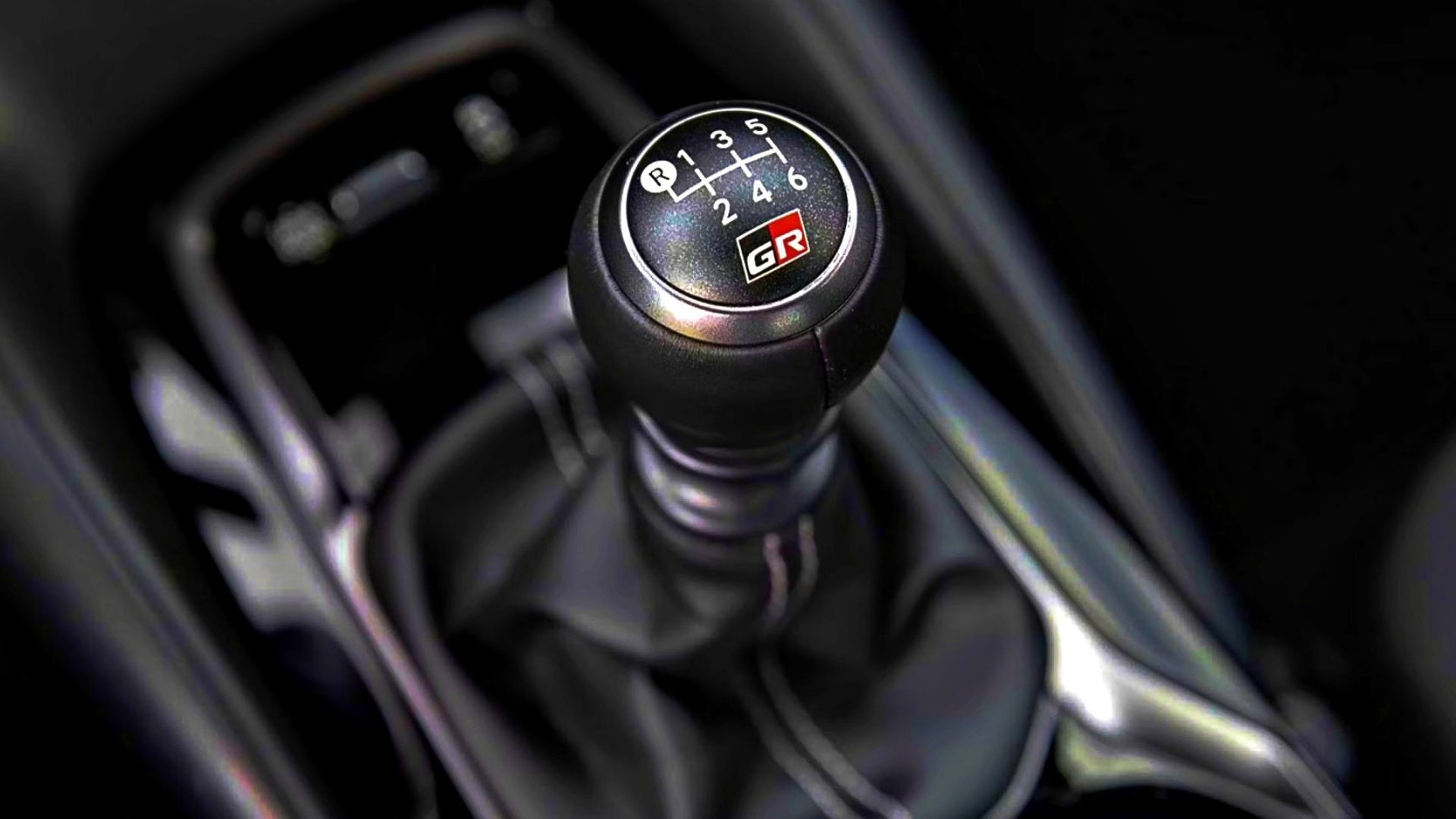
Even the shift feel varies: some transmissions have a crisp, notchy gate structure that rewards confident, decisive movements. Others have a smoother, more forgiving motion, making them friendlier for new stick drivers.
In 2025, compact-car manuals are increasingly curated. They’re not everywhere, but when they appear, they often arrive with a specific personality—sport trim, driver-focused tuning, or a deliberate attempt to keep the brand’s enthusiast identity intact.
Different reader types: what each person will gain
Not every manual enthusiast wants the same experience. A compact car can be manual for many reasons, and the best choice depends on your driving patterns and temperament.
Urban commuters: For city life, the “good manual” is the one that doesn’t punish your left leg. Look for smooth clutch engagement, reasonable pedal effort, and a transmission that doesn’t fight you when stop-and-go turns into stop-and-go again. A compact footprint helps, but clutch calibration is what ultimately determines whether your commute feels like a chore or a small daily ritual.
Weekend drivers and enthusiasts: If you want to enjoy the car rather than simply operate it, prioritize shift quality, steering response, and gearbox integration. Some compact manuals come with performance-oriented drivetrains where the engine and transmission feel like a single instrument. Short throws, predictable rev-matching behavior (or easy downshifting), and a confident engine note all contribute to an experience that feels sharper than the spec sheet suggests.
First-time manual learners: Start with a car that teaches without overwhelming. A forgiving clutch bite, intuitive gear spacing, and manageable torque at low RPM can turn learning into steady progress. Consider visibility, cabin ergonomics, and driver-assist features that reduce stress—because learning to drive a manual should still feel safe.
Hands-on owners: For people who care about maintenance habits, manual transmissions can be satisfying because the drivetrain is often more straightforward to understand. Regular clutch inspections, fluid checks, and attention to linkage feel are part of the ownership rhythm. Even the act of learning the car’s behavior—how it likes to be shifted—becomes part of the relationship.
Daily drivability: clutch feel, pedal logic, and traffic sanity
A compact manual can be either a pleasure or a mild annoyance depending on the clutch and how the car manages heat. In stop-and-go traffic, clutch slippage and repeated engagement can create thermal strain. Cars with better clutch design and predictable engagement points tend to stay consistent. If the bite point wanders or the pedal becomes progressively heavy, the car may feel unsettled over longer drives.
Pedal placement is equally important. Many compact cars offer decent ergonomics, but differences in pedal height and spacing change the comfort factor dramatically. Long commutes require less effort to operate, while spirited drives demand stable pedal positioning for repeated clutch use.
Some drivers also value “civil behavior” when downshifting. When you slow down and select a lower gear, the engine should respond cleanly without harshness. That doesn’t mean automatics mimic you; it means the car’s calibration should reduce unwanted jerks so you can focus on the road.
Performance feel: rev range, gear hunting (or lack of it), and torque timing
Manual transmissions can be strangely liberating on winding roads. Without a transmission deciding when to shift, you control the rev range. That’s especially valuable when the road demands quick transitions between acceleration and deceleration. The ability to choose the exact gear for the next corner reduces hesitation and keeps the car moving with purposeful continuity.
Torque timing becomes your responsibility—and your opportunity. In a performance-oriented compact, the engine may have a character that blossoms in a certain RPM window. A manual lets you keep the engine there, building momentum rather than waiting for an automatic shift strategy to catch up.
On the flip side, manuals require discipline. If you chase every tiny acceleration impulse, you may burn fuel or create drivetrain stress. Yet most drivers find a personal cadence quickly. After a few weeks, the car begins to feel like it’s anticipating your decisions.
Fuel economy and real-world economics
Manual transmission cars often earn favorable fuel numbers, but the bigger story is variability. Driving style matters. A manual can deliver efficient performance when you shift thoughtfully and avoid unnecessary rev spikes. It can also be less economical if you habitually keep the engine too high in the rev range or slip the clutch through traffic.
Compact-car efficiency is also influenced by aerodynamic design, tire choice, and drivetrain friction. Still, the manual’s role is real: fewer automatic shift events and a more direct control of RPM can help drivers stay efficient—especially when they learn how to avoid “over-caffeinated” driving.
For readers tracking ownership costs, consider the total picture: insurance rates, fuel habits, and maintenance intervals. Manuals generally avoid some of the complexity associated with certain automated systems. The best approach is to look at service schedules and choose a car where the maintenance routine aligns with your lifestyle.
Safety, confidence, and driver-assist realities
Driving a manual is not automatically more hazardous. Confidence is the variable. A competent manual driver can modulate acceleration and deceleration with precision, and that can improve reaction time on unpredictable roads.
At the same time, modern compact cars may include driver-assist features such as stability control, traction management, and collision mitigation systems. These technologies don’t replace your shifting, but they support overall vehicle behavior. The result can be a hybrid of skill and assistance—mechanical involvement supported by electronic guardianship.
For new drivers, prioritize cars with predictable traction control behavior and good visibility. Practice in low-traffic environments can turn a learning phase into a confident baseline quickly.
How to choose the right 2025 manual compact
Start with your mission. Are you commuting, carving roads, or learning? Then evaluate the details that create satisfaction rather than regret.
Shift quality: Try it. Does the lever feel precise? Does it return smoothly? Is the gate predictable?
Clutch calibration: Does it engage near the top, middle, or bottom? Do you feel comfortable without riding the pedal?
Gear ratios: Consider typical routes. If you drive lots of highway, tall gearing and reduced noise may matter more than sprint feel.
Ergonomics: Check seat position, pedal spacing, steering reach, and visibility. Comfort affects your willingness to use the car daily.
Model character: Some compact manuals lean sporty. Others emphasize practicality. Match the car’s personality to your expectations.
Learning curve and long-term satisfaction
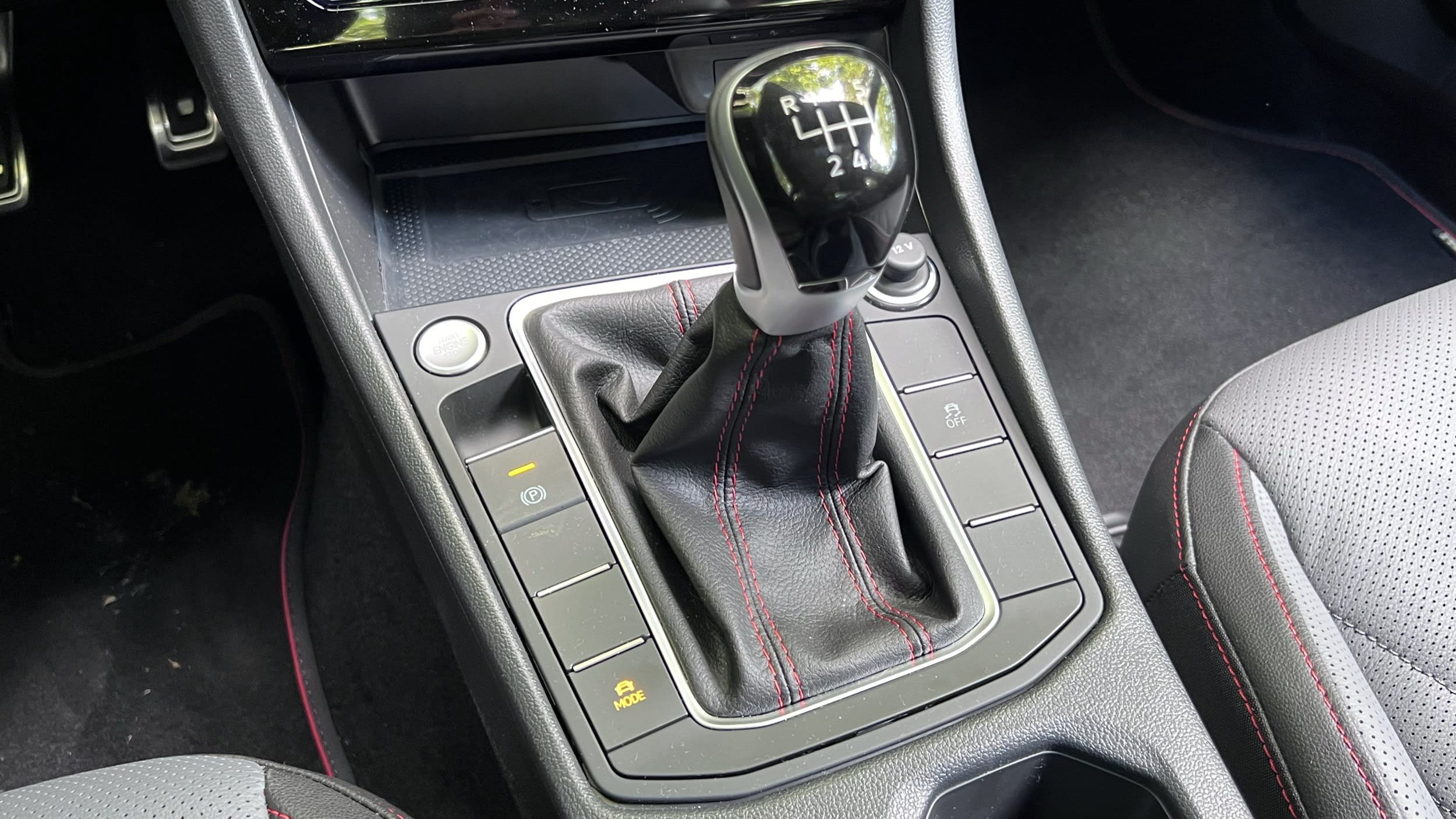
Manual driving has a learning curve, but it’s often shorter than people expect. The key is consistency. When you learn to coordinate clutch engagement with throttle input, the car becomes smoother and more responsive. Gear changes become less “events” and more flowing transitions.
After months, a manual compact can create a durable kind of joy. You start to predict how the car will behave at different speeds and inclines. You develop preferences: whether you like to coast in neutral, how early you upshift, how you downshift for engine braking.
That’s the heart of the stick-shift revival: not the gear lever itself, but the relationship it builds between driver and machine.
Outro: the case for staying involved
Manual transmission 2025 compact cars aren’t relics. They’re a deliberate counterpoint to convenience that’s starting to feel a little too automatic. They invite attention, reward skill, and turn every drive—whether it’s a commute or a late-night backroad session—into something more vivid.
So if you’re looking for a compact car that doesn’t just transport you, consider saving the stick. The pleasures are tactile, the benefits are practical, and the satisfaction is real enough to feel—one shift at a time.