You’re cruising toward your next pickup and you catch yourself smiling—because the city feels manageable when your car does. But then the thought flickers in like a tail light in the rain: Can a compact car really handle the daily gauntlet of Uber and Lyft without turning your time into a mechanical soap opera? That’s the central challenge for 2025 drivers. You need something nimble enough for tight streets, steady enough for long shifts, and sensible enough that every mile doesn’t feel like it’s charging interest.
Let’s explore the best 2025 compact cars for Uber & Lyft drivers—vehicles that strike a rare balance between comfort, efficiency, and practicality. These are cars built for constant starts and stops, for riders with earbuds and backpacks, for detours, and for that unpredictable moment when your schedule and traffic disagree.
What “Best” Means for Ride-Share in 2025
For ride-share drivers, “best” isn’t just about the sticker price or how it looks under streetlights. It’s about the whole operating rhythm: fuel costs, maintenance frequency, cabin usability, and the way a vehicle behaves when you’re driving for hours.
Think of it like building a dependable stage set. A compact car has to deliver reliably on performance cues—braking confidence, steering composure, and easy parking. It also has to support the backstage realities: trunk access, door ergonomics, and charging options for passengers who treat their devices like life-support systems.
In 2025, the winning compact cars are typically those that offer:
• Competitive fuel economy for high-mile days
• Strong warranty or service-friendly ownership patterns
• Comfortable rear seating (yes, even in compact cars)
• Modern safety tech that helps during dense traffic
• Infotainment that doesn’t become a distraction
Fuel Economy: The Quiet Profit Engine
Fuel costs can creep up like morning fog—subtle at first, then suddenly everywhere. Compact cars are often the best tool against that creep. For Uber and Lyft, where mileage adds quickly, small improvements in efficiency can compound into meaningful savings.
Look for efficient powertrains and drivetrain setups that stay economical in stop-and-go traffic. Hybrids can be especially attractive when your day includes urban starts, slow rollouts, and frequent idling. Even when you’re moving smoothly, an efficient compact tends to keep your tank from vanishing faster than your schedule.
Here’s the playful truth: the most enjoyable passenger conversation in the world is better when you’re not doing mental math at every gas station.
Parking, Turn Radius, and City Dexterity
Ride-share driving is less about highway heroics and more about urban choreography. A compact car shines here. Shorter dimensions, manageable turning radius, and a clear view around the vehicle can reduce stress dramatically.
Imagine arriving at a pickup where the sidewalk seems to shrink and the lane markings look like suggestions. The right compact car makes you feel like you’re reading the street instead of wrestling it.
When evaluating a model, it helps to consider how it handles:
• Tight parking spots
• Multi-lane navigation at low speed
• Curbs, parking blocks, and narrow driveways
• Lane-keeping and blind-spot monitoring during quick lane changes
Even small features—like crisp camera systems, accurate sensors, and well-positioned mirrors—can transform your shift from grind to flow.
Comfort for Riders: The Back Seat Matters
Passengers notice comfort, even if they don’t call it “ergonomics.” They notice when their knees don’t complain, when the seat feels supportive, and when noise levels stay civil during late-night traffic.
For ride-share, the rear seating experience becomes your brand. A rider who arrives relaxed is more likely to offer polite conversation and straightforward ratings.
When shopping for compact cars, focus on:
• Rear legroom and seat cushion support
• HVAC placement (does air reach the back effectively?)
• Cabin quietness at city speeds
• Seat fabric durability (especially for frequent use and varied passenger habits)
It’s a small stage, but every ride is a performance. The car you choose becomes the script’s reliability.
Reliability and Maintenance: Avoid the “Unexpected Detour”
The hardest part of ride-share is not traffic. It’s the sudden disappearance of your availability due to a breakdown. Reliability is not a luxury—it’s the backbone of earning.
Compact cars often benefit from widely available parts, common service procedures, and predictable maintenance schedules. For 2025 models, newer platforms may also include improved durability in key components, but the best approach is still to look at:
• Warranty coverage and powertrain protection
• Scheduled maintenance intervals and typical service costs
• Availability of parts in your area
• History of model reliability patterns (when considering similar generations)
Here’s the practical challenge to watch for: a “great deal” can turn into an expensive detour if the vehicle’s maintenance profile doesn’t match your driving intensity. Ride-share isn’t casual commuting—it’s continuous usage with occasional full-throttle days.
Safety Tech That Works Under Real Conditions
Safety systems are often marketed with cinematic confidence, but the real test is how they behave amid quick lane changes, sudden braking, and mixed traffic behavior.
In 2025, many compact cars deliver advanced driver-assistance features that can reduce fatigue. That matters when you’re still thinking clearly at 2:00 a.m.
When reviewing potential candidates, consider the presence and behavior of:
• Forward collision warning and automatic emergency braking
• Lane-keeping assistance and lane-centering features
• Blind-spot monitoring with alert clarity
• Adaptive cruise control for long stretches of predictable traffic
• Driver attention or alertness monitoring (if available)
Good safety tech doesn’t replace driving. It makes you feel less alone in chaotic moments.
Infotainment, Navigation, and Passenger Experience
Even if you’re a calm navigator, your passengers are usually counting on your competence. Reliable navigation, quick route recalculation, and readable screen interfaces are essential.
In the ride-share world, infotainment isn’t just entertainment. It’s operational tooling. You’ll want:
• Fast phone pairing for calls and music
• Clear, responsive navigation prompts
• Usable USB ports and charging access
• Hands-free functionality that doesn’t frustrate you mid-ride
A minor annoyance can become a major distraction. When your system lags, your attention pays the price. Smooth tech keeps your focus on the road and your passengers on comfort.
Choosing Between Sedan and Compact Hatchback Dynamics
Not every compact is shaped the same. Some compacts behave like small sedans with a calmer ride feel. Others come as compact hatchbacks with practical cargo versatility.
For ride-share, decide based on your typical passenger cargo patterns. If you frequently transport luggage, shopping bags, or bulky items, a hatchback’s rear opening can be a real advantage. If you prioritize a slightly more refined cabin layout and straightforward trunk access, a compact sedan can feel effortless.
Either way, the key is to test real usability. Open the trunk. Buckle the car seats (if you sometimes drive families). Check reachability of straps and handles. Then ask yourself, Will this be fast when I’m in a hurry?
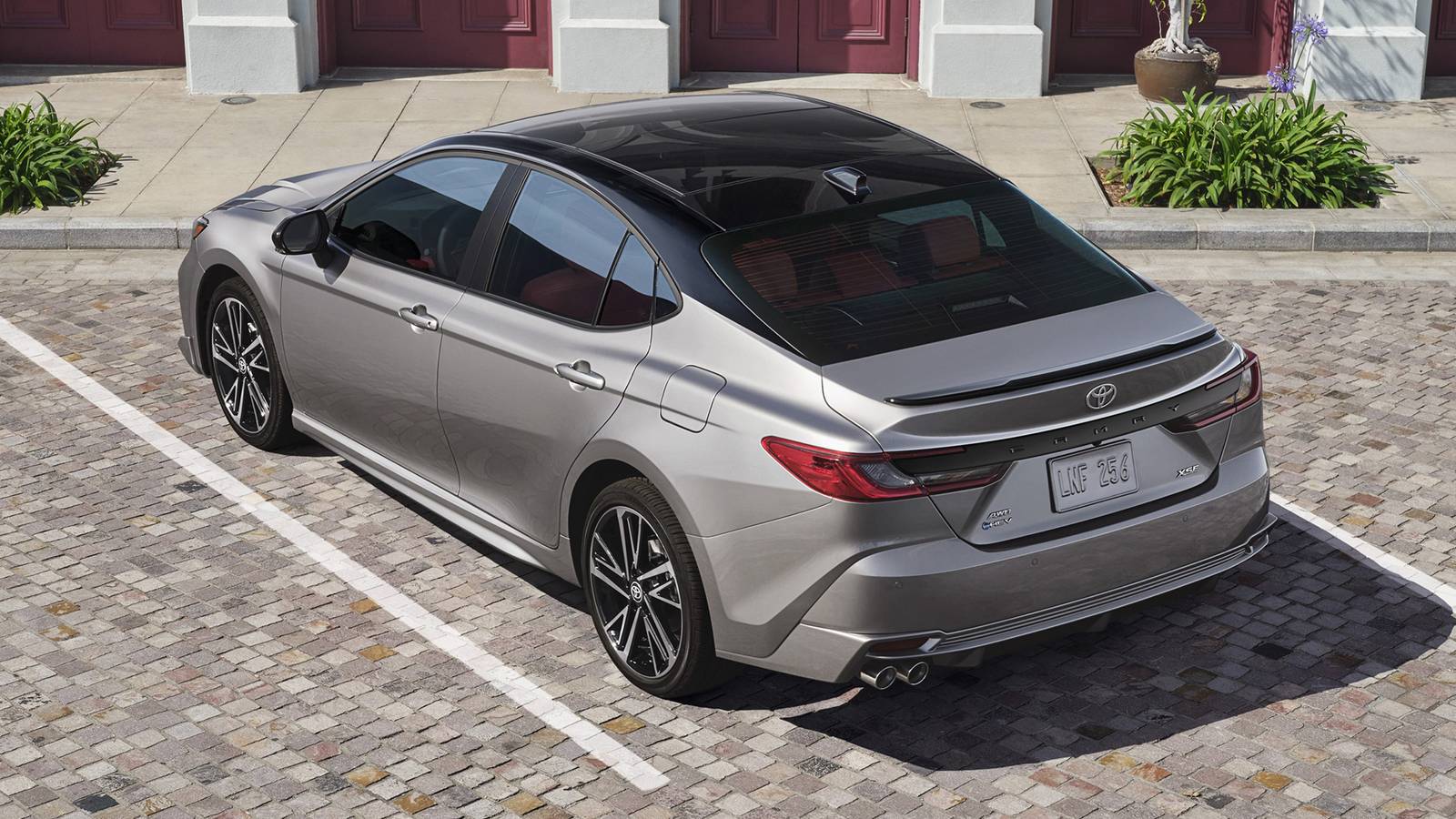
One Example of a Strong Contender: Toyota Camry in the Ride-Share Conversation
While the nameplate you choose should match your definition of “compact,” Toyota’s reputation for practical drivability is a frequent point of interest for ride-share owners. The Camry’s overall composition—comfort, daily usability, and ownership practicality—makes it a familiar discussion in driver communities.
If you’re considering a sedan-like alternative, weigh your priorities: do you want a more composed feel for longer routes, or a tighter footprint for city parking? The Camry-style choice can be attractive when your routes blend highways with town errands.
Ultimately, the best 2025 choice is the one that turns your shift into consistent momentum—less time managing the car, more time managing the ride.
Final Check: The “Do I Really Want This?” Test
Before committing, run a small personal experiment. Imagine you’re starting your shift in the morning, stacking pickups through lunch, then driving into late evening. Your compact car should feel like a reliable partner, not a reluctant chore.
Ask these questions:
• Can it handle repeated city braking without feeling strained?
• Does the cabin stay comfortable when you’ve been driving for hours?
• Do you have access to charging and easy passenger-friendly comfort?
• Is maintenance likely to be predictable and affordable?
• Does it make parking and pickup logistics less stressful?
If your answers feel confident, you’re close to the right pick. If they feel uncertain, don’t ignore that feeling. In ride-share, uncertainty multiplies under pressure.
Outro: Make Your Car Work for Your Time
Finding the best 2025 compact cars for Uber & Lyft drivers isn’t about chasing the flashiest spec sheet. It’s about choosing a vehicle that respects your time: fewer detours, fewer stress spikes, and more rides that feel smooth from start to finish.
So yes—your compact can absolutely handle the job. The only real question is whether it fits your day like a well-tailored glove. Choose the car that keeps you confident at the curb, comfortable behind the wheel, and ready for the next passenger who’s hoping you’ll arrive on time.