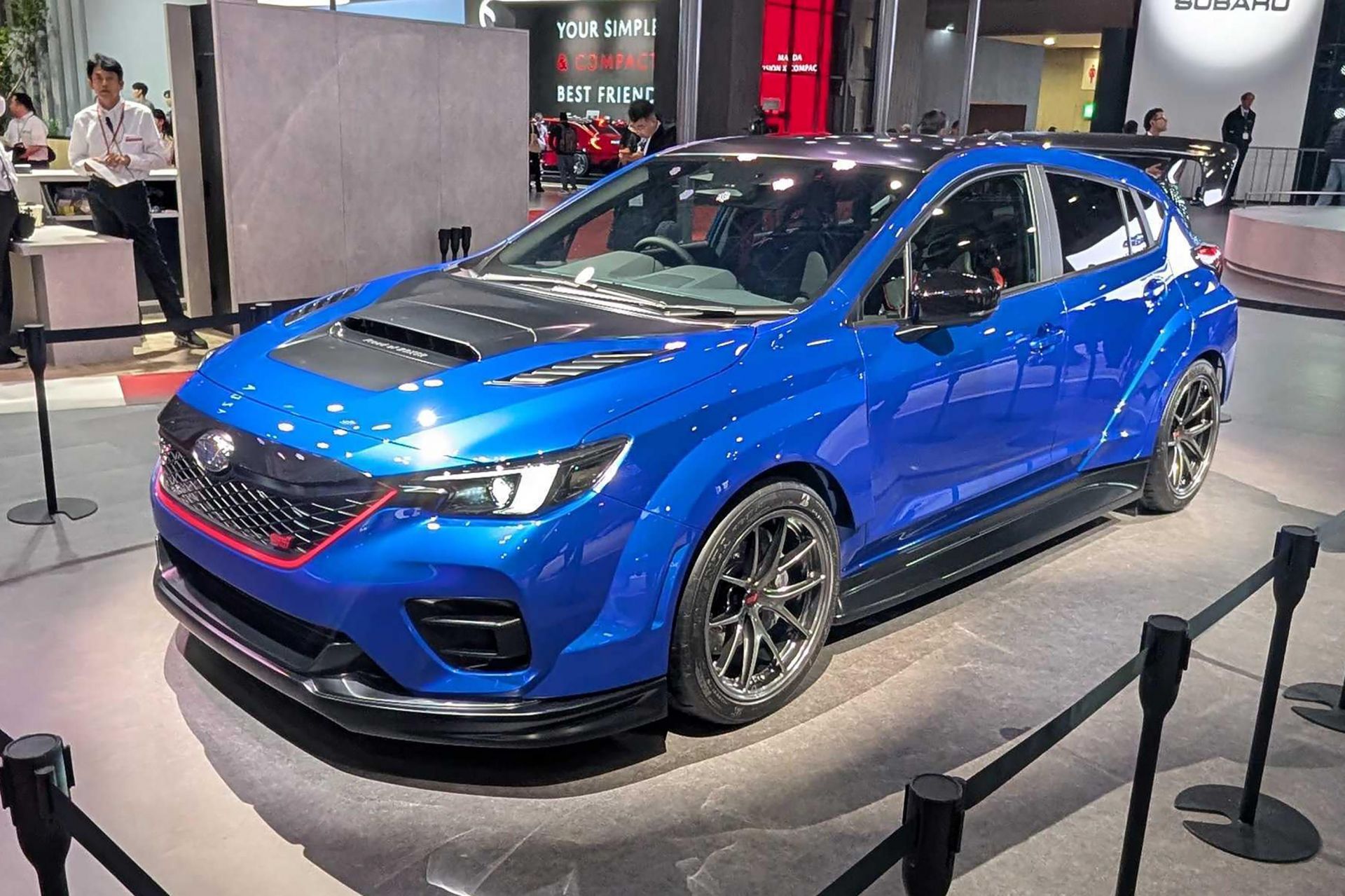
Subaru has always had a talent for turning whispers into weather—rumours gather, intensify, and eventually arrive as something you can feel in your bones. The Subaru Impreza STI sits at the centre of that atmospheric phenomenon. For years, enthusiasts have watched the landscape shift: engines refined, regulations tightened, tastes changed. Yet the badge “STI” retains a gravity well. It draws drivers in with promises of sharp throttle response, confident chassis geometry, and that uniquely tactile sense of traction. And now, with fresh concept imagery surfacing and questions about the future growing louder, the big one returns: Subaru Impreza STI — is it finally coming?
The answer is rarely a simple yes-or-no in the automotive world. It’s more like a symphony of timelines—engineering lead times, homologation realities, and market momentum all playing their parts. What readers can expect next is not just speculation, but a clearer map of how Subaru could approach an STI revival: through electrification-adjacent thinking, modernised performance architectures, and the kind of brand stewardship that respects history without embalming it.
A badge that refuses to retire
The STI identity is more than a trim level. It’s a promise of intent, a shorthand for Subaru’s performance philosophy: challenge the limits of grip, sharpen steering feel, and translate imperfect roads into an engaging theatre. Even those who don’t wrench on cars understand the emotional signature—what “STI” means at a glance. That brand equity matters, particularly in a time when many manufacturers treat performance as a checkbox rather than a craft.
Historically, the Impreza line has been the stage where Subaru’s engineering ideas became legible to the public. From rally-inspired all-wheel-drive thinking to suspension setups that prioritise predictability under load, the STI name carries a reputation for consistency. That’s why rumours about its return strike a nerve. Drivers aren’t merely asking for speed; they’re asking for a particular kind of composure.
What “finally coming” might really mean
Sometimes “coming” is shorthand for a concrete product announcement. Other times it means the company is closing in on a direction—confirming design principles, refining powertrain strategies, and testing packaging constraints. Subaru could use concepts as an interpretive bridge between what it builds today and what it plans to build next. That bridge matters because the rules of performance are changing fast.
In modern markets, an STI revival likely has to address three pressures simultaneously. First, it needs to meet emissions and efficiency expectations without turning the driving experience into something numb and antiseptic. Second, it must comply with safety and connectivity requirements that add weight and complexity. Third, it must do it in a way that remains economically plausible for the brand’s engineering team.
So the question becomes: will the Impreza STI return as a traditional combustion performance icon, or as a new interpretation—one where electrification plays a backstage role, enhancing torque delivery and improving drivability? The most compelling future is often the one that preserves feel while modernising the underlying method.
Concept cues: design language and intent
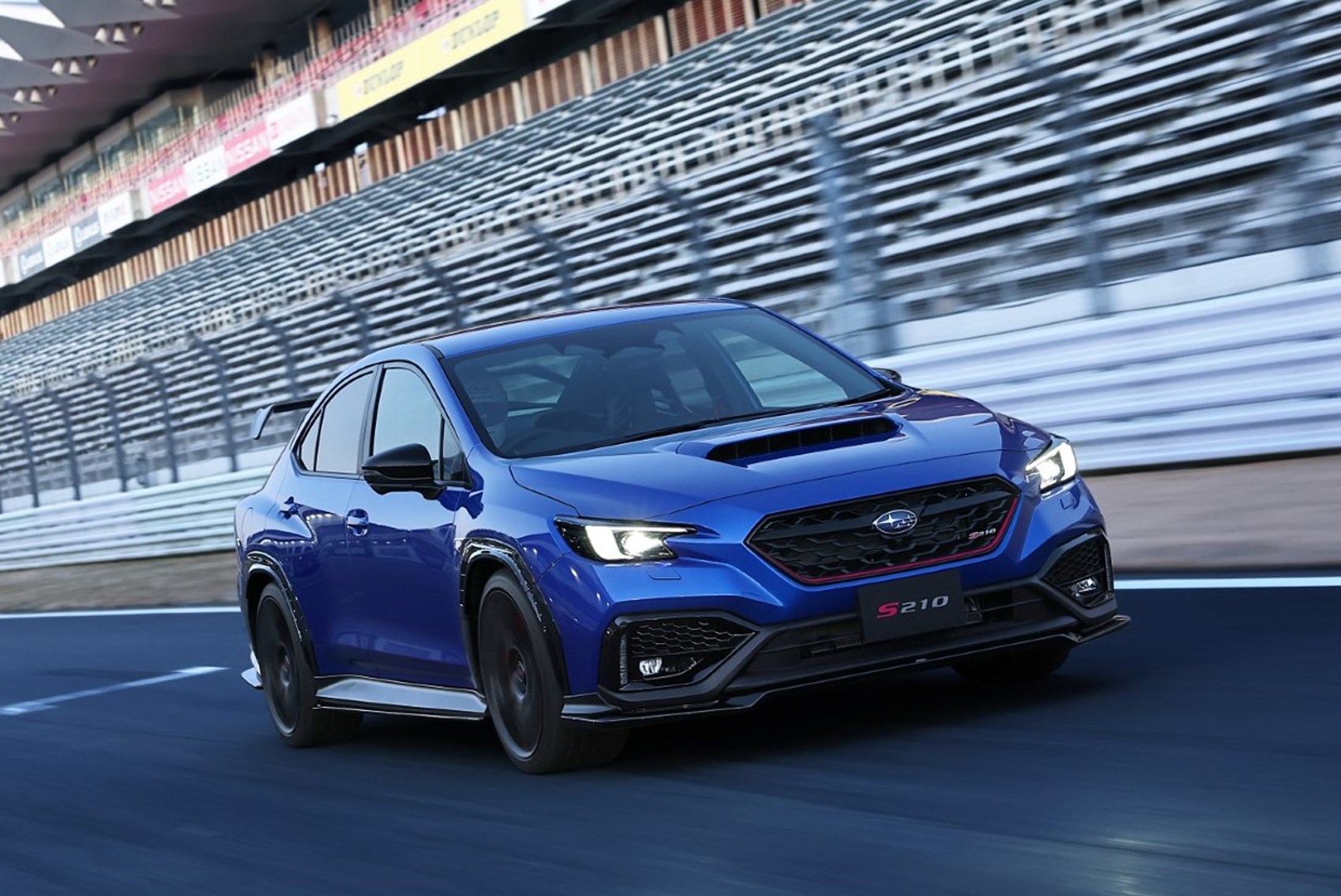
Concept vehicles aren’t production forecasts, but they do offer signal. They hint at styling direction, aerodynamic priorities, and sometimes even the architecture behind future models. When a performance concept appears with the Impreza name in orbit, it’s not just a design exercise—it’s a message about what Subaru wants the next performance era to feel like.
Expect to see cues such as bolder aerodynamic surfaces, purposeful ventilation, and stance adjustments that communicate stability at speed. The wheel-to-arch proportions often reveal how Subaru imagines weight distribution and suspension travel. Even the lighting signature can matter—modern performance cars increasingly rely on visual clarity to communicate intent, whether braking hard at dusk or navigating through dense urban traffic.
More importantly, concepts may indicate a hybrid strategy: perhaps electric assist for immediate torque, improved traction control logic, or more efficient thermal management. Those details may not be fully disclosed, but the engineering philosophy tends to leak through the packaging choices.

Powertrain possibilities: tradition versus transformation
The STI story has often been anchored in Subaru’s strengths: symmetrical all-wheel drive, boxer-engine characteristics, and the sort of drivetrain durability that makes rally-bred engineering feel credible on daily routes. But the future may require compromise—especially with stricter fuel standards and shifting consumer expectations.
One plausible path is a performance-first hybrid setup. Imagine instant electric torque smoothing throttle transitions, reducing turbo lag sensation, and giving traction systems more precise control during launches or rapid corner entry. Another possibility is an electrified platform where the combustion engine’s role is refined rather than replaced—acting as a generator or a more efficient range extender while electric motors handle the immediate grunt.
Alternatively, Subaru could aim for a restrained return of a conventional STI, focusing on tuning rather than radical powertrain redesign. Yet even then, the calibration approach would likely be different: updated steering assist characteristics, more predictive stability control, and advanced driver aids that still respect enthusiast priorities.
Regardless of the route, the key reader question remains: will it still feel like an STI? The answer will be written in the throttle mapping, the steering’s communicative texture, the cadence of gear selection (even if gearboxes evolve), and the way the car behaves when grip becomes scarce.
Chassis and drivability: where STI magic is made
Speed headlines matter, but real satisfaction lives in chassis behaviour. STI enthusiasts typically look for a blend of stiffness and compliance—firm enough to resist body motion, yet managed so the car remains composed over imperfections. This is where Subaru’s historical genius has often shone: it has built cars that don’t just go fast, they make sense while going fast.
Expect emphasis on lateral stability, predictable weight transfer, and braking that remains confident under repeated hard stops. Brake feel is especially important for performance continuity. Modern brake-by-wire systems can be excellent, but they must be calibrated to avoid a disconnected pedal sensation. Steering response should be quick without being twitchy, and the all-wheel-drive calibration should feel seamless rather than intrusive.
If an electrified system is involved, traction control becomes more sophisticated. Electric torque can be metered with surgical precision. That could translate into a more controllable slide—or a more effective grip hunt, depending on drive modes. The best scenarios won’t erase driver influence; they will heighten it.
The “WRX STI” question and the Impreza crossover
When people ask about the STI’s return, they often mention the WRX STI because it historically occupied a similar performance role. But Subaru’s naming strategy may evolve. In some markets, product overlap can be reimagined: the Impreza could become the performance gateway while higher-displacement models take on a different identity.
This is where content readers can expect clarity: not only which model name might be used, but how Subaru intends to position its performance lineup. The brand could choose to consolidate engineering efforts under one flagship performance chassis concept, then allocate visual and mechanical upgrades across trims.
For buyers, the practical question is what changes day-to-day. Will the cabin feel more modern? Will the infotainment offer fast, responsive controls? Will the car remain easy to live with despite performance hardware? An STI isn’t just a track machine; it’s supposed to be a daily-life drama with a controlled temperament.
What readers should watch for next
The most reliable indicators of a genuine STI return are not random social posts—they’re patterns. Look for official testing activity, filings related to powertrain components, and event announcements where Subaru shows its hand. Watch for statements about platform strategy, especially if electrification is mentioned in a performance context rather than a purely efficiency context.
Also pay attention to the driving experience details when Subaru releases information. Performance marketing that only promises numbers rarely satisfies STI devotees. What matters is narrative specificity: steering character, shift response, thermal durability, and how the all-wheel-drive system behaves in real conditions.
Readers can expect multiple types of content as the story develops:
Design and concept breakdowns that interpret styling cues into likely aerodynamic and packaging logic.
Powertrain explainers that translate electrification headlines into driver-relevant outcomes like torque delivery and traction control nuance.
Chassis and tuning perspectives focusing on suspension geometry, steering feel, brake character, and mode calibration.
Market positioning analyses that address which variant arrives first and what that means for pricing and availability.
Conclusion: the STI future is being negotiated in public
So, is the Subaru Impreza STI finally coming? The honest answer is that the conversation is already underway—written in concept imagery, shaped by engineering reality, and refined by the constraints of modern performance. Whether the return arrives as a traditional ignition-first icon or as a more electrified interpretation, the fundamental STI goal remains unchanged: make speed feel meaningful.
The next chapter will be less about waiting for a single announcement and more about collecting evidence—design direction, powertrain strategy, and the kind of tuning that respects the driver’s relationship with the road. If Subaru can deliver an Impreza STI that feels unmistakably alive, the rumours won’t just have been noise. They’ll have been the opening bars of something fast, focused, and unmistakably Subaru.