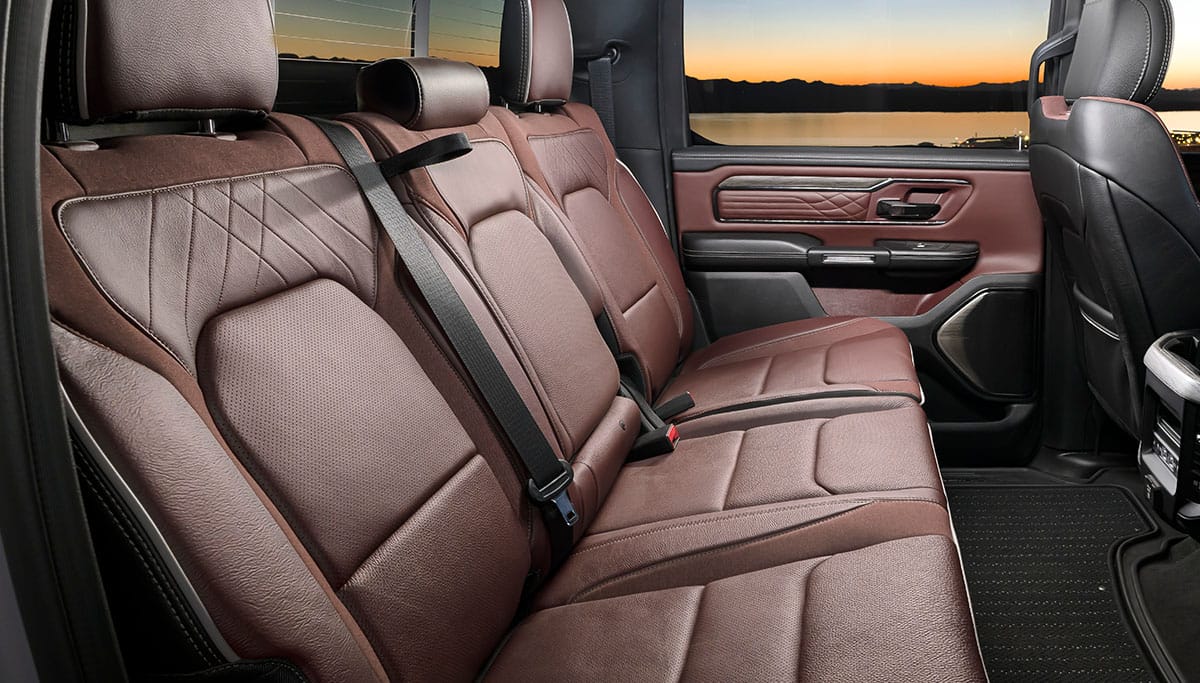
There’s a particular kind of comfort that doesn’t arrive with a single feature—it’s engineered into the whole atmosphere of a cabin. When the conversation turns to car seats, that atmosphere matters twice: once for the child inside, and again for the adult fastening, adjusting, and doing the calm contortions required by everyday life. The 2026 truck landscape has shifted its gravity toward family practicality, and the new era of crew cab ease is less about bravado and more about choreography—door openings, seat geometry, access points, and the quiet confidence that comes from knowing the next adjustment will be easier than the last.
This is a story about perspective. The same truck that once felt like a compromise now reads like a promise. Not because the world has become softer, but because manufacturers have started designing around the friction points parents actually feel. Let’s wander through the best 2026 trucks for car seats—focusing on crew cab ease, the practical luxuries that make securing children safer and faster, and the small details that turn “getting out the seatbelt” into a near-routine.
What “Crew Cab Ease” Really Means for Car Seats
Car seat fit isn’t just about whether the seat can be installed. It’s about whether the installation can be performed with steady hands, consistent angles, and minimal stress. Crew cab ease begins with usable space: enough room to approach the seat without becoming a human origami figure. It also includes door opening width, rear-seat access, and whether the front passenger seat slides and reclines in a way that truly creates a staging area.
A truck can look spacious on paper, yet still feel claustrophobic when the seat is bulky and the straps refuse to cooperate. The best 2026 crew cab designs treat the rear compartment as a functional work zone. Think of it as a small workshop where the tool is patience and the measurement is alignment.
Equally important is visibility. Parents often underestimate how much easier it is to confirm belt paths and check indicators when the view is clear and the seatback provides a reliable backdrop. Crew cab ease also includes thoughtful placement of anchors—those lower anchors and tether points should be reachable without dismantling your entire posture.
Behind-the-Driver Practicality: Access, Entry, and Exit
Consider the daily rhythm: door opens, child is guided, adult kneels or stands, seat checks happen, and then everyone has to repeat the ritual at the next stop. Crew cab ease shines when rear doors open wide enough to reduce the “wedge problem,” where the car seat base fights for clearance. Large openings matter, but so does the height of the floor and the angle of the seat cushion.
In the best 2026 trucks, rear entry feels less like climbing into an appliance and more like stepping into a measured, forgiving space. Floor design plays a role too. A lower floor—or one with a more even surface—makes it easier to anchor legs during installation. When parents can shift their stance without wrestling the body position, the installation process becomes smoother and more repeatable.
Then there’s the matter of front-seat adjustment. Trucks that allow meaningful front seat travel and provide adequate clearance for the center console area create a calmer environment. Calm is not a luxury when you’re managing safety checks. It’s a prerequisite.
Lower Anchors, Tethers, and the Accessibility Test
Every family car seat has its own personality. Some are compact and cooperative; others are tall, broad, and stubbornly technical. That’s why anchor accessibility is a litmus test. The best 2026 crew cab trucks make LATCH (and tether) points feel like they’re placed for real humans, not for diagrams.
Look for tether points that are easy to reach from the second row without contorting behind seatbacks. Many parents find that the most time-consuming part of installation is not threading the strap—it’s locating and tightening it with confident pressure. A well-designed anchor location reduces ambiguity. It also encourages proper tightening, which is where safety begins to feel less like guesswork.
Another nuance: clearance around the seat base. If a center hump interrupts the base position, it can lead to compromises. The easiest systems keep the seat track stable and ensure that the buckle and belt path don’t create unnecessary tension points.
Best-in-Class Comfort for Small Riders (and the Adult Who Adjusts)
Car seats require consistent placement, but children require comfort that can survive long drives. In 2026 trucks optimized for family use, comfort is built from multiple angles: seat fabric that holds up to frequent wipe-downs, cabin temperatures that respond quickly, and rear ventilation choices that reduce the “stuffy car seat” effect.
It’s also about ride smoothness. A softer, more controlled ride helps reduce unnecessary jostling. While car seat installation angle is critical, the driving environment influences how stable everything feels during turns and braking. The best crew cabs feel composed, not skittish.
Rear seat comfort for children includes more than padding. It includes legroom that grows with the child—enough space for the seat’s shell to avoid contact with the seat in front, and enough room for caregivers to reach without banging knees against hard surfaces. When rear passengers can settle comfortably, the cabin tone changes. That matters.
Seatbelt Routing and Buckle Placement: The Silent Decision-Maker
Parents rarely romanticize buckle placement, yet it quietly determines whether a seat feels “easy” in real life. The most user-friendly trucks position seatbelts so they don’t snag against the car seat shell. Buckles should be accessible but not buried in a way that forces removal of the seat to get a clean grab.
When a truck’s seatbelt geometry creates a smooth path, you spend less time correcting twists. Twists are small, but they can influence fit and tighten the parent’s shoulders like a vice. The best 2026 crew cabs behave predictably, making installation feel like a process with repeatable outcomes rather than a one-time success.
Also consider whether the rear belts provide adequate reach for different car seat sizes. A belt that’s too short complicates routing; a belt that’s too long can create slack where it shouldn’t exist. The ideal balance is subtle, but you can feel it the moment you finish tightening.
Rear-Seat Tech and Cabin Practicality for Modern Families
In the latest wave of 2026 trucks, rear-seat experience is increasingly treated as a first-class feature. Power outlets, USB connectivity, and climate controls aren’t just conveniences—they’re tools for reducing conflict. A calmer rear cabin decreases the frequency of urgent adjustments and frantic re-checking during travel.
Some families also benefit from rear-seat infotainment integration that supports entertainment without crowding around fragile gear. That’s not a trivial distinction. When devices are easy to mount and power is stable, the cabin becomes less cluttered, and car seat checks remain accessible.
Practical surfaces matter too. Wipeable materials, durable trim, and well-placed storage help reduce the pileup of bags near the seat area. Less clutter means less interference with tether straps, buckle access, and the caregiver’s workspace.
How to Choose the Right 2026 Crew Cab for Your Specific Car Seat
“Best” is never a universal word—it’s a personal fit. Before choosing a 2026 truck, consider the car seat model you already own, especially if you’re using a convertible seat or a combination seat. Height, width, and the location of belt paths determine whether a truck’s rear compartment feels friendly or stubborn.
Bring the seat to the dealership. Practice a test installation if allowed. Observe how much front seat movement is required, how your hands approach the tether, and whether the buckle creates an annoying obstacle. If you notice repeated friction during the first attempt, it won’t magically improve with experience. It might even worsen during a rushed weekday morning.
Also consider the number of seats. If you plan to fit multiple car seats, look for consistent spacing across the row. One tight position can force compromises that ripple through the rest of the installation. A crew cab that feels easy with one seat might become intricate with three—so evaluate your real configuration.
Why the 2026 Truck Perspective Feels Different Now
The shift in 2026 is not only technical; it’s philosophical. Trucks are being designed with the daily realities of family life in mind: the physical choreography of installation, the need for fast, confident checks, and the desire for a cabin that supports rather than frustrates. In older generations, rear seating was often an afterthought. Now it’s increasingly treated as a living space where safety and comfort must coexist.
That’s the promise behind the best 2026 trucks for car seats—crew cab ease as a system, not a slogan. The cabin offers access, the geometry supports correct fit, and the details reduce cognitive load. Parents don’t just want a place for a child to sit. They want a place where safety is accessible, repeatable, and realistically manageable.
Final Thoughts: A New Kind of Confidence for Everyday Miles
When you choose a crew cab with genuine car-seat compatibility, you’re not just selecting a vehicle—you’re choosing a smoother ritual. The best 2026 trucks invite a shift in perspective: from “Will this work?” to “This will be easier than I expect.” They make the work of keeping children secure feel less like a challenge and more like a calm routine.
Travel will still bring surprises—traffic, weather, errands that multiply. But the car seat experience doesn’t have to add tension. With the right 2026 crew cab, the cabin becomes a dependable stage, and safety turns from a moment of stress into a confident, everyday certainty.