Owning a 2026 Mercedes-Benz is a bit like keeping a finely tuned instrument in the house. It doesn’t simply “run”—it performs. And just as a violin demands occasional bowing adjustments and careful storage, your Mercedes requires maintenance that respects its engineering temperament. The question most drivers ask is not whether maintenance is necessary, but what the costs will feel like when reality meets the invoice.
In 2026, maintenance costs for Mercedes-Benz vehicles tend to be shaped by three forces: the vehicle’s technology density, the brand’s premium labor and parts ecosystem, and the subtle, sometimes stealthy ways wear advances—quietly at first, then all at once. This article walks through what you can expect, where costs typically come from, and how to anticipate them with confidence. Think of it as building a map before the drive begins.
Why 2026 Mercedes Maintenance Can Feel Different
Not all cars age the same way. A Mercedes-Benz is designed with a high level of integration: sensors that watch the road like vigilant sentries, control modules that coordinate engine and driveline behavior, and electronics that treat efficiency as a craft. When something needs attention, the “something” is rarely a single component. It’s often a system relationship—one part interacting with another, like dancers responding to the music.
That systems approach affects cost in two primary ways. First, diagnostic time can be longer because technicians use manufacturer-guided procedures and scan tool workflows. Second, parts can be more specialized. Even routine items can be more expensive than what you’d find on a mainstream vehicle, particularly when they include premium materials or advanced designs.
Still, there’s a unique appeal here. You’re not just paying to repair. You’re paying to preserve an experience: smooth power delivery, composed ride dynamics, and that hallmark Mercedes sense of coherence—where everything feels connected.
Labor Rates: The Hidden Rhythm of the Invoice
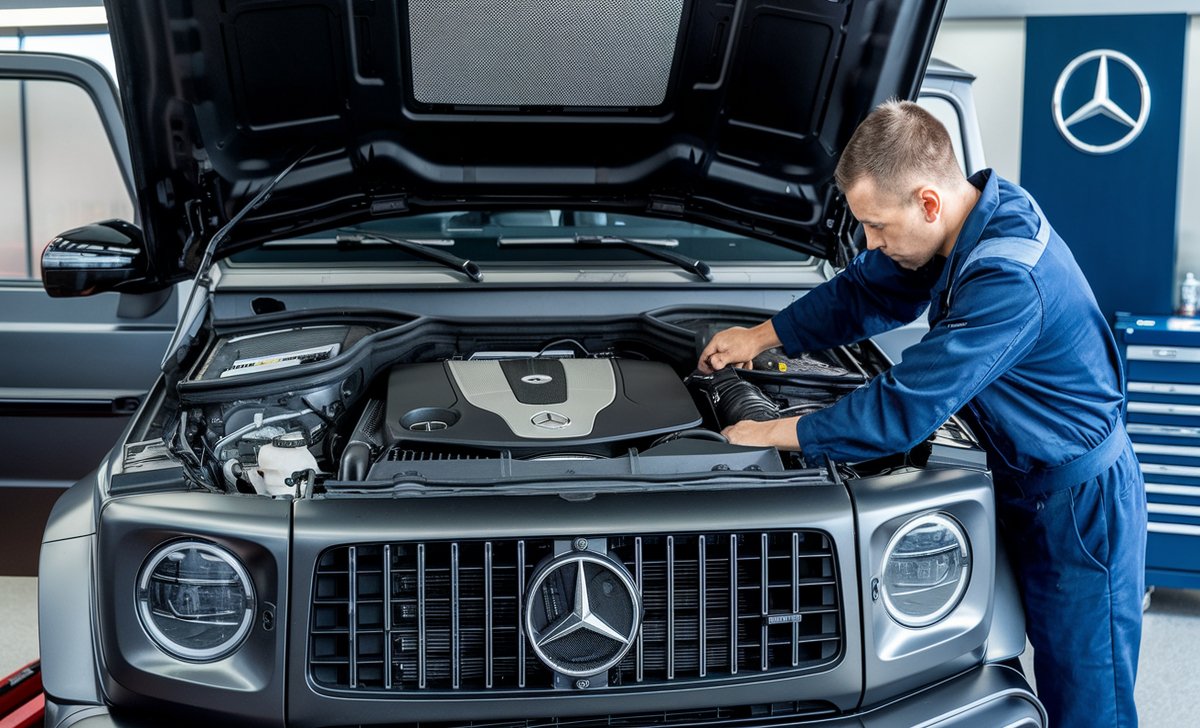
Labor is often the most noticeable line item, and it’s also the one drivers underestimate. Two cars with the same “service” can produce different labor charges because Mercedes service procedures can require specific sequences, calibrations, and verification steps after work is completed. A brake job isn’t merely about replacing pads; it may include checks, sensor verification, and sometimes software-associated procedures depending on model and brake system configuration.
Labor rates can vary by region, by shop reputation, and by whether you choose a dealer or an independent Mercedes-capable facility. Dealers frequently lead on access to factory tools and exact service documentation. Independent shops, when properly equipped, can offer substantial savings, particularly on straightforward services like fluid exchanges or filter replacements.
To keep costs from feeling like a sudden storm cloud, ask about the estimate breakdown: how many hours the shop expects, what those hours cover, and whether any additional diagnostics are likely. A thoughtful shop will discuss contingencies without alarmism.
What “Scheduled Maintenance” Commonly Includes
For a 2026 Mercedes-Benz, scheduled maintenance typically centers on wear items and system health checks. You can expect service intervals to include engine-related tasks—like oil service and filter replacement—as well as cabin and driveline upkeep depending on your model.
Common recurring maintenance categories often include:
• Engine oil and filter service: Essential for protecting internal components and maintaining efficiency.
• Air filtration: Critical for engine breathing and long-term performance.
• Brake inspections and hardware checks: Including pad thickness, rotor condition, and electronic brake system status.
• Tire rotations and alignment considerations: Alignment helps tires wear evenly, and uneven wear can quietly inflate costs.
• Cabin air filters: Beneficial for air quality and HVAC performance.
• Coolant and fluid monitoring: Maintenance is as much about preventing future problems as fixing present ones.
Some owners also consider maintenance plans. A maintenance plan can smooth out the financial curve, converting uncertainty into predictable payments. It’s a bit like using a monthly insurance blanket against the next “surprise” service visit.
Technology and Diagnostics: When the Cost Comes From Complexity
Modern Mercedes vehicles are equipped with systems that constantly monitor conditions—engine parameters, emissions components, braking performance, and a variety of driver-assist functions. If an alert appears, the repair path can shift from “replace a part” to “investigate a chain of signals.”
Diagnostic work can be expensive when software checks reveal root causes that are not visually obvious. For instance, a warning light might be triggered by a sensor reading that appears unrelated to the actual failure. Technicians often need time to confirm whether a component is faulty, whether wiring or connectors are compromised, or whether software calibration is necessary.
This is where the unique appeal of Mercedes maintenance shows itself—problems are not treated casually. The process tends to be methodical. While that method can cost more upfront, it can prevent repeat repairs, which often cost far more over time.
Brakes, Tires, and Suspension: The “Contact Patch” Story
Mercedes driving dynamics are engineered for composure. That composure demands components that can handle both comfort and confidence. Brakes and tires may therefore feel like a recurring “seasonal expense,” especially if you drive in heavy traffic or frequently handle variable weather conditions.
Brakes: Costs can vary based on whether you need pads only, rotors, sensors, or additional hardware. If the vehicle uses advanced brake systems, labor and parts pricing can rise.
Tires: Tire replacement often becomes a bigger budget conversation than owners expect. Premium tires cost more, and performance-focused models may wear faster depending on driving style and road conditions. The best strategy is consistency: rotate on schedule and keep alignment within specification.
Suspension: Road impacts can gradually stress bushings, links, and shock components. These parts don’t always fail suddenly. They age like a quiet melody turning slightly off-key—noticeable only when you look back and realize the ride feels less precise.
Engine and Drivetrain Maintenance Costs: Protecting the Core
Engine health is the foundation of overall cost. Oil service quality matters because it reduces internal wear and helps prevent sludge accumulation. Fluid checks also play a major role—transmission fluid condition, for example, can influence shifting smoothness and long-term durability.
If your 2026 Mercedes includes additional advanced systems—such as complex cooling arrangements, turbocharging components, or emissions-related hardware—maintenance and repairs can scale accordingly. In many cases, early attention prevents escalation. A small issue caught at the inspection stage can be far less expensive than waiting until it becomes a performance or emissions concern.
Think of the drivetrain like a watch mechanism. Lubrication and proper temperatures keep everything moving with dignity. Neglect is what turns dignity into friction.
Prepaid Maintenance and Service Plans: A Financial Weather Forecast
For some owners, prepaid maintenance offers relief from the psychological strain of “what might happen next.” It’s not only about saving money; it’s about reducing mental clutter. When maintenance timing aligns with your plan, you’re less likely to defer service due to short-term budget pressure.
A good plan typically covers defined services during specific intervals. Always verify coverage details: what fluids are included, which filters are covered, whether brake service is included, and how service documentation is handled. A plan can be an elegant solution, but only if the fine print matches your driving reality.

How to Control Costs Without Cutting Corners
Cost control is possible, but it should be strategic rather than reactive. Start with the basics: follow the scheduled maintenance calendar, use quality replacement parts when repairs become necessary, and choose a service provider that can explain recommendations clearly.
Consider these practical steps:
• Request a detailed estimate: Hours, parts, and diagnostic fees should be transparent.
• Ask what’s mandatory vs. optional: Some recommendations are preventive; others are urgent.
• Keep records: Service history helps with future repairs and resale confidence.
• Monitor tire wear and driving habits: Avoid aggressive starts and maintain proper tire pressure.
• Don’t ignore early warnings: Addressing minor issues early often prevents expensive escalation.
In a way, maintenance planning is a form of respect—for the engineering, for your time, and for your long-term ownership costs. The Mercedes experience is too refined to treat it like a gamble.
Budgeting for the Unexpected: The Long View
Even with immaculate care, unexpected repairs can still occur. Electrical components, sensors, and modules can eventually require attention as vehicles age and mileage accumulates. The best defense is preparation: set aside a maintenance reserve and treat inspections as early warning systems rather than inconvenient chores.
Over the long view, owners who stay proactive often find that their total cost of ownership feels calmer. Repairs are less frequent, and when they do happen, they’re more likely to be addressed at an earlier stage.
What Maintenance “Feels Like” When It’s Done Right
When your 2026 Mercedes is maintained properly, you feel it immediately. The steering feels composed. The braking response feels confident. The cabin climate behaves predictably. Even small details—like smoother acceleration and quieter engine operation—become noticeable because the vehicle is no longer compensating for aging wear.
This is the unique appeal: maintenance is not just a cost. It’s an investment in continuity. Your Mercedes remains a coherent machine rather than an increasingly fragmented collection of symptoms.
Conclusion: A Premium Journey, Budgeted with Intention
2026 Mercedes-Benz maintenance costs reflect the vehicle’s sophistication. Labor and parts can be higher than you might expect, but the cost logic is rarely arbitrary. It’s tied to diagnostics, precision procedures, and premium components designed to deliver an elegant driving experience.
If you plan ahead—schedule service on time, ask for clear estimates, consider prepaid options when they align with your needs, and address issues early—you can transform maintenance from a looming expense into a controlled, deliberate rhythm. Your Mercedes will continue to feel like a finely tuned instrument, ready to perform whenever the road asks for it.