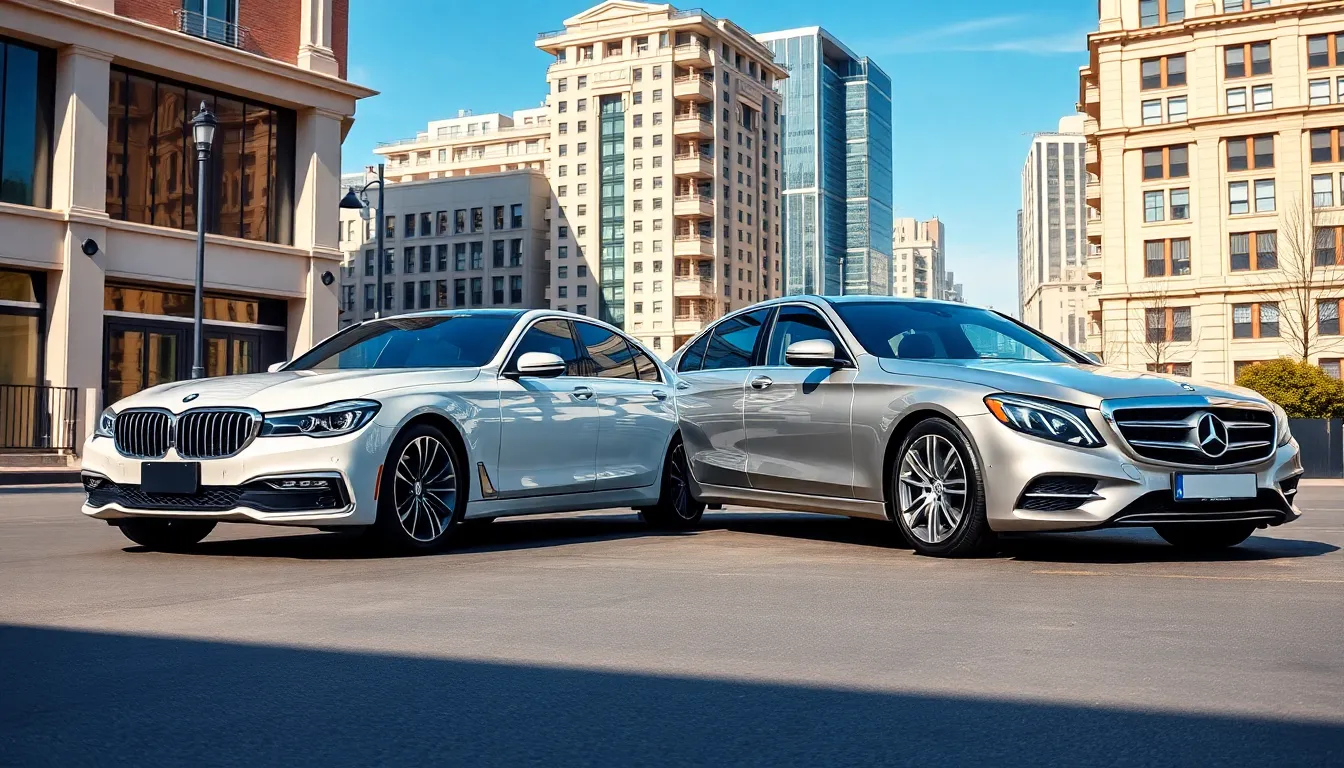
In Germany, luxury isn’t merely an accessory—it’s a craft tradition, sharpened like a blade and polished until it gleams in the right light. When you place BMW and Mercedes-Benz side by side, you’re not just comparing cars. You’re comparing temperaments. One brand often feels like a conductor—hands poised, guiding every note toward velocity and precision. The other can resemble a grand lounge architect—quietly arranging comfort, safety, and prestige until the journey feels inevitable.
So, which German luxury titan wins? The answer doesn’t live in a single spec sheet. It lives in your expectations: whether you crave the thrill of a taut steering wheel or the reassuring stillness of an executive cabin. Let’s take the scenic route through design philosophy, performance character, technology, comfort, brand identity, and long-term ownership—until the winner becomes clear, or at least unmistakably personal.
Design Philosophy: The Blade vs. the Velvet
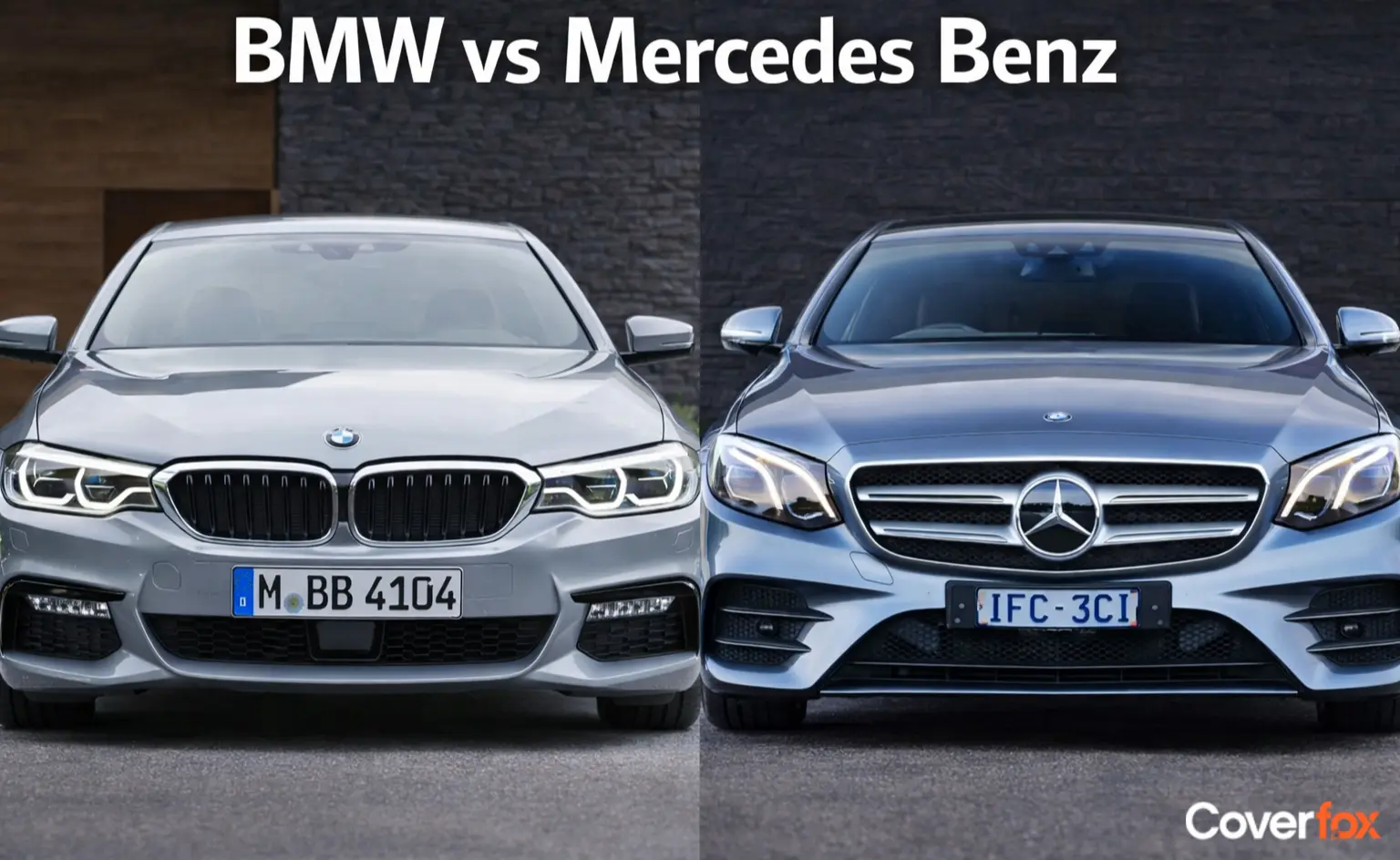
BMW’s styling typically arrives like a confident statement—athletic proportions, sculpted lines, and an energy that looks ready to spring forward even at a standstill. Imagine a blade forged for both elegance and function: sleek, purposeful, and inclined toward motion. The signature kidney grille often reads as iconic rather than decorative, as if it were engineered for presence.
Mercedes-Benz, by contrast, frequently presents itself with a different kind of magnetism. Its aesthetic leans toward the ceremonial—chrome accents, a poised silhouette, and interiors that feel curated like a museum gallery. If BMW is the blade, Mercedes can feel like velvet over iron: soft in tone, still formidable underneath.
In real ownership, these design differences can shape how you feel each time you enter the car. One brand can make you want to drive. The other can make you want to arrive.
Performance Character: Driving Chemistry vs. Commanding Smoothness
BMW’s performance identity is often described with vivid metaphors: connected, agile, driver-focused. Many models are tuned to reward intent. The steering can feel like a conversation—subtle feedback flowing back to the driver, helping you anticipate grip before you even realize you’re anticipating it. Acceleration, too, tends to feel theatrical, like the car is responding to your mood rather than merely your pedal input.
Mercedes-Benz performance frequently pursues a different target: effortless authority. Power is delivered with a sense of inevitability, as if the car’s engines are rolling a heavy curtain aside to reveal speed that was always there. The ride often emphasizes refinement, and the transition between modes can feel like moving from one room of a well-designed palace to another—smooth, composed, and never jarring.
Neither approach is “better” in the absolute. It’s a question of what kind of thrill you consider meaningful. BMW may win hearts for dynamic engagement; Mercedes may win minds for smooth mastery.
Engine Lineups and Transmission Tuning
Both brands offer compelling powertrains—turbocharged configurations, hybrid options, and performance trims that amplify the brand’s signature. Yet the tuning philosophy diverges. BMW often prioritizes responsiveness and driver involvement, aiming for crisp throttle mapping and balanced weight transfer. Mercedes typically emphasizes seamlessness, striving for minimal drivetrain drama and consistent refinement even when conditions turn chaotic.
Pay attention to transmission behavior. BMW’s gear changes in many models are tuned to feel deliberate and sporty, with the sensation that the car is anticipating your desire to accelerate. Mercedes gear logic often feels calmer, designed to reduce the perception of mechanical transitions while preserving performance capability.
Choose the brand whose mechanical personality matches your daily rhythm.
Technology and Infotainment: Interface vs. Atmosphere
Modern luxury is also about what happens when you stop looking at the road and start living in the cabin. BMW and Mercedes both bring advanced infotainment systems, digital displays, and driver assistance features. However, their “feel” can be distinctly different.
BMW’s digital experience often reads as functional and driver-centric—information presented in a way that supports motion. It can feel like a cockpit dashboard designed for purposeful navigation of speed, traction, and route. The user interface tends to feel engineered for quick interaction.
Mercedes-Benz technology frequently leans toward ambience and ease. The systems are often integrated with a sense of orchestration—like the cabin is managing itself for you. Interfaces can be intuitive, and the overall digital experience may feel more like a control center for comfort rather than a cockpit for performance.
If you like technology that supports driving decisions, BMW may feel more natural. If you want tech that enhances relaxation, Mercedes may feel like a silent concierge.
Comfort and Ride Quality: Athletic Calm vs. Executive Serenity
Comfort is where perceptions sharpen. BMW can deliver impressive ride compliance, especially in higher-end trims with adaptive suspension. Yet the brand’s suspension tuning frequently maintains a sporty edge—composure with a pulse. The car may absorb bumps without losing too much of its ability to feel planted.
Mercedes typically pursues an unmistakable goal: serene containment. The ride can feel composed over uneven pavement, as if the cabin is insulated from the world by a carefully tuned cushion of stability. Noise levels and suspension damping often aim for a “library quiet” effect, particularly at highway speeds.
Think of BMW comfort as athletic calm. Think of Mercedes comfort as executive serenity. One steadies you through action; the other lets you dissolve into the journey.
Safety and Driver Assistance: Confidence Through Calculation
Both brands invest heavily in advanced driver assistance systems, from adaptive cruise control to lane-keeping, parking assistance, and collision mitigation. The difference tends to be in how the systems communicate and how smoothly they operate within the driving environment.
BMW often focuses on integration that feels responsive and predictable—systems that support the driver without overwhelming the sensation of control. Mercedes often emphasizes caution and stability, striving for a refined, confidence-building behavior that reduces stress when situations get complicated.
Ultimately, safety isn’t just a feature list. It’s how the car behaves during the moments you’d rather not rehearse—rain-slick corners, sudden braking, confusing traffic flow. The “best” system is the one that feels trustworthy in your hands.
Interior Materials and Craftsmanship: Precision Stitching vs. Grand Detailing
Step inside and the brands tell their story with texture. BMW interiors often highlight precision: strong ergonomics, supportive seats, and a driver-focused layout. Materials can feel tactile and tightly assembled, with a modern sensibility that aligns with performance credibility.
Mercedes interiors frequently embody grand detailing. Stitching, trim choices, lighting atmospheres, and seat comfort can create an effect akin to a luxury lounge on wheels. Even when the road is rough, the interior atmosphere often aims to remain composed, making time feel slower and more civilized.
Consider your preferences: Do you want the cabin to feel like a cockpit that enhances skill? Or a sanctuary that elevates comfort?
Brand Identity and Ownership Experience: Heritage vs. Authority
Brand identity shapes ownership beyond the driveway. BMW can feel like a promise of self-expression through driving—an invitation to enjoy the act of steering, accelerating, and choosing a route that feels rewarding. Many drivers describe their BMW as an extension of their personality: energetic, direct, and spirited.
Mercedes-Benz can feel like an emblem of authority and tradition. It often attracts buyers who value prestige, refinement, and the reassurance of a well-established reputation. The brand identity can make the car feel like a status symbol without needing to shout.
Ownership experience also includes service expectations, resale confidence, and how the car’s character matures over time. The “winner” for you may be the one that supports your lifestyle, not merely your preferences.
Which One Wins? The Honest Verdict
If your dream includes dynamic engagement, razor-edged steering feedback, and a driving experience that feels alive, BMW often wins the emotional contest. It’s the brand that treats the road like a collaborator.
If your dream includes quiet confidence, plush refinement, and comfort that feels like a deliberate design philosophy, Mercedes-Benz often wins. It’s the brand that treats the journey like a ritual.
In truth, both are exceptional. They simply compete on different metaphysical terms. BMW asks, “How does it feel to drive?” Mercedes asks, “How does it feel to live inside the moment?”
Outro: Your Preference Is the Trophy
Choosing between BMW and Mercedes-Benz is less about declaring a universal champion and more about selecting the kind of luxury you want to carry daily. One offers the sharpened elegance of motion; the other offers the stately warmth of comfort. The German luxury ring doesn’t end with a knockout—it ends with a mirror.
Drive both if you can. Notice your posture when you sit down. Listen to how the cabin hushes the world. Feel how the steering communicates. Then decide. In the end, the winner is the brand that makes you forget the comparison while you’re enjoying the drive.