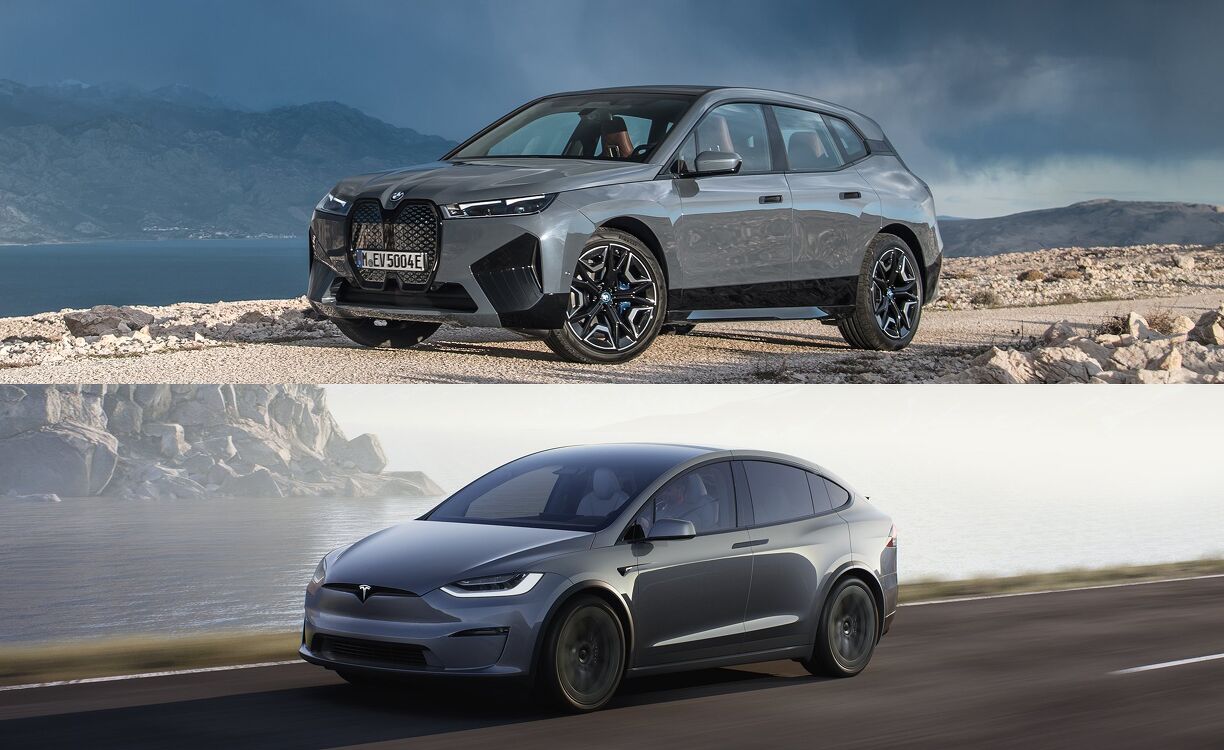
Three electric luxury SUVs sit on the starting line, gleaming like well-polished instruments: the BMW iX, the Rivian R1S, and the Tesla Model X. But here’s the playful question that makes the choice interesting—when you step out of one driveway and into another, which one actually feels like your life, not just your transportation?
Now for a potential challenge: pick the one that best balances “driverly delight,” “adventure-ready usability,” and “future-proof software,” all without turning your daily routine into a tech support hotline. Easy, right? Not so fast. These three vehicles are excellent—yet they choreograph luxury in strikingly different ways.
First Impressions: Sculpted Presence vs Adventurous Bulk
The BMW iX arrives with a confident, architectural stance. Its silhouette looks intentionally engineered, not merely styled. You can almost feel the aerodynamic intent in every contour. Short overhangs, a wide stance, and a sense of calm authority make it feel like a rolling gallery piece.
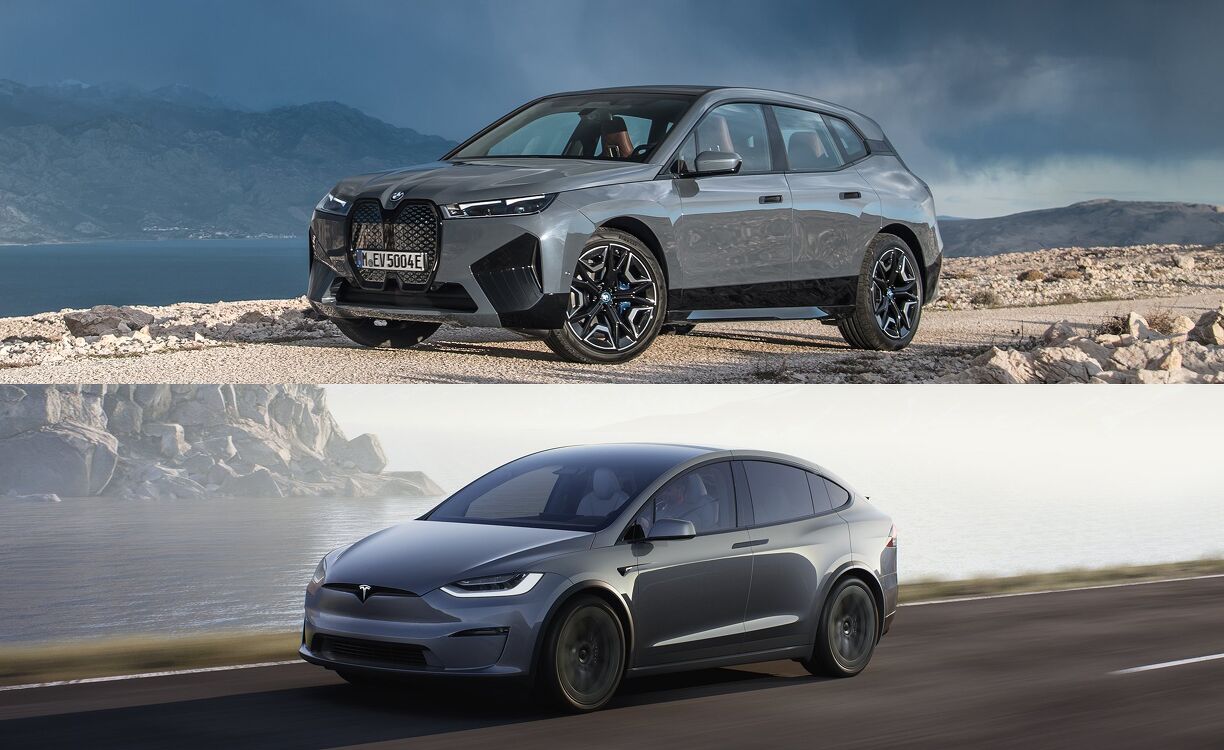
The Tesla Model X takes a different approach: a more expressive, headline-friendly presence. It’s the SUV that turns parking lots into conversation arenas. The Falcon Wing doors aren’t just a feature—they’re a small spectacle that makes every arrival feel staged, even when you’re simply grabbing groceries.
The Rivian R1S straddles the line between refined and rugged. It looks capable in a way that doesn’t require a trailer to prove itself. Think “luxury campfire” rather than “luxury boardroom.” It’s designed for outdoors-minded drivers who still want comfort that doesn’t quit after a long day.
Cabin Atmosphere: Minimalist Serenity, Tech Theater, or Adventure Comfort
Inside, the iX leans toward modern minimalism with a touch of Bavarian refinement. Materials and layout suggest deliberation rather than flash. The cabin feels designed to reduce sensory noise. It’s the kind of environment where your thoughts have room to breathe.
In the Tesla Model X, the cabin is a software-forward cockpit. The UI becomes your command center, and the driving experience can feel like you’re piloting a high-tech lounge. Some find it brilliantly intuitive; others consider it a deliberate shift away from traditional controls. Either way, it’s never dull.
The Rivian R1S delivers comfort with a practical spine. It’s less about digital dominance and more about usability. Seating positions, storage solutions, and the general sense of “bring your world with you” make it feel like a vehicle you’ll actually rely on—whether that means hauling gear, planning weekend escapes, or simply making life easier.
Driving Dynamics: The “Driverly” Equation
The BMW iX aims squarely at composed handling and refined steering feel. Even if electric torque is already doing half the work, the iX tries to provide a coherent sense of poise. It’s about balance—road manners that feel expensive in the quiet moments, not only during hard acceleration.
The Tesla Model X emphasizes instant response and smooth power delivery. It can feel effortless, almost too easy, the kind of acceleration that makes traffic disappear like stage curtains. The tradeoff is that its personality leans more toward traction and velocity than the nuanced choreography many associate with BMW.
The Rivian R1S feels more like a capable partner than a road-focused athlete. It’s eager, sure—but it’s tuned for versatility, including varied terrain expectations. If your routes include rougher roads or you treat “off the pavement” as a frequent subplot, the R1S tends to feel naturally suited.
Range and Charging: Real-World Logistics Over Marketing Poetry
All three vehicles are built for electric life, but the details matter. Range isn’t just a number—it’s a planning behavior. Consider temperature tolerance, driving style, speed, and how your daily schedule intersects with charging availability.
The Tesla ecosystem is widely recognized for efficient routing and charging network access. That can reduce friction, especially for long-distance trips. Tesla owners often talk about the convenience as much as the vehicle itself.
BMW brings a polished charging mindset, often focusing on integration and usability. The experience can be streamlined, but how seamless it feels depends on your local infrastructure.
Rivian’s approach is geared toward adventure practicality. Charging planning still matters, of course—but if your priorities include expedition-ready utility, you’ll likely appreciate how the R1S frames the journey as part of the destination.
Utility and Practicality: Who Carries Your “Life Stack” Best?
Utility is where this contest becomes fascinating. The Model X is known for flexibility, including its distinctive door design that can make loading in tight spaces feel dramatically easier. It’s a luxury convenience feature that turns “awkward parking” into a non-issue—sometimes literally.
The BMW iX is more about refined comfort and tidy usability. Storage is handled thoughtfully, but it’s not always framed as an “anything goes” mission vehicle.
The Rivian R1S leans into the idea that luxury and capability can share the same seat. Roof rack compatibility, gear-friendly layout, and a general outdoors-first mindset mean it’s easier to imagine the R1S as the vehicle that transports both people and plans.
Here’s the challenge embedded in this section: pick one week where your calendar is unpredictable—then ask which SUV makes improvisation feel effortless instead of annoying.
Technology and Software: Navigation, Driver Assistance, and Daily Convenience
Technology is where the Model X often feels most dominant. Its software ecosystem updates can evolve the vehicle’s capabilities over time, and the interface tends to keep drivers engaged. It can feel like the SUV is learning with you—whether you’re configuring settings or managing trip planning.
The BMW iX offers a strong blend of driver assistance and infotainment. BMW typically targets clarity and ergonomics, aiming for a “control room” experience that feels stable and intuitive rather than flashy.
Rivian’s tech emphasizes functionality with a friendly, outdoors-compatible sensibility. The experience aims to be useful rather than ornamental. For drivers who prefer straightforward controls with minimal fuss, that philosophy can be a major advantage.

Comfort, Space, and Seating: The Long-Trip Reality Check
Luxury SUVs are judged by what happens after the novelty fades—when you’ve been driving for hours, when you’ve made a few stops, and when the cabin becomes your temporary home.
The iX generally prioritizes a smooth ride and quiet composure. It’s designed to make distance feel less demanding, with comfort that feels intentional.
The Model X can be extremely comfortable, and it often shines in the “arrive in style” moments. Seating comfort and cabin layout typically satisfy families and frequent travelers, particularly because it’s easy to manage entry and exit.
The R1S tends to excel at comfort for varied lifestyles. It’s especially compelling for those who want space for people and gear without sacrificing the homelike feel of a properly appointed interior.
Safety and Confidence: The Invisible Quality
Safety is rarely romantic, but it is deeply emotional. The best safety systems don’t announce themselves—they quietly reduce stress. Each of these SUVs offers modern driver assistance features, but how they feel in daily use depends on calibration, visibility, and the behavior of the vehicle in mixed driving conditions.
Think about your own routes: highways, city streets, construction zones, and weather patterns. The “best” safety experience isn’t universal. It’s personal. Choose the one that makes you feel less tense, not more vigilant.
The Value Story: Cost of Ownership and Ownership Confidence
Value includes purchase price, incentives, charging costs, insurance variability, and maintenance expectations. Electric vehicles compress many traditional service requirements, but the ownership story still varies by brand ecosystem and part availability.
Tesla often benefits from broader charging infrastructure familiarity, which can indirectly influence trip costs and planning ease. BMW can provide a more conventional ownership framework with premium service perception. Rivian’s value proposition frequently lands in the form of capability-per-dollar, especially for drivers who actually use the vehicle’s versatility.
Here’s a gentle warning: don’t just compare sticker prices. Compare the experience you’ll live with—week after week, season after season.
Which One Should You Choose? A Practical, Playful Verdict
If you want an electric luxury SUV that feels like refined engineering made visible, the BMW iX is a compelling choice—especially for drivers who appreciate composure and thoughtful design.
If you want tech-forward excitement, convenient loading magic, and the sense that the vehicle is continuously improving, the Tesla Model X is hard to ignore.
If you want luxury with an adventure spine—space for people, plans, and gear—the Rivian R1S tends to feel like the vehicle built for real-world variety.
So, back to that opening question: which one matches your lifestyle, not your fantasies? Pick the SUV that makes your hardest week feel manageable—and your everyday routine feel pleasantly effortless.
Final Thought: Your Journey Deserves the Right Personality
BMW iX, Rivian R1S, and Tesla Model X are all excellent electric luxury SUVs, but they don’t share the same soul. The iX is composed and elegant. The Model X is theatrical and software-driven. The R1S is practical, capable, and adventure-ready.
Choose the one whose personality syncs with your life—because the best luxury isn’t only what you see. It’s what you feel, repeatedly, every time you turn the key and roll forward.