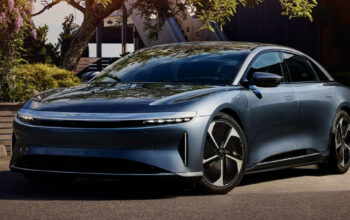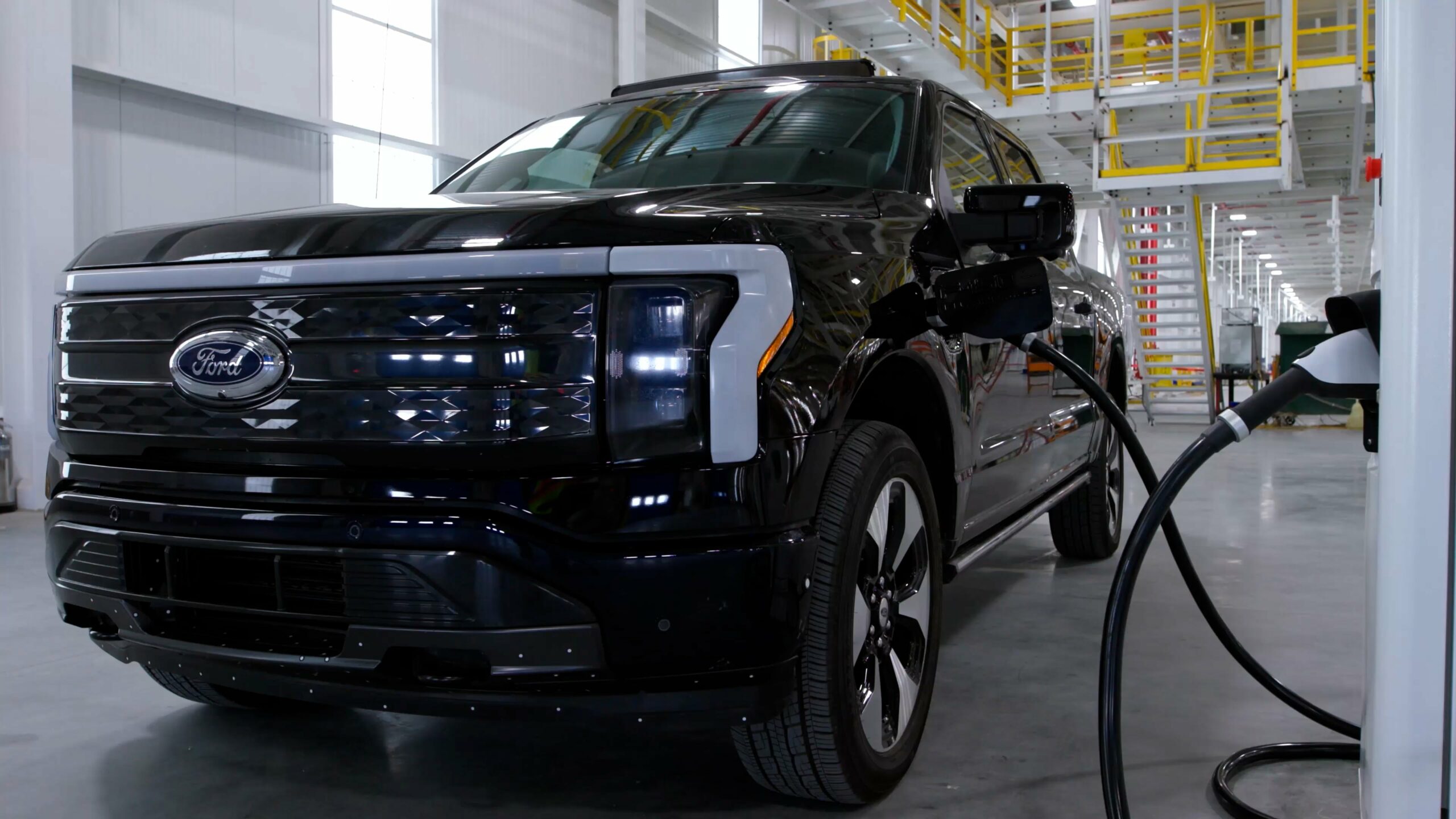
What if your next commute could be a little electric, a little adventurous, and still benefit from a familiar federal perk? In 2025, that sounds almost like a riddle—yet it’s a riddle with a practical punchline. The $7,500 federal tax credit for eligible plug‑in hybrids (and certain other clean vehicles) has become the kind of incentive that rewards curiosity. But there’s a catch. Eligibility is not a universal handshake; it’s more like a key-and-lock ritual involving battery capacity, purchase timing, final vehicle configuration, and the rules that govern how the credit is calculated.
So here’s the playful question to start: Are you ready to play “Tax Credit Detective” before you sign? Because the potential challenge in 2025 isn’t finding a plug‑in hybrid—it’s confirming that the one you’re eyeing is still eligible for the $7,500 federal tax credit. One wrong assumption can turn a promising deal into a disappointing footnote. Let’s walk through the landscape carefully, with enough detail to keep your momentum intact.

Why plug‑in hybrids in 2025 still matter
Plug‑in hybrids occupy an intriguing middle ground: they can run electrically for short-to-moderate distances, then switch to gasoline when you need extra range. That dual-mode flexibility is a comfort blanket for drivers who aren’t ready to fully electrify every errand. It’s also a strategic bridge—technologically, financially, and emotionally.
In 2025, many shoppers are balancing everyday practicality with the desire for cleaner driving. A plug‑in hybrid can reduce tailpipe emissions in routine scenarios, especially when charging habits are consistent. And yes, the potential $7,500 federal tax credit can act like a turbocharger for affordability—if the vehicle meets the specific eligibility criteria.
The challenge is that “plug‑in hybrid” is a category, but “eligible for $7,500” is a narrower club. Joining it requires matching the vehicle’s technical profile to the program’s requirements.
The $7,500 credit: what it really depends on
The federal tax credit isn’t simply “available” because a car can plug in. The amount and availability depend on how the vehicle is structured and what the law requires in that tax year. For 2025 shoppers, the critical idea is straightforward: the credit is tied to a vehicle’s qualifications, and those qualifications are determined by the vehicle’s battery-related and manufacturing-related characteristics.
Think of it as a checklist with quiet, but consequential, clauses. Battery capacity thresholds matter. Vehicle eligibility is influenced by whether it’s considered a plug-in hybrid that qualifies under the credit’s framework. Additionally, the tax credit can be limited by phase-out rules or eligibility caps that apply over time. Even if a model name sounds identical year after year, eligibility can change based on updated configurations.
That means your decision shouldn’t rely on a headline like “up to $7,500” without verifying “up to $7,500 for this exact trim, this model year, and this purchase timing.” Short sentences. Big stakes.
Battery capacity and electric-range reality checks
To understand eligibility, you need to understand the battery story. Plug‑in hybrids typically qualify—or fail to qualify—based on their battery capacity and how that capacity translates into electric-only driving performance. The battery is not merely an accessory. It’s the engine of both electrification and credit eligibility.
A key practical question: does the car’s electric range align with your life? If your daily routes are mostly within electric-only territory, you’ll likely capture meaningful benefits. But even if your usage pattern fits perfectly, the vehicle must still satisfy the federal requirements. So the electric range you want is one axis; eligibility is another.
Here’s a subtle twist: sometimes the “best deal” on paper isn’t the one that maximizes real-world electrical miles. Another model might qualify more cleanly while offering electric capability that suits your routine better. That’s the kind of tradeoff that turns a straightforward purchase into a small strategy session.
How to verify a 2025 plug‑in hybrid’s eligibility before you buy
Now the potential challenge becomes concrete. Before you commit—before the paperwork is signed—verify eligibility for the federal credit for the exact vehicle and trim you’re considering. This is not bureaucratic theater. It’s risk management.
Start with the vehicle’s model year and trim, then confirm the battery-related details that tie into eligibility. If a dealer offers reassurance, ask for specificity. Ask: “Which exact configuration qualifies for the $7,500 credit in 2025?” Then request documentation or a clear reference that reflects the current rules for that specific vehicle.
Also, consider timing. The rules can evolve. Eligibility can depend on calendar-year changes. Your purchase date can be the difference between “credit” and “no credit.” Short sentence again: don’t assume continuity.
State incentives: the bonus layer (and the complication)
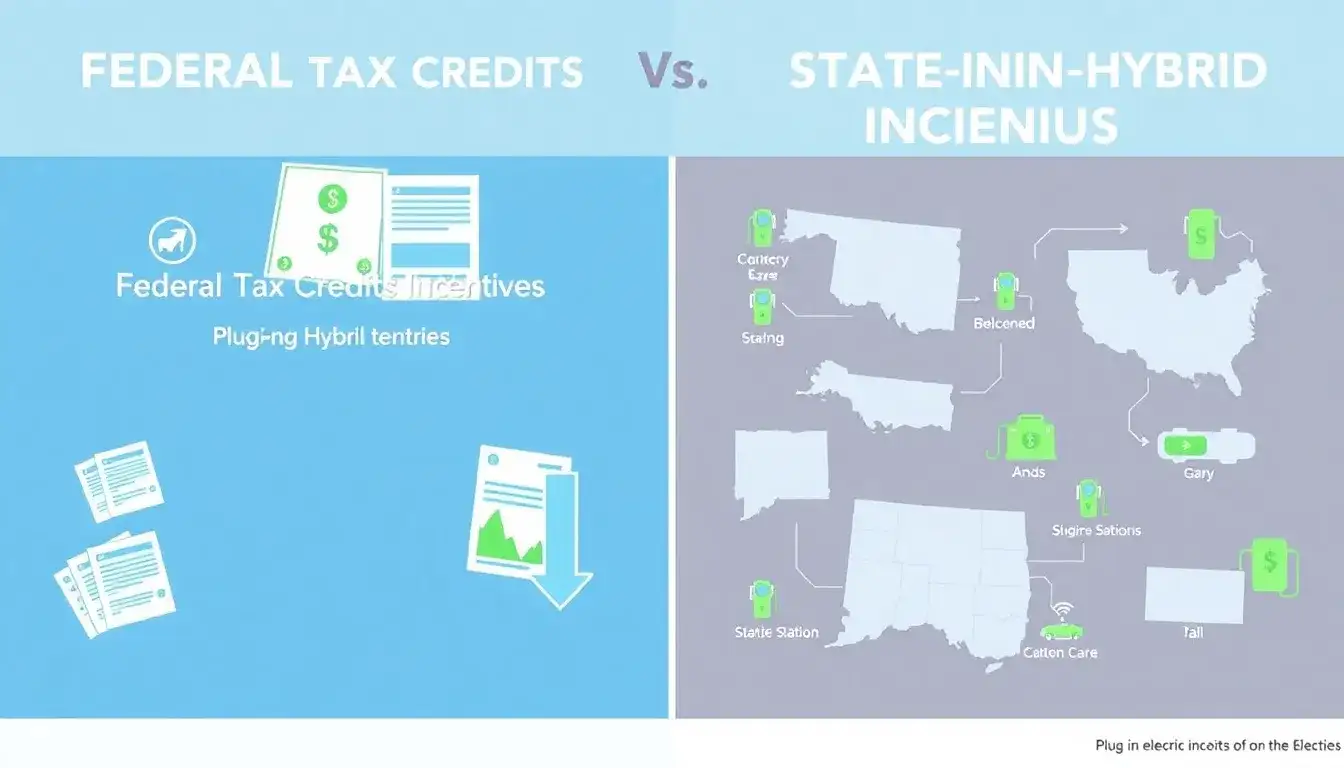
Federal credit eligibility is only one layer of the incentive stack. Many states offer additional incentives—rebates, exemptions, grants, or perks like reduced registration fees. These benefits can dramatically improve the effective price, but they may depend on state residence, vehicle class, income rules, or even charging requirements.
So your negotiation isn’t only with the dealership; it’s with multiple incentive ecosystems. The federal credit may be a national baseline, but state programs can be patchwork quilts—each section stitched differently.
The clever approach is to treat incentives like a portfolio. Confirm federal eligibility for the exact 2025 plug‑in hybrid you want. Then check whether your state layers on additional benefits. If your state incentives are conditional, you’ll want to know the conditions before you fall in love with a particular vehicle configuration.
Tax liability realities: the credit’s practical effect
Another nuance deserves attention. A tax credit reduces tax liability, which means your actual benefit can depend on your tax situation. For some buyers, the credit can meaningfully offset taxes. For others, the value might be partially limited if tax liability isn’t high enough to absorb the full credit amount.
This is why a “yes” on eligibility should be followed by a “how much does it mean for me?” calculation. It’s not about getting overly technical. It’s about aligning expectation with outcomes.
And if you work with a tax professional, that conversation can be surprisingly clarifying—especially if you’re combining federal credits with state incentives or other deductions.
Common pitfalls that cost shoppers the $7,500
Here’s where even diligent buyers can trip. One pitfall is relying on model-level eligibility instead of trim-level specifics. Another is assuming that because the car is eligible in one year, it automatically remains eligible in 2025. Incentives can shift with updated vehicle configurations or rule changes.
Another pitfall: misunderstanding how incentives interact with purchase contracts, leasing agreements, and dealer discount structures. Some incentives are applied at purchase. Others are realized at tax time. If you don’t map the timing, you might misread the affordability equation.
Finally, don’t ignore charging reality. Some incentives and broader clean-vehicle programs may be connected to usage patterns or regional initiatives. Even when federal credit eligibility is technically independent of charging behavior, your overall cost-effectiveness improves when you can actually charge the vehicle and use the electric range.
Choosing the right plug‑in hybrid: value, lifestyle, and efficiency
Eligibility is the gatekeeper, but it shouldn’t be the only compass. Choose based on how the vehicle fits your lifestyle. Consider where you park. Do you have access to a home charger? What’s your typical daily mileage? How often do you take longer trips?
Efficiency matters, even when you’re not thinking about it. Plug‑in hybrids have a rhythm: charge for daily living, then rely on gasoline when the calendar demands more. If that rhythm matches your life, the vehicle becomes more than a purchase—it becomes a solution.
And yes, the $7,500 credit can make the solution feel lighter. But the best outcome is when incentives and everyday use reinforce each other rather than competing.
Final checklist: your 2025 “deal with confidence” routine
Before you sign, run a quick checklist in your head. Confirm the exact vehicle configuration that qualifies for the $7,500 federal credit in 2025. Verify eligibility for the specific trim and model year you’re buying. Consider timing and ensure your purchase date aligns with the applicable rules. Then stack in your state incentives and check whether your tax situation allows you to realize the credit value effectively.
It’s a short routine, but it’s also an armor. Because the most frustrating outcome isn’t missing the credit by a small margin; it’s missing it because a key detail was overlooked.
Outro: the $7,500 question—answered with diligence
So, are 2025 plug‑in hybrids still eligible for the $7,500 federal tax credit? The answer is yes for qualifying vehicles, but only for those that meet the precise requirements—and only when buyers verify the details before committing. The playful question at the start becomes the practical challenge at the finish: will you confirm eligibility with specificity, or will you gamble on assumptions?
Approach the decision like a thoughtful detective. Ask precise questions. Verify the trim. Align timing. And then—only then—enjoy the real benefit: driving with a little more electricity in your routine, and a financial incentive that can meaningfully soften the deal.