Winter has a way of rearranging priorities. The same streets that feel welcoming in October can become stubborn labyrinths in January. Range anxiety, once a vague worry, turns into a practical question: How far will the battery take you before the cold steals its momentum?
In 2025, electric vehicles aren’t just surviving winter—they’re learning how to negotiate with it. The most compelling shift isn’t merely technological; it’s perceptual. Owners are beginning to read winter like a weathered map: anticipating consumption patterns, leveraging preconditioning, and treating temperature as a parameter rather than a verdict.
This winter range test story begins with a simple premise: the best EVs for cold weather don’t only claim efficiency on paper. They preserve drivability, manage heat intelligently, and keep traction dependable when the environment turns viscous with snow and wind. Let’s step into that perspective—then drive through it.
Why Cold Weather Ravages EV Range (and Why 2025 Models Fight Back)
Cold weather attacks EV range from multiple angles, like a team of quiet antagonists. First comes battery chemistry: lower temperatures reduce the energy a pack can deliver. Then there’s cabin heating. Warmth is not optional in winter, and resistive heating can become an energy sink.
Finally, the road itself changes behavior. Tire rubber stiffens, aerodynamic drag increases when winds whip, and rolling resistance grows. The result is a range drop that feels sudden if you’re still thinking in “mild season” assumptions.
2025 EVs improve the outlook through better thermal management, more sophisticated battery warming strategies, and, in many cases, heat-pump systems that recover and reroute energy with greater discipline. The best performers feel less like they’re “tolerating winter” and more like they’re actively governing it.
What a Winter Range Test Should Measure (Beyond a Single Number)
A credible winter range test is not a single screenshot of remaining miles. It’s a sequence of decisions and conditions. The ideal test tracks multiple phases: battery preconditioning, initial departure temperature, sustained highway speed, urban stop-and-go behavior, and the inevitable micro-choices—defogging, steering wheel heat, seat warming, and cabin fan levels.
Pay attention to consistency. A vehicle may post a dramatic peak efficiency early in a trip and then fall apart later. Another may start modestly, then stabilize as its thermal system finds equilibrium. Winter rewards steadiness.
There’s also the question of torque delivery. In cold conditions, an EV’s power management can either feel composed or brittle. Range matters, but so does the ability to keep traction without provoking stress.
The 2025 Strategy Winners: Thermal Management That Doesn’t Waste Warmth
Thermal management is the hidden choreography behind winter comfort. Heat pumps—where available—shift heating from “burning energy” to “moving existing warmth.” Even when they cannot eliminate resistive heating entirely, they reduce its duration and intensity.
Equally important is how the vehicle warms the battery. A battery that reaches its preferred operating window can deliver power with less internal resistance. That means better real-world efficiency and a more predictable response when you ask for acceleration at an intersection with slick paint.
Look for systems that allow intelligent preconditioning. In practice, it often means the battery and cabin begin the drive already in a favorable thermal state, cutting the early energy shock that many drivers mistakenly blame on driving style alone.

Top Contenders in the Winter-Ready Landscape
Not every 2025 EV approaches winter the same way. Some emphasize driver comfort and cabin heat. Others prioritize battery protection and power availability. The best cold-weather vehicles combine both, with systems that feel like they’re consulting you rather than overriding you.
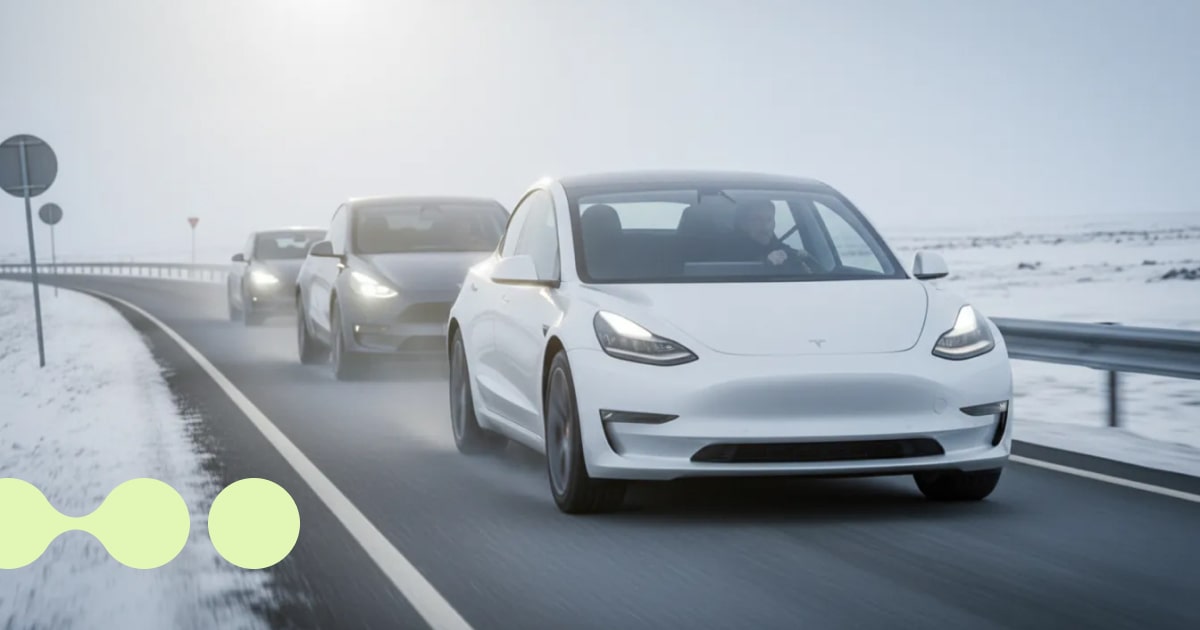
When you scan the lineup of winter-tested candidates, one theme emerges: traction confidence and thermal composure. All-wheel drive variants often shine in snowy conditions, not only because they distribute torque, but because they can mitigate the dramatic efficiency losses that come from wheel slip and sudden corrections.
Meanwhile, EVs that keep aerodynamics tidy and power delivery smooth tend to maintain efficiency at higher highway speeds—where cold air is thin but relentless.
Case Study: Hyundai Ioniq 5 AWD in Winter—Confident, Controlled, Curious
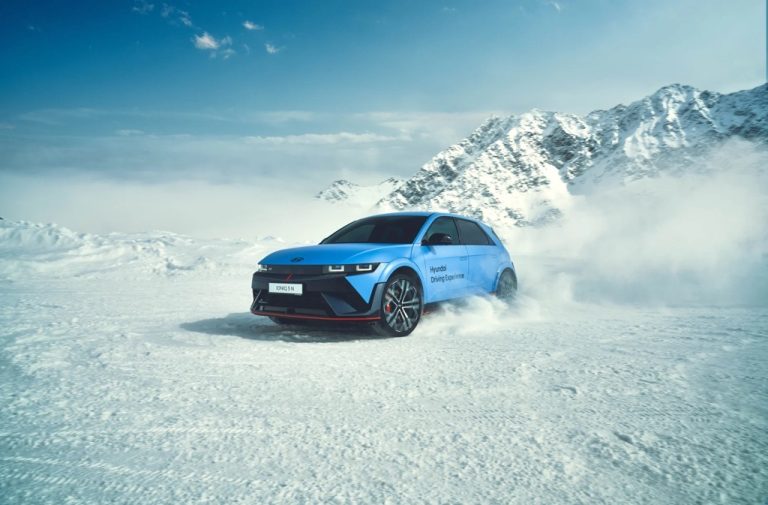
The Ioniq 5 AWD arrives with a reputation that grows stronger under winter scrutiny: composed traction, predictable responses, and an energy management approach that feels less chaotic when the temperature drops. In a winter range test, vehicles like this tend to perform well not just because they consume less, but because their consumption is more explainable.
There’s a subtle difference between an EV that uses more energy and one that uses it inconsistently. In cold conditions, inconsistency is what fuels anxiety. A controlled, well-regulated system makes planning feel less like guesswork and more like navigation.
Drivers also notice how quickly the cabin reaches comfort targets. That comfort matters—yet the best part is that achieving it doesn’t have to feel like draining the battery with every minute. The vehicle’s ability to manage heat while maintaining drivability can turn winter commutes from a defensive routine into a more fluid experience.
Speed, Terrain, and the “Real” Range: How Your Route Rewrites the Math
Winter range is profoundly route-sensitive. High speeds amplify aerodynamic drag, and cold air doesn’t soften the physics. If your commute is a steady highway glide, you’ll want a vehicle that holds efficiency at velocity—one with stable thermal behavior and power delivery that avoids unnecessary energy surges.
Urban routes tell another story. Stop-and-go driving invites frequent acceleration and braking, which can help if regenerative braking is effective. Yet in cold weather, regeneration may be limited until the battery warms. That’s why timing—both of travel and preconditioning—becomes a critical variable.
Then there’s terrain. Snowpack introduces rolling resistance variability. Even when two routes appear similar on a map, the surface micro-texture can create noticeable consumption differences. Winter is a reminder that the road is never truly standardized.
Driving Habits That Actually Move the Needle
It’s easy to repeat broad advice—“drive slower,” “keep the battery warm.” The more useful guidance is specific and behavioral.
Gradual acceleration is not about being cautious; it’s about reducing thermal shock. Smooth power requests reduce the likelihood that the battery must compensate for cold-related constraints. Preconditioning is another lever: starting with a warmed pack often yields a measurable range improvement because the vehicle can operate closer to its optimal efficiency window from the first mile.
Also consider cabin management. Seat heaters can be surprisingly efficient compared with heating the entire cabin aggressively. Defogging is necessary, but using targeted settings rather than maximal heating can preserve energy without surrendering visibility.
Charging in Winter: The Quiet Variable That Changes Everything
Charging isn’t just a stop; it’s part of the trip’s thermodynamic plot. In cold conditions, charging power can be limited until the battery reaches a suitable temperature. That means a short stop might feel longer than expected—not because the charger is slow in general, but because the battery is still warming.
The best winter-ready vehicles manage charging behavior with greater intelligence, balancing battery safety and speed while attempting to bring the pack toward a favorable condition. If the vehicle supports scheduled charging, it can further optimize when the battery warms—making the departure from the charger a more efficient starting point.
Think of winter charging as a negotiation. The more coordinated the battery’s thermal state is with the charging window, the less time disappears into waiting.
Which 2025 EVs Feel Best When Winter Stops Being Polite?
Choosing the “best” EV for winter range depends on what you value most: maximum highway endurance, predictable urban efficiency, strong cold-start performance, or confident all-wheel traction.
Yet the vehicles that consistently feel excellent share a common trait: they reduce the number of surprises. Winter isn’t eliminated, but it becomes less erratic. You spend less time second-guessing consumption and more time trusting systems that behave like well-trained instruments.
In 2025, that trust is becoming more common. The narrative shift matters—because when the cold presses down, the most reliable EV is the one that turns uncertainty into a calm plan.
Final Thoughts: A New Relationship With Winter Range
Winter range testing is ultimately about perspective. It’s not merely the distance your battery can cover under harsh conditions; it’s how your vehicle helps you interpret those conditions.
The best 2025 EVs don’t promise perfection. They promise control—better thermal management, smarter preconditioning, traction confidence, and a consumption pattern that makes sense even when the weather doesn’t. When you drive with that clarity, winter stops being an obstacle and starts becoming a route you can actually navigate.
So the real question changes. It’s no longer “Will I make it?” It becomes, “How will I drive, prepare, and charge to make the trip feel inevitable?”