There’s a familiar moment for many drivers: you’re cruising, traffic thickens, the lane lines start to blur, and you suddenly notice how much you’re relying on instinct—until the vehicle quietly does the noticing for you. That’s where Toyota Safety Sense 3.0 begins to feel less like a bundle of features and more like an attentive co-pilot. In the Toyota RAV4, this technology doesn’t just react. It anticipates. And once you feel that rhythm—comforting, almost orchestral—you may wonder why it’s so captivating.
People often observe that driver-assistance systems can seem a bit “busy” at first. Yet the fascination grows when you realize the real magic isn’t the alert itself—it’s the calibration behind it. The uncanny part is how seamlessly the car tries to preserve your time, space, and focus, even when the world refuses to stay predictable.
Why Safety Sense 3.0 Feels Different in Daily Driving
A common assumption is that advanced safety tech is mostly about braking harder or warning louder. Safety Sense 3.0 challenges that notion. It’s designed to handle situations with a more continuous awareness, narrowing the gap between perception and action. Short cues arrive when they should. Longer interventions unfold when they’re necessary.
On a brisk commute, you may notice fewer moments of “micro-stress”: the slight tension when you’re unsure whether the car recognized the lane markings, or when you’re waiting to see if it will interpret a turn correctly. With Safety Sense 3.0, that tension often dissolves into something calmer—less like you’re being coached, more like the vehicle is harmonizing with your intent.
Lane Tracing Assist: The Art of Staying on Line
Lane guidance tends to be the first feature people evaluate—and the first feature they start to underestimate. Many drivers expect a simple “keep in lane” correction. But the deeper fascination comes from lane tracing behavior: it’s not merely snapping the car toward the center. It’s attempting to follow the lane’s geometry while accounting for your steering input and the road’s subtle shifts.
That matters because roads aren’t flat drawings. Lane lines can fade. Curves can introduce perspective distortion. Adjacent traffic can create optical illusions. Lane tracing assist tries to interpret these cues in real time, so the vehicle can respond with a steadier, more deliberate touch—like a careful navigator rather than a rigid automaton.
When it works well, you feel it most in those in-between seconds: the stretch of highway where the lane markings thin out, or the roundabout where everyone else seems to be guessing. Safety Sense 3.0 encourages a kind of confident predictability.

Pre-Collision System: Anticipation Instead of Panic
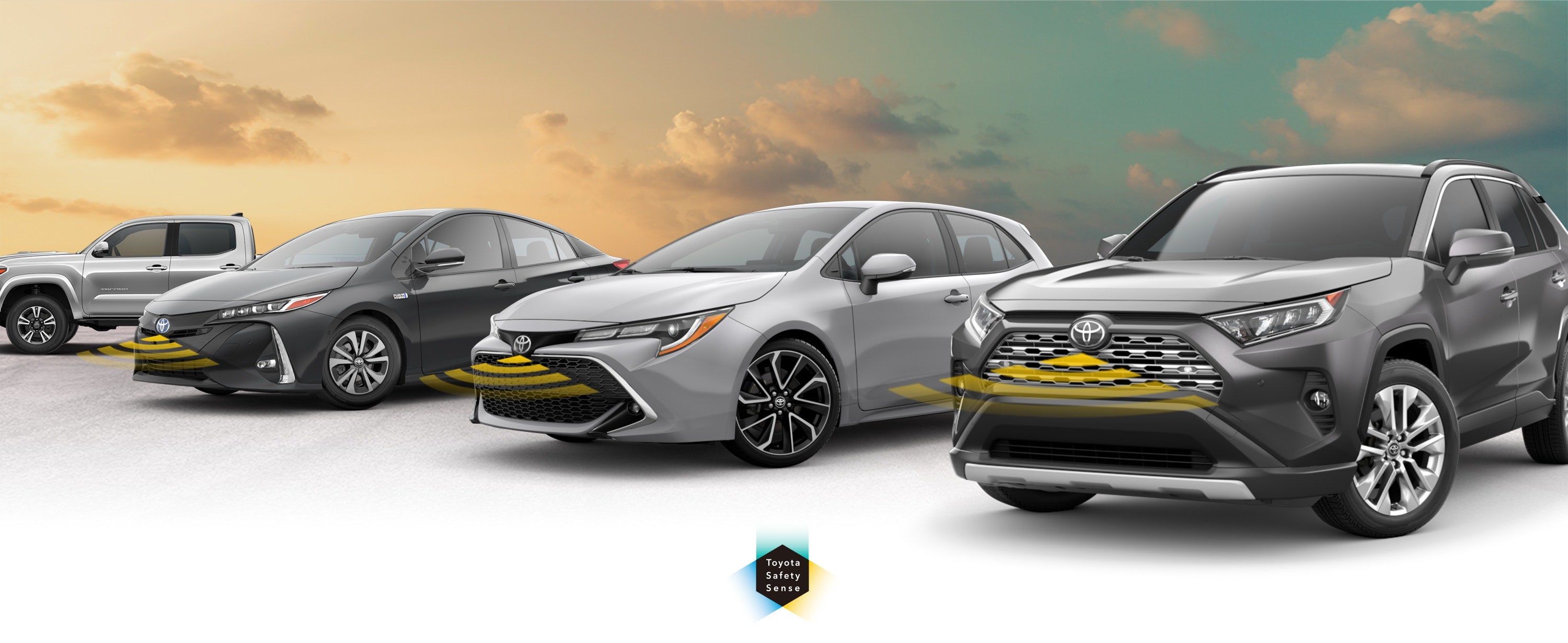
Collision avoidance systems are often framed around emergencies. Yet the most important part is the “pre” in pre-collision. The system is built to detect potential threats earlier, then decide whether a warning is sufficient or whether active braking should intervene.
What makes this compelling is how it transforms your relationship with risk. Instead of waiting for a moment when you feel you “should have” done something, you gain an additional layer of temporal bandwidth. That extra fraction of time can be the difference between mere correction and genuine harm.
In dense urban corridors, the threats are rarely cinematic. They’re quiet: a vehicle stopping unexpectedly, a pedestrian stepping close to the curb, a cycle emerging from a blind angle. Safety Sense 3.0 aims to interpret these scenarios with a more discerning approach, reducing the likelihood that you’re forced to react purely from uncertainty.
Dynamic Cruise Control with Radar: Composure at Speed
Highway driving is a choreography of spacing. Most people don’t realize how often they adjust their following distance unconsciously—hovering, then backing off, then accelerating again as the traffic wave changes tempo. Radar-based dynamic cruise control in Safety Sense 3.0 tries to automate that spacing so you don’t have to constantly “micro-manage” the flow.
The result is an eerily smooth experience, especially in stop-and-go traffic. You can feel the system working in the background, responding with measured confidence. This isn’t about removing your role. It’s about reducing the fatigue that accumulates when you must stay vigilant for hours.
And fatigue is a stealthy saboteur. It dulls reaction time. It narrows attention. It turns small lapses into cascading events. A system that helps maintain consistent distance can therefore be seen as an attention-preserving technology—quietly extending the quality of your focus.
Adaptive Braking and Decision Logic: The Deeper Reason It Impresses
Driver-assistance technology doesn’t just sense the world; it decides how to respond. The decision logic is what makes Safety Sense 3.0 feel less intrusive and more purposeful. A system that overreacts will annoy. One that underreacts will be alarming. The ideal behavior sits in a sweet spot: confident, not chaotic.
When it detects a potential hazard, it can escalate or de-escalate depending on context—vehicle speed, relative distance, lane alignment, and the nature of the obstacle. This contextual reasoning is a major reason people become fascinated: it feels like the car is “understanding the moment,” even though it’s ultimately parsing patterns.
In practical terms, this means fewer frantic interventions and a more natural cadence of warnings and assistance. It’s the difference between a smoke alarm and a safety system that also helps you prevent fires.
Road Sign and Lane Awareness: Reading the Environment for You
Safety Sense 3.0 also supports an ecosystem of awareness, including intelligent recognition that helps the driver stay informed. Even when you think you’re paying attention, your brain filters information constantly—especially when signage is partially obscured or when lighting changes rapidly across bridges and intersections.
Systems that assist with environmental awareness reduce cognitive load. They don’t replace driving. They reduce the strain of constant interpretation so you can stay present with fewer mental tabs open.
That’s often the deeper reason for fascination: the technology subtly reframes driving from pure vigilance into guided confidence.
How It Complements the RAV4 Personality
The RAV4 is already known for versatility—urban agility, road-trip readiness, and a purposeful stance. Safety Sense 3.0 amplifies that versatility by smoothing transitions between scenarios. A commuter day can become a weekend adventure without sacrificing composure. The vehicle stays steady when weather shifts. It helps when visibility narrows. It supports attention when roads become busy.
In other words, the RAV4 doesn’t just move through space; it manages uncertainty. That’s a profound shift in how driving feels, especially for families or anyone who values predictable control.
What to Expect: Smooth, Not Perfect
It’s important to remember that driver-assistance systems are not magic. They’re designed for broad reliability, yet roads vary wildly. Weather, construction zones, unusual lane markings, and unpredictable traffic behavior can all influence sensor performance.
The best experience happens when you treat these systems as sophisticated assistance—not a substitute for attentiveness. When used appropriately, they become an elegant second layer of safety. When misunderstood, they can feel overbearing.
Approach Safety Sense 3.0 with calm curiosity. Let it earn your trust, feature by feature, moment by moment.
Living with Safety Sense 3.0: The Satisfaction That Builds Over Time
At first, advanced safety tech is merely “nice.” Then, after repeated use, it becomes comforting. You start to notice how often you arrive without that lingering, post-drive sense of effort—how the drive feels lighter, less mentally taxing.
The fascination grows into something more durable: an appreciation for engineering that respects human attention. The system doesn’t attempt to dominate the drive. It attempts to preserve it.
That may be the most compelling story of all. Safety Sense 3.0 doesn’t only guard against the unexpected. It also reduces the strain of anticipating it—turning everyday trips into journeys that feel steadily under control.
Conclusion: A Co-Pilot Built for Real Life
In the Toyota RAV4, Toyota Safety Sense 3.0 creates a driving experience that feels composed, perceptive, and unusually reassuring. From lane tracing assistance to pre-collision readiness and radar-based cruising, the technology works as a connected system—one that aims to maintain spacing, interpret hazards, and reduce cognitive overload.
And perhaps that’s why people keep looking closer. The deeper fascination isn’t the presence of safety features. It’s the way those features quietly reshape daily driving into something calmer—so you can stay focused on the road ahead, not the worries behind you.