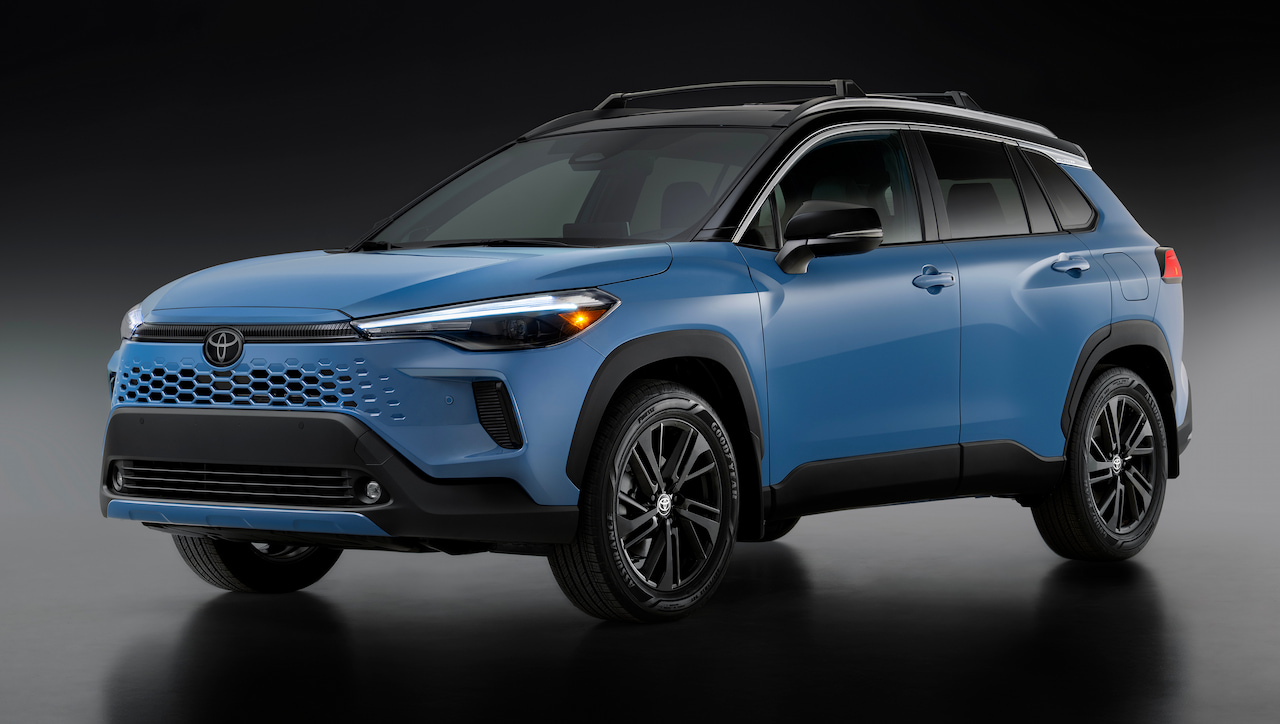
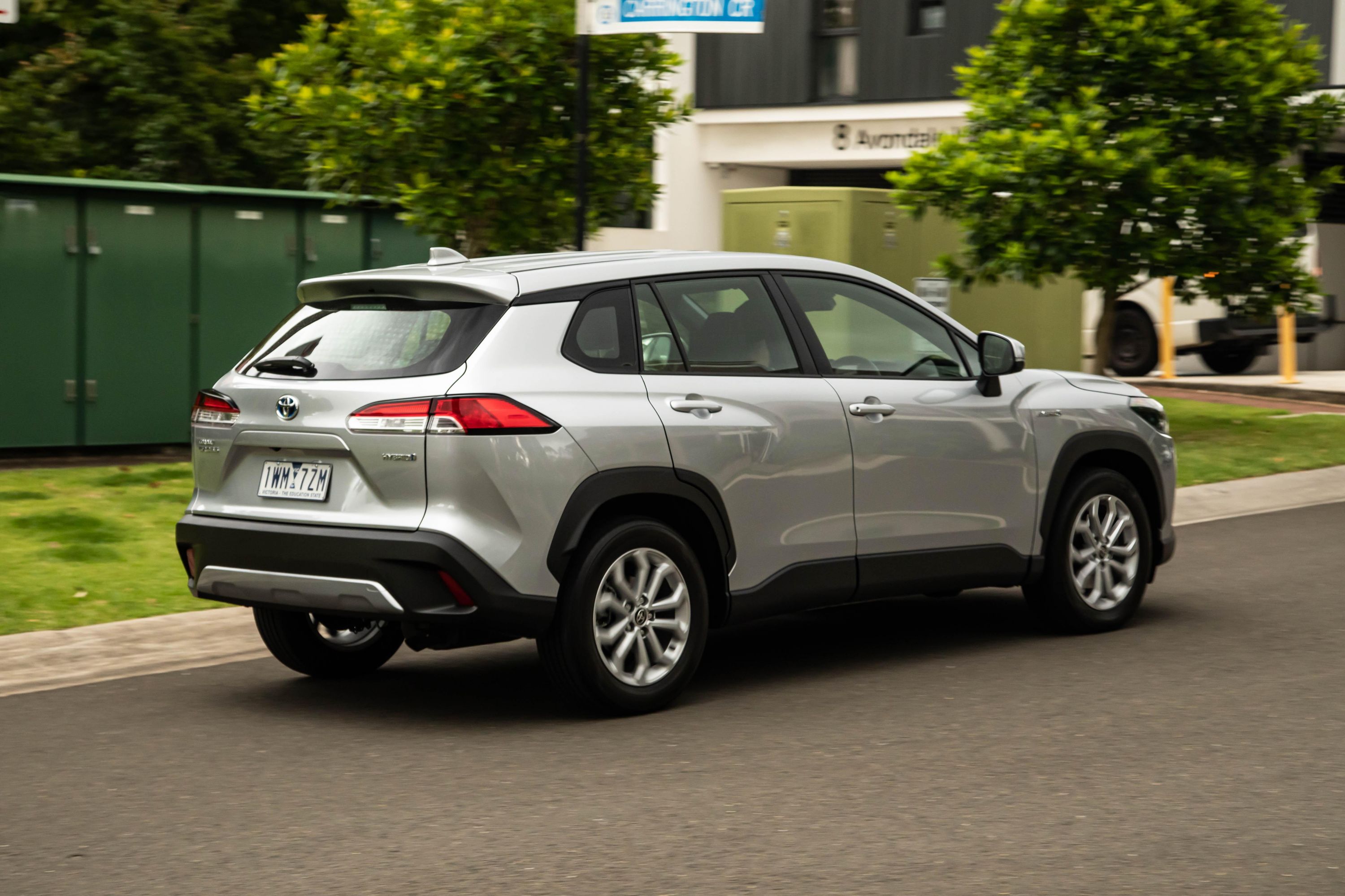
The 2025 Toyota Corolla Cross LE arrives with a familiar promise—efficient everyday mobility—yet it does so with the quiet confidence of a hybrid system tuned for real-world drivability. When drivers ask about Base Hybrid MPG, they’re usually chasing one number. But the truth is more nuanced. MPG is shaped by how you accelerate, how often you idle, what kind of roads you frequent, and even how you treat the last five minutes of a commute when traffic thickens. In this guide, you’ll find what to expect from the Corolla Cross LE’s hybrid economy, the factors that move MPG up or down, and the practical ways owners can stretch every gallon further—without turning driving into a chore.
Think of the Corolla Cross LE as a commuter’s co-pilot: it balances responsiveness with restraint, using electric assist when it makes sense and shifting to gasoline when it must. The result is a driving experience that feels composed rather than frantic, especially in stop-and-go conditions where hybrids often excel.
What “Base Hybrid MPG” Really Means
“Base Hybrid MPG” refers to the fuel-economy rating typically associated with the entry-level trim’s hybrid configuration. However, MPG isn’t a static badge; it’s a reflection of how the vehicle performs under standardized testing conditions. Your actual results can vary widely. Some drivers see impressive numbers on steady highway stretches. Others find their efficiency peaks during smoother city loops where the hybrid system can recapture energy and stay in an optimal blend of electric and gasoline power.
In everyday terms, base hybrid MPG describes how efficiently the Corolla Cross LE converts fuel into motion—while minimizing energy waste. The hybrid system doesn’t just sip fuel; it actively manages energy distribution, smoothing transitions and reducing unnecessary consumption.
How Hybrid Fuel Economy Changes Between City, Highway, and Mixed Driving
MPG is most sensitive to traffic patterns. City driving—full of starts, stops, and short bursts—can either punish fuel economy or reward it, depending on how the hybrid system handles regenerative braking and low-speed propulsion. With the Corolla Cross LE, the hybrid powertrain is built to take advantage of deceleration, harvesting energy that would otherwise dissipate as heat.
On the highway, the story shifts. Aerodynamic drag becomes a bigger factor, and engine load typically stabilizes. While hybrids can still deliver strong efficiency at cruising speeds, the influence of steady airflow is undeniable. Your tires, speed, and even weather conditions can tilt the results.
Mixed driving—where you bounce between suburban speeds and occasional congestion—is often where the Corolla Cross LE feels most efficient. It’s in these irregular rhythms that the hybrid system’s decision-making shines: electric assist during launches, engine participation when sustained power is needed, and seamless blending so the driver isn’t forced to think about the mechanics.
The Hybrid Powertrain’s Role in Efficiency
At the heart of the Corolla Cross LE’s base hybrid MPG outlook is the hybrid system’s ability to orchestrate power in a way that prioritizes efficiency. Instead of relying solely on the internal combustion engine, it uses electric energy to reduce the time the engine spends operating inefficiently—particularly at low speeds and during gentle acceleration.
One of the most important concepts is energy management. The hybrid system continually recalibrates based on throttle demand, battery state-of-charge, vehicle speed, and road grade. When you accelerate moderately, the car can lean on electric drive more often. When you request brisker performance, the system can supplement with the gasoline engine while still keeping overall consumption in check.
Another quiet contributor is regenerative braking. Every time you lift off the accelerator or brake, the vehicle can transform kinetic energy into electrical energy. That energy can then be reused later, effectively turning routine deceleration into a small reservoir of efficiency.
What Most Affects Your Real-World MPG
Manufacturers provide estimates, but real-world MPG is influenced by a handful of predictable variables. Understanding these allows owners to treat efficiency like a skill rather than a mystery.
Driving style: Smooth acceleration and early braking tend to produce more opportunities for regenerative energy. Sudden throttle inputs can force the engine to work harder and reduce the system’s ability to rely on electric assist.
Traffic and stop frequency: Hybrids often do well in congestion because frequent slowing enables regenerative recovery. Yet severe stop-and-go at high temperatures can also increase heating and cooling loads.
Speed: Highway speeds matter. Fuel economy typically declines as speed rises due to increased aerodynamic drag.
Tire pressure and wheel condition: Underinflated tires increase rolling resistance. Even minor alignment issues can nudge consumption downward.
Climate control and battery temperature: Heating and cooling can affect efficiency. In colder climates, the battery and power electronics may require additional energy before they operate at peak effectiveness.
Load and roof cargo: Weight and wind resistance can reduce MPG. A busy trunk is fine—just be mindful of how equipment and cargo change your baseline.
Daily Driving Scenarios: What Owners Can Expect
Imagine the Corolla Cross LE starting the day with a short commute. During those early miles, the vehicle may spend more time warming systems and balancing battery readiness. MPG may be modest at first, then gradually improves as operating temperature stabilizes.
Now picture an afternoon errand run. You’ll likely see stronger efficiency because the hybrid system can capitalize on urban rhythms—capturing energy during frequent slowdowns and using electric assist for stoplight launches.
Finally, consider a weekend trip. On a highway, the Corolla Cross LE settles into a steady pace. Your efficiency becomes more dependent on speed, wind, and tire condition. If you keep cruising speeds moderate and maintain steady throttle, the base hybrid MPG performance can feel especially satisfying.
Fuel Economy Isn’t Just MPG—It’s Cost, Convenience, and Confidence
MPG is a number, but its value shows up in your routine. Higher fuel economy can reduce the frequency of refueling, and that translates into time saved and less friction in daily life. There’s also a psychological element: when you know your vehicle is operating efficiently, longer commutes feel less burdensome.
The Corolla Cross LE’s hybrid nature can also deliver a calmer driving cadence. Many drivers describe a sense of control, where the vehicle feels eager without being aggressive. Efficiency and comfort align; the car doesn’t need dramatic gestures to move smartly.
Practical Tips to Maximize Base Hybrid MPG
Small habits can create surprisingly meaningful gains. Keep speeds consistent when possible, and avoid unnecessary surges. Let regenerative braking do more of the work—this often means lifting earlier rather than waiting until the last instant.
Use gentle acceleration to encourage electric assist. If you’re merging or passing, press with intention but not impulse. Plan your route for fewer traffic interruptions when feasible. In urban areas, even selecting a smoother road can improve outcomes by reducing stop frequency and idling.
Maintain proper tire pressure and schedule routine service. A well-tuned vehicle tends to protect efficiency, not just performance. Finally, remember that climate settings matter. Running heavy HVAC demands can reduce MPG, so moderate cabin comfort settings may preserve economy.

Questions Buyers Often Ask About LE Hybrid MPG
Will the base hybrid MPG improve as the vehicle breaks in? Many drivers notice that early trips feel different, partly due to driving patterns and battery adaptation. Over time, habits and consistency can help deliver more stable efficiency.
Does MPG drop in cold weather? Typically, colder conditions can reduce efficiency due to additional energy needed for heating and battery readiness. However, the hybrid’s ability to manage energy still helps it maintain strong performance compared with non-hybrid alternatives.
Is highway driving still worth it for a hybrid? Absolutely. While city driving can be especially efficient, highway efficiency remains compelling when speed is kept in check and driving stays smooth.
The Takeaway: Making Sense of Base Hybrid MPG
The 2025 Toyota Corolla Cross LE’s base hybrid MPG is best understood as a living target—one influenced by your routes, your tempo, and the environment you drive through. The hybrid system is designed to reduce energy waste through intelligent power blending and regenerative braking, which is why the Corolla Cross LE can feel particularly adept at city commutes and mixed driving.
If you want fuel economy that rewards thoughtful driving, this trim offers a compelling foundation. With practical habits—smooth throttle use, mindful speed, proper tire maintenance, and efficient climate settings—you can convert the promise of hybrid MPG into a routine that feels consistently economical.
In the end, base hybrid MPG isn’t only about saving at the pump. It’s about getting more distance from each tank and approaching every day’s drive with a sense of measured efficiency—quiet, steady, and ready for whatever the road hands you next.