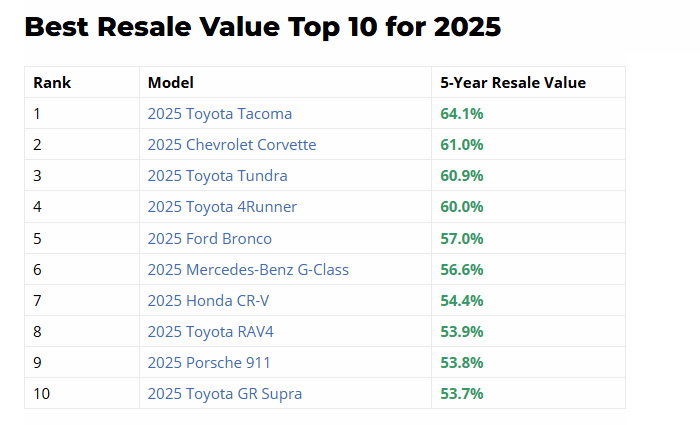
Picture this: you’ve finally found the crossover that fits your life—commutes like a whisper, weekends like a celebration, and errands with just enough swagger. Now comes the part most people pretend not to think about: what happens when it’s time to trade it in. Because in 2025, the resale value isn’t just a number. It’s a kind of financial weather report for your next move.
So here’s a playful question to kick things off: What if your crossover could retain its charm—and its value—long after the novelty fades? The challenge is this: resale isn’t determined by horsepower alone. It’s shaped by reliability, demand, depreciation curves, and the quiet details buyers notice when you’re no longer the one driving it.
Below is a curated look at the Top 10 Best Resale Value 2025 Crossovers, framed around the factors that tend to keep prices resilient. Consider it a guided tour through the “hold-your-value” lane—where practicality meets long-term desirability.
How Resale Value Really Works in 2025
Resale value behaves like a living system. It responds to supply chains, consumer preferences, and even shifting weather patterns in the market—economic conditions change what people are willing to pay. Yet, certain crossover traits consistently act as value magnets.
Start with reliability. Fewer repairs means fewer surprises, and buyers love that. Next is brand reputation—not just popularity, but trust. Then there’s powertrain fit. A drivetrain that’s known, proven, and widely serviced tends to keep depreciation calmer. Also watch trim strategy: well-known configurations often sell faster, reducing the need for price concessions.
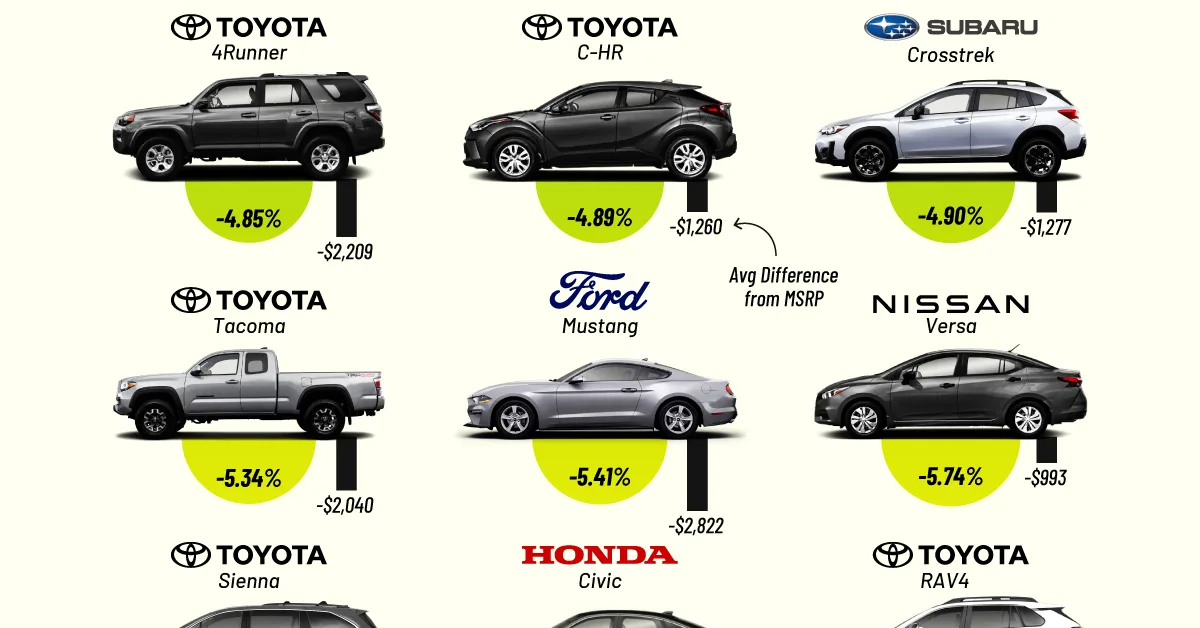
1) Toyota RAV4: The Value Magnet
If crossovers were neighborhoods, the Toyota RAV4 would be the one where people always know the rules—and like them. Its reputation for longevity is well established, and that trust tends to translate into strong trade-in results.
Why it holds value: broad demand, consistent parts availability, and a conservative engineering approach that many drivers find reassuring. Even when competitors surge with features, the RAV4’s familiarity often wins hearts during resale season.
2) Honda CR-V: Familiarity With a Polished Edge
The Honda CR-V is the crossover equivalent of a well-tailored suit: understated, dependable, and surprisingly versatile. Buyers often see it as a safe bet, which is exactly what resale buyers want.
Its durability narrative matters. When a vehicle is known for predictable performance and manageable maintenance, its market value stays buoyant. Add in strong interior utility and you’ve got a crossover that ages without looking tired.
3) Subaru Forester: The Rugged Preference Engine
Some crossovers aim for “nice,” while others aim for “go.” The Subaru Forester often attracts people who prefer weather-ready confidence—especially those who enjoy the road’s more interesting side streets.
Resale advantage comes from two places: the brand’s dedicated following and the vehicle’s practical all-weather reputation. In markets where buyers seek traction-minded options, Forester demand can remain stubbornly healthy.
4) Mazda CX-5: Aesthetic Longevity
Here’s a twist: resale value isn’t always about toughness. Sometimes it’s about how a vehicle feels over time—materials, fit, and that sense of design coherence.
The Mazda CX-5 often benefits from buyers who want a crossover that doesn’t look like it’s aging in dog years. Smooth driving dynamics and a quality-forward cabin contribute to the perception that the car was cared for—and that perception can be worth real dollars.
5) Hyundai Tucson: Feature-Forward, Value-Resilient
Hyundai has spent years refining its lineup, and the Tucson tends to hit a sweet spot: modern amenities without inflating the cost of ownership into an ordeal.
Resale strength often follows the logic of “more features, less regret.” When buyers feel they’re getting contemporary tech and reasonable running costs, they’re more willing to pay closer to market value when the time comes to trade.
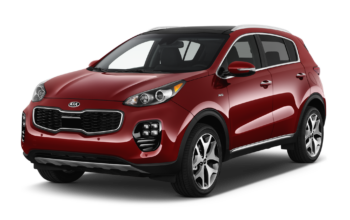
6) Kia Sportage: The Practical Sweet Spot
The Kia Sportage plays a clever game. It offers a balance of style, utility, and everyday usability. In resale terms, that balance matters because broad appeal reduces the risk of niche-market pricing.
When a crossover is easy to recommend—easy to live with—its depreciation tends to behave more politely. Sportage shoppers often return to the brand, keeping demand steady in the used market.
7) Nissan Rogue: Mainstream Demand, Steady Momentum
Some drivers want a crossover that feels “normal” in the best way. The Nissan Rogue has historically benefited from mainstream demand, which can be a quiet advantage when you’re selling later.
Its resale resilience typically reflects a practical ownership experience. Buyers like cars that don’t require a learning curve. Simple service routines and widespread familiarity can reduce hesitation during the purchase decision.
8) Ford Escape: Agile Choices for Everyday Life
The Ford Escape brings a certain urban agility to the crossover conversation. When people shop for resale, they often look for vehicles that match how they actually move—commute, school runs, and last-minute detours.
Resale value can reflect ongoing popularity. If the Escape remains a frequent pick in your local market, competition among used-car shoppers can help keep pricing from sliding too quickly.
9) Volkswagen Tiguan: The “Premium-ish” Bargain
Not everyone wants a luxury badge, but many people want luxury-adjacent refinement. The Volkswagen Tiguan often gets considered because it can deliver that more sophisticated feel without commanding pure luxury pricing.
Resale performance may hinge on trim availability and buyer perception of build quality. When owners maintain the vehicle well and keep maintenance records tidy, the Tiguan can look like a bargain rather than a compromise.
10) Jeep Grand Cherokee (where applicable): Value Through Capability
This one depends on configuration and market preferences, but it’s worth mentioning because “capability” has a way of staying valuable. A crossover that reads as adventure-ready can maintain buyer interest longer than a purely commuter-focused alternative.
The key is condition, service history, and how the vehicle was used. If it’s maintained thoughtfully, the Grand Cherokee can remain a compelling option at resale time—especially for buyers seeking capability with comfort.
The Resale-Boosting Playbook: How to Protect Value
Now for the part where the challenge becomes practical. You can’t control every market shift, but you can influence how your crossover is perceived when it hits the used-car arena.
First: keep meticulous maintenance records. Even ordinary oil changes can become persuasive evidence that the car was cared for.
Second: choose conservative tire strategies. Tires wear, but smart replacements and balanced wear patterns signal competence.
Third: avoid cosmetic neglect. Small dents, worn upholstery, and fogged headlights can whisper “depreciation speed” to buyers. Fixing them early can be cheaper than discounting later.
Fourth: consider mileage discipline. Resale is not only about numbers; it’s also about consistency. A steady driving pattern often reads better than scattered high-mileage bursts.
Common Pitfalls That Quietly Crush Resale Value
Resale tanking rarely happens because of one dramatic flaw. More often, it’s the accumulation of little compromises.
Over-modifying the vehicle can reduce buyer confidence. Using cheap, non-matching parts after repairs may save money now but can erode trust later. Neglecting warning lights is another classic mistake—what seems minor can become an expensive storyline when buyers run diagnostics.
Finally, timing matters. Selling during a period of high demand can soften depreciation. Waiting too long can push you into a lower-demand window where buyers expect discounts.
Which One Should You Choose?
Choosing the “best” resale value crossover isn’t only about ranking. It’s about fit. A crossover you love is the one you’ll maintain properly, drive responsibly, and keep looking sharp. That’s the kind of ownership that converts into stronger resale outcomes.
So ask yourself: Are you buying for the next five years, or for the next buyer’s first impression? The second answer should influence your maintenance habits, trim choice, and even how you treat the interior.
Closing Thoughts: Your Future Trade-In Deserves a Plan
The best resale value in 2025 belongs to crossovers that combine trust, demand, and ownership simplicity. But the real advantage is creating a story your future buyer wants to believe: “This one was cared for.”
If you want to win the resale game, think like a buyer today. Protect the details, keep the records, maintain the condition, and choose a model with enduring market appeal. The road may be unpredictable, but your trade-in doesn’t have to be.